

That persistent coughing sound from your dog at night can be worrying and disruptive. If your pet´s coughing fits have awakened you, you´re not alone. Nighttime dog coughing is a common issue that makes many pet owners wonder about the cause and if it needs immediate attention.
The good news is that while some causes of dog coughing at night can be serious, many are treatable or manageable with proper care. This guide will help you understand why your dog might cough at night, what you can do to help at home, and when to seek veterinary care.
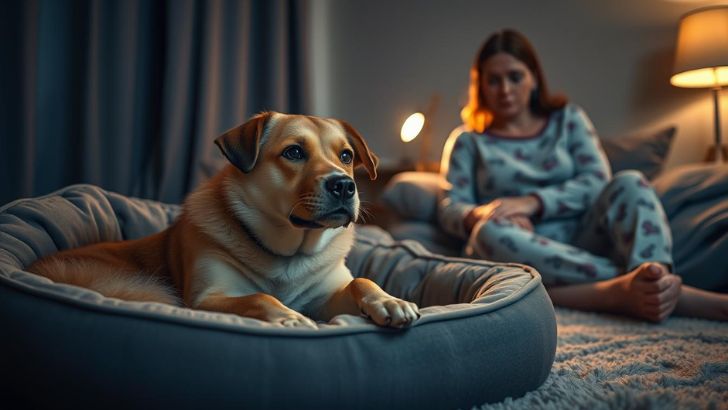
Common Causes of Dog Coughing at Night
Nighttime coughing in dogs can result from various conditions. Understanding these potential causes can help address your pet´s symptoms and choose the appropriate course of action.
Kennel Cough
Kennel cough is one of the most common causes of coughing in dogs. This highly contagious respiratory infection is similar to a cold in humans and often produces a distinctive honking cough that worsens at night.
Imagine your dog´s trachea as a sensitive pipe – when irritated by the kennel cough infection, it becomes inflamed and triggers the coughing reflex, especially when your dog is lying down at night.

Heart Disease
Heart problems, particularly in older dogs, can cause fluid buildup in the lungs, leading to coughing that often worsens when your dog is lying down at night. This is why heart-related coughing is typically more noticeable during evening hours.
When a dog with heart disease lies down, the repositioning can increase pressure on the heart and lungs, triggering coughing episodes that disturb their sleep – and yours.
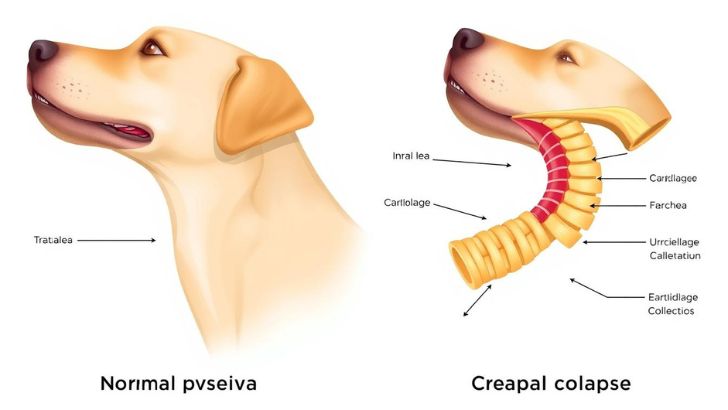
Tracheal Collapse
Small breed dogs like Yorkies, Pomeranians, and Chihuahuas are particularly prone to tracheal collapse. Imagine your dog´s trachea as a floppy straw that partially closes when they breathe in, causing irritation and coughing, especially at night when they´re lying down.
Environmental Irritants and Allergy Causes
Just like humans, dogs can suffer from allergies that cause respiratory symptoms. Dust, pollen, mold, or household chemicals can irritate your dog´s airways and lead to nighttime coughing. These symptoms may worsen when your dog is in certain areas of your home or during specific seasons.
Foreign Objects
Dogs are curious creatures who explore the world with their mouths. Sometimes, they may inhale or swallow small objects that become lodged in their throat or airways, causing persistent coughing as the body tries to expel the foreign material.
Pneumonia and Other Breathing Infections
Bacterial, viral, or fungal infections can affect your dog´s respiratory system and cause coughing that may worsen at night. Pneumonia, in particular, can cause serious respiratory distress and requires prompt veterinary attention.

Symptoms Accompanying Nighttime Coughing in Dogs
Paying attention to additional symptoms can help determine the underlying cause of your dog´s nighttime coughing. Here are common symptoms that may accompany coughing:
- Gagging or retching sounds after coughing
- Wheezing or difficulty breathing
- Nasal discharge (clear, yellow, or green)
- Lethargy or decreased energy levels
- Loss of appetite
- Fever
- Exercise intolerance
- Blue-tinged gums (a medical emergency)
- Coughing up blood or bloody mucus
- Swollen abdomen

Actionable Home Remedies for Dog Coughing at Night
While serious conditions require veterinary care, there are several ways you can help alleviate your dog´s nighttime coughing at home, especially for mild cases:
Humidity and Hydration
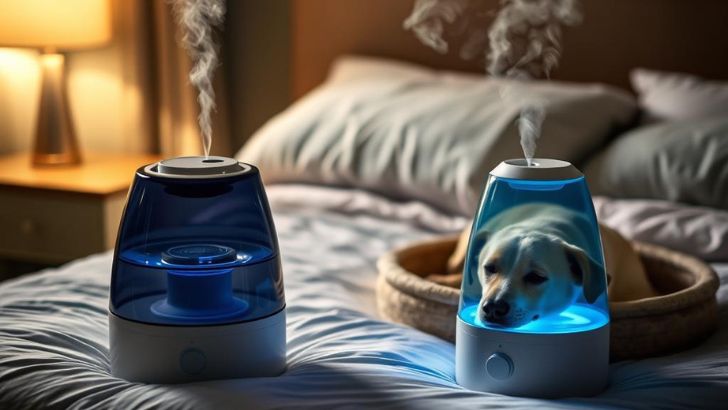
Just as humans with coughs benefit from humidity, so do dogs. A humidifier in the room where your dog sleeps can help moisten dry airways and reduce coughing irritation. Ensure your dog has plenty of fresh water available at all times to stay hydrated.
Elevated Sleeping Position
For dogs with heart issues or tracheal collapse, elevating their head and chest while sleeping can reduce pressure on the airways and heart, potentially decreasing nighttime coughing episodes. Try using a doggy bed with a raised head section or place a pillow under the front part of their bed.
Honey for Soothing Relief
A small amount of honey (appropriate to your dog´s size) can help soothe irritated throats. For small dogs, half a teaspoon of honey, and for larger dogs, up to one tablespoon, can provide temporary relief from coughing. Always consult with your vet before giving honey, especially for diabetic dogs.

Remove Potential Irritants
Minimize exposure to potential allergens and irritants in your home. This includes smoke, strong perfumes, cleaning chemicals, and dust. Regular vacuuming, air purifiers, and avoiding smoking around your pet can help reduce respiratory irritation.
⚠️ WARNING: Never give your dog human medications like cough syrups, antihistamines, or pain relievers without consulting your veterinarian first. Many human medications are toxic to dogs and can cause serious harm or even death.
Explore related dog health topics: dog fever symptoms, dog skin problems, how to tell if your dog is sick
Gentle Throat Massage
For some dogs, especially those with tracheal issues, a gentle massage around the throat area can help relieve spasms that trigger coughing. Use very gentle pressure and stop immediately if your dog seems uncomfortable.
When to See a Veterinarian About Dog Coughing at Night
While some cases of nighttime coughing can be managed at home, others require professional veterinary care. Here are the red flags that indicate it´s time to see your vet:
| Warning Sign | Urgency Level | Possible Causes |
| Coughing up blood | Urgent Care Needed – See a Vet Immediately | Injuries, infections, tumors, and blood clotting issues |
| Blue or purple gums | Urgent Care Needed – See a Vet Immediately | Lack of oxygen and cardiac failure |
| Severe difficulty breathing | Urgent Care Needed – See a Vet Immediately | Airway obstruction, severe pneumonia, heart failure |
| Ongoing cough lasting over 2 days | Urgent – Vet visit within 24 hours | Kennel cough, chronic bronchitis, heart disease |
| Lethargy and loss of appetite | Urgent – Vet visit within 24 hours | Infection, systemic illness |
| Fever (above 102.5°F/39.2°C) | Urgent – Vet visit within 24 hours | Infection, inflammation |
Extra Care for Brachycephalic Dog Breeds
Flat-faced (brachycephalic) breeds like Bulldogs, Pugs, Boston Terriers, and Shih Tzus have naturally compromised airways due to their facial structure. These dogs are at higher risk for respiratory issues, and coughing in these breeds should be taken especially seriously.
Prevention Tips for Dog Coughing at Night
While not all causes of dog coughing can be prevented, these strategies can help reduce the risk:
Keep Vaccinations Current
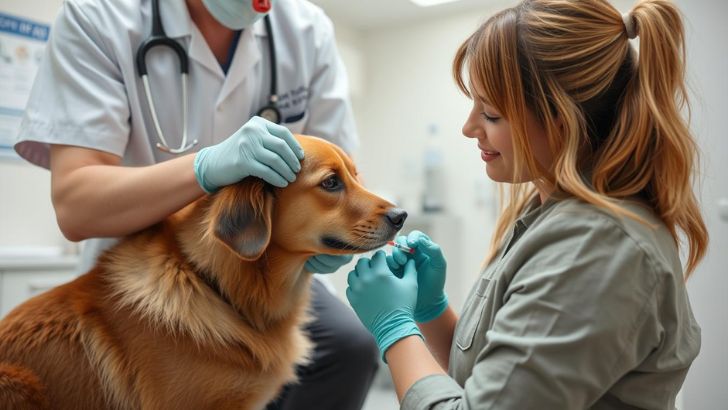
Ensure your dog is up-to-date on vaccinations, particularly those that protect against respiratory infections like Bordetella (kennel cough), parainfluenza, and canine influenza. These are especially important if your dog frequents kennels, dog parks, or grooming facilities.
Maintain a Healthy Weight
Excess weight puts additional strain on your dog´s heart and respiratory system. Maintaining a healthy weight through proper diet and regular exercise can help prevent conditions that lead to coughing.
Choose a Harness Over a Collar
For dogs prone to tracheal collapse or respiratory issues, using a harness instead of a collar for walks can reduce pressure on the trachea and prevent irritation that leads to coughing.

Minimize Exposure to Irritants
Keep your home free of smoke, strong perfumes, and harsh cleaning chemicals that can irritate your dog´s respiratory system. Consider using air purifiers to reduce airborne allergens and irritants.
Regular Veterinary Check-ups
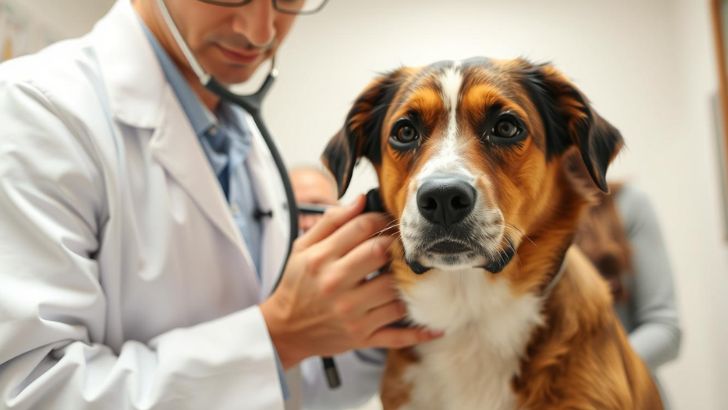
Routine wellness exams can help catch potential health issues before they become serious. Your veterinarian can listen to your dog´s heart and lungs to detect early signs of problems that might lead to coughing.
Frequently Asked Questions About Dog Coughing at Night
Question 1: Is nighttime coughing always serious?
Not always. Occasional coughing, especially if it resolves quickly, may not be cause for concern. However, persistent, severe, or worsening coughing, particularly at night, should be evaluated by a veterinarian. Nighttime coughing can be more noticeable because the house is quiet and your dog is lying down, which can exacerbate certain conditions.
Question 2: Can allergies cause coughing only at night?
Yes, allergies can cause coughing that worsens at night. This may be due to your dog spending more time in a particular area (like their bed) that contains allergens, or because lying down can increase postnasal drip. Additionally, many homes have higher concentrations of dust mites in bedding areas, which could affect both you and your dog during sleep hours.
Question 3: How can I tell if my dog’s cough is from heart disease or kennel cough?
While a definitive diagnosis requires veterinary examination, there are some differences in how these coughs typically present. Kennel cough usually produces a harsh, honking cough that sounds like something is stuck in your dog´s throat. Heart-related coughing tends to occur more at night or when lying down, and may be accompanied by exercise intolerance, rapid breathing, or fatigue. Your veterinarian can listen to your dog´s heart and lungs to determine the cause.
Question 4: How long does kennel cough typically last?
Uncomplicated kennel cough typically runs its course in about 1-2 weeks. However, in puppies, senior dogs, or those with compromised immune systems, it can last longer and potentially develop into pneumonia. If your dog´s cough persists beyond two weeks or worsens at any point, consult your veterinarian.
Conclusion: Taking Action for Your Dog’s Nighttime Cough
A dog coughing at night can be concerning for any pet parent. While many causes are treatable and some may even resolve on their own, it´s important to monitor your dog´s symptoms and seek veterinary care when needed.
Remember that you know your dog best. If something seems off or if their coughing persists or worsens, trust your instincts and consult with your veterinarian. Early intervention often leads to better outcomes and can save your dog from unnecessary discomfort.
With proper care, attention, and veterinary guidance when needed, you can help your furry friend breathe easier and enjoy peaceful nights once again.