

Your dog´s skin serves as their largest organ, playing a vital role in protecting them from environmental threats. When skin problems occur, they can cause significant discomfort for your furry friend. Dog skin problems, ranging from persistent itching and redness to hair loss and unpleasant odors, are among the most common reasons pet owners seek veterinary care.
Understanding the causes, symptoms, and treatment options for various dog skin conditions can help you identify issues early and ensure your canine companion receives proper care. This guide provides comprehensive information to help you keep your dog´s skin healthy and address problems when they arise.
Dog Skin Problems: Common Triggers to Watch For

Dog skin problems can arise from various sources, ranging from environmental factors to underlying health conditions. Understanding these causes is the first step toward effective treatment and prevention.
Allergies
Allergies are among the most frequent triggers for dog skin problems. When a dog´s immune system overreacts to particular substances, it can lead to significant skin irritation and discomfort.
Environmental allergies (atopic dermatitis) are reactions to pollen, mold, dust mites, or grass. Food allergies are commonly triggered by proteins like beef, chicken, dairy, or wheat. Flea allergy dermatitis is an allergic reaction to flea saliva, which can cause intense itching from even a single bite. Contact allergies are reactions to floor cleaners, carpet deodorizers, or certain fabrics.
Parasites
External parasites are a frequent cause of skin irritation in dogs. These tiny invaders can create significant discomfort and lead to secondary infections if left untreated.
Fleas are tiny, fast-moving insects that feed on your dog´s blood and leave behind irritating saliva. Ticks are blood-sucking parasites that can transmit diseases while causing local skin irritation. Mites are microscopic parasites that cause conditions like sarcoptic mange (scabies), demodectic mange, or ear mites. Lice are species-specific parasites that cause itching and discomfort.
Infections
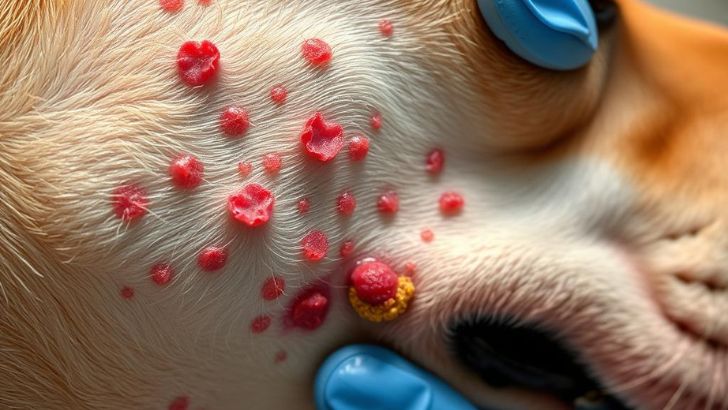
Dogs can develop various types of skin infections that cause discomfort and visible symptoms.
Bacterial infections (pyoderma) are often caused by Staphylococcus bacteria, resulting in pustules, crusting, and inflammation. Fungal infections include ringworm (a fungus, not a worm) and yeast infections. Hot spots (acute moist dermatitis) are rapidly developing, painful areas of infected skin often triggered by scratching or licking.
Hormonal Imbalances
Certain endocrine disorders can manifest as skin problems in dogs.
Hypothyroidism, or insufficient thyroid hormone production, can lead to hair loss, dry skin, and increased susceptibility to infections. Cushing´s disease, or excessive cortisol production, can cause hair loss, thin skin, and increased susceptibility to infections. Adrenal disorders can affect hormone production and potentially cause symmetrical hair loss.
Other Causes
Additional factors that can contribute to dog skin problems include autoimmune diseases, where the immune system attacks the dog´s own skin cells; nutritional deficiencies, particularly lacking essential fatty acids; environmental factors like excessive humidity or dryness; stress or anxiety, which can trigger excessive licking or scratching behaviors; and genetic predisposition, as certain breeds are more prone to specific skin conditions.
Recognizing Symptoms of Dog Skin Problems

Identifying the signs of skin problems early can help you seek appropriate treatment before conditions worsen. Here are the most common symptoms to watch for:
Physical Symptoms
Physical Symptoms include redness or inflammation, hair loss or thinning coat, dry, flaky, or scaly skin, greasy or oily skin texture, bumps, pimples, or pustules, scabs, crusts, or open sores, swelling or thickened skin, and a foul odor from skin or ears. Visible parasites or flea dirt (small black specks) are also symptoms.
Behavioral Symptoms
Behavioral Symptoms can include excessive scratching, licking, or biting, rubbing against furniture or carpeting, head shaking (especially with ear issues), excessive grooming or hair pulling, restlessness or irritability, avoiding being touched in certain areas, and changes in sleeping patterns due to discomfort.
Consult your veterinarian immediately if your dog shows any of these symptoms: severe or rapidly spreading rash; open wounds or bleeding skin; significant hair loss; signs of pain when touched; lethargy, fever, or loss of appetite accompanying skin issues; or skin problems that don´t improve with home treatment after 48 hours. Also, schedule a vet consultation for recurring skin problems despite treatment.
Diagnosis Methods for Dog Skin Problems

Proper diagnosis is essential for effective treatment of dog skin problems. Veterinarians use various methods to identify the specific cause of your dog´s skin issues.
Physical Examination
The diagnostic process typically begins with a thorough physical examination. Your veterinarian will examine the affected skin areas closely, check for patterns of distribution (localized vs. generalized), assess the type of lesions present, evaluate overall coat condition, and look for evidence of external parasites.
Depending on the suspected cause, your vet may recommend one or more of these diagnostic procedures. These procedures includes skin scrapings for mites and other parasites, skin cytology (examining a skin sample under a microscope), fungal cultures for ringworm or yeast infections, and allergy testing via blood and/or skin tests.
Advanced Testing
For more complex or persistent cases, your veterinarian might recommend allergy testing, skin biopsy, blood tests, or food elimination trials. Your veterinarian will use the results of these tests, along with your dog´s medical history and symptoms, to develop an appropriate treatment plan tailored to your pet´s specific condition.
Treatment Options for Dog Skin Problems

Treatment for dog skin problems varies depending on the underlying cause. Here are the most common approaches veterinarians recommend:
Medications
Prescription medications are often necessary to address the root cause of skin problems, which might include antibiotics, antifungals, antiparasitics, antihistamines, and corticosteroids. Others include immunomodulatory drugs and hormone replacement.
Topical Treatments

External treatments applied directly to the affected areas can provide relief and promote healing, such as medicated shampoos, topical sprays or creams, moisturizers, antiseptic wipes, and hot spot treatments.
Dietary Changes
Nutrition plays a crucial role in skin health and can be part of the treatment plan. This may involve hypoallergenic diets, novel protein diets, omega-3 fatty acid supplements, vitamin E and zinc supplements, and probiotics.
Environmental Management
Controlling your dog´s environment can help prevent and manage skin problems, which might include regularly cleaning bedding, toys, and living areas; using HEPA air filters to reduce airborne allergens; avoiding known allergens or irritants; and maintaining optimal humidity levels in your home.
Prevention Tips for Dog Skin Problems

Preventing skin problems is often easier than treating them. These proactive measures can help keep your dog´s skin healthy.
Learn more about dog health issues: dog fever symptoms, dog diarrhea causes, how to tell if your dog is sick
Regular Grooming Routine
Proper grooming is essential for maintaining healthy skin and detecting problems early, which includes brushing, bathing, professional grooming, ear cleaning, and nail trimming.
Parasite Prevention

Keeping parasites at bay is one of the most effective ways to prevent skin problems, which might include year-round flea and tick prevention, regular environmental treatment for flea infestations, avoiding areas with high parasite populations, checking your dog for ticks after outdoor activities, and treating all pets in the household to prevent cross-infestation.
Optimal Nutrition
A balanced diet supports healthy skin and coat, which may include high-quality dog food with appropriate protein levels, essential fatty acids (especially omega-3 and omega-6), adequate hydration through fresh water access, appropriate supplements as recommended by your veterinarian, and avoiding known food allergens for sensitive dogs.
Environmental Management
Creating a skin-friendly environment for your dog is important, which may include regularly washing dog bedding, blankets, and toys; using hypoallergenic or unscented laundry detergents; vacuuming frequently to reduce dust mites and allergens; providing shade and protection from excessive sun exposure; and maintaining appropriate humidity levels in your home.
Regular Veterinary Care
Professional monitoring helps catch issues before they become serious, which may include annual wellness exams; prompt attention to any skin changes or increased scratching; following vaccination schedules to prevent certain skin-affecting diseases; and regular screening for breed-specific skin conditions.
Frequently Asked Questions

Question 1: Can dogs be washed with human shampoo?
No, human shampoos should not be used on dogs. Dogs have a different skin pH than humans, and human shampoos can disrupt their skin´s natural balance, leading to dryness, irritation, and increased vulnerability to infections. Always use shampoos specifically formulated for dogs, and for skin problems, consult your veterinarian about medicated shampoos designed to address your dog´s specific condition.
Question 2: How often should I bathe my dog with skin problems?
Bathing frequency depends on your dog´s specific skin condition. Some conditions require frequent medicated baths (even 2-3 times weekly initially), while others might worsen with over-bathing. Always follow your veterinarian´s recommendations for your dog´s particular skin issue. Use lukewarm water and ensure thorough rinsing to prevent shampoo residue, which can cause further irritation.
Question 3: Are certain dog breeds more prone to skin problems?
Yes, some breeds have a genetic predisposition to certain skin conditions. For example, bulldogs, Shar-Peis, and other wrinkly breeds are prone to fold dermatitis; West Highland White Terriers commonly develop atopic dermatitis; retrievers and other water dogs are susceptible to hot spots; Cocker Spaniels often experience seborrhea; and Chinese Crested and other hairless breeds require special skin care. If you have a breed predisposed to skin issues, preventive care and early intervention are especially important.
Question 4: Can my dog’s diet affect their skin health?
Absolutely. Diet plays a crucial role in skin health. Food allergies can directly cause skin problems, while nutritional deficiencies can weaken the skin barrier and immune system. Essential fatty acids, particularly omega-3s, are vital for maintaining healthy skin and reducing inflammation. Some dogs show dramatic improvement in skin conditions when switched to hypoallergenic diets or those supplemented with appropriate nutrients. Consult your veterinarian about the best dietary approach for your dog´s specific skin needs.
Question 5: Are dog skin problems contagious to humans?
Some dog skin conditions can be transmitted to humans, while others cannot. Ringworm (a fungal infection) is zoonotic and can spread to humans. Also, sarcoptic mange (scabies) can cause temporary skin irritation in humans. Some bacterial infections may potentially spread, especially to immunocompromised individuals. However, most dog-specific conditions like atopic dermatitis, food allergies, or hormonal skin issues are not contagious to humans. If your dog has a diagnosed skin condition, ask your veterinarian about any potential human health risks and take appropriate precautions like wearing gloves when applying treatments and washing hands after handling affected pets.
Question 6: How can I tell if my dog’s itching is due to allergies or something else?
It can be challenging to determine the exact cause of itching without veterinary diagnosis, but these patterns may provide clues. Seasonal itching (worse in spring/summer) often indicates environmental allergies. Itching focused on the paws, face, ears, and belly is common with allergies. Sudden intense itching all over may suggest parasites like fleas. Itching with visible skin changes (redness, bumps, discharge) might indicate infection.
The most reliable way to determine the cause is through veterinary examination and appropriate diagnostic testing. Your vet can distinguish between allergies, parasites, infections, and other causes to provide targeted treatment.