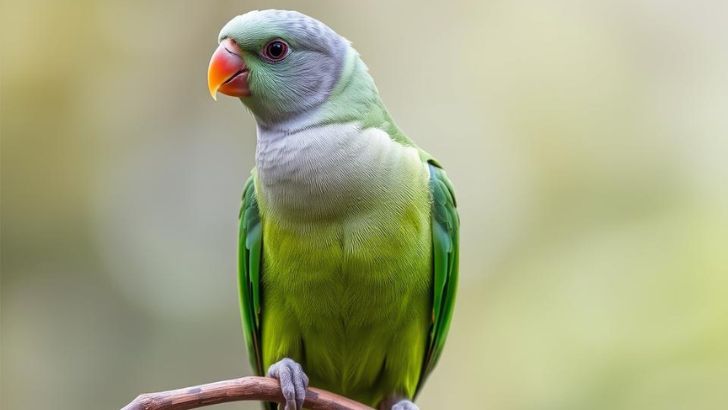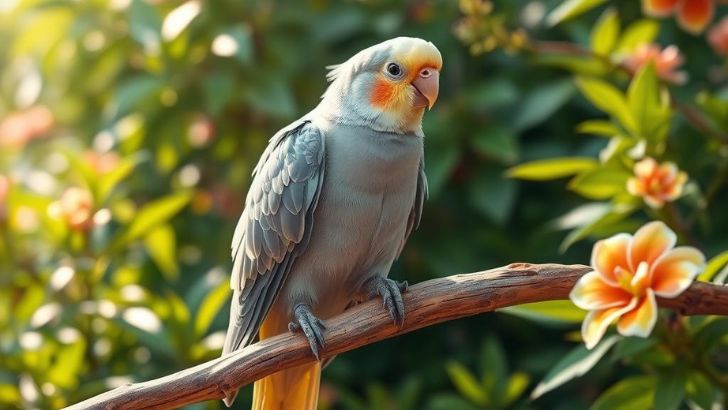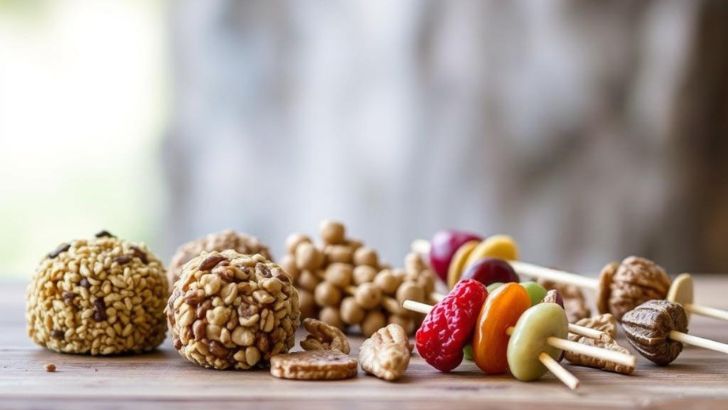

Creating homemade bird food offers a rewarding way to connect with nature while providing nutritious options for your feathered visitors. DIY bird food is often more economical than store-bought varieties. It also allows recipe customization based on the specific birds you want to attract. This guide will explore easy-to-make recipes, safety guidelines, and seasonal considerations to help you become an expert at feeding your backyard birds.
Whether you´re a seasoned bird enthusiast or just getting started with backyard bird feeding, these homemade recipes will help you attract a diverse array of species while ensuring they receive needed nutrition throughout the year.
Benefits of Making Your Own Bird Food
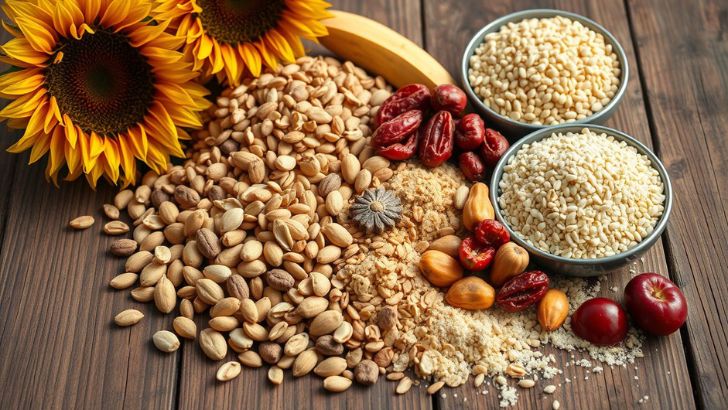
Before diving into recipes, let´s look at the advantages of making your own bird food:
Cost-Effective: Making your own bird food can be significantly cheaper than purchasing pre-made options, especially when buying ingredients in bulk.
Quality Control: You control exactly what goes into your bird food, avoiding fillers, preservatives, and artificial ingredients found in some commercial mixes.
Freshness: Homemade options can be made in small batches for consistent access to fresh bird food.
Customization: You can adjust recipes based on the specific birds in your area or seasonal nutritional needs.
Reduced Waste: Many homemade recipes can incorporate kitchen scraps, reducing food waste while benefiting birds.
Educational Opportunity: Creating bird food is a wonderful activity to share with children, teaching them about wildlife, nutrition, and conservation.
Understanding Bird Nutrition Basics
Different bird species have varying nutritional needs, but most backyard birds benefit from a balanced diet containing proteins, fats, carbohydrates, and essential vitamins and minerals. Understanding these basic nutritional components will help you create more effective homemade bird food.
| Nutrient | Benefits | Good Sources | Best For |
| Protein | Muscle development, feather growth | Nuts, insects, mealworms | Nesting birds, growing fledglings |
| Fats | Energy, insulation, winter survival | Suet, peanut butter, sunflower seeds | Winter feeding, high-energy birds |
| Carbohydrates | Quick energy source | Corn, oats, fruits | Active birds, migration seasons |
| Calcium | Eggshell formation, bone health | Crushed eggshells, cuttlebone | Nesting females, spring feeding |
| Vitamins | Overall health, immune function | Fresh fruits, berries | Year-round feeding |
When creating homemade bird food, aim to incorporate a variety of these nutrients to support overall bird health. The recipes that follow are designed to provide balanced nutrition while attracting a wide range of species to your yard.
5 Easy DIY Bird Food Recipes
These homemade bird food recipes use readily available ingredients and require minimal preparation time. Each recipe targets different bird species and nutritional needs.
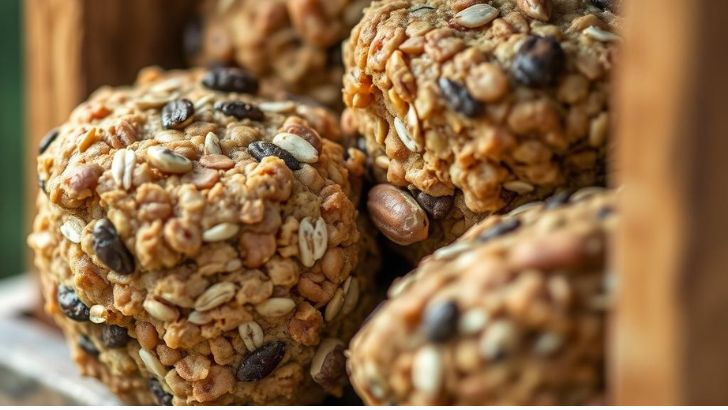
1. Classic Suet Cakes
Suet cakes are high-energy treats perfect for winter feeding. They attract woodpeckers, nuthatches, chickadees, and other insect-eating birds.
Ingredients:
- 1 cup rendered animal fat or vegetable shortening
- 1 cup crunchy peanut butter (unsalted)
- 2 cups quick oats
- 1 cup cornmeal
- 1 cup mixed bird seed
- ½ cup flour
- Optional: ½ cup dried mealworms for extra protein
Instructions:
- Melt the fat and peanut butter together in a saucepan over low heat.
- Remove from heat and stir in remaining ingredients until thoroughly combined.
- Pour mixture into molds or a lined baking dish to cool.
- Once hardened, cut into blocks if needed and store in the refrigerator until ready to use.
- Place in suet feeders or mesh bags for birds to enjoy.
Pro Tip: During hot weather, add an extra ¼ cup of flour to help the suet hold its shape better. Store unused suet cakes in the freezer to prevent rancidity.

2. Birdseed Ornaments
These decorative treats double as beautiful yard decorations and nutritious bird snacks. They´re perfect for holiday bird feeding or as a fun craft project with children.
Ingredients:
- 2 packages unflavored gelatin
- 2 cups water, divided
- 4 cups mixed bird seed
- ½ cup dried cranberries or blueberries
- ¼ cup chopped unsalted nuts
- String or twine for hanging
- Cookie cutters (optional)
Instructions:
- Mix 1 cup of water with gelatin in a saucepan and heat until dissolved.
- Remove from heat and add remaining water.
- Stir in bird seed, dried fruit, and nuts until well coated.
- Place cookie cutters on a parchment-lined tray or press mixture into a shallow baking dish.
- Fill shapes with mixture, pressing firmly. Create a hole for string using a straw or skewer.
- Allow to dry for 24-48 hours, turning occasionally.
- Once completely dry, thread string through the hole and hang outdoors.
Note: These ornaments work best in cooler weather. In hot or humid conditions, they may soften or fall apart more quickly.

3. Homemade Hummingbird Nectar
This simple nectar recipe attracts hummingbirds without the artificial dyes found in commercial mixes. It´s economical and can be made in minutes.
Ingredients:
- 1 cup white granulated sugar
- 4 cups water
Instructions:
- Bring water to a boil in a saucepan.
- Add sugar and stir until completely dissolved.
- Allow the solution to cool completely before filling feeders.
- Store excess nectar in the refrigerator for up to one week.
Important: Never use honey, brown sugar, artificial sweeteners, or red food coloring in hummingbird nectar. These can be harmful or even fatal to hummingbirds. Most feeders are already colored red to attract birds.

4. Fruit and Nut Kabobs
These simple skewers attract fruit-loving birds like orioles, tanagers, and mockingbirds. They´re especially effective during spring and summer months.
Ingredients:
- Assorted fresh fruits (apple chunks, orange slices, berries, grapes)
- Unsalted nuts (peanuts, almonds, walnuts)
- Wooden skewers or thin dowels
- Optional: Cubes of plain suet or peanut butter
Instructions:
- Cut fruits into 1-inch chunks that birds can easily manage.
- Alternate threading fruits and nuts onto wooden skewers.
- If using suet or peanut butter, add small amounts between fruit pieces.
- Hang skewers from tree branches or feeding stations.
- Replace every 1-2 days to prevent spoilage, especially in warm weather.
Seasonal Tip: In summer, focus on water-rich fruits like berries and melon. In winter, include more fatty components like suet or peanut butter for extra energy.

5. No-Melt Seed Blocks
These durable seed blocks are perfect for hot weather when suet might melt. They attract a wide variety of seed-eating birds and hold up well in summer conditions.
Ingredients:
- 2 cups mixed bird seed
- 1 cup quick-cooking oats
- 1 cup cornmeal
- ½ cup flour
- ⅓ cup corn syrup
- ¼ cup water
- 1 packet unflavored gelatin
Instructions:
- Combine all dry ingredients in a large bowl and mix well.
- Dissolve gelatin in water in a small saucepan over low heat.
- Add corn syrup to the gelatin mixture and stir until combined.
- Pour liquid mixture over dry ingredients and mix thoroughly.
- Press firmly into molds or a lined baking dish.
- Allow to dry completely for 24-48 hours before removing from molds.
- Place in platform feeders or hang in mesh bags.
Storage Tip: These blocks can be stored in an airtight container for up to 3 months. In very humid conditions, store in the refrigerator to prevent mold growth.
See more healthy feeding ideas for birds: best seeds for birds, homemade bird treats, toxic food for birds
Bird Feeding Safety Guidelines
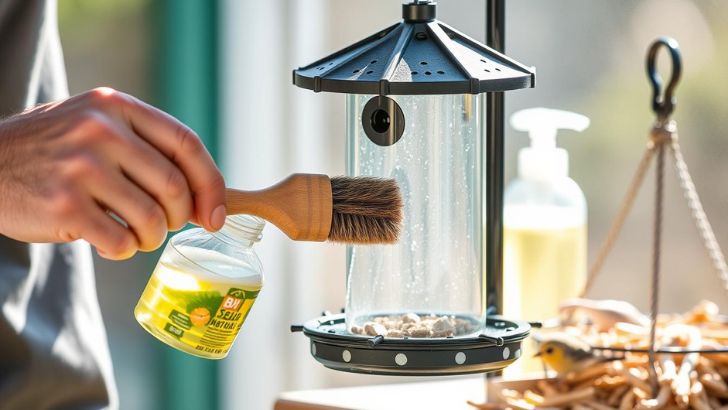
Feeding birds comes with responsibility. Follow these safety guidelines to ensure your homemade bird food benefits rather than harms your feathered visitors:
Foods to Avoid
Never include these potentially harmful ingredients in your homemade bird food:
| Harmful Food | Why It’s Dangerous | Safe Alternative |
| Honey | Can promote dangerous fungal growth in hummingbird nectar | White granulated sugar |
| Chocolate | Contains theobromine, toxic to birds | Unsalted nuts |
| Avocado | Contains persin, toxic to birds | Berries and other fruits |
| Salted foods | Can cause dehydration and kidney damage | Unsalted versions of nuts and seeds |
| Bread | Low nutritional value, can cause malnutrition | Whole grains like oats or cornmeal |
| Milk | Birds cannot digest lactose | Water for hydration |
| Artificial sweeteners | Can be toxic to birds | Regular white sugar (for hummingbirds only) |
Feeder Hygiene
- Regular Cleaning: Clean feeders at least every two weeks, more often in hot or humid weather.
- Proper Disinfection: Use a solution of one part bleach to nine parts water to disinfect feeders.
- Thorough Drying: Allow feeders to dry completely before refilling to prevent mold growth.
- Ground Maintenance: Regularly clean up fallen seed and hulls beneath feeders to prevent mold and deter rodents.
- Rotation: Move feeders periodically to prevent buildup of droppings and seed hulls in one area.
Storage Tips
Suet and Fat-Based Foods
- Store in refrigerator for up to 2 weeks
- Freeze for up to 3 months
- Label with date made
- Use airtight containers
- Discard if you notice any rancid smell
Seed Mixes and Dry Foods
- Store in cool, dry place
- Use airtight containers to prevent pests
- Check regularly for mold or insect activity
- Use within 3 months
- Keep away from direct sunlight
Seasonal Bird Feeding Considerations
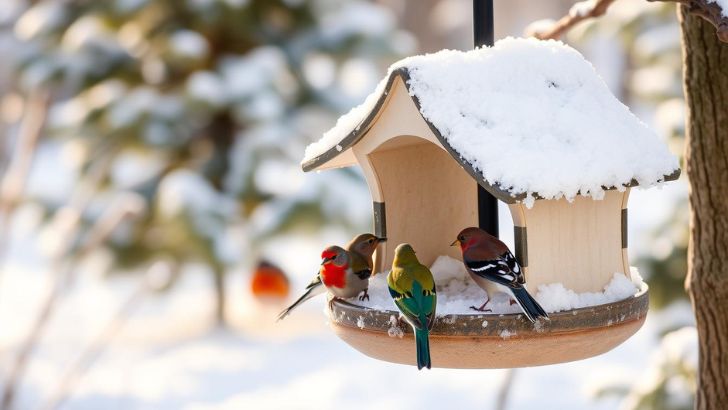
Birds´ nutritional needs change throughout the year. Adjust your homemade bird food recipes to match seasonal requirements:
| Season | Bird Activity | Recommended Foods | Feeding Tips |
| Spring | Nesting, raising young | High-protein foods, calcium-rich options (crushed eggshells), mealworms | Provide nesting materials, increase protein content in recipes |
| Summer | Abundant natural food, fledglings learning to feed | Fresh fruits, mealworms, no-melt seed blocks | Clean feeders more frequently, provide fresh water sources |
| Fall | Migration, preparing for winter | High-fat foods, seed mixes, suet | Gradually increase fat content as temperatures drop |
| Winter | High energy needs, limited natural food | Suet, peanut butter mixes, black oil sunflower seeds | Feed early morning and late afternoon, keep feeders full |
Winter Recipe Adjustments
During cold months, increase the fat content in your homemade bird food recipes:
- Add an extra ¼ cup of rendered fat or peanut butter to suet recipes
- Include more black oil sunflower seeds (high in fat) in seed mixes
- Consider adding beef fat (available from butchers) to suet recipes
- Place feeders in sheltered locations protected from wind and snow
Summer Recipe Adjustments
During warm months, focus on preventing spoilage and providing hydration:
- Use gelatin-based recipes instead of fat-based ones to prevent melting
- Offer more fresh fruits with high water content
- Put out smaller amounts of food more frequently to prevent spoilage
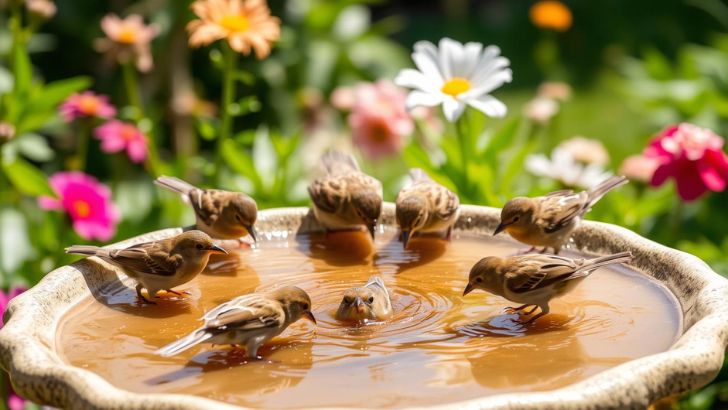
- Consider adding a bird bath near feeding stations
Attracting Specific Bird Species
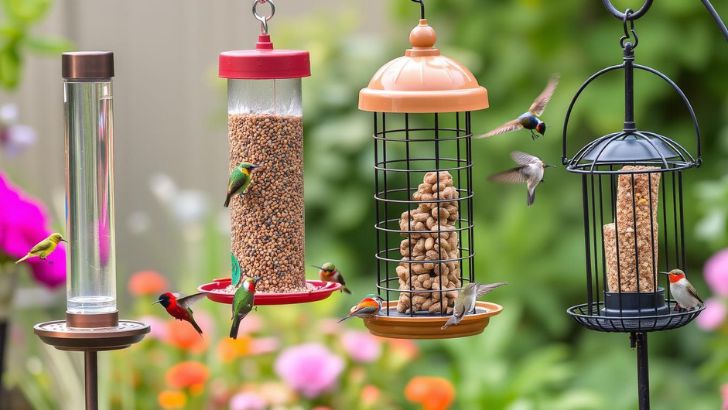
Different birds have distinct food preferences. Customize your homemade bird food to attract specific species to your yard:
| Bird Species | Preferred Foods | Recommended Recipe | Feeder Type |
| Cardinals | Sunflower seeds, safflower seeds, peanuts | Seed blocks, suet with seeds | Platform or hopper feeders |
| Woodpeckers | Suet, peanut butter, insects | Classic suet cakes with extra peanut butter | Suet cage or log feeders |
| Hummingbirds | Nectar (sugar water) | Homemade nectar (4:1 water to sugar) | Nectar feeders with red accents |
| Finches | Nyjer (thistle) seeds, sunflower chips | Seed ornaments with nyjer seeds | Tube feeders with small ports |
| Orioles | Fruits, especially oranges and grape jelly | Fruit kabobs with orange slices | Oriole-specific feeders or platforms |
| Chickadees & Titmice | Black oil sunflower seeds, suet, peanuts | Suet cakes with sunflower seeds | Tube feeders, suet cages |
| Bluebirds | Mealworms, suet with fruit | Suet with dried mealworms and berries | Specialized bluebird feeders |
Regional Considerations
Birds in your area may have specific preferences based on your region´s native plants and climate. Research local bird species and adjust your homemade food accordingly. Local Audubon chapters or bird watching groups can provide valuable insights into regional feeding preferences.
Frequently Asked Questions
Question 1: How often should I replace homemade bird food?
The replacement schedule depends on the type of food and weather conditions:
- Suet and fat-based foods: Replace every 3-5 days in summer, weekly in winter
- Seed mixes: Replace if they become wet or show signs of mold (typically every 2-3 days in wet weather)
- Fruit offerings: Remove and replace daily, especially in warm weather
- Hummingbird nectar: Change every 2-3 days in hot weather, every 5 days in cooler weather
Always discard any food that shows signs of mold, discoloration, or unusual odor, regardless of how recently it was put out.
Question 2: Can I use kitchen scraps for bird feeders?
Some kitchen scraps are suitable for birds, while others should be avoided:
Safe kitchen scraps for birds:
- Unsalted, unbuttered, plain cooked rice or pasta (in small amounts)
- Fruit and vegetable scraps (apple cores, melon rinds, etc.)
- Crushed eggshells (baked at 250°F for 20 minutes to sterilize)
- Unsalted, unseasoned cooked meat scraps (in small amounts)
Kitchen scraps to avoid:
- Anything moldy or spoiled
- Salted, seasoned, or buttered foods
- Bread or baked goods (low nutritional value)
- Milk products or greasy foods
When offering kitchen scraps, do so in moderation and only as a supplement to more nutritious homemade or commercial bird foods.
Question 3: How to prevent squirrels from stealing bird food?
Squirrels can be persistent, but these strategies can help protect your bird food:
Recipe modifications:
- Add hot pepper (cayenne or crushed red pepper) to seed mixes and suet recipes – birds can´t taste the heat, but squirrels dislike it
- Use safflower seeds in recipes, which many squirrels don´t prefer
Feeder strategies:
- Use squirrel-proof feeders with weight-activated mechanisms
- Install baffles above hanging feeders or below pole-mounted feeders
- Position feeders at least 10 feet away from jumping points like trees or roofs
- Mount feeders on smooth metal poles that squirrels can´t climb
Distraction technique: Set up a separate feeding station with inexpensive corn or peanuts specifically for squirrels, positioned away from your bird feeders.
Start Feeding Your Backyard Birds Today
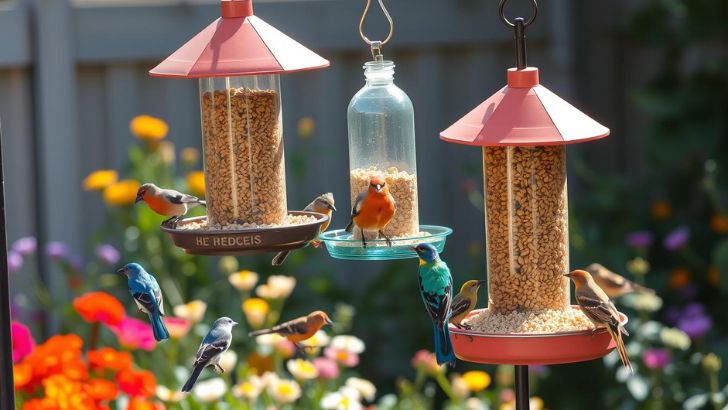
Making your own bird food is a rewarding way to connect with nature while providing nutritious options for your feathered visitors. Following the recipes and guidelines in this guide will allow you to create a bird-friendly environment that supports local wildlife throughout the year.
Consistency is key when feeding birds. Birds will come to rely on your feeders as part of their foraging routine, especially during challenging weather conditions. Maintain a regular feeding schedule and keep feeders clean to ensure the health and wellbeing of your backyard birds.
Whether you´re an experienced bird enthusiast or just getting started, homemade bird food offers an economical and customizable alternative to commercial options. Start with one or two simple recipes and expand your offerings as you learn more about the specific birds in your area.