

As dog owners, we always want our furry friends to be happy and healthy. However, dogs can’t tell us when they feel unwell. Therefore, it´s crucial to recognize the signs of sickness in dogs. Understanding these signs allows us to take prompt action. This can potentially save your dog´s life. We will guide you through the common indicators that may signal illness and when to seek veterinary care.

Recognizing the Signs of Illness in Dogs
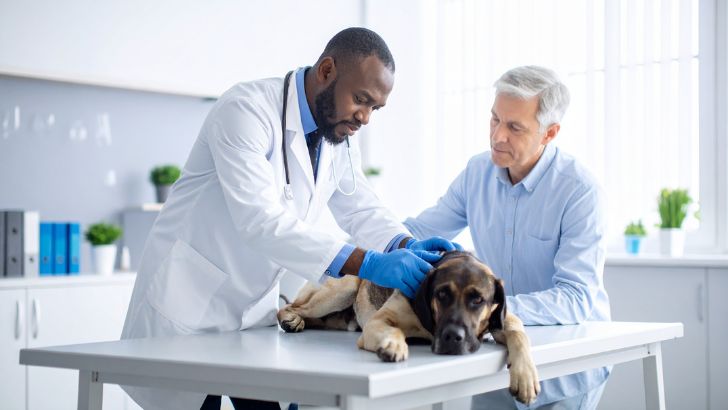
Dogs can´t tell us when they are sick. Therefore, it´s our responsibility to spot the signs. Knowing common symptoms and behavior changes helps us catch health problems early.
Common Symptoms to Watch For
Dogs exhibit different signs when they´re not feeling well. Some common ones include:
- Vomiting or diarrhea
- Loss of appetite
- Changes in water intake
- Coughing or wheezing
- Discharge from the eyes or nose
These signs can indicate many things, such as stomach problems or breathing infections. If you see any of these, watch your dog closely. If the signs persist, see a vet.
| Symptom | Possible Indication |
|---|---|
| Vomiting | Gastrointestinal issue, infection, or food poisoning |
| Diarrhea | Gastrointestinal issue, dietary indiscretion, or infection |
| Loss of Appetite | Illness, dental issue, or stress |
Behavioral Changes We Should Note
Behavior changes are just as important as physical signs. Watch for:
- Lethargy or depression
- Anxiety or restlessness
- Changes in sleep patterns
- Increased clinginess or isolation
As one veterinarian states,
“Behavior changes are often the first sign that something is amiss with a dog´s health.”
By observing closely and recognizing illness signs, we can help our dogs get better and stay healthy.
The Importance of Regular Vet Check-Ups
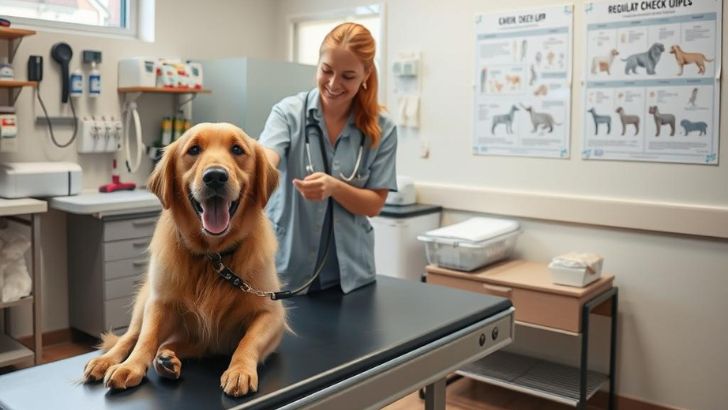
Regular vet visits are key to keeping our dogs healthy. They help identify problems early. These visits also allow our vet to offer advice tailored to our dog´s specific needs and lifestyle.
By taking our dog for regular check-ups, we can catch health issues early. This helps our dog live a better life and may even extend their lifespan.
Recommended Frequency for Check-Ups
The timing of vet visits depends on your dog´s age, current health, and lifestyle. Puppies need several visits in their first year for growth checks and vaccinations. Senior dogs might need more frequent visits for age-related health issues.
A healthy adult dog should see the vet at least once a year. However, it´s sensible to consult with a vet to determine the best schedule for your dog.
What Happens During a Routine Exam?
During a routine veterinary exam, the vet thoroughly checks your dog´s health. They check vital signs, body condition, and look for any signs of illness. The vet also updates vaccinations and provides care like parasite control.
It´s an opportunity to discuss your dog´s health or behavior. Working together with your vet guarantees your dog receives the best care.
Understanding Canine Body Language

Watching and understanding your dog´s body language is critical. Dogs primarily communicate through their body postures and facial expressions. These signs can inform us about how they feel and whether they are sick.
Signs of Discomfort in Dogs
Dogs display discomfort or pain in certain ways. They may lower their head or tail, or avoid excessive movement. This is because they are trying to prevent further self-harm.
Some common signs of discomfort include:
- Yawning or lip-licking when not eating
- Pacing or restlessness
- Avoiding eye contact or hiding
- Changes in appetite or water intake
How We Can Read Their Expressions
Reading a dog´s expressions means examining their face and body. A relaxed dog has a soft face, while a stressed dog appears tense.
To understand canine body language, let´s look at some key cues:
| Body Language Cue | Possible Interpretation |
|---|---|
| Tail wagging | Excitement or happiness |
| Ears laid back | Fear or submission |
| Direct stare | Assertiveness or challenge |
By noticing these signs and understanding their meanings, we can identify health problems in our dogs sooner.
Monitoring Our Dog´s Vital Signs
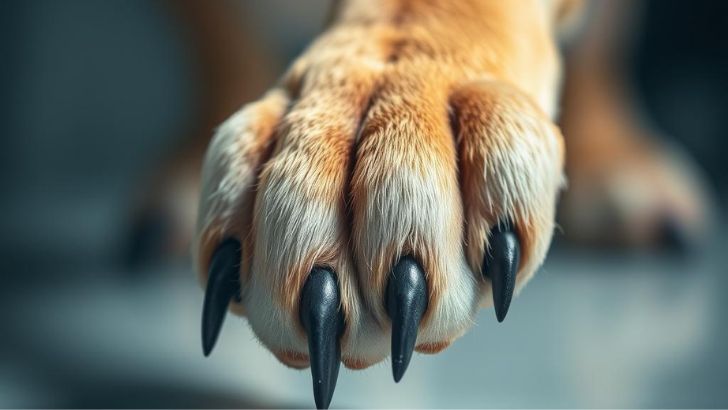
As dog owners, it´s key to monitor our pets´ vital signs. This aids in the early identification of health problems. We can then discuss these observations with our vet.
Normal Temperature Range
A dog´s body temperature should be between 100 and 102.5 degrees Fahrenheit. If it´s higher or lower, it might indicate illness. Use a pet-specific rectal thermometer to check their temperature.
Heart Rate: What We Need to Know
A dog´s heart rate provides valuable information about their health. The rate varies depending on the dog´s size. Smaller dogs usually have a faster heart rate than larger ones.
| Dog Size | Normal Heart Rate (beats per minute) |
|---|---|
| Small Dogs | 100-160 |
| Medium Dogs | 70-110 |
| Large Dogs | 60-90 |
Respiratory Rate Basics
The respiratory rate is the number of breaths a dog takes in a minute. It should be between 10 and 30 breaths. If higher, it may indicate respiratory issues or other health problems.
By keeping an eye on these vital signs, we can help our dogs stay healthy. This way, we can ensure they get the care they need promptly.
Changes in Appetite and Water Intake
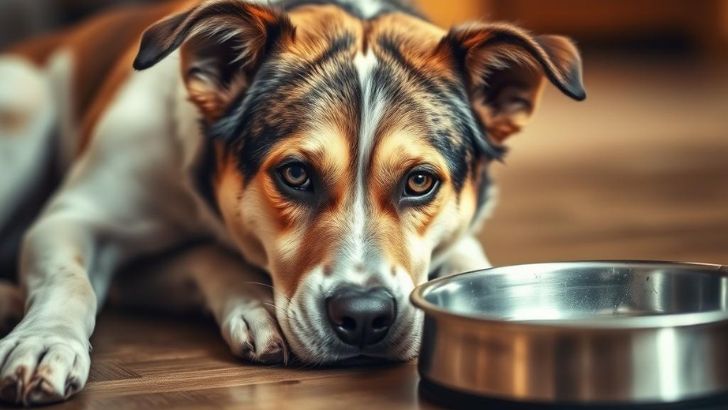
Changes in your dog´s eating habits or drinking patterns can be significant health indicators. A decrease or increase in appetite or thirst can signal various underlying conditions. These can range from dental issues to more serious diseases, such as diabetes or kidney disease.
Learn more ways to monitor your dog’s health: dog fever symptoms, dog coughing at night, dog diarrhea causes
Reasons for Loss of Appetite
Loss of appetite in dogs can be caused by different factors. These include dental issues, gastrointestinal problems, or even stress. It’s vital to monitor your dog´s eating habits closely to identify any changes early on.
Some common reasons for a decrease in appetite include:
- Dental problems, such as gum disease or tooth abscesses
- Gastrointestinal issues, like gastritis or inflammatory bowel disease
- Infections or systemic diseases
- Medication side effects
- Stress or anxiety
| Condition | Possible Causes | Symptoms to Watch For |
|---|---|---|
| Dental Issues | Gum disease, tooth abscesses | Bad breath, pawing at the mouth |
| Gastrointestinal Problems | Gastritis, inflammatory bowel disease | Vomiting, diarrhea, loss of appetite |
| Infections or Systemic Diseases | Bacterial or viral infections | Fever, lethargy, loss of appetite |
Increased or Decreased Thirst Signs
Changes in water intake can also be a significant indicator of health concerns. Increased thirst can be a sign of diabetes, kidney disease, or other conditions affecting your dog´s ability to regulate fluids.
Some signs to look out for include:
- Increased frequency of urination
- Accidents in the house
- Visible signs of dehydration, such as dry gums or excessive panting
By monitoring these changes and understanding their potential causes, you can take proactive steps. This ensures your dog receives the necessary care.
Lethargy and Changes in Energy Levels

A change in your dog´s energy level can be a significant indicator of their health. As dog owners, paying attention to these changes is essential. We need to understand their implications.
Dogs´ energy levels can fluctuate throughout the day. However, it´s a concern if your dog´s energy levels remain different for a prolonged period. For example, if your active dog is now tired, or if a typically calm dog is unusually energetic, it´s time for a check-up.
Differentiating Between Tiredness and Illness
Distinguishing between tiredness and illness in dogs is important. Dogs get tired from a long day or strenuous play, but persistent tiredness isn´t normal.
Signs that might signify illness, rather than simple tiredness, include:
- Lack of interest in activities they usually enjoy
- Changes in appetite or water intake
- Difficulty in getting up or navigating stairs
Activities That May Indicate Problems
Interacting with your dog helps you to observe their condition. If they show a lack of interest in playing, or can´t keep up, it´s a sign of trouble.
For instance, if your dog is reluctant to go for walks or to play, or if they tire easily, that´s a warning sign.
| Behavior | Normal | Concerning |
|---|---|---|
| Energy Level | Varies by dog and activity level | Persistent lethargy or hyperactivity |
| Interest in Activities | Participates with enthusiasm | Lack of interest or engagement |
| Appetite and Water Intake | Normal eating and drinking habits | Changes in appetite or thirst |
As the table shows, monitoring changes in behavior, appetite, and activity is essential. It helps identify health problems early.
Experts also have insights on dog health:
“Changes in a dog´s behavior or energy level can often be the first sign of an underlying medical issue. Early detection and intervention can significantly improve outcomes.”
Gastrointestinal Issues to Observe
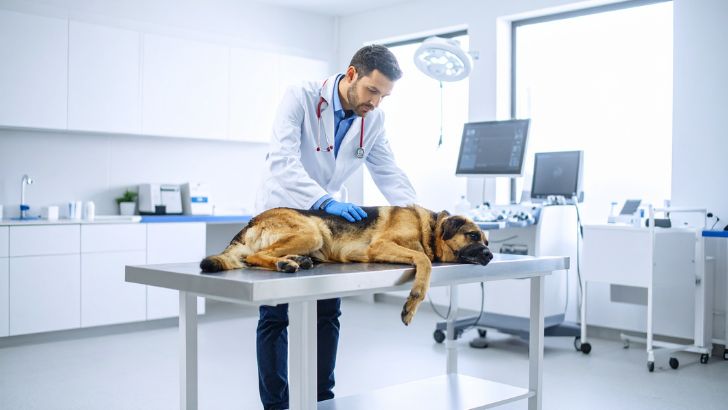
Monitoring your dog´s gastrointestinal health is crucial. Issues here can cause discomfort and may lead to serious health problems. Understanding the signs is the first step in providing your dog with the necessary care.
Symptoms of Doggie Digestive Distress
Dogs with digestive issues may display several symptoms. These include:
- Diarrhea or loose stools
- Vomiting or regurgitation
- Loss of appetite
- Abdominal pain or discomfort
- Bloating or gas
These symptoms can vary in severity and duration. It´s essential to monitor them closely to determine the best course of action.
What Diarrhea and Vomiting Can Indicate
Diarrhea and vomiting are common signs of GI issues in dogs. While occasional instances might not be a significant concern, persistent or severe cases can result in dehydration and other complications.
It´s important to recognize that these symptoms can suggest different issues, involving both dietary problems and infections, or even serious conditions like inflammatory bowel disease.
Skin and Coat Health Matters
A dog´s skin and coat provide significant insight into their health. Issues like dermatitis, allergies, or a dull coat can indicate an underlying problem, signifying the need for attention.
Healthy skin and a shiny coat represent far more than just aesthetics. They are indicators that your dog is healthy. We should often check their skin and coat for any indications of change.
Signs of Dermatitis or Allergies
Dermatitis and allergies can cause significant discomfort for our dogs. Look out for:
- Excessive scratching or chewing at the skin
- Redness or inflammation of the skin
- Presence of rashes or hot spots
- Changes in coat color or texture
These signs can stem from various causes, including allergies or skin contact issues. If you notice these signs, consult a veterinarian. They can identify the source and offer effective solutions.
Nail and Paw Health Observations
Our dogs’ nails and paws are critical for their overall well-being. Issues in these areas can cause pain and impede their mobility. Observe for:
- Overgrown, brittle, or broken nails
- Cracked, cut, or inflamed paw pads
- Swelling or redness between the toes
- Limping or reluctance to walk
Maintaining regularly trimmed nails and inspecting the paws can prevent complications. If you observe anything unusual, seek veterinary advice. They can effectively address the issue.
By monitoring your dog´s skin, coat, nails, and paws, you can catch health problems early. This ensures they receive the necessary care.
Understanding Respiratory Symptoms
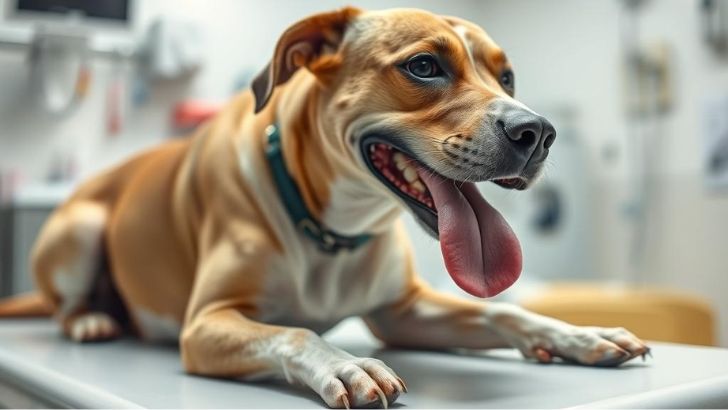
Dogs can´t communicate when they feel unwell, so it´s essential for us to recognize the signs of respiratory problems. Symptoms like coughing, wheezing, or nasal discharge can suggest various underlying issues. As dog owners, understanding these symptoms is essential for the well-being of our pets.
Signs of Coughing or Wheezing
Coughing and wheezing are frequent indicators of health challenges in dogs. A persistent cough might signify a respiratory infection. Wheezing could indicate asthma or another chronic condition. We should closely observe these symptoms and seek veterinary attention if they don´t improve.
It´s significant to differentiate between a simple cough and a serious respiratory issue. For example, a dry, hacking cough may be kennel cough. Conversely, a wet, productive cough could signify pneumonia. Wheezing often indicates problems in the lower respiratory tract.
When to Worry About Nasal Discharge
Nasal discharge is a symptom that warrants our attention. The color and consistency of the discharge can reveal much about your dog´s health. Clear discharge might be associated with allergies or a mild irritation, but yellow or green discharge could indicate a bacterial infection.
We should also look out for other symptoms, like sneezing, snorting, or difficulty breathing. If your dog exhibits any of these signs, seek immediate veterinary care. Early treatment can greatly improve your dog´s health and recovery.
By being vigilant and grasping respiratory symptoms, we can better care for our dogs. This ensures they receive the necessary medical help when they need it.
Recognizing Pain in Dogs

Dogs often conceal their pain, so we must look for more subtle changes in their behavior. Recognizing these signs is key to helping our dogs feel better and maintain their comfort.
Several indicators can help us recognize pain in dogs. One of the most obvious sign is vocalization.
Vocalization as a Pain Indicator
Dogs may whine, whimper, or howl when they are experiencing pain. This can serve as a direct indication of discomfort or anxiety. It´s important to differentiate between normal sounds and those indicating pain.
Monitoring the tone and volume of their sounds can help us understand the severity of their pain. If their vocalizations undergo sudden changes, it´s wise to evaluate their health.
Other Signs Our Dog May Be Hurt
Aside from vocalization, dogs can display pain through changes in movement, eating habits, and physical appearance. They might also have a tense or worried facial expression.
Recognizing these signs takes vigilance and an understanding of what is normal for your dog. By careful observation, you can identify issues early and seek the help they need.
It´s important to understand common dog health issues and how to tell if your dog is sick. Recognizing pain is a critical aspect. It enables us to react promptly when our dogs aren´t feeling their best.
The Role of Age in Dog Health
As dogs age, their health needs change. Knowing the signs of sickness in older dogs is very important. Aging affects their bodies differently, and understanding these changes helps us provide better care.
Common Ailments in Senior Dogs
Senior dogs frequently face health issues like arthritis, dental problems, and cognitive decline. Arthritis can cause discomfort and affect mobility. Regular vet visits are essential for catching these problems early.
It´s also vital to watch for signs of pain or distress. Look for changes in appetite or an increase in irritability. As one veterinary expert said,
“As dogs age, their owners need to be more observant of changes in their behavior and physical condition. Early detection of health issues can significantly improve the quality of life for senior dogs.”
Adjusting Care as Our Dog Ages
As dogs age, their care needs must also adapt accordingly. We might need to modify their diet, exercise routine, and living environment. For example, older dogs may require more gentle exercise than before.
It is also crucial to take into account their mental health. Interactive toys or gentle training can keep their minds sharp.
Understanding how age affects dog health and implementing appropriate adjustments can help our senior dogs live better lives. We can ensure they remain comfortable and maintain their quality of life.
When to Seek Immediate Veterinary Care
Knowing when to take your dog to the vet can potentially save their life. It´s important to monitor changes in their behavior and health closely.
Life-Threatening Symptoms
Some symptoms require immediate medical intervention. Look out for difficulty breathing, severe vomiting, or diarrhea. If you observe any of these, transport your dog to the vet immediately.
Assessing the Need for Urgent Care
If your dog displays severe symptoms, act quickly. Monitor their vital signs and overall health. This allows you to be prepared for emergencies.
FAQ
How can we tell if our dog is sick?
We can tell if our dog is sick by observing for signs like a loss of appetite. Additionally, watch for changes in water intake, vomiting, diarrhea, and lethargy. Any modifications in their typical habits or physical condition are also important.
What are the signs of discomfort in dogs?
Signs of discomfort in dogs include alterations in body language. Look for tail tucking, avoidance of eye contact, or anxiety. This may include behaviors such as pacing or panting.
How often should we take our dog for a vet check-up?
The frequency of vet visits depends on your dog´s age, health, and lifestyle. Generally, dogs need yearly check-ups. However, senior dogs or those with health conditions might require more frequent visits.
What happens during a routine vet exam?
During a routine exam, the vet checks your dog´s health thoroughly. They assess signs of illness or health risks and then provide advice based on your dog´s specific needs.
How can we monitor our dog´s vital signs?
We can check a dog´s vital signs like temperature, heart rate, and respiratory rate. Normal ranges differ based on age, size, and breed. A normal temperature ranges from 100°F to 102.5°F. A normal heart rate is between 70 and 120 beats per minute. A normal respiratory rate is between 10 and 30 breaths per minute.
What do changes in appetite and water intake indicate?
Changes in appetite or water intake can each indicate different conditions. They may signal dental problems or potentially signal serious diseases like diabetes or kidney disease.
How can we differentiate between tiredness and illness in our dog?
We can differentiate between tiredness and illness by observing your dog´s behavior and energy. If they are consistently lethargic or display other symptoms, such as appetite loss or vomiting, it could be due to illness.
What are the signs of gastrointestinal issues in dogs?
Signs of gastrointestinal issues in dogs include diarrhea, vomiting, loss of appetite, or abdominal pain. These symptoms can signal digestive distress or serious conditions.
When should we seek immediate veterinary care?
You should seek immediate veterinary care if your dog exhibits emergency symptoms. This includes severe vomiting or diarrhea, difficulty breathing, severe pain, or sudden collapse.
How does our dog´s age affect their health?
As our dog ages, their health needs change. Consequently, senior dogs encounter particular health challenges. Their care needs to be adjusted to keep them comfortable and healthy.
What are common ailments in senior dogs?
Senior dogs often experience ailments like arthritis, dental issues, kidney disease, and cognitive decline. Regular vet check-ups can aid in the early detection of these issues.