
Establishing the correct cat feeding schedule is crucial for your cat´s health and happiness, as a well-structured feeding routine greatly impacts their overall well-being. We will examine the rationale behind a consistent feeding routine and provide tools to create a personalized feeding plan tailored to your cat´s individual needs. Understanding optimal feeding times for your cat can significantly contribute to their health and happiness.
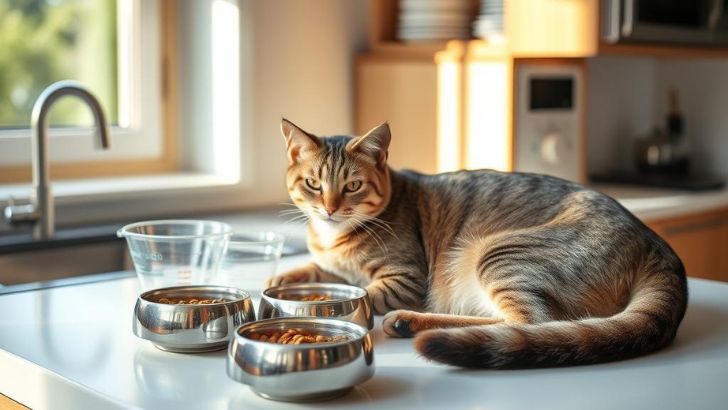
Understanding Your Cat´s Nutritional Needs

To identify the best times to feed your cat, it is essential to first understand their specific nutritional requirements. These needs are subject to change based on age, health status, and lifestyle factors.
The Importance of a Balanced Diet
A balanced diet is fundamentally important for your cat´s well-being, providing the necessary nutrients, vitamins, and minerals. A well-balanced diet supports maintaining a healthy weight, providing energy, and ensuring the correct functioning of their bodily organs.
Nutritional Components: Cats require high-quality protein, a moderate amount of fat, and a limited amount of carbohydrates. They also need taurine, vitamin A, and arachidonic acid to support heart, vision, and skin health.
Recognizing Signs of Hunger
Knowing when your cat is hungry is an important aspect of establishing a good feeding routine. Cats exhibit various signs of hunger, such as meowing, pawing at where food is stored, or exhibiting restlessness.
- Meowing or vocalizing to indicate hunger.
- Pawing at cabinets or areas where food is normally stored.
- Restlessness or pacing around the house.
How Age Affects Feeding
A cat´s age directly influences their feeding requirements, with kittens, adult cats, and senior cats each having unique needs.
| Age Group | Nutritional Needs | Feeding Frequency |
|---|---|---|
| Kittens (0-12 months) | High protein, high energy | 3-4 times a day |
| Adult Cats (1-7 years) | Balanced diet, moderate energy | 2 times a day |
| Senior Cats (8+ years) | Lower energy, joint support | 2 times a day, consider easier-to-digest foods |
Understanding these factors will assist you in creating a feeding plan specifically tailored to your cat´s needs, which ensures they remain healthy and happy.
Establishing a Cat Feeding Schedule
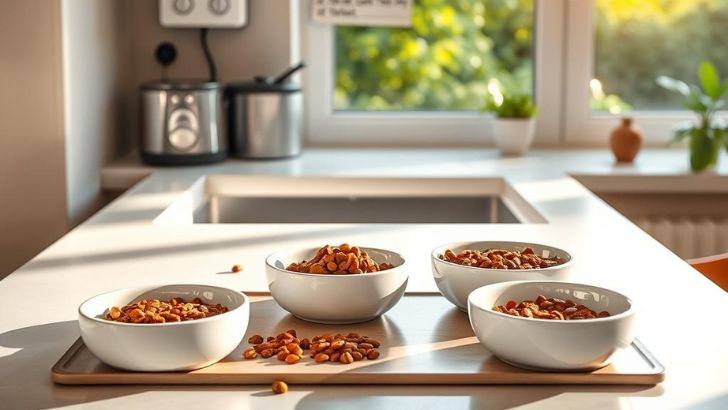
Setting up a cat feeding schedule directly contributes to your cat´s overall health. It ensures a regular digestive system and guarantees they receive the required nutrients, essential for their overall well-being.
Factors to Consider
Several elements influence your cat´s feeding schedule, including their age, breed, and lifestyle, playing a significant role. For example, kittens must eat more frequently than adult cats, and very active cats may also require more food.
Consider your cat´s metabolism and activity level, as cats with faster metabolisms or high activity levels might need more frequent or larger portions.
Sample Feeding Timelines
Feeding schedules for cats can vary. Here are some general guidelines:
- Kittens (under 6 months): 3-4 times a day
- Adult cats: 2-3 times a day
- Senior cats: 2 times a day, with potential adjustments based on health conditions
Adapting to Your Cat´s Routine
It is crucial to observe and adjust the feeding schedule to align with your cat´s routine. Observe your cat´s reaction to the schedule, making necessary adjustments to meet their nutritional needs.
By considering these factors and adapting to your cat´s needs, you can establish a personalized feeding schedule that supports their health and well-being.
Types of Cat Food
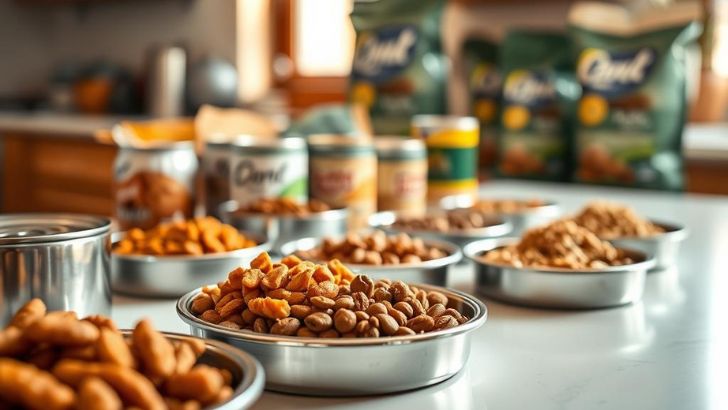
Understanding the different types of cat food is crucial to making informed choices for your cat. Numerous options are available, therefore, consider what is best suited for your cat´s diet.
Dry vs. Wet Food
The debate between dry and wet cat food continues. Dry food offers ease of use and contributes to dental health by reducing tartar. Wet food, on the other hand, typically contains a higher protein and moisture content, benefiting urinary health and hydration.
“Cats are different, and what´s good for one might not be for another,” says a top vet. “Some cats love dry food, while others prefer wet or a mix of both.”
Understanding Nutritional Labels
Nutritional labels on cat food can be complex, yet they provide essential information. Look for labels indicating that the food meets AAFCO standards and confirm that high-quality protein sources are listed first.
- Assess the protein content to ensure it aligns with your cat´s requirements.
- Be aware of fillers and byproducts that might not be beneficial.
- Consider your cat´s life stage and lifestyle when selecting the appropriate formula.
Choosing the Right Formula
Selecting the appropriate cat food formula depends on your cat´s age, health status, and lifestyle factors. For example, kittens need more protein and calories than adult cats. Senior cats might benefit from food formulated to support healthy joints.
When determining cat food portion sizes, think about your cat´s weight, activity level, and the food´s caloric content, always following the manufacturer´s guidelines as a starting point, and making adjustments based on your cat´s overall health.
The Role of Age in Feeding

Understanding how age affects feeding is essential for maintaining your cat´s health. Cats undergo significant life changes as they transition from kittens to adults and then to seniors. Their dietary requirements change drastically during these stages.
Kittens: Starting Off Right
Kittens require a high intake of nutrients to support their rapid growth and development. Nutritional needs are at their highest during the first few months of life. Therefore, selecting a high-quality kitten food rich in protein and calories is crucial.
“Kittens need to be fed 3-4 times a day until they are about six months old,” many vets say.
Adult Cats: Maintenance and Health
As cats mature, their diet shifts from growth to maintenance, focusing on health and well-being. Adult cat food provides the appropriate nutrients required to manage weight and maintain overall health. Monitoring your cat´s weight and adjusting food portions accordingly is essential. Adult cats typically eat twice a day.
Senior Cats: Special Considerations
As cats get older, their metabolism naturally decreases, and their dietary needs change again. Senior cat food supports joint health and digestion. Senior cats may require fewer calories but more specific nutrients and may need to eat smaller, more frequent meals.
By understanding and adjusting to these age-related dietary needs, cat owners can improve their cat´s quality of life and lifespan.
Portion Control for Cats
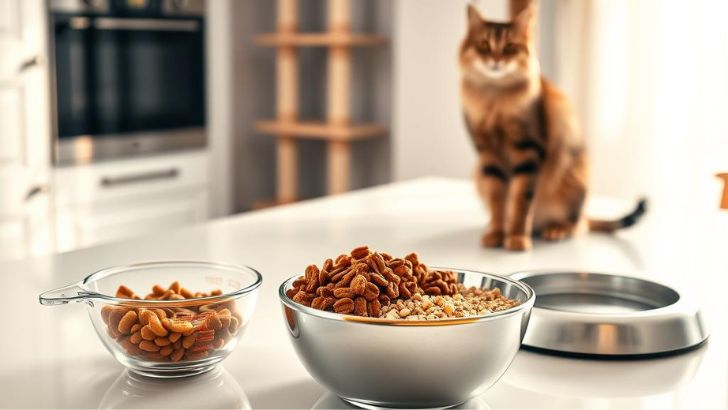
Adopting and maintaining proper portion control is important for a cat´s health. This extends beyond mere measurement of food amounts but also involves understanding your cat´s overall feeding needs, which can differ between indoor and outdoor cats.
Learn more about feeding your cat right: homemade cat food, best cat food for indoor cats, can cats eat human food
How to Measure Proper Portions
Accurate food portion measurement is crucial. Start by consulting the feeding guidelines printed on your cat food. These typically recommend a daily amount based on your cat´s weight, but remember that these are only starting points. You may need to modify them based on your cat´s specific age, activity level, and individual needs.
- Utilize a measuring cup to portion out your cat´s meals.
- Consider using a digital scale for greater accuracy.
- Divide the daily ration into the number of meals you plan to feed your cat.
Signs of Overfeeding
Overfeeding can lead to obesity, a significant health concern for cats. Recognizing the signs of overfeeding is important for keeping your cat healthy.
- Weight gain: Monitor your cat´s weight regularly.
- Lack of energy: Overweight cats might become less active.
- Difficulty in movement: Obese cats may have trouble jumping or climbing.
If you observe any of these signs, it is time to evaluate your cat´s feeding schedule and portion sizes.
Adjusting Portions for Activity Level
Cats with different activity levels require different amounts of calories. For instance, indoor cats need fewer calories than outdoor cats because they are less active.
- For highly active cats, consider increasing their food portions.
- For less active or senior cats, reduce their daily caloric intake.
Adjusting portion sizes based on your cat´s activity level will ensure they get the proper nutrients without overeating.
Feeding Techniques that Work
To improve mealtimes for your cat, explore different feeding methods. An optimal cat feeding schedule relies on more than just the when, but also the how. Proper techniques can help make your cat´s meals more enjoyable while keeping them healthy.
Using Slow Feeders
Slow feeders discourage cats from eating too quickly, hence reducing the possibility of choking and helping with digestion. “Slow feeders mimic the natural foraging behavior of cats, making mealtime more engaging and stimulating,” says a renowned animal behaviorist. Slow feeders help make eating healthier and more fun for your cat.
Interactive Feeding Toys
Interactive toys require your cat to work for their food, contributing to their mental stimulation while also slowing down their eating. Various options, like puzzle feeders and treat-dispensing toys are available. These toys make meals more fun and help prevent boredom. Adding them to your optimal cat feeding schedule can greatly improve your cat´s dining experience.
Establishing a Calm Feeding Environment
A quiet feeding area is vital for your cat´s comfort. Ensure it is in a low-traffic area and free from distractions. Keeping the feeding spot consistent helps establish a secure routine for your cat. As International Cat Care advises, establishing a calm place to eat can greatly improve your cat´s mealtimes.
Employing these feeding methods can improve mealtimes, making them less stressful for your cat. Remember that every cat is different; you may need to experiment to find what works best for your pet. An optimal cat feeding schedule and appropriate feeding techniques create a happier and healthier cat.
Dealing with Multiple Cats

Feeding multiple cats needs careful planning to ensure the prevention of conflict and that each cat receives the proper nutrition. Managing the timing and quantities of meals can be complex when multiple cats are vying for food.
Feeding Stations and Schedules
Setting up separate eating spaces for each cat reduces the likelihood of conflicts and stress during mealtimes. It is smart to have different eating areas so each cat can eat without feeling threatened. A cat feeding schedule is also very important and should match each cat´s age, size, and activity level.
For instance, you can feed each cat at slightly different times or in different rooms. This allows you to monitor food intake and prevent food theft.
| Cat Name | Feeding Time | Food Type |
|---|---|---|
| Whiskers | 8:00 AM | Dry Food |
| Mittens | 8:15 AM | Wet Food |
| Fluffy | 8:30 AM | Dry Food |
Monitoring Individual Intake
Observing each cat´s food consumption is crucial to ensuring they are receiving the correct nutrition because of monitoring food portioning as each cat eats. If a cat leaves their food unfinished, it could mean they’re eating too much, or that the food isn’t to their liking.
Preventing Food Aggression
Food aggression is common in homes with multiple cats. To address this, feed cats in different locations and prevent them from eating near each other. If the aggression continues, consider consulting a vet or animal behaviorist for help.
Using these tips helps to make the mealtime experience a positive one for your cats, ensuring they receive the required nourishment, without the stress of conflict.
Understanding Cat Behavior During Feeding
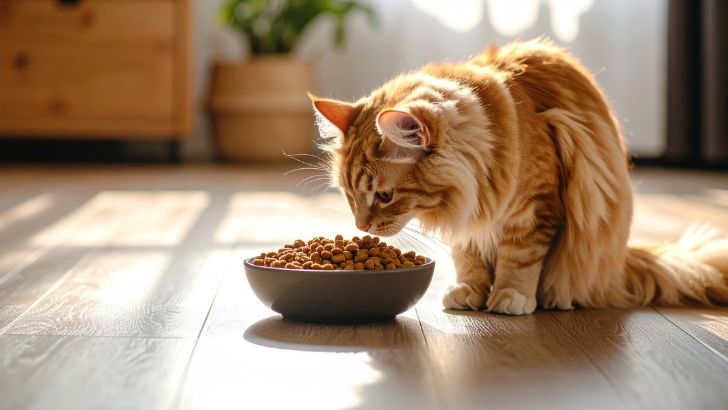
Mealtimes are more than a simple meal, instead, they provide insights into your cat´s behavior and overall well-being. By understanding your cat´s feeding behavior, you can create a more peaceful and stress-free dining experience.
Common Feeding Rituals
Cats commonly develop unique feeding rituals, insightful and captivating aspects of their daily routines. Some cats vocalize loudly before meals, whereas others pace or exhibit specific behaviors around their feeding area. Recognizing these rituals can allow you to understand your cat´s preferences.
For instance, some cats may prefer eating in quiet, secluded areas, while others may enjoy the company of their owners during meals. Observing these distinct preferences can guide you in establishing an ideal feeding environment.
Recognizing Stress Signals
Similar to humans, cats can also experience stress during feeding. Indicators of stress can include accelerated eating, leaving food uneaten, or aggressive behavior in the feeding area. Identifying these stress signals early on can help address the root cause and create a more relaxed atmosphere during mealtimes.
Common stressors include changes in the environment, the presence of other pets, or even the type of food served. Being aware of these potential stressors helps you to mitigate their impact.
Tips for Reducing Anxiety
Decreasing anxiety during feeding can significantly enhance your cat´s dining experience. One effective strategy includes establishing a consistent feeding schedule, which helps provide a sense of security and predictability.
Employing slow feeders or interactive feeding toys can make mealtimes more enjoyable and stimulating, potentially lowering stress and preventing boredom. Ensuring that your cat has a quiet and comfortable space to eat is also crucial.
- Maintain a consistent feeding schedule.
- Use slow feeders or interactive toys.
- Provide a quiet and comfortable eating space.
By implementing these strategies and understanding your cat´s feeding behavior, you can significantly improve their overall well-being and happiness.
Supplements: Do They Help?

Understanding the role of supplements in your cat´s diet is crucial. This understanding will help you make informed choices. We will explore the different ways supplements may impact your cat´s health.
Types of Supplements Available
Various supplements for cats are available, each designed to address specific needs. Some common ones include:
- Vitamin supplements for addressing nutritional deficiencies.
- Omega-3 fatty acids to promote healthier skin and coat.
- Probiotics to support digestive health.
- Joint supplements, beneficial for older cats or those with arthritis.
When to Consider Supplements
Not every cat requires supplements, but they may offer benefits to some. You might want to consider supplements if your cat:
- Has a diagnosed nutritional deficiency.
- Is on a restricted diet.
- Is experiencing health issues that could be improved by supplementation.
Always consult with your veterinarian before beginning any new supplements.
Consulting with Your Veterinarian
Consulting with your veterinarian before adding supplements is important. They have the expertise to:
- Determine if supplements are needed.
- Recommend the right type and brand of supplement.
- Understand the potential interactions with other medications.
Your vet can provide tailored advice based on your cat´s health and individual needs.
Supplement Type Purpose Potential Benefits
| Supplement Type | Purpose | Potential Benefits |
|---|---|---|
| Vitamin Supplements | Fill nutritional gaps | Ensures overall nutritional balance |
| Omega-3 Fatty Acids | Skin and coat health | Improves coat condition and reduces shedding |
| Probiotics | Digestive health | Supports healthy gut bacteria and digestion |
By gaining knowledge about different supplements and discussing them with your vet, you can make well-informed selections regarding your cat´s diet, ensuring they receive the best care possible.
Health Check: When to Reassess
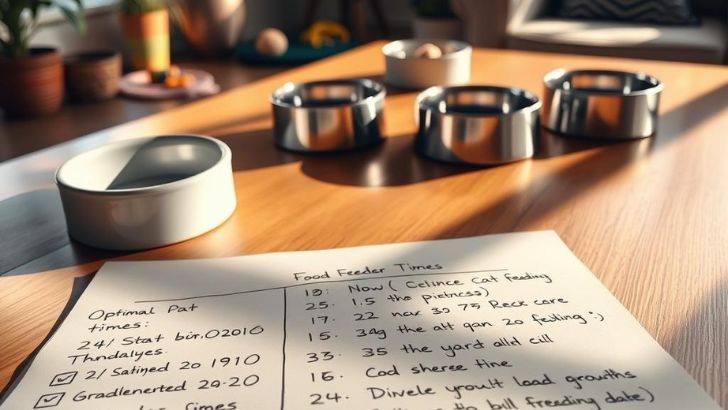
Closely monitoring your cat’s health helps with early detection of possible issues. As your cat ages or their lifestyle changes, their dietary needs may evolve. This can involve modifying the frequency of feedings.
Signs Your Cat Needs a Diet Change
There are observable indications that your cat may require a dietary change. Watch for:
- Unexplained weight loss or gain.
- Changes in appetite or water consumption.
- Dull coat or skin problems.
- Digestive issues like diarrhea or constipation.
If you spot any of these signs, consult your vet for guidance.
Regular Vet Visits: Importance of Check-ups
Consistent vet visits are fundamental for your cat´s health. These visits allow your vet to:
- Check your cat´s overall health and detect potential issues early on.
- Guide you on the appropriate feeding frequency based on your cat´s age, health, and lifestyle.
- Suggest adjustments to cat food portion sizes if necessary.
Working with your vet ensures your cat gets the nutrients they require to stay healthy.
Tracking Weight and Feeding Habits
Maintaining records of your cat´s weight and eating habits is important. Consider:
- Weighing your cat regularly to observe changes.
- Monitoring their food intake to ensure they are receiving the proper amount.
- Adjusting their feeding schedule as needed to maintain their health.
These monitoring practices help in keeping your cat healthy and happy.
Having regular vet visits, along with monitoring your cat´s health and feeding habits, empowers you to make appropriate dietary decisions, making sure they obtain the best possible care.
Creating a Flexible Feeding Schedule
Building an ideal cat feeding schedule is critical to maintaining its health. A flexible schedule allows you to adjust it according to your cat´s changing needs, thus ensuring their happiness and sustained health throughout their life.
Recognizing the Need for Change
Signs that indicate your cat needs a feeding schedule change include alterations in appetite or weight and potential increases in their overall activity. Observing these signs helps you to determine when to change feeding times.
Transitioning to a New Schedule
When changing their feeding schedule, make the transition gradually. Start with minor adjustments to their feeding times. This allows your cat to gradually get accustomed to your new routine.
Creating a flexible cat meal schedule accommodates their varying nutritional needs and regular monitoring with adjusting their eating according to their age, well-being, and activity is essential.
FAQ
What is the best cat feeding schedule?
The most effective feeding schedule for cats depends on their age, breed, and lifestyle. Most cats thrive with two to three meals a day. Create a routine that aligns with your cat’s needs.
How often should I feed my cat?
Feeding frequency varies by your cat´s age, size, and activity level. Kittens require more frequent feedings, while adult cats tend to thrive with two meals a day.
What are the signs of overfeeding my cat?
Overfeeding can lead to weight gain and obesity. Monitor your cat’s weight, adjusting food portions. Consult your vet to determine an appropriate weight for your cat.
How do I create a cat meal schedule?
Consider your cat´s age, breed, and lifestyle when setting a meal schedule. Split their daily food into 2-3 meals. A consistent routine contributes to their well-being.
Can I feed my cat at any time of day?
Cats can adapt to various feeding times, but a routine is advantageous. Implementing consistent feeding times supports their digestion and overall health.
How much should I feed my cat?
Feeding portions depend on your cat´s age, size, breed, and activity level. Your vet can help you determine appropriate portion sizes. Adjust as needed to maintain your cat´s healthy weight.
What is the optimal cat feeding schedule for indoor cats?
Indoor cats require a balanced diet and organized feeding schedules. Feed them twice daily, adjusting portions to match their activity and overall health.
How do I know if my cat is hungry?
Indicators of hunger include meowing, pawing at food, and restlessness. Understanding your cat´s behavior empowers you to tailor their feeding schedule.
Can I use supplements to enhance my cat´s diet?
Utilizing supplements can be beneficial for cats, but consultation with your vet is essential. They can offer guidance on the most suitable supplements based on your cat’s individual needs.
How often should I reassess my cat´s feeding schedule?
Regular vet visits alongside continuous monitoring of your cat’s weight and eating habits are fundamental. Adjust their feeding schedule as needed and seek veterinary counsel for personalized guidance.