As dog owners, we often seek ways to enhance our pets´ health. The raw food diet for dogs, a popular approach, is often suggested as a means to improve digestion and coat appearance.
However, what does a raw food diet entail, and is it appropriate for your dog? This article examines the advantages and potential disadvantages. It also provides guidance on how to implement a raw food diet for your dog.
How does a raw food diet work for dogs?
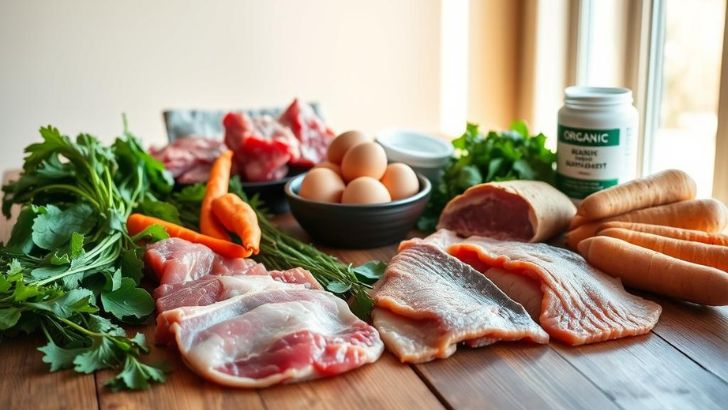
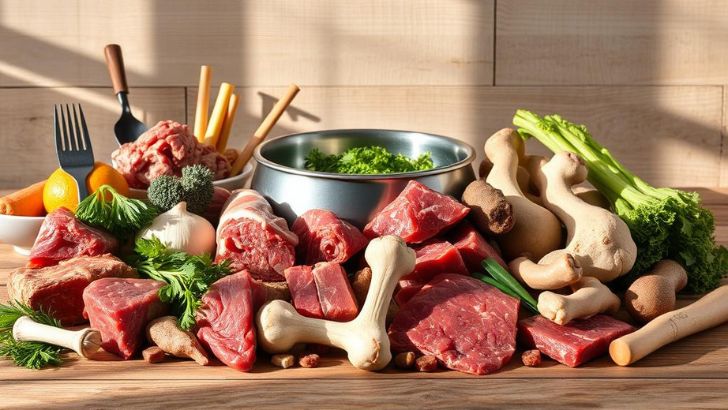
A key element for pet owners is understanding this diet. It includes uncooked meat, bones, fruits, and vegetables, intended to replicate a dog´s natural eating habits as seen in the wild. This diet is believed to provide various health benefits.
Definition of Raw Food Diet
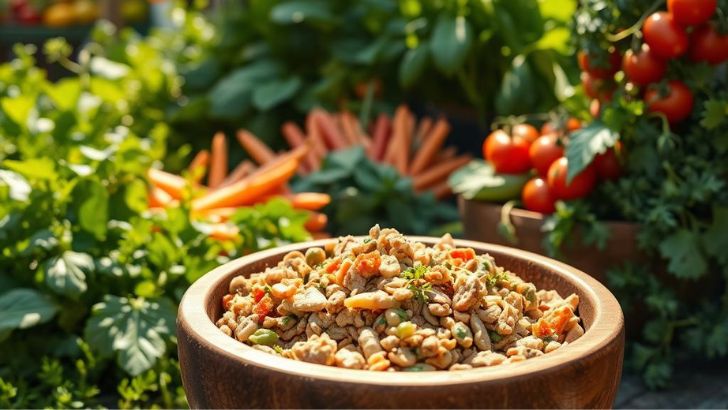
A raw food diet includes uncooked, unprocessed foods. This includes meats (chicken, beef, and fish), organs, and bones. It also incorporates fruits and vegetables, which add essential nutrients.
History of Raw Feeding
The concept of raw feeding is not new, drawing from the natural diets of wild canines. Proponents believe domestic dogs continue to benefit from a diet similar to their wild ancestors. The raw feeding movement grew as owners looked for natural alternatives to commercial dog food.
Common Misconceptions
While some think raw feeding is universal, this isn´t the case. A dog’s needs vary depending on its age, breed, and health condition. There are also concerns about bacteria risks. However, proper food handling can lower this risk.
Benefits of a Raw Food Diet
Switching to a raw food diet can greatly benefit your dog´s health, mirroring the diet of wild canines. It provides a more natural nutritional plan for your pet.
Improved Coat and Skin Health
A primary benefit is improved coat and skin. Raw foods are rich in high-quality protein and fats, leading to shinier coats and healthier skin.
- A healthier coat with reduced shedding
- Improved skin health with fewer irritations
- Reduced incidence of allergies and hot spots
Enhanced Digestion
Raw feeding can also improve digestion. Natural enzymes in raw foods enhance nutrient breakdown, potentially leading to fewer digestive issues and stronger immunity.
- Better nutrient absorption
- Reduced symptoms of digestive disorders
- A healthier gut microbiome
Increased Energy Levels
Many owners see increased energy. The high protein supports muscle health, which makes your pet more active and engaged.
The advantages of a raw food diet can improve your dog´s life substantially. Knowing these benefits will help you determine if it suits your pet.
Potential Risks and Concerns
Before implementing a raw food diet, understand the potential risks. A raw diet can be beneficial, but it has potential dangers. Recognizing these risks is vital for making an informed decision.
Read more about raw feeding and nutrition: homemade dog food recipes, best dog food brands
Nutritional Deficiencies
Nutrient deficiencies are a significant concern. Ensuring all necessary nutrients are provided can be difficult. Lacking essential nutrients can cause health problems, both moderate and severe.
To avoid this, consult a vet or canine nutritionist. They can create a nutritionally balanced diet. Regular vet visits and monitoring your dog’s health can detect any nutritional gaps early.
Food Safety Issues
Food safety is another major concern. Raw meat can harbor harmful bacteria (Salmonella and E. coli), which can harm your dog and family. Handling and storing raw food safely is key.
Follow appropriate food handling practices, wash your hands thoroughly after handling raw meat, and keep raw food separate from other foods to prevent contamination.
Transitioning Risks
Switching to a raw diet can be challenging. Some dogs may experience digestive upset while adjusting. Some may refuse to eat new foods, making feeding difficult.
Start by adding a small amount of raw food to their existing diet, gradually increasing it over time. Observe how your dog adapts, and be prepared to adapt as needed for a smooth shift.
In essence, a raw food diet offers many advantages, though it´s crucial to be aware of the risks. Understanding the dangers of nutritional deficiencies, food safety, and transition challenges helps to make the best decision for your dog.
Key Components of a Raw Dog Diet
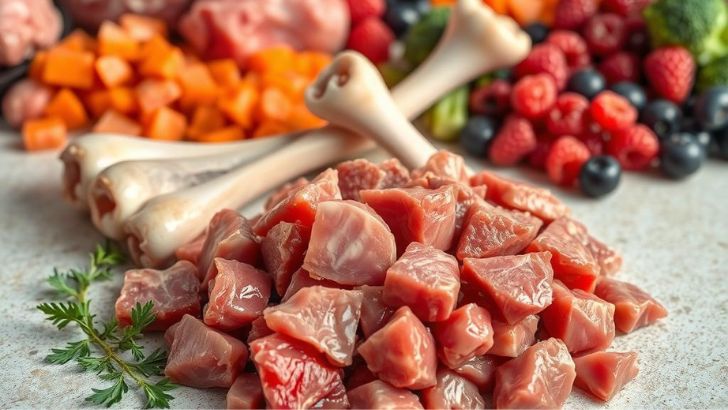
Knowing the components of a raw dog diet is essential. A good raw diet incorporates various food groups to meet your dog´s needs.
Meat Selections
Meat is the primary component of a raw dog diet and can include chicken, beef, lamb, and fish. Selecting fresh, high-quality meats is essential for your dog´s health.
Muscle meat provides protein and is essential in raw diets.
Varying meats provides a wide range of nutrients. Including organ and muscle meats can make meals more nutritious for your dog.
Organ Meats and Bones
Organ meats (liver, kidneys, heart) are rich in vitamins and minerals, essential for your dog´s health.
Bones, also essential, are a source of calcium and minerals and contribute to dental hygiene. Incorporate raw, meaty bones into the diet.
“A raw diet that includes a variety of meats, organs, and bones can significantly improve your dog´s overall health and well-being.”
Fruits and Vegetables
Although dogs are primarily meat-eaters, some fruits and vegetables contribute fiber, vitamins, and minerals. Apples, carrots, and green beans are suitable options, raw or lightly steamed.
Add fruits and vegetables in moderation, making them not the primary components of the diet, maintaining an emphasis on animal-based foods.
To create a balanced raw diet, it´s important to combine these components properly. Consulting a vet or canine nutritionist can help you design a diet tailored to your dog’s needs.
How to Transition Your Dog to a Raw Diet

Switching to a raw diet requires patience and a thoughtful plan. A raw diet can boost your dog´s health and energy, but slow introduction is essential to prevent stomach problems.
Gradual Introduction
Start by mixing a small amount of raw food with your dog´s existing food, slowly increasing the raw food portion over 7-10 days. This gradual introduction allows your dog´s digestive system to adjust.
Monitoring Your Dog´s Adjustment
Carefully monitor how your dog responds to the new diet. Look for signs such as diarrhea or vomiting. If these occur, slow down the transition.
Tips for a Successful Transition
Tips for a smooth transition:
- Begin with one protein source.
- Ensure diet variety for complete nutrients.
- Be patient, as individual adjustment times vary.
Following these guidelines and staying observant of your dog´s health will help you make the switch to a raw diet stress-free.
Homemade vs. Commercial Raw Food Diets
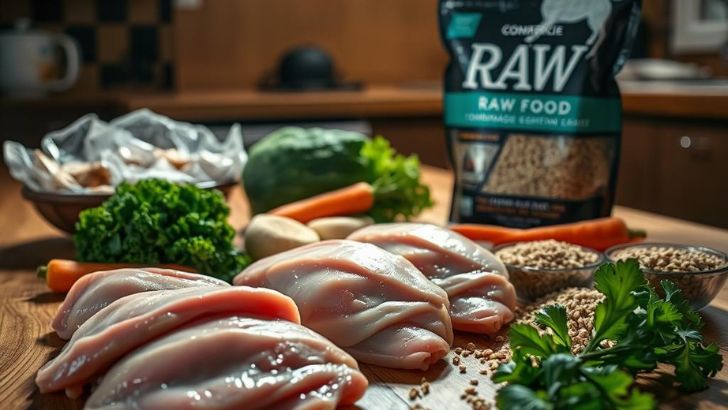
Raw feeding can be implemented through homemade or commercial raw food products, each with its own benefits and drawbacks. The best approach depends on your dog´s needs, your lifestyle, and your budget.
Pros and Cons of Homemade Diets
Making a homemade raw food diet gives you control and flexibility, allowing you to tailor the diet to your dog´s needs and health. However, ensuring that it is well-balanced requires considerable time and effort.
A challenge is getting the right balance of nutrients; dogs require the proper amounts of proteins, fats, vitamins, and minerals, making it difficult to get this balance right.
Advantages of Commercial Options
Commercial raw foods provide ease of use and assurance of nutritional balance, designed by professionals to meet dogs’ needs and reducing the risk of nutritional problems. Their convenience is another significant advantage.
However, commercial diets can be more expensive. Also, the quality can vary among brands, making careful selection important.
Nutritional Balance Considerations
Nutritional balance is paramount, regardless of choosing homemade or commercial raw food. Dogs have specific, important health requirements.
| Nutritional Component | Importance | Sources |
|---|---|---|
| Protein | Essential for muscle health | Meat, fish, eggs |
| Calcium | Crucial for bone health | Bones, dairy, supplements |
| Vitamin D | Crucial for maintaining strong bones and a healthy immune system | Fish oil, sunlight exposure, supplements |
Consulting a vet or canine nutritionist before implementing a raw diet is wise. They will help you ensure your dog receives the correct nutrients.
In brief, both homemade and commercial raw diets have advantages and disadvantages. The most important factor is ensuring that your dog gets the necessary nutrients, regardless of the chosen approach.
Supplements for a Raw Food Diet
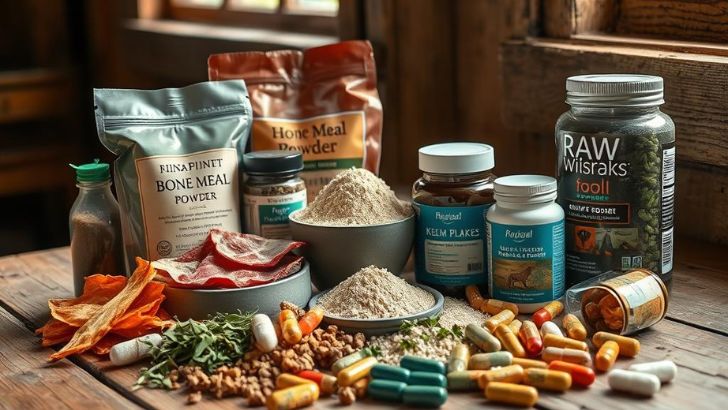
A significant benefit of feeding your dog a raw food diet is the potential nutritional gaps. Supplements can fill these gaps.
Essential Nutrients to Consider
Even with a well-designed raw diet, particular nutrients may be missing, including omega-3 fatty acids, vitamin E, and probiotics. Omega-3s are beneficial for skin and coat health, vitamin E acts as an antioxidant, and probiotics support gut health.
Dr. Karen Becker, a notable veterinarian, states, “A raw diet is great, but it needs supplements to be complete.” Providing these nutrients is key to supporting your dog’s health.
When to Use Supplements
Use supplements if your dog´s diet lacks specific nutrients. For example, a supplement can benefit if they´re not getting enough omega-3 fatty acids. Always consult your vet before adding supplements
“The key to a successful raw feeding regimen is balance and variety. Supplements can help fill any nutritional gaps.”
Recommended Products
Selecting high-quality supplements is key. Look for products like Nutri-Vet Omega-3 supplements and Zesty Paws Probiotic bites. Always consult with your vet before adding any new supplements.
You can keep your dog healthy and happy by choosing the right supplements.
Safety Tips for Feeding a Raw Food Diet
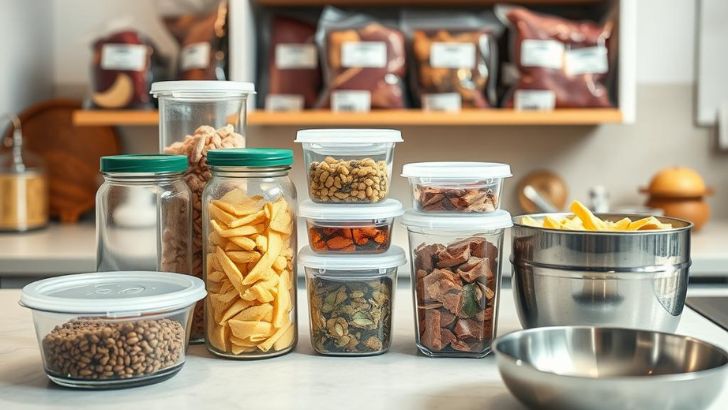
Safely handling a raw food diet requires special care to avoid foodborne illnesses. Keeping their meals safe is essential for their health and happiness.
Handling Raw Ingredients
When working with raw ingredients, cleanliness is paramount. Clean hands before and after touching raw meat, and use separate cutting boards and tools to prevent bacterial mixing.
- Wear gloves when handling raw meat to protect yourself and your dog from bacteria.
- Keep raw meat away from other foods and surfaces to prevent cross-contamination.
Preventing Cross-Contamination
Cross-contamination is when bacteria from raw meat transfer to other foods, surfaces, or tools. To avoid this, keep all surfaces and tools clean and sanitized after use.
Tips for preventing cross-contamination:
- Clean and sanitize all surfaces and tools after raw meal preparation.
- Use an exclusive area for making raw meals to decrease the risk of cross-contamination.
Storing Raw Food Properly
Proper raw food storage is essential to prevent bacteria growth and contamination. Store raw meat in airtight containers at the fridge´s bottom to prevent juices from leaking onto other foods.
- Mark and date raw meat containers to ensure safe usage.
- Freeze raw meat that will not be used within a few days to slow spoilage.
Adhering to these safety tips guarantees that your dog’s raw food diet is safe and healthy. Prioritize food safety at all times to maintain your dog´s health.
Conclusion: Is a Raw Food Diet Right for Your Dog?
A raw food diet can benefit dogs, but weighing the pros and cons is important before making a decision.
Assess your dog’s specific needs, considering factors like age, breed, and health.
Assessing Individual Needs
Think about your dog´s life, health, and nutritional requirements to determine if the benefits of a raw food diet justify the potential risks.
Consulting a Veterinarian
Consulting a vet is essential. They can assist you in understanding the positive and negative aspects of raw food diets, providing advice based on your dog´s needs.
Final Considerations
A raw food diet can be appropriate for dogs when prepared appropriately. Knowing the fundamental aspects and the risks will help you make an informed choice for your dog.
FAQ
What is a raw food diet for dogs?
A raw food diet includes uncooked meat, bones, fruits, and vegetables, mirroring a dog´s natural diet, as seen in the wild.
What are the benefits of a raw food diet for dogs?
Benefits include improved coat and skin condition, digestive health, and increased energy levels.
How do I transition my dog to a raw food diet?
Transition typically involves a gradual introduction of new foods to prevent digestive upset. Monitor your dog´s response.
What are the potential risks of a raw food diet for dogs?
Potential risks include nutritional imbalances, food safety concerns, and digestive issues during transition.
Can I make my own raw dog food at home?
Yes, you can make raw dog food at home, but ensuring nutritional balance and safety is vital.
What are the key components of a raw dog diet?
A balanced raw dog diet includes meats, organ meats, bones, fruits, and vegetables.
Do I need to add supplements to my dog´s raw food diet?
Supplement needs depend on the diet’s ingredients to ensure your dog receives essential nutrients.
How do I store raw dog food properly?
Proper storage includes sealed containers in the refrigerator or freezer to prevent contamination and spoilage.
Is a raw food diet suitable for all life stages?
A raw diet can work for dogs of all ages, although the diet must be adapted based on your dog´s life stage, like puppyhood or senior years.
Should I consult with a veterinarian before switching to a raw food diet?
Yes, consulting a veterinarian is advisable for personalized advice and to address any concerns before switching to a raw food diet.