

As devoted dog owners, being able to recognize the signs of dog fever symptoms is absolutely crucial. A fever in dogs is often an indicator that they are dealing with an infection or an underlying illness. Therefore, it´s vital to act swiftly when you notice potential signs. In this comprehensive guide, we will walk you through the common indications of fever in dogs, explore the various causes, and discuss effective treatment approaches. Our primary objective is to equip you with the knowledge to properly identify and manage dog fever symptoms.
What is Dog Fever and Why It Matters

It is important to understand dog fever because it can signal a wide range of health issues in dogs. Dog fever occurs when a dog´s body temperature rises above its normal range. By being informed about this, we can provide them with the best possible care.
Understanding Canine Body Temperature
A dog´s body temperature serves as a critical indicator of their overall health. The normal body temperature for dogs typically falls between 100°F and 102.5°F (38°C to 39°C). Any significant deviation from this range, either higher or lower, may suggest that your dog is unwell. It is advisable to monitor their temperature diligently, even when they appear to be in good health.
Normal Temperature Range for Dogs
Dogs naturally tend to have a body temperature that is slightly higher than that of humans. Factors such as age, the dog´s size, and breed can influence what is considered a normal temperature for an individual dog. For instance, smaller breeds and puppies usually exhibit a slightly higher normal temperature compared to larger dogs.
When to Be Concerned About Fever
A fever in dogs can be a symptom of various conditions, including infections, inflammation, or more serious health problems. If your dog´s temperature exceeds 103°F (39.4°C), it should be considered a warning sign. You should be more concerned if, in addition to the fever, your dog also appears lethargic, has a reduced appetite, or is experiencing difficulty breathing.
Common Symptoms of Dog Fever

Fever in dogs can manifest in numerous ways that warrant careful attention. Possessing knowledge of the common signs of fever in dogs is paramount. This understanding empowers you to provide appropriate care for your dog when they are feeling unwell.
Loss of Appetite
A noticeable decrease in appetite is a very common sign of fever in dogs. If your dog is reluctant to eat, it could indicate that they are not feeling well. Monitoring their eating habits closely is important to gauge the severity of their condition.
According to one veterinarian, “A loss of appetite in dogs can serve as an early warning sign of an underlying health issue.” Ensuring your dog remains adequately nourished is crucial for their recovery process.
Lethargy and Weakness
Dogs experiencing a fever often exhibit signs of fatigue and general weakness. If your dog seems unusually tired or shows a lack of enthusiasm for activities they typically enjoy, it could be a sign of a fever. Observing their behavior closely can help you detect these subtle changes.
Shivering or Excessive Panting
Shivering or panting excessively are common indicators of a fever in dogs. These bodily responses suggest that your dog´s system is attempting to regulate its temperature. Paying attention to their breathing patterns and general comfort level can provide valuable clues about their health status.
Vomiting or Diarrhea
Vomiting or diarrhea can also occur in dogs who have a fever. These symptoms can potentially lead to dehydration. It is essential to ensure your dog remains properly hydrated. If you observe these symptoms, monitor them closely and seek veterinary assistance if necessary.
| Symptom | Description | Action |
|---|---|---|
| Loss of Appetite | Decrease in interest for food | Monitor eating habits |
| Lethargy and Weakness | Unusual tiredness or lack of enthusiasm | Observe behavior closely |
| Shivering or Excessive Panting | Regulation of body temperature | Monitor breathing patterns |
| Vomiting or Diarrhea | Risk of dehydration | Ensure hydration |
Identifying these symptoms early can significantly contribute to your dog´s recovery. When you are uncertain about your dog´s health, it is always best to consult with a veterinarian.
How to Measure Your Dog’s Temperature
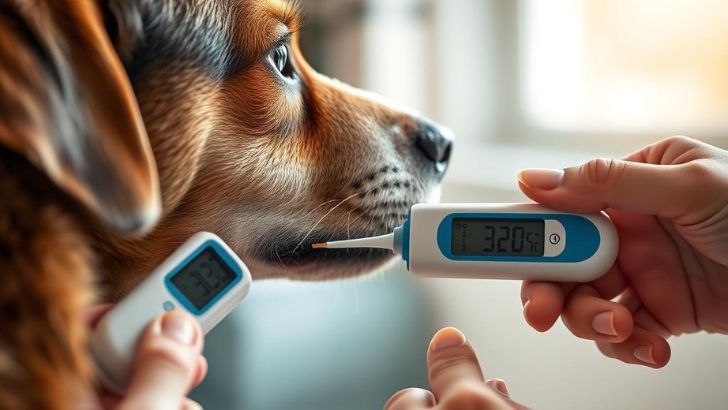
For dog owners, knowing how to accurately check their dog´s temperature is an important skill. This knowledge is key to detecting fever and enabling a prompt response to help their beloved pet.
Preparing for Temperature Measurement
Before you proceed with taking your dog´s temperature, it´s important to prepare. Identify a quiet and comfortable location for your dog. Having some treats readily available can make the entire process much more pleasant for them.
Ensure you have a thermometer specifically designed for pets. Standard human thermometers may not provide accurate readings due to the different temperature ranges involved.
Using a Digital Thermometer
To effectively use a digital thermometer, please follow these steps:
- Lubricate the tip of the thermometer using petroleum jelly or a similar lubricant.
- Gently insert the lubricated thermometer into your dog´s rectum to a depth of approximately 1-2 inches.
- Keep the thermometer steady in place until you hear a beep, which signals that the temperature reading is complete.
- Carefully remove the thermometer and read the temperature displayed on the screen.
A dog´s normal temperature typically ranges between 100 to 102.5 degrees Fahrenheit. If the reading is above 103 degrees, it may indicate a fever, and you should consult a veterinarian.
Alternative Methods for Checking Fever
While a digital thermometer provides the most accurate measurement, there are other observable signs that may suggest a fever. These include:
- Loss of appetite
- Lethargy or signs of depression
- Shivering or increased panting
- As one veterinarian wisely stated
“Fever in dogs is frequently a sign of an underlying infection or illness. If you suspect your dog has a fever, it is crucial to monitor their condition closely and seek veterinary care if symptoms persist.”
Understanding how to measure your dog´s temperature and being able to recognize the signs of fever are both essential. When in doubt, never hesitate to ask your veterinarian for guidance on managing dog fever.
Potential Causes of Fever in Dogs

Understanding the reasons behind why dogs develop a fever is crucial for facilitating their recovery. Fever itself is a symptom, not a disease in isolation. It can arise from a multitude of causes. As responsible dog owners, identifying the underlying reason is fundamental to providing appropriate care.
Infections and Illnesses
Infections and various illnesses are frequent culprits behind fever in dogs. A wide range of pathogens, including bacteria, viruses, and fungi, can lead to an elevated body temperature in dogs. For example, conditions like pyometra and parvovirus are known to cause fever. Regular veterinary check-ups are instrumental in detecting these issues early on.
| Infection Type | Common Causes | Symptoms |
|---|---|---|
| Bacterial | Urinary tract infections, pneumonia | Fever, lethargy, loss of appetite |
| Viral | Parvovirus, distemper | Fever, vomiting, diarrhea |
| Fungal | Ringworm, aspergillosis | Fever, skin lesions, respiratory issues |
Vaccination Reactions
Occasionally, vaccines can also trigger a fever in dogs. While vaccines are essential for protecting against severe diseases, some dogs may experience a mild fever as a temporary reaction. The American Animal Hospital Association emphasizes the critical role of vaccines in maintaining the health of dogs.
“Vaccines are a critical tool in maintaining the health and well-being of our canine companions.”
Heatstroke and Overheating
Heatstroke and general overheating can also lead to fever in dogs, particularly during periods of hot weather. Dogs can become dangerously overheated in vehicles, while outdoors, or even inside enclosed spaces lacking adequate ventilation. Symptoms include excessive panting, drooling, and extreme fatigue. Dr. Karen Becker strongly advises, “Never leave your dog in a car, even with the windows open.”
By comprehending the various reasons why dogs develop fevers, we can take proactive steps towards prevention and effective treatment. If your dog presents with a fever, it is imperative to consult a veterinarian to determine the cause and appropriate course of action.
Home Remedies for Mild Fever

For dogs experiencing a mild fever, certain home remedies can provide comfort and support. It is important to remember that these remedies are intended as supplementary care and not as a replacement for professional veterinary treatment.
Read more about canine health and care: dog coughing at night, dog diarrhea causes, vaccination schedule for dogs
Hydration and Nutrition Tips
Ensuring your dog remains adequately hydrated is paramount when they have a fever. Make certain they have access to and are encouraged to drink plenty of water. You can also offer them electrolyte-rich beverages formulated specifically for dogs.
Regarding their diet, consider offering a bland diet, such as plain boiled chicken and rice. Monitor their appetite and adjust their food intake as necessary.
Comfortable Environment Suggestions
Create a comfortable and serene space for your dog to rest. Their resting area should be quiet, cool, and free from any drafts. Gently use a damp cloth to help cool their body.
Maintaining a calm environment is important to minimize stress, as stress can potentially exacerbate their fever.
Monitoring Your Dog’s Condition
It is important to closely observe your dog’s condition when they have a fever. Keep track of their temperature, appetite, and overall behavior. Note any changes, whether positive or negative, to discuss with your veterinarian.
While these home remedies can help make your dog more comfortable, if their fever intensifies or persists, it is essential to seek professional veterinary help.
When to Seek Veterinary Care

Understanding when it is necessary to seek veterinary attention for your dog is vital. This knowledge can be the deciding factor between a swift recovery and the escalation of a serious health issue. As responsible dog owners, we must be able to recognize the specific signs that indicate our pets require professional medical care, such as the symptoms of dog fever.
Signs That Indicate a Serious Condition
Pay close attention to a persistently high fever that does not subside or shows signs of worsening, extreme lethargy, a complete loss of appetite, and any difficulty in breathing. If your dog displays any of these concerning symptoms, it is imperative to seek veterinary assistance immediately.
A leading veterinarian expert states, “Fever in dogs can signify a serious underlying problem. If your dog´s fever exceeds 104°F (40°C) or they appear significantly distressed, it is critical to transport them to a veterinarian withoutdelay.”
Importance of Timely Intervention
Prompt action is crucial for effectively managing dog fever symptoms. Early veterinary intervention allows for the accurate identification of the fever´s root cause and helps prevent the condition from deteriorating further. Postponing care can complicate the treatment process and make resolution more challenging.
Swift intervention can substantially accelerate your dog´s path to recovery. Being proactive not only ensures your dog remains healthy but can also lead to cost savings by avoiding more expensive treatments down the line.
What to Expect at the Vet
Upon arrival at the veterinary clinic, your dog will undergo a thorough examination. The veterinarian will assess your dog´s temperature, conduct a comprehensive physical evaluation, and may perform diagnostic tests to pinpoint the cause of the fever.
- A physical examination to detect any signs of illness or infection.
- Diagnostic tests, such as blood work or urinalysis, to identify the underlying cause of the fever.
- A detailed discussion about your dog’s health history and any recent activities.
Being prepared for what to expect will enable you to provide your veterinarian with the necessary information for an accurate diagnosis and effective treatment plan.
“The most effective treatment commences with a precise diagnosis,” a veterinarian explains. “In collaboration with the owner, we can determine the cause of the fever and administer the appropriate care.”
How a Vet Diagnoses the Cause of Fever
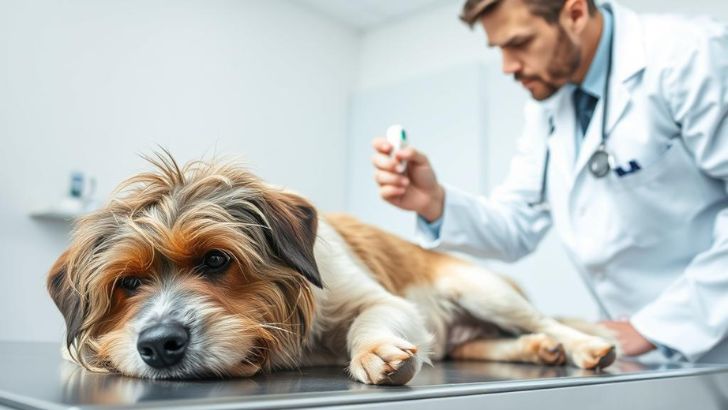
Determining the precise reason for your dog´s fever requires a systematic and thorough approach. At the veterinary clinic, several key steps are undertaken to accurately identify the source of the fever.
Physical Examination Procedures
A physical examination is the initial and fundamental step in uncovering the cause of your dog´s fever. Your veterinarian will conduct a comprehensive check-up. They will look for common fever symptoms in dogs, such as lethargy, a lack of appetite, or shivering.
Additionally, your vet will assess your dog´s vital signs, including their temperature, heart rate, and respiratory rate. The veterinarian will also carefully examine your dog´s ears, eyes, nose, and throat for any indications of infection or illness.
Diagnostic Tests and Their Role
To accurately identify the cause of the fever, your veterinarian may recommend various diagnostic tests. These often include:
- Blood tests to detect infections or inflammation
- Urine tests to diagnose urinary tract infections
- Imaging studies, such as X-rays or ultrasounds, to examine internal organs
These diagnostic tests are indispensable for gaining a complete understanding of your dog´s fever.
| Diagnostic Test | Purpose |
|---|---|
| Blood Test | To check for infections, inflammation, or other blood conditions |
| Urine Test | To find urinary tract infections or kidney problems |
| Imaging Tests (X-ray, Ultrasound) | To look at internal organs for diseases or injuries |
Interpreting Test Results Together
Following the completion of these diagnostic tests, your veterinarian will thoroughly explain the results to you. This communication is vital for comprehending the underlying cause of your dog´s fever and formulating the most effective treatment plan.
“Understanding the underlying cause of your dog´s fever is paramount for ensuring the correct treatment and care. Your veterinarian will guide you through each step of this process.”
Together with your veterinarian, you will collaboratively develop a tailored treatment plan for your dog, ensuring they receive the highest standard of care.
Treatment Options for Fever in Dogs

Treating a fever in dogs necessitates a comprehensive approach that integrates veterinary medical intervention with dedicated supportive care. If your dog develops a fever, it is essential to collaborate closely with your veterinarian. They will determine the most appropriate course of action based on the specific reason for your dog´s fever.
Medications That May Be Prescribed
Your veterinarian might prescribe antibiotics if the fever is attributed to a bacterial infection. For viral infections, they may suggest antiviral medications. In some cases, anti-inflammatory drugs may be administered to help reduce the fever and alleviate any discomfort or pain.
It is critically important to strictly adhere to your veterinarian´s instructions and administer all prescribed medications exactly as directed.
Supportive Care for Recovery
Supportive care plays a vital role in your dog’s recovery process. Ensuring they consume an adequate amount of fluids is extremely important. Your veterinarian may also recommend a specialized diet or specific supplements to aid their recuperation.
Furthermore, establishing a quiet and comfortable resting environment for your dog can significantly contribute to a faster recovery.
Home Care Tips Post-Treatment
Following the completion of veterinary treatment, continue to monitor your dog closely and diligently follow all of your veterinarian´s post-treatment instructions. This may include administering ongoing medication, regularly checking their temperature, and observing their eating habits and overall behavior.
Continuously observing your dog´s progress and promptly communicating any changes to your veterinarian are crucial steps for ensuring their complete recovery.
| Care Aspect | Description | Tips |
|---|---|---|
| Hydration | Encourage water intake | Offer fresh water frequently |
| Nutrition | Follow vet-recommended diet | Provide easily digestible food |
| Environment | Create a comfortable space | Ensure quiet and restful surroundings |
Prevention Tips to Avoid Dog Fever

To prevent fever in dogs, it is essential to provide diligent care and conduct regular health assessments. Taking proactive measures can help maintain your dog´s health and significantly reduce the risk of developing a fever. Here are some straightforward tips to help your dog stay well.
Regular Vet Check-ups
Consistent veterinary visits are fundamental in preventing dog fever. These appointments allow your veterinarian to monitor your dog´s health proactively and detect potential issues at their earliest stages. Schedule annual check-ups and adhere to your veterinarian´s recommendations regarding vaccinations and health screenings.
Your veterinarian can also provide valuable guidance on home remedies for fever and the indicators of canine fever. This knowledge empowers you to respond swiftly if your dog develops a fever.
Maintaining a Healthy Environment
Ensuring your dog´s living environment is clean and safe is paramount. Make certain their living space is consistently clean and comfortable. Protect them from extreme temperature fluctuations. Provide ample fresh water and a balanced diet to bolster their immune system.
Be vigilant about potential hazards in your dog´s surroundings, such as toxic substances or contact with sick animals. Minimizing these risks helps prevent infections that can lead to fever.
Vaccination Importance
Vaccinations are critically important in combating dog fever by offering protection against serious diseases. Ensure you stay current with the recommended vaccination schedule to keep your dog safe. Consult with your veterinarian to determine the most appropriate vaccines for your dog based on their age, health status, and lifestyle.
By diligently following these preventive measures, you can substantially decrease the likelihood of your dog developing a fever. Remember, prevention is always preferable to treatment. With proper care, you can help your dog enjoy a happy and healthy life.
Final Thoughts on Dog Fever Symptoms
As we conclude this guide on dog fever symptoms, it is evident that understanding these signs is absolutely paramount. Taking prompt action is crucial for the overall health and well-being of our canine companions. Effectively spotting fever in dogs represents the initial and most critical step in maintaining their health.
Caring for Our Dogs
It is vital to pay close attention to our dogs and observe any changes in their behavior. This attentiveness enables us to detect health issues, such as fever, at an early stage.
Awareness and Action
Being informed and acting quickly can significantly contribute to our dogs´ recovery. Regular veterinary visits, maintaining a clean living environment, and staying current with vaccinations are all integral components of responsible dog care.
Our Role in Dog Health
We play a significant role in ensuring the health and vitality of our dogs. Possessing knowledge of fever symptoms and understanding how to respond effectively can greatly contribute to our dogs living long, healthy, and happy lives.
FAQ
What are the common signs of fever in dogs?
Common signs of a fever in dogs include a reduced appetite and noticeable lethargy. They might also shiver, exhibit excessive panting, or experience vomiting or diarrhea. It´s important to be vigilant for these signs to ensure prompt assistance for our dogs.
How do I measure my dog´s temperature?
Utilize a digital thermometer to accurately check your dog´s temperature. Ensure your dog is prepared and comfortable for the procedure. In situations where direct measurement is challenging, alternative methods can be employed.
What is considered a normal temperature range for dogs?
A typical normal body temperature for dogs falls between 100°F and 102.5°F. If the temperature is higher than this range, it warrants concern.
Can I treat my dog´s fever at home?
For mild fevers, home remedies can be utilized. Ensure your dog is well-hydrated and eating properly. Additionally, prioritize their comfort and observe their condition closely.
When should I seek veterinary care for my dog´s fever?
If your dog experiences severe vomiting, exhibits breathing difficulties, or has a fever that persists or worsens, it is imperative to consult a veterinarian. These are indicators of a serious condition.
How can I prevent dog fever?
Preventing fever involves consistent veterinary check-ups and maintaining a clean living environment. Vaccinations are also a critical preventive measure. By adopting a proactive approach, we can help keep our dogs healthy and reduce the risk of fever.
What diagnostic tests may be performed to determine the cause of my dog´s fever?
Diagnostic procedures may include a thorough physical examination, blood tests, and potentially other tests. These investigations are designed to identify the underlying cause of your dog´s fever. Always collaborate with your veterinarian to understand the test results.
What are the treatment options for fever in dogs?
Treatment strategies for dog fever are contingent upon the identified cause. Options may include prescribed medications, supportive care interventions, or home-based management tips. It is essential to always follow your veterinarian´s professional guidance for optimal care.
Can vaccinations cause fever in dogs?
Yes, it is possible for some dogs to develop a fever as a reaction to vaccinations. Monitor your dog closely following any inoculations and consult your veterinarian if you have any concerns.
How can I care for my dog with a fever?
Ensure your dog remains comfortable, encourage adequate fluid intake and nutrition, and observe their condition vigilantly. Always adhere to your veterinarian´s recommendations for the most effective care.