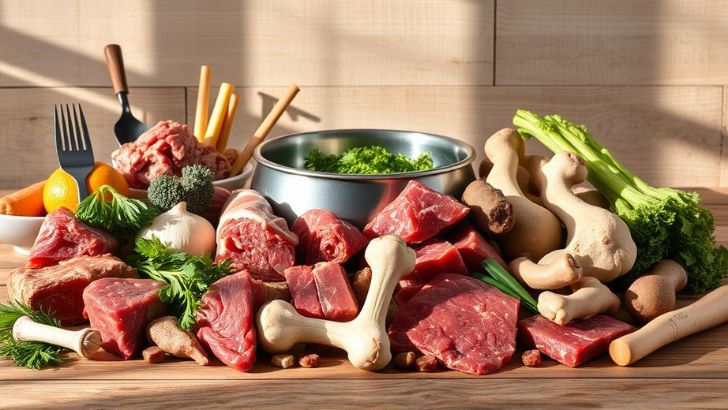

Dog treats for training are crucial for your pet´s development. Selecting suitable treats facilitates learning and strengthens the connection you share with your dog. The abundance of available choices can make finding effective and enticing rewards difficult. For this reason, we offer guidance on the best dog training treats and provide expert advice to ensure that each training session is both successful and enjoyable.
Why Dog Treats for Training Are Essential for Success

Treats are more than just a snack for your dog. They are key in teaching proper behavior. Using healthy dog treats for training helps your dog learn new tricks and actions.
Benefits of Using Treats in Training
Using top rated dog treats in training has many advantages. They give your dog immediate feedback, showing them what is desired. They also make learning fun and engaging.
Treats let you tailor training to your dog´s preferences. This makes them more willing to learn.
Enhancing Learning with Positive Reinforcement
Positive reinforcement rewards good behavior instead of punishing bad behavior. With healthy dog treats for training, you can improve learning. This method boosts the learning process.
- Treats connect good behavior to a positive reward.
- They encourage your dog to repeat the good behavior.
- Using treats strengthens your bond with your dog, making training a positive experience.
Adding top rated dog treats to your training makes it positive and effective for your dog.
Choosing the Right Dog Treats

Choosing the right dog treats for training is critical for learning and bonding with your dog. With many choices available, it´s important to think about several factors. This ensures you select the best treats for your pet.
Factors to Consider When Selecting Treats
When choosing training treats for dogs, consider your dog´s diet, preferences, and allergies. Natural dog treats for training are often healthier and less likely to cause allergies. Also, think about the treat´s size, texture, and smell. These can significantly affect your dog´s motivation and enjoyment.
“The treats you choose should be not only a reward but also a way to enhance your dog´s overall health,” says a renowned dog trainer. “Opting for treats that are rich with nutrients and low in additives is a great way to ensure your dog stays healthy while training.”
Types of Treats Ideal for Training
There are many types of treats that are good for dog training. These include small commercial treats, fruits and vegetables, and homemade treats from healthy ingredients. Training treats for dogs should be easy to eat quickly, so they don´t interrupt the training session.
Some top choices for training treats include:
- Small pieces of cooked chicken or turkey
- Slices of apple or carrot
- Homemade dog biscuits made from whole wheat flour and peanut butter
Using the right treats can make training more fun and effective for both you and your dog. By thinking about your dog´s needs and preferences, you can pick treats that make training successful and rewarding.
Discover more dog treat ideas: what can dogs eat, best dog food brands, homemade dog food recipes
Homemade Dog Treat Recipes

Homemade dog treats let you customize rewards to your dog´s needs and preferences. You can choose the best ingredients without bad additives.
Simple and Healthy Recipes to Try
The Peanut Butter Banana Biscuits are simple to make. You need 2 ripe bananas, 1/4 cup of peanut butter, and 1 cup of whole wheat flour. Mix together until a dough forms, roll it out, and cut it into shapes with a cookie cutter. Bake at 350°F for 15-20 minutes.
Sweet Potato Chews are another healthy option. Sweet potatoes are packed with fiber and vitamins. Slice them thin, lightly coat with oil, and bake at 400°F for 2-3 hours until they´re crisp.
Key Ingredients to Consider:
- Whole grains like oats and barley
- Fruits such as apples and blueberries
- Vegetables like carrots and green beans
- Lean proteins like chicken and turkey
Tips for Making Treats Your Dog Will Love
Think about your dog´s preferences and needs when making treats. “Dogs have a unique sense of smell and taste,” says a dog nutritionist. “Using ingredients they love makes treats more enticing.”
“The joy of making homemade dog treats lies in seeing your dog´s happiness when they receive a treat made with love.”
Try different shapes, sizes, and flavors. Using various cookie cutters makes treats more fun. Varying the ingredients can match your dog´s taste preferences.
With these simple recipes and tips, you can make healthy, tasty treats your dog will love.
Commercial Dog Treat Options
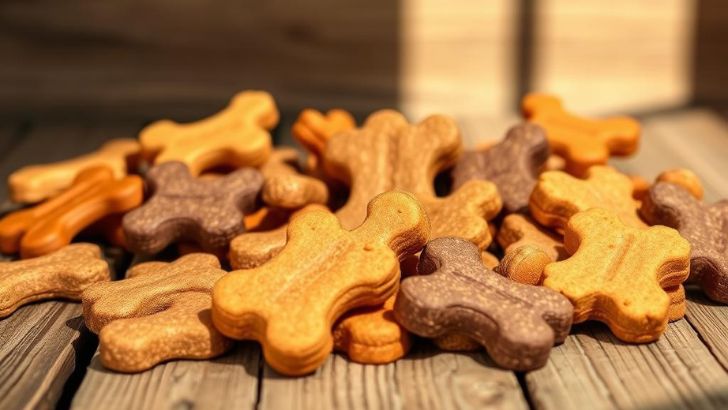
Many dog owners choose commercial dog treats for training. These treats are convenient and come in various types. They satisfy different dietary needs and tastes.
When choosing commercial dog treats, look at the ingredients and nutritional value. Top brands use high-quality ingredients. These ingredients are tasty and good for your dog´s health.
Top Brands for Training Treats
Some top brands for training treats are:
- Orijen
- Acana
- Blue Buffalo
- Merrick
- Taste of the Wild
These brands focus on natural ingredients. They avoid fillers and artificial preservatives. Below is a closer look at some of these brands and their treats in the table.
| Brand | Treat Type | Key Ingredients |
|---|---|---|
| Orijen | Grain-free | Fresh meat, fish, and eggs |
| Acana | Grain-free | Local meats, whole fruits, and vegetables |
| Blue Buffalo | Grain-inclusive | Whole grains, deboned chicken, and real potatoes |
Evaluating Ingredients for Nutritional Value
When evaluating commercial dog treats, read the ingredient list and nutrition label. Choose treats rich in protein and low in fillers. Grain-free options are common, but make sure they are appropriate for your dog´s diet.
Look for named protein sources, such as chicken or salmon. Also, whole fruits and vegetables are good. If your dog can eat grains, whole grains are acceptable. However, avoid treats with artificial preservatives, colors, and flavors.
Treat Size and Frequency: What to Know

Training your dog is easier when you have the right treats. The size and how often you give them are important. They help your dog learn better and strengthen your bond.
Ideal Size for Training Treats
Training treats should be small, and eaten in one bite. Small treats are quick to eat and keep calories low. This is good for your dog´s diet and health.
- Choose treats that are bite-sized.
- Choose low-calorie treats to avoid overfeeding.
- Consider using pieces of your dog´s regular meals as treats.
How Often to Reward with Treats
How often to give treats depends on the task and your dog´s skill level. Start by rewarding every time they do what you want. As they improve, give treats less often.
Gradually phasing out treats is crucial. It helps transition from treats to praise and affection. This makes training last longer.
- Start with frequent rewards for desired behavior.
- Gradually reduce the frequency as your dog becomes more proficient.
- Combine treat rewards with praise and affection to create a diverse reinforcement schedule.
Knowing the right treat size and frequency, makes training better. It´s more fun for you and your dog.
Training Techniques That Work Well with Treats
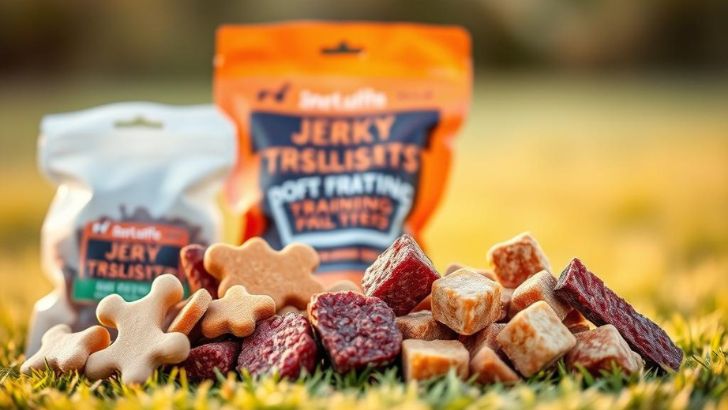
Training your dog can be made easier with certain methods, and treats play a significant role. Treats in dog training do more than just reward good behavior. They make learning fun and motivating for your dog.
Clicker Training and Treats
Clicker training is a top choice for dog training. It uses a small device that makes a sound to mark good behavior. Treats are often used with it to make learning more exciting.
Here´s how it works: When your dog does something right, you click the device and give them a treat. This links the sound of the clicker with the action and the reward. This is an effective way to teach your dog.
- Begin by letting your dog get used to the clicker and treats together.
- Click the device when your dog does something right, then give them a treat.
- Continue doing this until your dog makes the connection between the sound, action, and reward.
Using Treats for Obedience Commands
Using treats to teach obedience commands is simple yet effective. It helps your dog learn faster by connecting commands with rewards.
For example, to teach “sit,” hold a treat above your dog´s head and move it toward their tail. As they follow the treat, they´ll sit down. Say “sit” when they do, give them the treat, and praise them.
- Start training in a quiet place with few distractions.
- Use best dog training treats that your dog loves.
- Gradually stop using treats as your dog gets better at following commands.
By using these methods and the right treats, you can make training fun and effective for your dog.
Alternatives to Treats for Training
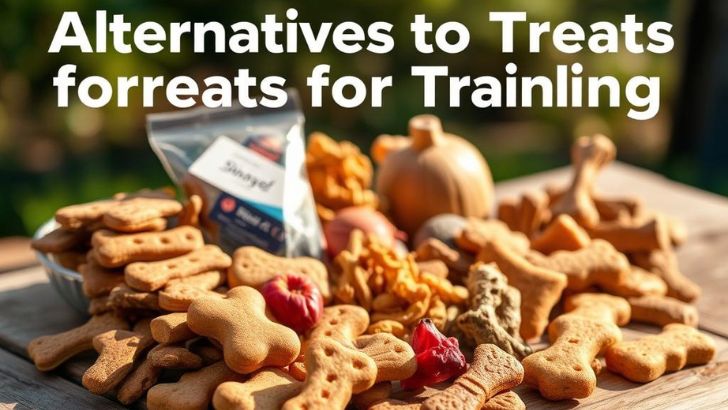
There are many ways to reward your dog´s good behavior, not just treats. Using different rewards can make training more fun and interesting for your dog.
Using Praise and Affection
Praise and affection are great tools for training dogs. Dogs love to please their owners, and hearing positive words can motivate them. Using happy, uplifting language helps your dog want to do the right thing again.
Physical touch, such as pats or hugs, can also be rewarding. Many dogs find being touched very rewarding, which makes it a good alternative to treats.
Other Reward Options
There are other ways to reward your dog during training. For instance, playing with a favorite toy can really motivate some dogs. A short play session can be more rewarding than a treat for many.
Using life rewards, such as going for a walk, can also be effective. Connecting these activities to training makes the rewards more varied and engaging.
It´s important to know what motivates your dog. Using a mix of rewards keeps training sessions exciting. This way, you can create a strong training program that keeps your dog happy and eager to learn.
Troubleshooting Training Challenges
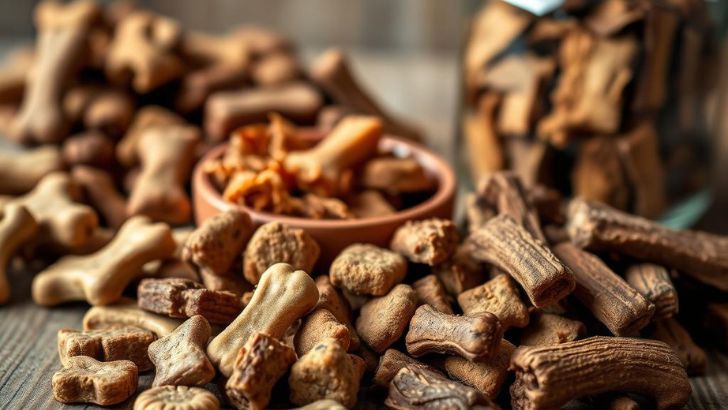
Overcoming training challenges takes patience, persistence, and the right techniques. Using the right dog treats can greatly improve training. But, sometimes we face issues that need fixing.
One common problem is when our dog loses interest in training. This can happen for many different reasons, such as the treats or the training place.
What to Do If Your Dog Is Disinterested
If your dog seems bored during training, it´s time to make some changes. Here are some ways to regain your dog´s attention:
- Change the type of treats: A different treat might grab your dog´s interest.
- Adjust the training environment: Ensure the area is free from distractions.
- Vary the training routine: Try new commands or activities to keep things interesting.
Using healthy dog treats for training can also help. Treats that are tasty and healthy can motivate your dog.
Adjusting Treats for Dietary Restrictions
Some dogs have diets that affect treat choices. If your dog has food allergies or a specific diet, you can still find treats.
| Dietary Restriction | Treat Adjustment |
|---|---|
| Grain Allergy | Use grain-free treats |
| Low-Fat Diet | Opt for low-fat or fat-free treats |
| Vegetarian Diet | Choose vegetarian or vegan dog treats |
By considering your dog´s diet and selecting the right training treats for dogs, you can make training safe and effective.
Tips for Successful Training Sessions
To get the most of training with your dog, make the environment positive. Use natural treats such as homemade or grain-free options. They help motivate your dog and strengthen your bond.
Positive Environment Essentials
A good training space is essential. Make sure it´s free from distractions. Use treats to reward good behavior.
Engaging Training Sessions
Keep training sessions short and fun to keep your dog´s interest. Mix up your methods, such as clicker training. Use different treats to keep things exciting.
Follow these tips and use the right treats. You´ll have productive and fun training sessions with your dog.
FAQ
What are the best dog treats for training?
Choose healthy, natural dog treats that are low in calories and packed with nutrients. Grain-free dog training treats and homemade treats with wholesome ingredients are great options.
How often should I reward my dog with treats during training?
Reward your dog with treats often at first, then less as they learn. This helps them learn faster and keeps training fun.
Can I use regular dog food as training treats?
Yes, but it´s better to use small, bite-sized treats designed for training. These are lower in calories and easier to use during sessions.
Are homemade dog treats a good option for training?
Homemade treats are an excellent choice. They allow you to control the ingredients, so they are safe and tasty for your dog.
What are some top brands for dog training treats?
Look for brands that offer natural, grain-free, and healthy options. Reading reviews can help you select the best treats for your dog.
How do I choose the proper size of treats for training?
Treats should be small, around 1/4 inch, so they can be eaten in one bite. This size is perfect for rewarding your dog during training.
Can I use praise and affection as alternatives to treats during training?
Yes, praise and affection can be great rewards. Mixing up your rewards keeps training interesting and fun for your dog.
How can I adjust treats for dogs with dietary restrictions?
For dogs with different dietary needs, adjust your treats. Use safe ingredients for homemade treats or choose commercial ones that fit their diet.