
We all desire the best nutrition for our feline companions, and this is especially vital for indoor cats. Their requirements differ significantly from cats that venture outdoors. Indoor cats necessitate a specialized blend of nutrients to maintain optimal health. This article will explore their specific needs and offer recommendations for the most suitable foods.

Understanding the Needs of Indoor Cats
It´s crucial to comprehend the specific needs of indoor cats to maintain their health and avoid weight gain. They have different requirements than outdoor cats due to their limited exercise.
Nutritional Requirements for Indoor Cats
Indoor cats require a balanced diet to maintain health. It should feature high-quality protein, a moderate amount of fat, and limited carbohydrates. Choosing the appropriate cat food helps them maintain a healthy weight and can prevent diseases like diabetes and heart problems.
Differences Between Indoor and Outdoor Cats
The differing diets of indoor and outdoor cats are a result of their lifestyles. Outdoor cats require more calories and specific nutrients because they are more active. Indoor cats, being less active, need a diet that aids in weight management and overall health maintenance.
When selecting cat food for your indoor cat, consider their age, health status, and lifestyle. For instance, older indoor cats may require different nutrients compared to younger ones. Consulting a veterinarian can help determine the most suitable diet for your cat.
Top Ingredients to Look for in Cat Food
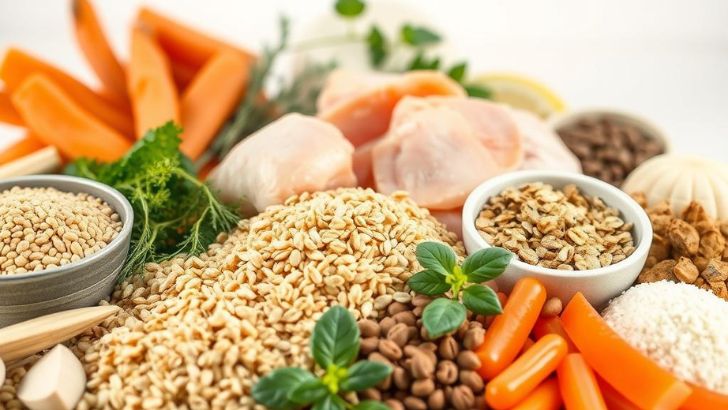
Indoor cats have unique nutritional requirements, and the appropriate ingredients in their food are key to their well-being. When selecting cat food, prioritize essential ingredients that cater to their specific needs.
Essential Proteins for Feline Health
Proteins are fundamental to a cat´s diet, aiding in building and maintaining health. High-quality protein sources such as chicken, salmon, or beef are crucial for keeping your cat´s muscles strong and healthy.
Cats require a diet rich in animal-based ingredients. Avoid foods with generic terms like “meat” or “by-products,” as these might be of lower quality and lack essential nutrients.
The Importance of Fiber for Digestion
Fiber is also essential in cat food, especially for indoor cats. Adequate fiber supports healthy digestion and helps prevent constipation. Look for natural fiber sources like psyllium or beet pulp in cat foods.
A combination of protein and fiber boosts your cat´s digestive health. When choosing cat food, carefully review the ingredient list to ensure it meets your cat´s nutritional needs.
Ingredients to Avoid in Cat Food
Selecting the appropriate cat food is crucial for your indoor cat´s health. Not all cat foods are equally beneficial; some contain ingredients that can be harmful.
Artificial Additives and Preservatives
Many cat foods contain artificial additives and preservatives, including colors, flavors, and preservatives that can negatively affect your cat´s health. Certain artificial preservatives, like BHA, BHT, and ethoxyquin, have been associated with health issues, including cancer and liver damage.
It´s preferable to choose cat foods that incorporate natural preservatives such as vitamin E or tocopherols, which are safer and offer additional health benefits.
“The use of artificial preservatives in pet food has been a concern for many years, with some studies suggesting a link to serious health conditions.”
Pet Food Safety Council
High Carb Content and Its Effects
Be mindful of the carbohydrate content in cat food. Cats require a diet high in protein and low in carbohydrates. Diets high in carbohydrates can lead to obesity, diabetes, and other metabolic disorders.
| Cat Food Type | Typical Carb Content | Health Impact |
|---|---|---|
| Dry Cat Food | 30-50% | Higher risk of obesity and diabetes |
| Wet Cat Food | 5-10% | Lower risk of metabolic disorders |
For premium indoor cat food, opt for low-carb and high-protein formulas. This helps maintain your cat´s healthy weight and supports indoor cat weight management efforts.
Popular Brands for Indoor Cat Food
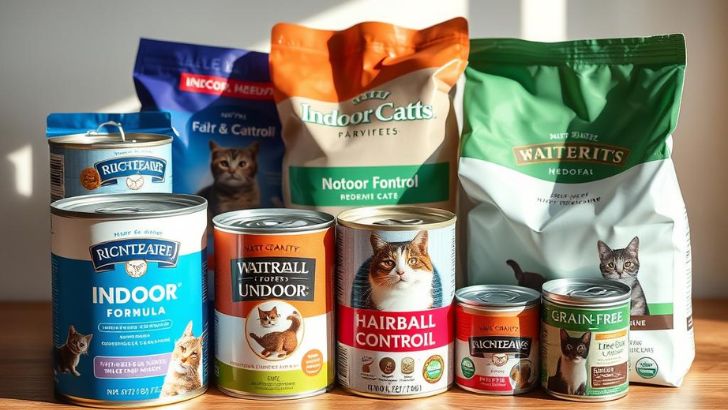
Choosing the right food for your indoor cat is essential. Several brands are recognized for their quality and the vet-recommended formulas they offer. These brands provide nutrition tailored to the specific needs of indoor cats.
Royal Canin: Tailored Nutrition for Cats
Royal Canin is a leading name in pet food. Their indoor cat formula helps with weight management and digestive health. It includes fibers to reduce hairballs and nutrients for skin and coat health.
Hill’s Science Diet: Vet-Recommended Formulations
Hill’s Science Diet is known for its vet-recommended cat food. Their indoor cat food supports natural defenses and metabolism. They focus on precise nutrition with high-quality, easy-to-digest ingredients.
Blue Buffalo: Natural Ingredients You Can Trust
Blue Buffalo utilizes natural ingredients in its cat food. Their indoor cat formula features real meat, whole grains, and vegetables. It´s free from artificial preservatives, colors, and flavors, making it a natural choice.
Here is a quick comparison of these brands:
| Brand | Key Features | Nutritional Benefits |
|---|---|---|
| Royal Canin | Blend of fibers, specific nutrient profile | Healthy weight, digestive health, skin, and coat health |
| Hill’s Science Diet | Precise nutrition, high-quality ingredients | Natural defenses, healthy metabolism, easy digestion |
| Blue Buffalo | Natural ingredients, real meat, whole grains | Balanced diet, no artificial preservatives or flavors, overall health |
Choosing the right cat food is critical to your indoor cat´s health and happiness. Consider these reputable brands to find the best match for your cat´s specific needs.
Dry vs. Wet Cat Food: What´s Best?

Indoor cats have particular dietary needs, and the choice between dry and wet cat food is significant. The goal is to select the most suitable food for our pets´ health and well-being.
Dry cat food offers convenience and promotes dental health, as it helps keep teeth clean. In contrast, wet cat food has higher moisture content and is often more palatable to cats.
Benefits of Dry Food for Indoor Cats
Dry cat food offers several advantages for indoor cats. It is convenient to serve and does not spoil easily. It also contributes to dental health, which is crucial for their overall well-being.
Another benefit is that dry food tends to be more affordable and has a longer shelf life, making it a practical choice for many cat owners.
Advantages of Wet Food for Hydration
Wet cat food is superior for maintaining hydration in cats. Cats naturally consume prey that has a high water content, supporting their health, particularly their urinary system.
Wet food is also often more appealing to cats, which is beneficial for finicky eaters or those with reduced appetites. It offers diverse flavors and textures, enriching the dining experience.
In summary, both dry and wet cat foods have their merits. The best choice for your indoor cat depends on their individual needs and preferences. A combination of both, or a high-quality food that combines the best qualities, can be an effective approach.
Age Matters: Choosing Food for Different Life Stages

Comprehending the dietary needs of cats at various life stages is critical for ensuring their health. Cats progress through distinct life stages: kittens, adults, and seniors, each having unique dietary requirements.
Kitten Food vs. Adult Food
Kittens require substantial protein and calories to support rapid growth. High-quality kitten food often includes DHA for brain development and calcium for bone health. Adult cats require a balanced diet to maintain health without excessive weight gain.
Most cats transition from kitten to adult food between one and two years old, though the timing can vary depending on the cat´s breed and size. It is crucial to consult a veterinarian to determine the most appropriate time for this transition.
Senior Cat Nutrition Needs
Senior cats need fewer calories because they are less active. They also necessitate support for joint health and digestion. Senior cat food often contains ingredients such as glucosamine and chondroitin to support joints.
| Life Stage | Nutritional Needs | Key Ingredients |
|---|---|---|
| Kitten | High protein, high calories | DHA, calcium |
| Adult | Balanced diet, moderate calories | Protein, fiber |
| Senior | Fewer calories, joint support | Glucosamine, chondroitin |
Choosing the correct food for your indoor cat is vital for their health and happiness. Always consult with a veterinarian to determine the best diet for your cat.
The Role of Allergies in Choosing Cat Food

Choosing the right cat food is crucial for maintaining the health of your indoor cat. Food allergies can negatively impact your cat´s health and well-being. Understanding common allergens and recognizing allergy symptoms helps us in selecting the most suitable food for our cats.
Common Allergens for Cats
Identifying common allergens is the initial step in managing cat allergies. Common culprits include beef, dairy, and fish. Certain cats may also exhibit reactions to grains or other food components. This knowledge aids in finding the appropriate cat food.
| Common Allergens | Examples |
|---|---|
| Protein Sources | Beef, Dairy, Fish |
| Grains | Wheat, Corn, Soy |
Signs of Food Allergies in Cats
Recognizing the signs of food allergies is essential. Watch for excessive scratching, skin lesions, and gastrointestinal issues such as diarrhea or vomiting. If your cat exhibits these signs, consult your veterinarian to consider dietary changes.
Understanding food allergies in cat food enables us to maintain the health and happiness of our indoor cats. It requires carefully monitoring their diet and being vigilant for any signs of allergies.
Portion Control and Feeding Guidelines

Maintaining a healthy weight for your indoor cat can be a significant challenge because obesity can lead to various health problems. Providing the correct food portion and adhering to a consistent feeding schedule are key to preventing these issues.
Explore more cat nutrition guides: homemade cat food, cat feeding schedule, natural cat treats
How Much to Feed Your Indoor Cat
The amount of food your indoor cat requires depends on their age, weight, and activity level. Indoor cats necessitate fewer calories due to their lower activity levels. It is recommended to consult your veterinarian to determine the ideal food portion for your cat.
For premium indoor cat food, the package will provide feeding guidelines. However, you should monitor your cat´s weight and adjust the food amount as needed. Start with the quantity shown on the package, then modify it based on your cat´s specific requirements.
| Cat’s Weight | Age | Recommended Daily Caloric Intake |
|---|---|---|
| 8-12 pounds | Adult | 200-250 calories |
| 5-8 pounds | Senior | 150-200 calories |
Establishing a Feeding Schedule
Maintaining a consistent feeding schedule is crucial for managing the weight of indoor cats. Give your cat meals at consistent times every day. Most indoor cats thrive with two meals per day, though some cats may need more.
To establish a suitable feeding schedule, consider these tips:
- Divide your cat´s daily food allowance into 2–3 portions.
- Use a measuring cup to provide the correct amounts.
- Regularly monitor your cat´s weight and adjust the schedule when necessary.
By following these guidelines and consulting with your veterinarian, you can help your indoor cat maintain their health and happiness.
Tips for Transitioning to New Cat Food

Switching your cat´s food should occur gradually to avert digestive upsets. It is crucial to transition to new cat food carefully to ensure your cat´s digestive system can adapt without issues.
Gradual Introduction Process
Start by mixing a small amount of the new food with the existing food. Gradually increasing the proportion of the new food over 7–10 days. This gradual introduction approach helps prevent digestive upset.
The steps are:
- Day 1-2: Mix 25% new food with 75% old food
- Day 3-4: Mix 50% new food with 50% old food
- Day 5-6: Mix 75% new food with 25% old food
- Day 7 and beyond: 100% new food
Monitoring for Adverse Reactions
Closely monitor your cat for any negative reactions during the food transition. Signs include vomiting, diarrhea, lethargy, or a reluctance to eat. If these signs appear, consult your veterinarian.
Here is a table outlining symptoms you can look for and how to handle them:
| Symptom | Possible Cause | Action |
|---|---|---|
| Vomiting | Food intolerance or sensitivity | Slow down transition, consult vet |
| Diarrhea | Rapid dietary change | Gradually introduce new food, ensure hydration |
| Lethargy | Food not agreeing with the cat | Consult vet, consider alternative food |
Changing your cat´s diet requires patience and careful observation. By adhering to these tips, you can smoothly transition to the best cat food for indoor cats, as vets suggest.
Frequently Asked Questions About Indoor Cat Food
Selecting the right food for your indoor cat can be challenging, given the wide array of options available. We´ll address some frequently asked questions to guide you in your choices.
Selecting the Right Food
When choosing food for your indoor cat, consider their specific nutritional requirements. Take into account their age and health status as well. Seek out foods that are rich in proteins and fiber, which supports their overall health and meets their indoor cat nutrition needs.
Grain-Free Diets for Indoor Cats
The discussion regarding grain-free diets is ongoing. While some cats benefit from grain-free food, others don´t necessarily need it. It is essential to understand your cat´s individual requirements. Always consult your veterinarian to determine if a grain-free diet is appropriate for them.
By considering these points and consulting with a veterinarian, you can determine the best diet for your indoor cat, ensuring they receive the necessary nutrition.
FAQ
What is the best cat food for indoor cats?
Look for high-quality, balanced cat food formulated specifically for indoor cats. It should aid in weight management and support digestive health. Royal Canin and Hill´s Science Diet are excellent options.
How do I know if my cat is overweight?
If you cannot easily feel your cat´s ribs, they might be overweight. Consult your veterinarian to find out the ideal weight range for your cat. They can assist with a weight loss plan that includes special food.
Is grain-free food better for indoor cats?
Grain-free diets are beneficial for cats that have food sensitivities. However, they may not be the best choice for all indoor cats. It is essential to discuss your cat´s dietary needs with your veterinarian to determine if a grain-free approach is appropriate.
What are the benefits of feeding my cat wet food?
Wet food offers higher moisture content, which promotes hydration and urinary health. It is also often more palatable to cats. Consider combining it with dry food to maintain your cat´s dental health and prevent overeating.
How often should I feed my indoor cat?
Feeding frequency depends on your cat´s age, size, and activity level. Adult cats typically require two meals per day. Kittens may need more. Your veterinarian can help create a feeding schedule that meets your cat´s needs to keep them healthy.
Can I switch my cat´s food abruptly?
No, sudden changes can upset your cat´s stomach. Introduce new food over 7-10 days. This helps prevent digestive problems and ensures a smooth transition.
How do I transition my cat to a new food?
Start by mixing a small amount of the new food with their old food. Gradually increase the new food over 7–10 days. Watch for any allergy or sensitivity signs and adjust as needed.
What are the signs of food allergies in cats?
Signs can include itching, scratching, digestive troubles, and skin problems. If you suspect a food allergy, consult your veterinarian. They can recommend a hypoallergenic or novel protein diet.