
We understand the importance of keeping our cats healthy and safe. Following a health guideline with a cat vaccination schedule is a key part of responsible cat care. This guide explains the essential vaccinations your cat needs and why they are crucial for your cat´s long-term health. You will also learn about the factors that affect vaccination plans, helping you make the best choices for your cat´s well-being.
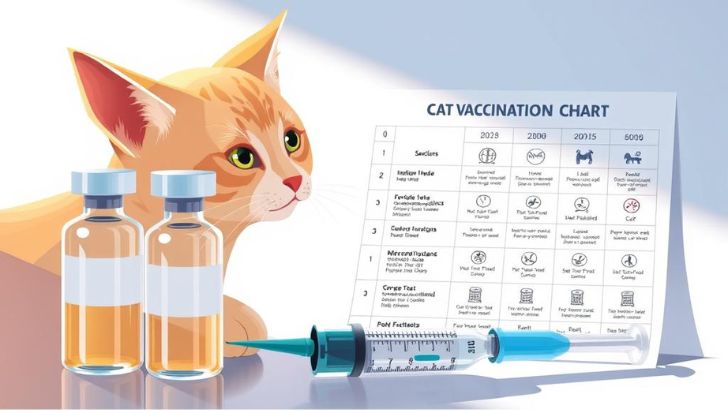
Recognizing the Significance of a Cat Vaccination Schedule
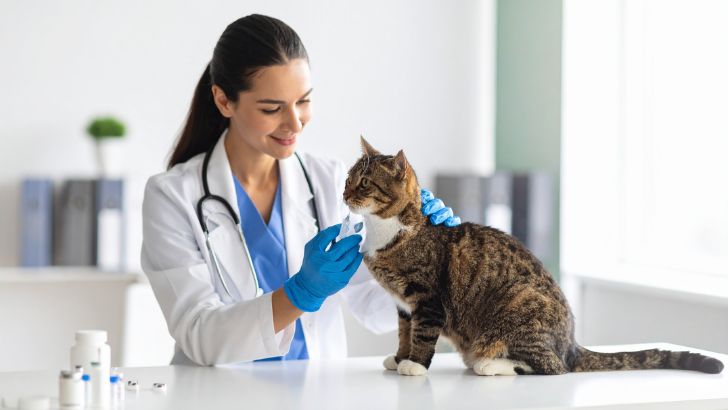
Cat vaccinations are essential for protecting your cat from serious diseases and safeguarding their health. Understanding their importance enables you to take proactive steps to ensure your cat´s well-being.
Why Vaccinations Matter for Cats
Vaccinations are critical in preventing the spread of diseases among cats. Core vaccines protect against serious and potentially fatal illnesses, while non-core vaccines are administered based on your cat´s lifestyle and risk factors. Vaccinating your cat not only keeps them healthy but also benefits the feline community as a whole.
The feline vaccine schedule ensures your cat receives the correct vaccinations at the appropriate times. Kittens typically begin their initial vaccinations between 6-8 weeks of age, followed by regular booster shots.
| Vaccine Type | Disease Protected Against | Importance Level |
|---|---|---|
| Core Vaccines | Feline Panleukopenia, Feline Calicivirus, Feline Herpesvirus | High |
| Non-Core Vaccines | Feline Leukemia Virus, Chlamophila felis | Moderate to High |
Common Myths About Cat Vaccinations
Many myths exist about cat vaccinations. One myth is that indoor cats do not need vaccinations, despite the importance of recommended shots for all cats to protect against diseases that can spread through various means, not just direct contact.
Another myth is that vaccinations are unnecessary due to a low disease risk. However, the severity and outcomes of these diseases are also important; vaccines are a proven method to prevent serious health consequences.
Core Vaccines Every Cat Needs
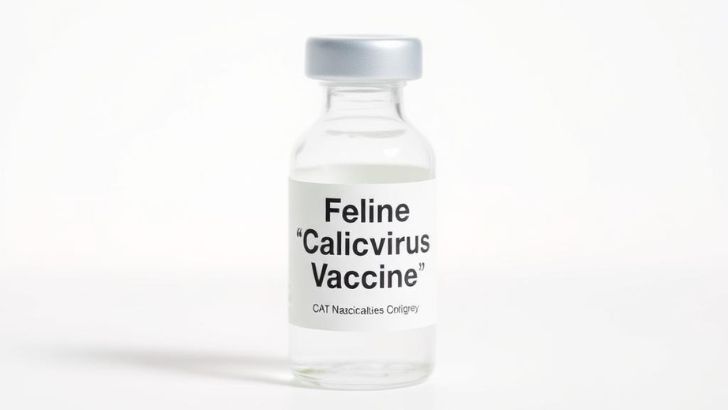
Core vaccines are essential for all cats, regardless of their lifestyle or living environment. They safeguard against life-threatening diseases and are vital for keeping cats healthy.
Understanding these vaccines helps you better care for your cat. The essential vaccines target Feline Panleukopenia, Feline Calicivirus, and Feline Herpesvirus.
Feline Panleukopenia
Feline Panleukopenia, or feline distemper, is highly contagious and can be deadly. It is a core vaccine due to its severity and easy transmission among cats.
“Feline panleukopenia is a serious disease that can have a high mortality rate, even in kittens. Vaccination is crucial to prevent it.”
Feline Calicivirus
Feline Calicivirus causes illnesses in cats, such as mouth ulcers and upper respiratory infections. The vaccine is important for cats that interact with other cats, whether at home or outdoors.
Feline Herpesvirus
Feline Herpesvirus causes symptoms ranging from mild to severe, including upper respiratory issues and eye infections. Vaccination against it is considered essential due to its prevalence and ability to cause significant discomfort in cats.
| Vaccine | Purpose | Importance |
|---|---|---|
| Feline Panleukopenia | Prevents feline distemper | Highly contagious and potentially life-threatening |
| Feline Calicivirus | Prevents oral ulcers and upper respiratory infections | Common cause of illness in cats, mainly in multi-cat homes |
| Feline Herpesvirus | Prevents upper respiratory issues and eye infections | Widespread and can cause a lot of discomfort |
Keeping your cat´s vaccinations current is crucial for their health, helping prevent the spread of serious diseases.
Recommended Vaccination Schedule for Kittens
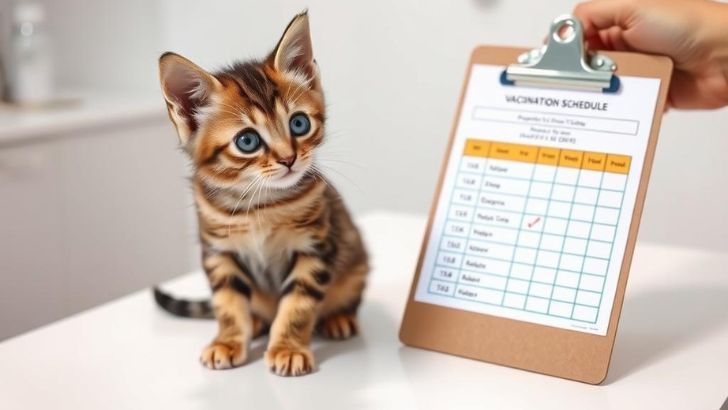
A kitten vaccination schedule is key to maintaining your pet´s health and wellbeing, ensuring they receive the right vaccinations at the correct times. This approach is essential for guarding them against serious diseases and keeping them healthy.
Initial Vaccination Timeline
Kittens begin vaccinations at 6-8 weeks old. They receive a series of shots, spaced 3-4 weeks apart, until they are approximately 16 weeks old. Core vaccines, such as those for feline panleukopenia and feline herpesvirus, are administered during this period.
Core vaccines are crucial for all kittens, regardless of their lifestyle or living conditions. These vaccines protect against severe and potentially life-threatening diseases.
| Age | Vaccination | Booster Schedule |
|---|---|---|
| 6-8 weeks | First core vaccine dose | 3-4 weeks after initial dose |
| 12-14 weeks | Second core vaccine dose | 3-4 weeks after second dose |
| 16 weeks | Final core vaccine dose | 1 year after final dose |
Timing for Booster Shots
Booster shots are vital for maintaining strong immunity in your kitten. The first booster is given one year after the final core vaccine dose. Subsequent boosters depend on the vaccine type and the kitten´s lifestyle.
“Vaccination is one of the most effective ways to protect your kitten from serious diseases. Regular booster shots ensure continued immunity.”
Socializing During Vaccination Period
Socialization is important for kittens between 2-14 months old and involves exposing them to different environments, people, and animals to develop good social skills.
However, it´s essential to balance socialization with disease protection until they are fully vaccinated.
By following the kitten vaccination schedule and consulting with your vet, you can provide your kitten with the best care, ensuring they are protected against diseases.
Cat Vaccination Schedule for Adult Cats
As cats mature, their vaccination needs evolve. They require regular vaccinations to maintain their health. Adult cats also need ongoing vaccinations.
Understanding the vaccination schedule for adult cats is key to preventing the spread of diseases and maintaining their health. It is important to know what influences an adult cat´s vaccination needs.
Routine Vaccine Boosters
Adult cats require booster shots to maintain strong immunity. The timing of these shots depends on the vaccine and the cat´s health, usually administered every one to three years.
Core vaccines protect against feline panleukopenia, feline calicivirus, and feline herpesvirus and are boosted every three years after the initial series, although the rabies vaccine booster schedule may differ, varying from annual to every three years based on local laws and vaccine type.
Adjusting Schedules for Indoor vs. Outdoor Cats
Indoor cats face a lower risk of disease than outdoor cats, but it´s still crucial to follow a veterinarian´s vaccination advice, as indoor cats are not entirely safe.
Outdoor cats are at a higher risk because they encounter more animals, so their vaccination schedule may be more rigorous. Your vet can suggest the best plan based on your cat´s lifestyle and potential risks.
- Consider your cat´s health and lifestyle when creating their vaccination schedule.
- Consult your vet to tailor the plan to your cat´s specific needs.
- Local disease rates can also influence your cat´s vaccination requirements.
Adhering to the correct vaccination schedule helps your adult cat stay healthy and live longer. Regular vet visits are key to keeping your cat´s vaccinations current.
Special Considerations for Senior Cats
Senior cats require a customized vaccination plan, as their immune systems change with age, affecting vaccine responses. It´s important to consider their health and age when selecting vaccines.
Health Assessments Before Vaccination
A thorough health assessment is essential before vaccinating senior cats, including a review of their medical history and a physical exam. In some instances, tests are necessary to evaluate their overall health.
“A thorough health assessment is vital,” says Dr. Jane Smith, a top vet. It helps vets create a vaccination plan that fits the cat´s needs.
It´s best to consult with your vet to assess your senior cat´s health, ensuring the vaccination plan aligns with their condition, age, and lifestyle, including their indoor or outdoor status.
Recommended Vaccines for Senior Cats
Senior cats often focus on vaccines for high-risk diseases. Core vaccines such as rabies, distemper, and upper respiratory viruses are frequently recommended, contingent on the cat´s health and risk factors.
Key Considerations:
- The cat´s overall health and any chronic conditions.
- The cat´s lifestyle, including exposure to other animals.
- The risk of disease in your area.
The American Animal Hospital Association recommends, “Senior cats should get vaccines based on their age, health, and lifestyle.” This strategy protects them without unnecessary risk.
Following these guidelines and collaborating with your vet can help you create a suitable immunization plan, supporting your senior cat´s health and contentment.
Vaccination Requirements for Travel
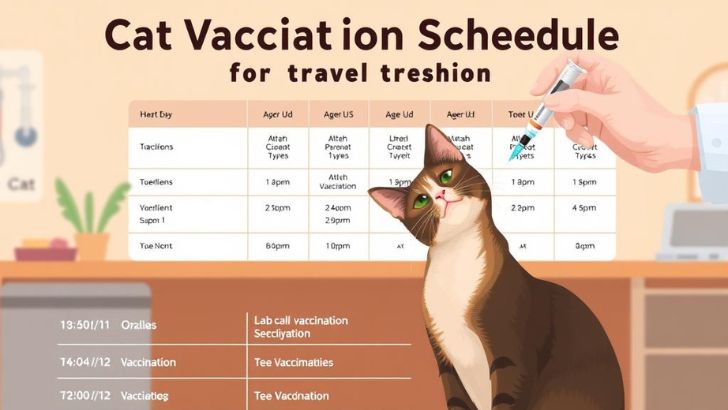
Traveling with your cat necessitates more than just their favorite toys and treats; it requires careful consideration of their health and adherence to the legal requirements of your destination. Understanding vaccination requirements is key to a seamless journey.
Prioritizing your cat´s health and safety is essential when traveling with pets. Different locations have varying regulations regarding the necessary vaccinations for your cat.
Read more about feline healthcare: cat fever symptoms, how to tell if your cat is sick, best cat food for indoor cats
Preparing for Domestic Travel with Cats
Domestic travel has its own set of guidelines. Requirements can vary based on the states you visit. Additionally, the rabies vaccine is universally mandatory in the U.S.
Prior to travel, ensure you:
- Confirm the vaccination requirements for your destination state.
- Make sure your cat´s vaccinations are current, following the feline vaccine timeline provided by your vet.
- Obtain a health certificate for your cat from a vet within 10 days of your trip.
International Travel Vaccination Needs
International travel with cats is more complex, involving specific vaccinations and necessary documentation. The rabies vaccination is mandatory, and further shots may be required.
To prepare:
- Review the import regulations of your destination country well in advance.
- Consult your vet regarding required vaccinations and the recommended schedule.
- Obtain an export health certificate and any necessary permits.
Here´s a concise guide to the necessary requirements for both domestic and international travel with cats:
| Travel Type | Vaccination Requirements | Additional Documentation |
|---|---|---|
| Domestic | Rabies vaccine; others may be required by state | Health certificate within 10 days of travel |
| International | Rabies vaccine; additional vaccines based on destination | Export health certificate; import permits |
Adhering to these guidelines will help you ensure a safe and enjoyable trip for both you and your cat.
Understanding Vaccination Side Effects

Understanding vaccination side effects is crucial for pet owners. Vaccines are essential for your cat´s health, but they can cause side effects. It’s important to understand these reactions and how to manage them.
Common side effects:
Most cats show mild reactions to vaccines. These include feeling tired, loss of appetite, and swelling at the injection site. These issues usually resolve quickly.
Common reactions include:
- Lethargy or decreased activity
- Loss of appetite
- Swelling or redness at the injection site
- Mild fever
Observe your cat closely after vaccination and heed cat health guidelines that recommend swift action if changes occur.
When to Contact Your Veterinarian
Although most side effects are mild, some can be serious. Contact your vet immediately if your cat has severe vomiting, diarrhea, or difficulty breathing. Also, watch for signs of an allergic reaction or unusual behavior.
Following a kitten vaccination schedule is crucial, but being informed about potential side effects is equally important. Your vet can help you understand what to expect and how to manage any issues, ensuring your cat´s health and safety during vaccinations.
Budgeting for Cat Vaccinations
Many pet owners worry about the cost of cat vaccinations. Vaccinations are critical to ensure your cat´s health. It is essential to understand the costs and plan ahead.
Breaking down vaccination costs:
There are initial shots and booster shots later. The first set is crucial for kittens, and prices vary by location and vaccine type.
Cost of Initial Vaccination Series
Kittens require core vaccines like those for feline panleukopenia and herpesvirus. Initial shots generally cost between $50 and $100, depending on the veterinarian and vaccines used.
Remember that vaccines are a crucial part of care. “Vaccinations are a critical component of preventive care,” according to veterinarians. They help prevent expensive health problems down the line.
Options for Vaccine Clinics and Financing
Many veterinarians offer financing or package deals for vaccinations, and some animal organizations provide low-cost clinics as well.
Consult with your vet about budgeting for vaccinations. They can help you find a plan that suits your needs, ensuring your cat receives the necessary shots without financial strain.
Planning and exploring available options can help maintain your cat´s health without straining your budget.
Finding a Veterinarian for Your Cat’s Vaccinations
Finding the right veterinarian is essential for your cat´s health, as they administer the required vaccinations. Having a knowledgeable vet is a significant part of this. This professional can help you understand your cat´s vaccination needs.
Questions to Ask Potential Veterinarians
When searching for a vet, ask important questions. Inquire about their vaccination approach and cat experience. Also, ask how they stay updated with the latest feline health information.
Importance of Regular Check-ups Beyond Vaccinations
Regular vet visits are crucial for your cat´s health. These visits facilitate early detection of health issues, allowing you to discuss your cat´s health beyond vaccinations.
FAQ
What is the typical cat vaccination schedule for kittens?
Kittens start their vaccinations at 6-8 weeks old. They receive boosters every 3-4 weeks until they are 16-17 weeks old. Adhering to a kitten vaccination schedule is essential for ensuring all shots are administered on time.
Are there any non-core vaccines that my cat may need?
Yes, non-core vaccines depend on your cat´s lifestyle and risk factors. For example, the Feline Leukemia Virus (FeLV) vaccine is for cats that go outside or interact with other cats.
How often does my adult cat need vaccinations?
Adult cats require booster shots every 1-3 years, depending on the vaccine and their lifestyle. It is essential to discuss your cat´s vaccination schedule with your vet.
Can senior cats be vaccinated, and are there any special considerations?
Yes, senior cats can be vaccinated, but a health check is required beforehand. A health assessment helps determine the most suitable vaccination plan for your senior cat.
What are the potential side effects of cat vaccinations?
Vaccinations can result in mild fever, tiredness, and soreness at the injection site. Serious side effects are uncommon. Consult your vet if your cat exhibits unusual symptoms.
How much do cat vaccinations typically cost?
Vaccination costs vary based on the vaccine, number of doses needed, and vet fees. Discuss the costs with your vet and explore vaccine clinics or financing options.
Can I travel with my cat, and are there specific vaccination requirements?
Yes, you can travel with your cat, but vaccination requirements vary by destination. Discuss the necessary vaccinations and travel documents with your vet.
How can I find a veterinarian to administer my cat´s vaccinations?
Seek recommendations from friends, family, or other pet owners. Research local vets online. In addition, ask potential vets about their experience, vaccination protocols, and follow-up care.