
As pet owners, we strive to give our cats the best care. One important part of that care is understanding cat fever symptoms and knowing when to take action. Spotting a fever in cats can be tricky, since the signs are often subtle. However, recognizing these symptoms early helps you decide when your pet may need veterinary attention. In this guide, we’ll explore the key signs of feline fever, why they matter, and how you can best support your cat.

Understanding Cat Fever
Fever in cats is a common symptom indicating various health problems. As responsible cat owners, comprehending the fundamentals of cat fever, its causes, and when it necessitates immediate veterinary attention is essential.
What Is Cat Fever?
Cat fever, also known as hyperthermia, occurs when a cat´s body temperature rises excessively, typically exceeding 102.5°F (39°C). It is not a disease itself but a sign of an underlying issue, such as infection, inflammation, or other medical conditions. Understanding that fever is a symptom rather than a diagnosis is key to providing appropriate care.
Common Causes of Cat Fever
Several factors can lead to a cat developing a fever. Common causes include infections (bacterial, viral, or fungal), inflammatory conditions, and even certain types of cancer. Infections are among the most frequent causes and can range from urinary tract infections to more severe conditions like sepsis. Identifying the underlying cause is crucial for effective treatment.
When to Worry About a Fever
The level of concern regarding fevers can vary based on the cat´s overall health, age, and the underlying cause of the fever. A persistent fever or one accompanied by other concerning symptoms, such as lethargy, loss of appetite, or difficulty breathing, warrants immediate veterinary attention. We should be vigilant and monitor our cat´s condition closely, seeking professional advice when needed.
Cat Fever Symptoms and How to Identify Them at Home
Cats frequently exhibit subtle signs when they have a fever. Recognizing these signs early is key. A fever in cats can indicate an underlying health problem. Identifying these indicators can assist in getting them the necessary care promptly.
Elevated Body Temperature
A cat´s normal body temperature ranges from 100.5 to 102.5 degrees Fahrenheit. If it exceeds 103 degrees, it indicates a fever. It´s essential to know how to accurately measure your cat´s temperature to check for fever.
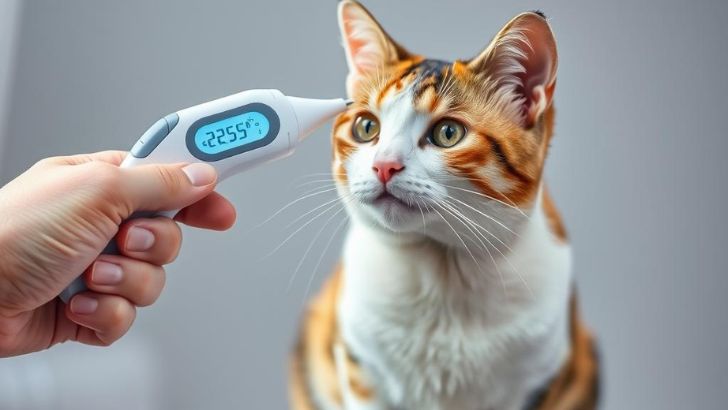
To check your cat´s temperature, you´ll require a digital pet thermometer. Ensure it´s lubricated with petroleum jelly or a similar product. Then, gently insert it into the cat´s rectum. Wait for the beep and then read the temperature.
Lethargy and Weakness
Cats experiencing a fever frequently feel extremely tired and weak. If your cat is less active than usual or seems depressed, it could signal a fever. Pay close attention to your cat´s behavior. Changes in activity can be an early indication of illness.
“Cats are masters at hiding illness, so it´s up to us as pet owners to be vigilant and notice when something is off.” – Dr. Jane Smith, Veterinarian
Changes in Appetite
A decrease in appetite is a common indication of fever in cats. If your cat shows reduced interest in food or water, it may signify they´re unwell. Ensure they consistently have access to fresh water to prevent dehydration.
| Symptom | Description |
|---|---|
| Elevated Body Temperature | Temperature above 103°F |
| Lethargy and Weakness | Less active, depressed |
| Changes in Appetite | Less interest in food or water |
By recognizing these symptoms, you can take initial steps to ensure your cat receives the care they require. If you suspect your cat has a fever, consult your veterinarian for an accurate diagnosis and appropriate treatment.
Behavioral Changes in Feverish Cats

Cats with fever frequently exhibit changes in behavior. These changes can indicate if your cat is sick and requires a vet´s attention.
Increased Vocalization
A cat with a fever may meow or cry more frequently. This is a sign of discomfort or pain.
Key signs to look out for include:
- Louder or more persistent meowing
- Changes in the tone or pitch of their meow
- Vocalizing at unusual times, such as during the night
Hiding or Seeking Attention
Feverish cats may hide more or seek more attention. These actions show they´re not feeling well.
Noticing these changes can help you:
- Identify if your cat is feeling unwell
- Provide comfort and care to your cat
- Decide when to seek veterinary help
Aggression vs. Affection
Some cats with fever may become aggressive when touched. Others may become more affectionate. These changes are hard to understand but are important.
It´s key to be gentle and understanding with your cat. Their behavior is a way of expressing they´re in pain.
Physical Signs of Cat Fever
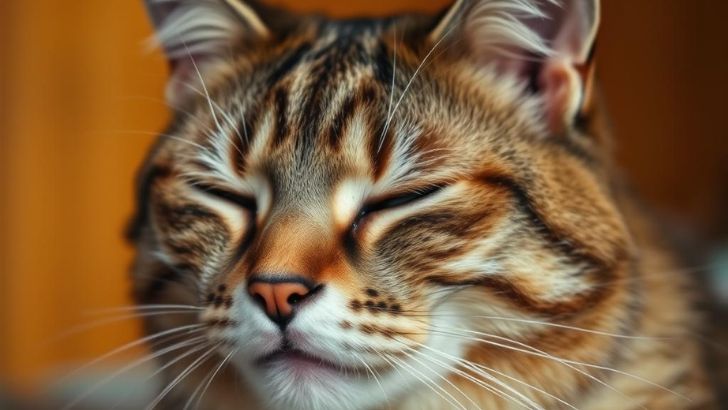
Cats with fever often display clear physical changes. These signs can aid in determining if your cat is sick. Look for changes in heart rate, breathing, and grooming habits.
Fluctuating Heart Rate
A healthy cat´s heart typically beats between 140 to 220 times per minute. If your cat has a fever, its heart rate may increase. Assessing your cat´s heart rate can provide crucial information. Simply place your hand on their chest and count the beats for 15 seconds, then multiply by four.
Respiratory Changes
Cats with fever may breathe faster or have difficulty breathing. Rapid breathing or respiratory problems could indicate an infection. Closely monitor your cat´s breathing and seek veterinary assistance if it deviates from the norm.
Changes in Grooming Habits
Cats generally devote significant attention to grooming. However, a fever can disrupt this routine. They may groom less, resulting in a dull coat. Or, they may groom too much, leading to skin problems.
| Physical Sign | Description | Possible Indication |
|---|---|---|
| Fluctuating Heart Rate | Increased heart rate beyond normal range (140-220 bpm) | Fever or underlying heart condition |
| Respiratory Changes | Rapid breathing or difficulty breathing | Infection, respiratory illness, or other serious conditions |
| Changes in Grooming Habits | Decrease or increase in grooming activities | Fever, stress, or skin conditions |
Recognizing these signs can help you identify a fever in your cat. If unsure, always consult with a veterinarian. They can provide the best guidance.
Diagnosing Fever in Cats

It´s essential to know how to spot fever in cats to give them the best care. Physical checks, temperature readings, and tests are used to diagnose fever.
Taking Your Cat´s Temperature
Checking a cat´s temperature is a key step in diagnosing fever. Cats typically maintain a body temperature between 100.5°F and 102.5°F (38°C to 39°C). A higher temperature may indicate a fever. Special thermometers for cats are used to check their temperature rectally or in the ear.
Normal vs. Feverish Temperature Readings:
| Condition | Temperature Range (°F) | Temperature Range (°C) |
|---|---|---|
| Normal | 100.5 – 102.5 | 38 – 39 |
| Feverish | Above 102.5 | Above 39 |
Importance of Veterinary Visits
Seeing a vet is essential to determine the cause of a cat´s fever. Vets conduct thorough examinations, collect medical histories, and conduct tests to identify the underlying cause.
“A fever is a symptom, not a diagnosis. It´s essential to identify the underlying cause to provide appropriate treatment.” – Veterinary Expert
Common Diagnostic Tests
Various tests help determine the cause of a cat´s fever. These include:
- Blood tests to evaluate for infections or inflammation
- Urine tests to diagnose urinary tract infections
- Imaging studies like X-rays or ultrasound to assess for internal infections or abscesses
Using these tests together helps in finding and treating the underlying cause of a cat´s fever.
Treating Cat Fever at Home
While veterinary care is essential for a cat with a fever, home care can also be beneficial. Treating hyperthermia in cats necessitates a well-considered plan.
When Home Care Is Appropriate
Home care is acceptable when the fever is mild and your veterinarian approves. Recognizing the temperature in cats promptly and understanding the cause of their fever are crucial.
However, remember, home care cannot replace a vet´s diagnosis and treatment. If your cat has a fever and other serious symptoms, seek immediate veterinary attention.
Natural Remedies and Their Efficacy
Some cat owners explore natural remedies for fever. These remedies may not be universally effective, but they can offer your cat some comfort.
- Keeping your cat in a cool, quiet space can help them relax.
- Ensure your cat has access to fresh water to remain hydrated.
- Using a damp cloth to cool your cat can be a good short-term solution.
Consult with your vet before implementing any home-based remedies. They can ensure their safety for your cat.
Monitoring Your Cat´s Condition
Closely monitoring your cat is key when they have a fever at home. Keep track of their temperature, appetite, and behavior, which provides valuable information.
| Monitoring Aspect | Normal Range | Action if Abnormal |
|---|---|---|
| Body Temperature | 100.5°F – 102.5°F | Consult vet if above 104°F or below 99°F |
| Appetite | Eats regularly | Consult vet if loss of appetite persists |
| Behavior | Active, playful | Consult vet if lethargic or shows signs of distress |
By meticulously monitoring these aspects and collaborating with your vet, you can give your cat the best care during their fever.
Medical Treatments for Cat Fever

Medical treatments for cat fever aim to reduce the fever and address the underlying cause. Your vet will develop a treatment plan tailored to your cat´s needs once they have a fever.
Discover more about cat health and care: how to tell if your cat is sick, cat sneezing a lot, cat vaccination schedule
Common Medications for Reducing Fever
Your vet might prescribe anti-inflammatory medications or antibiotics for your cat. These medications help lower the fever and alleviate discomfort. Antibiotics combat bacterial infections contributing to fever.
Some common meds include:
- Meloxicam
- Ampicillin
- Enrofloxacin
Treatment for Underlying Conditions
Treating the cause of the fever is essential, not just the fever itself. This may include diagnostic tests to determine the cause. Treatment is then focused on that specific issue.
For instance, if a bacterial infection is present, your vet may prescribe antibiotics. In the case of a viral infection, supportive care, including fluids and nutrition, may be suggested.
Importance of Follow-Up Visits
Regular check-ups with your vet are crucial. These visits ensure that the fever has subsided and the condition is well-managed. Your vet will monitor your cat´s health and modify the treatment as necessary.
| Treatment Aspect | Description | Importance |
|---|---|---|
| Medication | Anti-inflammatory medications or antibiotics | Reduces fever and treats underlying infections |
| Diagnostic Tests | Tests to determine the cause of the fever | Essential for targeted treatment |
| Follow-Up Visits | Regular check-ups with your veterinarian | Ensures effective management of the condition |
By following your vet´s advice and treatment plan, you can promote your cat´s recovery and prevent future problems.
Preventive Measures for Cat Fever
To prevent cats from developing fevers, owners must schedule regular vet visits and make lifestyle adjustments. Recognizing and implementing these steps can reduce the likelihood of cats experiencing fever-related illnesses.
Routine Health Check-Ups
Regular vet visits are essential to maintain your cat´s health. Your vet can assess your cat´s health, deliver vaccinations, and perform necessary tests. Schedule visits at least twice a year.
Vaccination Importance
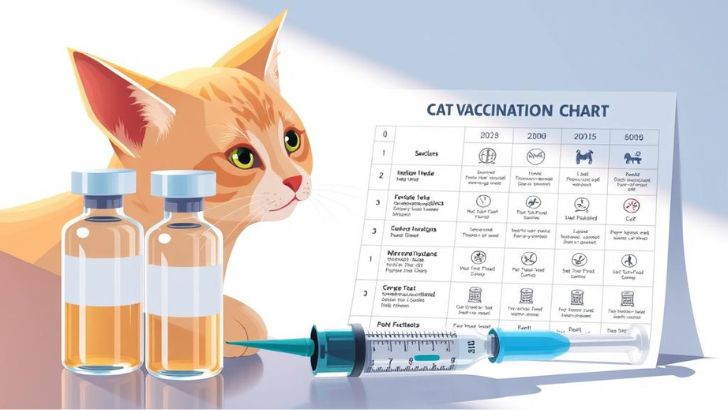
Vaccinations are important to prevent infections that can cause fever in cats. Keeping their shots up-to-date helps protect your cat from diseases. Discuss the appropriate vaccinations for your cat with your vet.
Keeping Cats Indoors
Keeping your cat indoors helps them avoid diseases and parasites that cause fever. Indoor cats are safer from infections and injuries. Ensure the indoor environment is stimulating and engaging for your cat.
Here is a quick review of the significance of these measures:
| Preventive Measure | Benefit |
|---|---|
| Routine Health Check-Ups | Early detection of health issues |
| Vaccinations | Protection against common diseases |
| Keeping Cats Indoors | Reduced exposure to diseases and parasites |
The Relationship Between Fever and Illness
When a cat gets a fever, it often indicates an infection or other illness. Fever is a signal that something is wrong within your cat´s body. Understanding the illnesses that cause fever, how fever assists in combating infections, and its duration can assist you in understanding your cat´s health.
Common Illnesses That Cause Fever
Fever in cats can arise from various causes, including infections, inflammation, and certain forms of cancer. Some typical causes include:
- Bacterial infections
- Viral infections such as feline leukemia or feline immunodeficiency virus
- Fungal infections
- Parasitic infections
- Abscesses or infected wounds
Diagnosing the origin of your cat´s fever is essential to ensure they receive proper treatment. Your vet will conduct tests to identify the cause.
How Fever Helps Fight Infections
Fever represents your cat´s body´s defense against infections. It hinders germ growth. Often, fever is a beneficial response that aids your cat in combating infections. However, exceedingly high or prolonged fevers can be dangerous and require medical attention.
Understanding Fever Duration
The duration of a fever in cats varies based on the cause. Some fevers resolve within a few days, while others can persist longer if the underlying problem is not addressed. Carefully monitoring your cat´s temperature and overall condition is essential.
| Cause of Fever | Typical Duration | Expected Outcome |
|---|---|---|
| Viral infections | 3-7 days | Resolution with supportive care |
| Bacterial infections | Variable, often resolves with antibiotics | Improvement with appropriate antibiotic therapy |
| Fungal infections | Often prolonged, requires antifungal treatment | Resolution with appropriate antifungal therapy |
Collaborating with your vet to pinpoint the cause of your cat´s fever and create a treatment plan is crucial. Understanding fever and illness helps you take better care of your cat and support their recovery.
Myths and Facts About Cat Fever
The subject of cat fever is filled with myths. Let´s examine the truths. Cat fever, or hyperthermia, can result from infections, and inflammatory diseases. Knowing the myths and facts is key when caring for your cat.
Common Misconceptions
Many believe a fever indicates severe illness. However, a fever is a natural response to infection or inflammation. While not always a source of concern, it warrants attention.
- Believing that all fevers are the same and necessitate identical treatment.
- Assuming that a feverish cat is consistently lethargic and unresponsive.
- Thinking that human medications are safe for cats.
These misconceptions can lead to inappropriate care and delayed vet visits. Remembering that each cat´s health condition is unique and needs a tailored approach is important.
Scientific Facts to Know
Knowing the scientific facts about cat fever helps you make better health decisions for your cat. Here are some key points:
- Fever is a symptom, not a disease. It indicates your cat´s body is fighting something.
- A normal body temperature for cats ranges between 100.5°F and 102.5°F (38°C to 39°C). A fever is when it exceeds 103°F (39.4°C).
- Treating hyperthermia in cats requires identifying and addressing the underlying cause, such as infection or inflammation.
Understanding these facts can help you better support your cat and collaborate with your vet to determine the right treatment.
How to Educate Others
As a cat owner, you play a key role in educating others about cat fever. Sharing your knowledge can help dispel myths and guarantee cats receive the care they need.
- Share articles and resources from trusted sources.
- Discuss your experiences with your vet and other cat owners.
- Encourage others to seek veterinary care if they suspect their cat has a fever.
Together, we can build a community with improved understanding and improved care for cats experiencing fever.
Seeking Veterinary Help
Diagnosing fever in cats is crucial. As a cat owner, understanding when to seek veterinary assistance is essential. It can significantly affect your cat´s welfare and recovery.
Recognizing the Right Moment
It´s crucial to understand when to call the vet. If your cat´s temperature is high, or if they seem tired, have no appetite, or behave differently, it´s time to see a vet.
Effective Communication with Your Veterinarian
During the vet visit, ask the appropriate questions. Determine the possible causes, needed tests, and the available treatments.
Preparing for a Smooth Vet Visit
To ensure a smooth vet visit, document your cat´s symptoms. Include the duration and severity. This aids the vet in accurately diagnosing and managing your cat´s condition.
FAQ
What are the common signs of fever in cats?
Cats with fever may appear tired and weak. They might eat less or more than usual. They could also meow more than usual.
Physical signs include a changing heart rate and breathing. They might also groom less than before.
How can I take my cat´s temperature?
Use a digital thermometer made for cats, either rectally or in the ear. Always follow the instructions and be gentle. This helps avoid stressing your cat.
What are the common causes of cat fever?
Cat fever can result from infections, diseases, or even cancer. Determining the cause is key to helping your cat.
Can I treat my cat´s fever at home?
Some home care might be acceptable when approved by a vet. However, it´s best to consult a vet, who can diagnose the cause and guide treatment.
How can I prevent my cat from getting a fever?
Regular vet visits and keeping vaccinations up-to-date are important. Also, keeping your cat indoors can help prevent fevers.
What are the common medications used to reduce fever in cats?
Vets often prescribe antibiotics, anti-inflammatory drugs, and antipyretics. These help lower the fever and treat the underlying cause.
How long does a fever typically last in cats?
Fever duration in cats varies based on the cause and treatment. It can last from a few days to weeks.
When should I seek immediate veterinary attention for my cat´s fever?
Seek prompt veterinary assistance if your cat has difficulty breathing, vomits, or is extremely fatigued. Additionally, seek assistance if the fever is persistent or worsening.