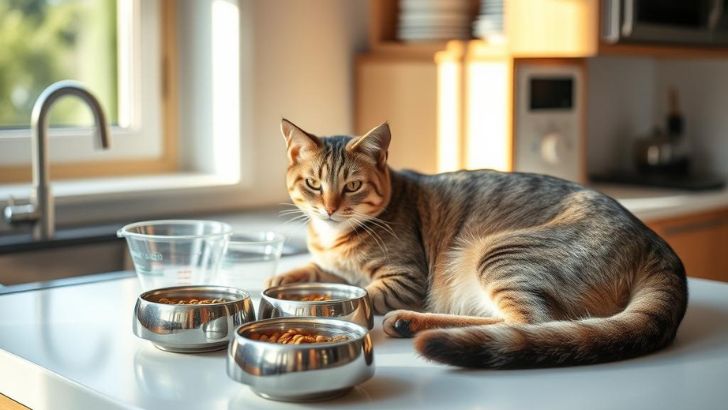

As cat owners, we prioritize the well-being of our feline companions. Providing them with nutritious meals tailored to their specific requirements is one way to achieve this.
By preparing healthy cat food recipes at home, we can exclude the fillers and by-products often found in commercial products. This approach gives us control over our cat´s diet, ensuring they receive the essential nutrients necessary for optimal health.
We will explore the advantages of homemade cat food and provide easy recipes to help you begin this journey of nourishing your companion.
Why Choose Homemade Cat Food?

Homemade cat food offers various benefits, including improved health and environmental advantages. You can guarantee that your cat consumes the best food without harmful additives often present in store-bought cat food.
Benefits for Your Cat´s Health
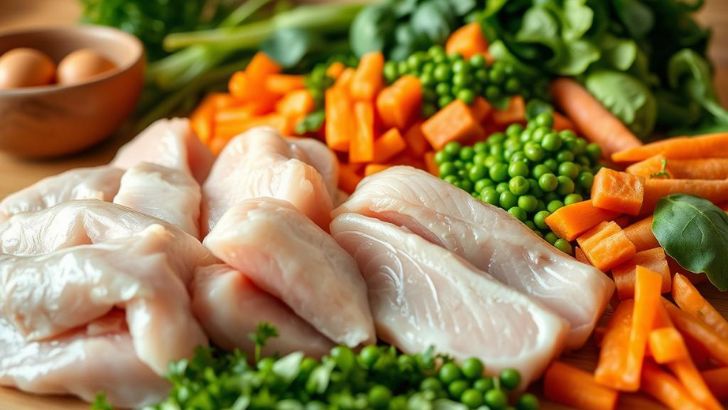
Homemade food allows you to tailor your cat´s diet to their health requirements. Using high-quality ingredients can prevent illnesses like obesity and diabetes. For example, lean proteins and fresh vegetables provide essential nutrients.
Cost-Effectiveness of Homemade Meals
Initially, homemade cat food may seem expensive. However, it can actually save money over time. Buying ingredients in bulk and planning meals can reduce costs. Furthermore, a healthy diet leads to fewer vet visits, saving on healthcare expenses.
Environmental Considerations
The production of commercial cat food can be harmful to the environment. Homemade cat food is a more environmentally friendly option. Utilizing local ingredients and minimizing packaging waste are key ways to be more eco-conscious.
Essential Nutrients for Cats

Your cat´s health depends on the right mix of nutrients. Cats need a diet rich in protein from animal sources. Understanding your cat´s nutrient needs is key to making balanced homemade cat food.
Proteins: The Building Blocks of Feline Nutrition
Proteins are vital for your cat´s health. They aid in building muscles, skin, and other tissues. High-quality protein sources include chicken, salmon, and beef. It´s crucial to combine various protein sources to provide all the necessary amino acids for your cat.
Key protein sources for cats:
- Chicken
- Salmon
- Beef
- Turkey
Fats: Healthy Sources for Energy
Fats are essential in your cat´s diet. They provide energy and support skin and coat health. Healthy fats include fish oil and chicken fat. These fats are rich in omega-3 fatty acids, benefiting your cat´s health.
Benefits of healthy fats for cats:
- Energy source
- Supports skin and coat health
- Rich in omega-3 fatty acids
Vitamins and Minerals: What Does Your Cat Need?
Vitamins and minerals are crucial for your cat´s health. They help with bone health and immune function. Cats need vitamins A, D, and calcium. Including these essential nutrients in your homemade cat food is crucial for your cat´s well-being.
| Vitamins/Minerals | Function | Sources |
|---|---|---|
| Vitamin A | Vision, immune function | Liver, fish oil |
| Vitamin D | Bone health | Fish, supplements |
| Calcium | Bone health | Bone meal, dairy |
By adding these essential nutrients to your homemade cat food, you can help your cat live a healthy and happy life.
Ingredients to Include in Homemade Cat Food
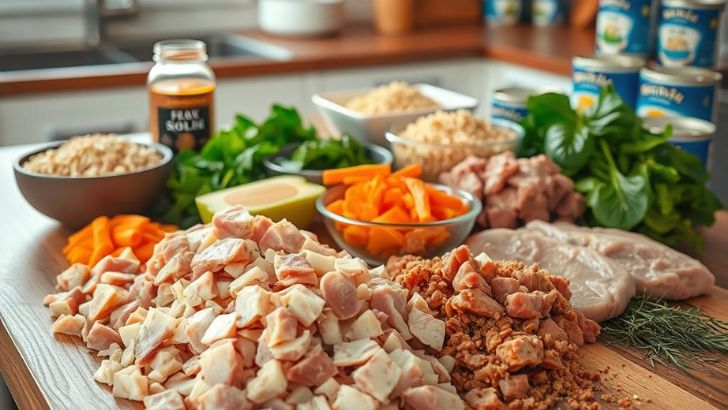
To keep your cat healthy, choosing the right ingredients for their food is key. A balanced diet is vital for their health and happiness.
High-Quality Meats
Meats are essential for homemade cat food, providing the necessary protein. Use chicken, salmon, or turkey, as they are high in protein and easily digestible. Mixing meats ensures your cat gets a wide variety of nutrients.
Fresh Vegetables and Grains
Fresh vegetables and grains contribute fiber, vitamins, and minerals to your cat´s diet. Carrots, green beans, and peas are suitable vegetables. Brown rice and oats are beneficial grains, aiding in the maintenance of your cat´s digestive health.
Supplements: When and Why to Use Them
Even with a well-balanced homemade diet, sometimes supplements may be needed. Omega-3 fatty acids help with skin and coat health, while probiotics support digestion. Always seek veterinary advice before adding supplements to ensure suitability for your cat.
By selecting these ingredients carefully, you can create a healthy, balanced homemade cat food that supports your cat´s health and happiness.
Ingredients to Avoid
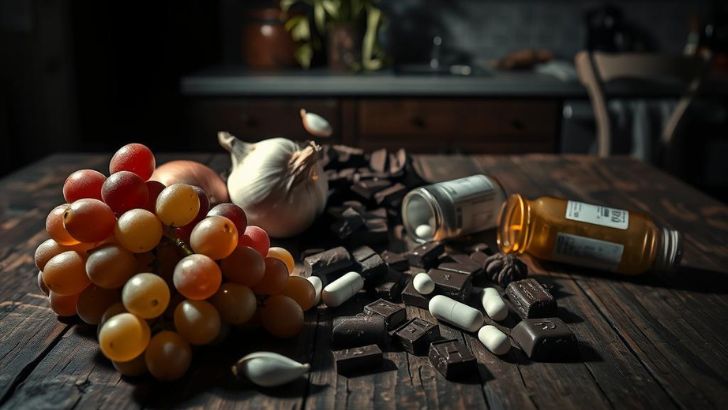
To protect your cat´s safety, it´s crucial to be aware of and avoid toxic ingredients in their food. Homemade cat food can be very healthy; however, some ingredients can cause harm or be toxic to cats.
Toxic Foods for Cats
Some foods safe for humans can be harmful to cats. Onions, garlic, and chives can damage a cat´s red blood cells, leading to anemia. Grapes and raisins can cause kidney failure in cats, although the exact reason is unknown. Other hazardous foods include chocolate and caffeine due to their stimulant effects.
Processed Ingredients to Skip
Processed ingredients are not beneficial for your cat´s health. They offer limited nutritional value and may contain harmful additives. Fillers and by-products found in commercial cat foods should also be avoided in homemade recipes, as they can cause digestive problems and lead to chronic health issues. Instead, use whole, nutrient-rich foods to support your cat´s health.
Allergens to Watch For
Cats may also develop allergies or sensitivities to specific ingredients. Common allergens include beef, dairy, and fish. If your cat shows signs of itching, scratching, or digestive upset after eating a new food, it might be an allergen. Observe your cat´s reaction to new foods and modify their diet if necessary. If your cat experiences a severe allergic reaction, consult a vet for the best solution.
Simple Homemade Cat Food Recipes
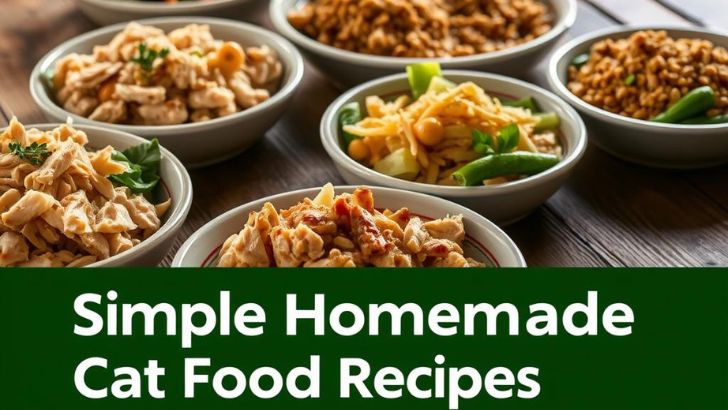
Homemade cat food recipes provide a great way to guarantee your cat eats well. You can select the ingredients and modify the recipes to meet your cat´s specific needs.
Chicken and Rice Delight
This recipe is easy and tasty. It includes:
- 1 pound of boneless, skinless chicken breast or thighs
- 1/2 cup of cooked white or brown rice
- 1/4 cup of finely chopped carrots
- 1 teaspoon of fish oil
Mix all ingredients and serve. It´s packed with protein and fiber, making it a healthy meal for your cat.
Salmon and Pumpkin Medley
This recipe is both delicious and nutritious. It includes:
- 1 can of salmon (drained and flaked)
- 1/2 cup of cooked pumpkin
- 1/4 cup of finely chopped green beans
- 1 teaspoon of flaxseed oil
Combine the ingredients and serve. The salmon provides omega-3 fatty acids, and the pumpkin supports digestion.
Beef and Carrot Stew
This hearty stew is a great way to add variety to your cat´s diet. It includes:
- 1 pound of ground beef
- 1/2 cup of finely chopped carrots
- 1/4 cup of cooked sweet potatoes
- 1 teaspoon of coconut oil
Brown the ground beef, then add the chopped carrots and cooked sweet potatoes. Mix well and serve. It´s full of protein and vitamins.
These healthy cat food recipes are easy to follow and can be adapted to your cat´s preferences and needs. By creating homemade cat food, you can ensure your cat receives the essential nutrients for maintaining their health.
Transitioning Your Cat to Homemade Food
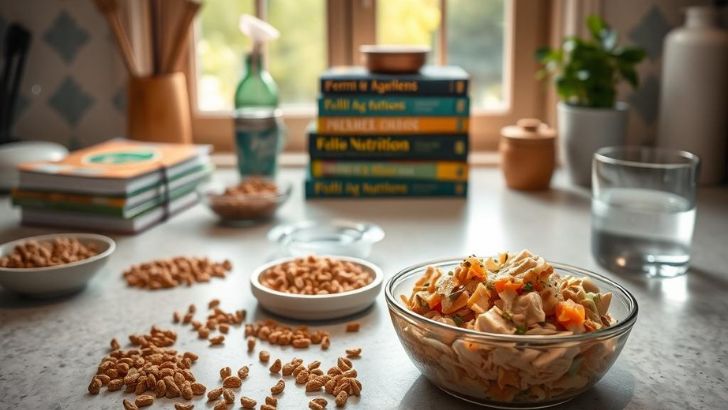
Changing to homemade cat food requires patience and careful observation. Adding new foods gradually is crucial to prevent stomach upset. This enables your cat´s body to adjust to the changes.
Gradual Introduction: How to Do It
Begin by mixing a small amount of homemade cat food with their usual food. Slowly increase the homemade food over 7-10 days. This gradual approach helps prevent digestive issues.
For instance, on day one, start with 25% homemade food and 75% commercial food. By day four or five, increase this to 50%. By day ten, they should be fully on homemade food.
Observing Your Cat´s Reactions
Monitor your cat closely when introducing DIY cat food. Observe their stool, energy levels, and overall health. If they exhibit signs of distress, such as diarrhea or lethargy, slow down the transition.
“A gradual transition is key to a successful dietary change. Rushing this process can lead to unnecessary stress for both you and your cat.”
Adjusting Recipes Based on Their Preferences
Once your cat is fully accustomed to homemade cat treats and meals, pay attention to their preferences. If they favor specific foods, adjust your recipes accordingly.
If they prefer chicken over beef, increase the use of chicken. This ensures they enjoy their food and maintain their health.
By considering your cat´s requirements and preferences, you can create a diet that suits them perfectly. This boosts their health and happiness.
Understanding Cat Food Labels
Knowing the contents of your cat´s food is essential, whether store-bought or homemade. Cat food labels provide extensive information to help you choose the best diet for your cat.
When examining a cat food label, don´t focus only on the front. The ingredient list and nutritional information on the back or side offer more details about the food´s quality and nutritional value.
Decoding Ingredients in Commercial Food
Commercial cat food labels list ingredients by weight, which can be misleading. It doesn´t factor in moisture content. For example, a food might list “chicken” first, but it could have more carbs than protein if the chicken is mostly water.
To better understand the ingredient list, look for:
- Named protein sources (e.g., chicken, salmon, beef)
- Whole grains or vegetables (e.g., brown rice, oats, carrots)
- Avoiding fillers (e.g., corn, wheat, soy)
By-products or meat meals, which can be lower-quality ingredients
What to Look for in Store-Bought vs. Homemade
Store-bought cat food meets nutritional standards but may contain preservatives and additives. Homemade cat food allows you to select the ingredients and omit additives.
| Feature | Store-Bought Cat Food | Homemade Cat Food |
|---|---|---|
| Ingredient Control | Limited control over ingredients | Complete control over ingredients |
| Nutritional Balance | Formulated to meet nutritional standards | Requires careful planning to ensure nutritional balance |
| Preservatives and Additives | May contain preservatives and additives | Can avoid preservatives and additives |
Whether you choose store-bought or homemade cat food, understanding the ingredients and nutritional content is critical to making informed decisions about your cat´s diet.
Food Safety Tips for Homemade Cat Food
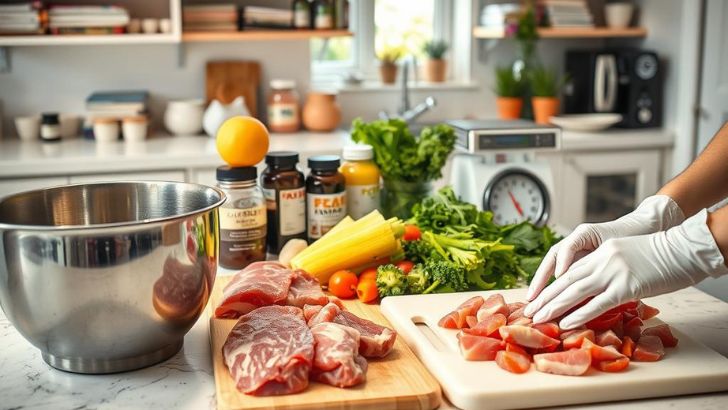
When preparing homemade cat food, prioritizing safety is crucial. It´s vital to prevent contamination and spoilage. Being aware of the risks and taking necessary precautions is essential.
See more healthy cat feeding ideas: best cat food for indoor cats, cat feeding schedule, natural cat treats
Safe Preparation Methods
To ensure the safety of homemade cat food, prepare it correctly. This means handling ingredients safely, using clean tools, and cooking food to the proper temperature. “Handling raw meat, poultry, and seafood requires careful attention to prevent cross-contamination,” according to experts.
Always wash hands before and after handling raw ingredients. Using separate cutting boards for meat and vegetables also prevents bacterial spread.
Proper Storage Techniques
After creating homemade cat food, proper storage is essential. Cooked food should be stored in airtight containers in the refrigerator at 40°F (4°C) or below. Frozen meals must be at 0°F (-18°C) or colder.
- Label containers with the date and contents.
- Use shallow containers to facilitate quick cooling.
- Keep raw meat, eggs, and leftovers separate from ready-to-eat foods.
Signs of Spoilage to Watch For
Even with proper storage, check for signs of spoilage before feeding homemade cat food. Look for mold, slime, or an off-putting smell. If the food looks or smells spoiled, or if it has been stored for too long, discard it.
As responsible cat owners, we must carefully monitor what we feed our pets. By following these safety tips, we can guarantee that our homemade cat food is both healthy and safe.
Consulting with a Veterinarian
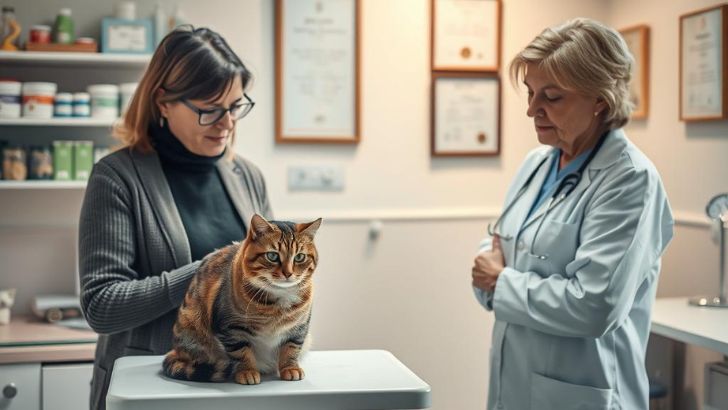
To ensure your cat thrives on homemade food, speaking with a vet is vital. Modifying your cat´s diet can be daunting; a vet can help. They can create a meal plan that perfectly suits your cat´s individual needs.
Importance of Professional Guidance
Veterinarians are essential for understanding your cat´s dietary requirements. They can offer the best possible advice for your cat´s health. This guidance aids in maintaining your cat´s health and happiness.
Moreover, vets can detect health issues early on and help you transition your cat´s diet gradually. This supports their digestive well-being.
Regular Check-Ups and Dietary Recommendations
Regular veterinary check-ups are essential when feeding homemade food. These visits allow your veterinarian to monitor your cat´s health. They can adjust the diet as needed.
Your vet might suggest adding supplements or modifying the protein source in your cat´s food. Following their advice ensures your cat gets the necessary nutrients.
We strongly recommend consulting your veterinarian regularly to assess your cat´s diet. This collaborative approach supports your cat´s health and happiness on their homemade diet.
Choosing High-Quality Ingredients
High-quality ingredients are fundamental to a balanced and nutritious homemade cat food diet. The ingredients you select can greatly affect your cat´s health and happiness.
Sourcing Organic and Natural Foods
Opting for organic and natural ingredients is a wise choice for your cat´s meals. Organic foods are less likely to contain harmful chemicals. For example, organic meats avoid antibiotics and hormones often found in conventional livestock.
Natural foods are generally less processed, which offers a better nutritional profile. Look for “natural” labels that list fewer ingredients and less processing. While “natural” is not as strictly regulated as “organic,” it suggests reduced artificial components.
Local vs. Store-Bought Options
The choice between local and store-bought ingredients depends on multiple factors. Local options can be fresher and support the local economy. They also minimize carbon emissions associated with transportation.
Store-bought ingredients are convenient and consistent. Many stores now offer organic and natural products. Always check labels to ensure quality, regardless of where you shop.
The best option between local and store-bought varies on the circumstances. A combination of both can add variety and maintain your cat´s diet´s interest and health.
Common Myths About Homemade Cat Food
Many cat owners are hesitant to switch to homemade cat food. This stems from misconceptions regarding its benefits and preparation. We will dispel these myths and provide evidence-based facts to assist you in making informed decisions about your cat´s diet.
Nutritional Balance and Safety
One common myth suggests homemade cat food is nutritionally unbalanced. However, with appropriate planning and veterinary guidance, homemade cat food can be balanced. It can even offer healthy cat food recipes that meet your cat´s needs.
Using fresh ingredients can make your cat´s meals more nutritious. This provides homemade cat food benefits that commercial foods may lack.
Debunking the Complexity Myth
Another misconception is that creating natural cat food at home is overly complicated or time-consuming. However, simple recipes featuring wholesome ingredients are easily prepared and contribute to your cat´s health.
By choosing the right ingredients and following safe preparation methods, you can provide your cat with a nutritious and delicious meal.
Understanding the facts about homemade cat food empowers you to make better choices. With the right knowledge and resources, you can create healthy, balanced meals that your cat will love.
FAQ
What are the benefits of feeding my cat homemade food?
Feeding your cat homemade food enables you to customize their diet, avoiding fillers and by-products common in commercial cat food. This may improve your cat´s health and overall well-being.
How do I ensure my cat receives the nutrients they need from homemade food?
To ensure your cat receives the correct nutrients, incorporate high-quality protein sources, healthy fats, and crucial vitamins and minerals into their meals. A veterinarian can assist in crafting a balanced diet.
What are some common ingredients to include in homemade cat food?
Common ingredients in homemade cat food include high-quality meats like chicken, salmon, and beef. You should also add fresh vegetables and whole grains. Supplements can also ensure a balanced diet.
Are there any ingredients I should avoid when making homemade cat food?
Yes, avoid ingredients that are toxic to cats or may cause allergic reactions. These include onions, garlic, and chocolate. Additionally, steer clear of processed ingredients and allergens.
How do I transition my cat to homemade food?
To transition your cat, start by mixing a small amount of homemade food with their existing diet. Gradually increase the proportion of homemade food over time to prevent digestive upset.
Can I make homemade dry cat food, or is it better to make wet cat food?
Both homemade dry and wet cat food can be nutritious. Wet cat food is beneficial for cats with urinary issues or those needing increased moisture.
How do I store homemade cat food to maintain its freshness?
Store homemade cat food in airtight containers in the refrigerator or freezer. Always check for spoilage before serving.
Is it necessary to consult with a veterinarian before switching to homemade cat food?
Yes, consulting with a veterinarian before changing your cat´s diet is crucial. They can guide you on ensuring your cat´s nutritional needs are met.
Are there any specific food safety tips I should follow when preparing homemade cat food?
When preparing homemade cat food, adhere to safe preparation methods. Handle ingredients hygienically and cook food to the proper temperature. Proper storage and regular checks for spoilage are also essential.
Can I use homemade cat treats as part of my cat´s diet?
Yes, homemade cat treats can be a healthy addition to your cat´s diet. However, ensure you limit the quantity and that they don´t make up too large a portion of their daily caloric intake.