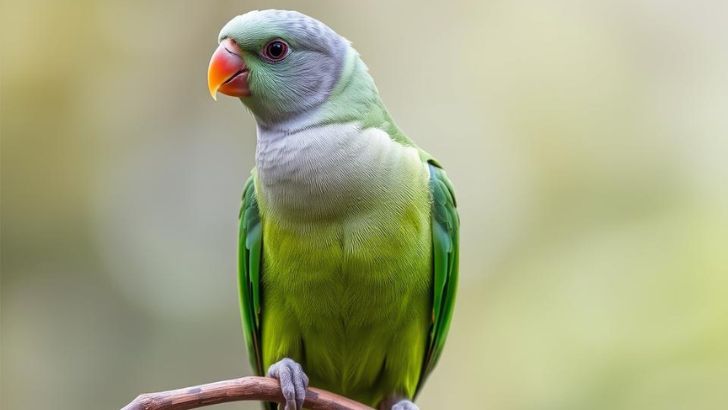

As dedicated pet guardians, we recognize the profound importance of providing excellent care for our avian companions. Attending to the needs of a cockatiel extends far beyond merely supplying a cage and sustenance; it necessitates a meticulous approach to ensure their sustained health and overall contentment.
Every facet, from their dietary intake to their living environment, plays a pivotal role in your pet´s happiness. This guide is designed to navigate the fundamental aspects of cockatiel husbandry, empowering you to cultivate an environment where your feathered friend can truly thrive.
Introduction to Cockatiels

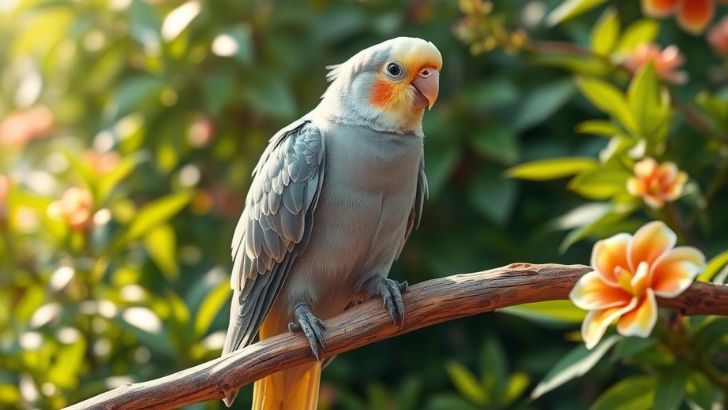
Cockatiels are celebrated for their endearing, affectionate dispositions, making them a favored choice among avian enthusiasts globally. These birds are not only visually striking due to their diverse coloration but also adept at vocal mimicry and forming strong attachments with their human caretakers.
Native to Australia, cockatiels have enjoyed considerable popularity as domestic pets for an extended period. Their compact size, congenial temperament, and capacity for learning contribute to their appeal as ideal companions.
What Are Cockatiels?
As members of the cockatoo family, cockatiels are a distinct species of parrot. They are characterized by a prominent crest atop their heads, which they can raise or lower at will. Possessing considerable intelligence, they exhibit the remarkable ability to imitate human speech and various other sounds, enhancing their value as engaging companions.
Popular Varieties of Cockatiels
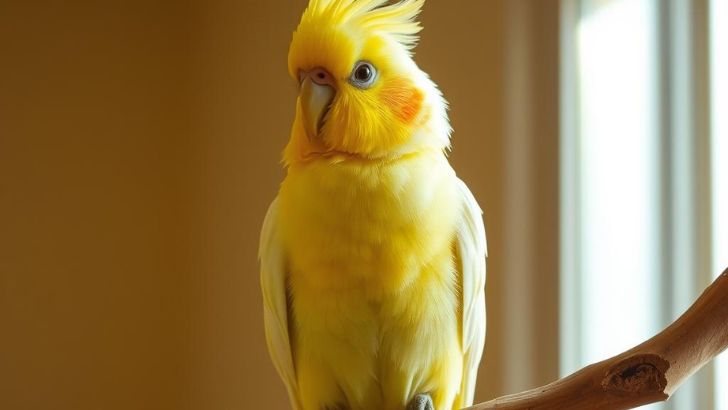
Through dedicated breeding efforts over time, numerous color mutations of cockatiels have been developed. These include notable variations such as lutino, pied, and albino, each presenting a unique aesthetic appeal.
These diverse colorations further enhance the allure of cockatiels, offering a broad spectrum of choices for prospective bird owners. Regardless of preference for the classic grey or more exotic hues, a suitable cockatiel exists for every individual.
Cockatiel Lifespan and Health
A fundamental aspect of responsible ownership involves understanding the typical lifespan and health considerations for cockatiels. With appropriate care and attention, a cockatiel can reasonably expect to live for 15 to 20 years. Maintaining a balanced diet, ensuring adequate exercise, and providing a clean, secure living space are paramount to their overall health.
Furthermore, regular veterinary consultations are indispensable for early detection of potential health issues. Common ailments encountered include respiratory infections and nutritional deficiencies, both of which can be mitigated through diligent care practices.
Choosing the Right Cockatiel
The selection of a suitable cockatiel transcends the mere act of choosing a pet; it involves identifying a feathered companion destined to become an integral part of your household. A thorough understanding of their behavioral patterns and health indicators is essential for this process.
Selecting a Healthy Bird
When choosing a cockatiel, prioritize those that are active, alert, and responsive to their surroundings. A healthy specimen will exhibit clear, bright eyes, smooth and well-maintained feathers, and display no overt signs of illness. Engaging with reputable breeders or established pet stores increases the likelihood of acquiring a well-cared-for bird.
Male vs. Female Cockatiels
The decision between a male and a female cockatiel often hinges on individual preferences and expectations. Males are typically recognized for their more robust vocalizations, including singing, and tend to be more overtly social. Females, while still affectionate, may exhibit a more reserved demeanor. Awareness of these distinct characteristics can guide your selection process.
Considerations Before Getting a Cockatiel
It is imperative to acknowledge that cockatiels possess a considerable lifespan, potentially reaching 15 to 20 years. Prospective owners should carefully evaluate their personal lifestyle and commitment capacity to ensure they can dedicate the necessary time and attention. Acquiring knowledge about cockatiel behavior will better prepare you for their specific needs and interactions.
Cockatiels are inclined to form profound bonds with their human caretakers, necessitating ample attention, social engagement, and a stimulating environment. Committing to their care will undoubtedly result in a profoundly rewarding experience.
Essential Cockatiel Housing
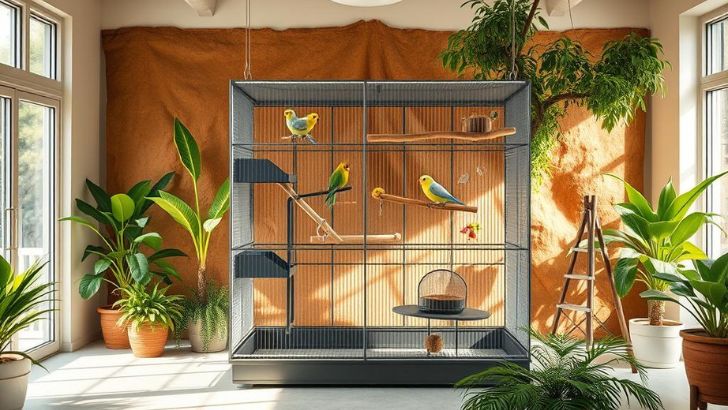
The establishment of an appropriate housing setup is fundamental to ensuring your cockatiel´s contentment and physiological well-being. A thoughtfully designed cage, coupled with a secure indoor environment, is indispensable for your bird´s overall health.
Ideal Cage Size and Setup
The dimensions of the cage are critically important for your cockatiel. It should be sufficiently spacious to allow for unimpeded flight and movement within the enclosure. A cage measuring approximately 24 inches in length, 18 inches in width, and 24 inches in height is generally recommended. The spacing between the cage bars should be no more than 1 inch to facilitate safe climbing and perching.
Incorporate a variety of perches within the cage to promote the health of your cockatiel´s feet. Position the cage in a tranquil location that is free from drafts, direct sunlight, and proximity to other household pets.
Recommended Cage Accessories
The inclusion of appropriate cage accessories significantly enhances the quality of life for your cockatiel. Essential items comprise:
- Easily cleanable receptacles for food and water.
- A cuttlebone or mineral block to provide necessary calcium and trace minerals.
- A diverse assortment of toys, including bells, ladders, and chewable items.
- A comfortable nesting box or enclosed shelter for periods of rest.
Regularly rotate the assortment of toys to maintain your cockatiel´s interest and prevent the onset of ennui.
Safe Indoor Environment
The creation of a secure indoor space is paramount for safeguarding your cockatiel´s health. This entails:
- Ensuring toxic substances and certain household plants are kept out of reach.
- Securing any exposed electrical wires and potentially hazardous materials.
- Preventing access to precarious areas such as kitchens or bathrooms.
- Providing vigilant supervision during periods when your cockatiel is outside its cage to avert accidental harm.
By meticulously addressing these considerations, you can effectively establish a secure and nurturing environment for your cockatiel.
Nutrition and Feeding
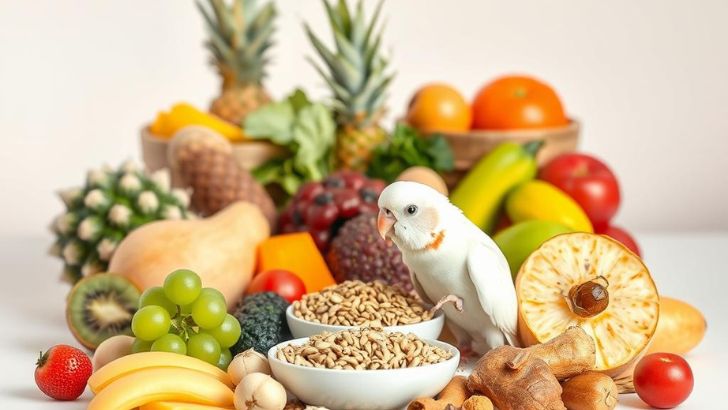
Understanding the precise nutritional requirements of your cockatiel is fundamental to its health and overall happiness. A balanced diet is indispensable, extending beyond a simple seed-based mixture. It is crucial to incorporate a diverse range of nutrients to ensure your feathered companion flourishes.
Best Diet for Cockatiels
Initiate the dietary regimen with a high-quality commercial pellet formulated for cockatiels or small parrots, as this should constitute the primary food source, providing a comprehensive nutrient profile. Supplement this with fresh foods to introduce variety and additional nutritional benefits.
Exercise moderation with seed consumption, as seeds are calorically dense and high in fat. Utilize seeds judiciously as rewards during training or as occasional treats, rather than as the staple of their diet.
Importance of Fresh Foods
Fresh foods are crucial for delivering essential vitamins and minerals, as well as providing dietary variety. Dark leafy greens, such as kale and spinach, are particularly rich in calcium and vital vitamins. Fruits like apples and berries offer valuable antioxidants and dietary fiber. Introduce new foods gradually to prevent any potential gastrointestinal upset.
| Fresh Food | Nutritional Benefit |
|---|---|
| Kale | Rich in calcium and vitamins |
| Apples | High in fiber and antioxidants |
| Carrots | Good source of vitamin A |
Common Foods to Avoid
Certain food items are detrimental to cockatiels and must be strictly avoided. Refrain from offering avocado, chocolate, and any foods excessively high in salt or sugar. Additionally, exercise caution with foods that may pose a choking hazard or cause digestive distress, such as fruit pits, seeds, and hard-textured items.
By adhering to a balanced dietary plan that incorporates quality pellets, limited seeds, and an abundance of fresh foods, you will significantly contribute to your cockatiel´s long and healthy life.
Grooming Your Cockatiel

The practice of cockatiel grooming is essential for maintaining both their physical health and their aesthetic appearance, serving to keep them clean and prevent the onset of illness. As the adage among avian enthusiasts suggests, “A clean bird is a happy bird,” underscoring the significance of regular grooming routines.
Feather Care and Bathing
The upkeep of a cockatiel´s feathers is of paramount importance for their overall health and vibrancy. Regular bathing contributes to the cleanliness and luster of their plumage.
Bathing options include providing a shallow water dish or utilizing a fine mist spray bottle. Some cockatiels exhibit a preference for one method over the other. Experimentation with both approaches will help determine your bird´s favored bathing method.
Tips for Bathing: Employ lukewarm water to avoid causing undue stress to your bird. Exercise caution to prevent water from entering their facial area or auditory canals.
Nail Trimming Basics
The regular trimming of a cockatiel´s nails is a critical aspect of their care. Overgrown nails can lead to discomfort and potential health complications. Specialized bird nail clippers are required for this procedure.
It is advisable to seek assistance for the initial few nail trims to prevent inadvertently cutting the quick, which is the sensitive vascularized portion of the nail.
- Choose the right time: Schedule nail trims when your cockatiel is in a relaxed state, such as following a meal or a period of activity.
- Be cautious: Trim only the very tip of the nail to avoid accidental over-cutting.
- Reward your bird: Implement positive reinforcement techniques, such as offering treats, to mitigate stress for both you and your cockatiel.
Beak and Eye Care
The beak and eyes of your cockatiel require specific attention. The beak undergoes continuous growth and necessitates regular abrasion to maintain an appropriate length. In their natural habitat, cockatiels naturally wear down their beaks through foraging and chewing. In a captive environment, access to cuttlebone or mineral blocks can assist in this process.
For optimal eye care, it is important to maintain a clean and dust-free living environment. Airborne dust particles can cause irritation to their eyes.
“Proper beak and eye care are fundamental to your cockatiel´s health, preventing issues that could lead to more serious problems.”
Routine examinations can facilitate the early identification of potential problems, enabling prompt intervention.
Socialization and Training
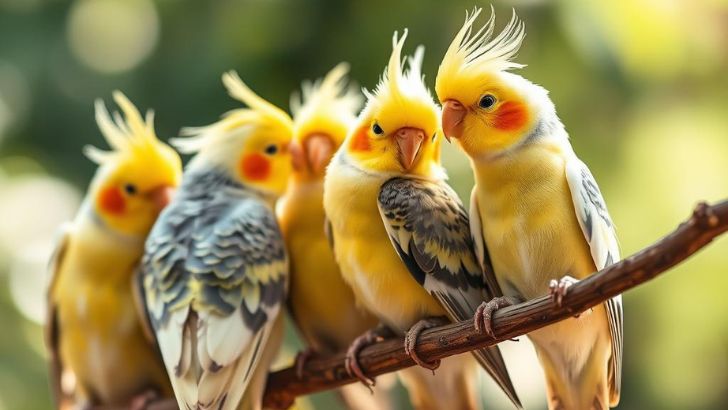
To foster a contented and well-adjusted cockatiel, a comprehensive understanding of socialization and training principles is essential. Socialization plays a crucial role in shaping your bird´s behavior, cultivating confidence and composure in the presence of unfamiliar people and environments.
Building Trust with Your Cockatiel
Establishing a foundation of trust is the inaugural step toward forging a robust bond with your cockatiel. Proceed at your bird´s pace, exercising patience and employing positive reinforcement methods. Commence by dedicating quiet time together, affording them the opportunity to acclimate to your presence.
Gentle interactions, characterized by soft vocalizations and deliberate movements, create a secure atmosphere conducive to building trust. The strategic use of treats can also be beneficial, associating your presence with positive experiences.
Basic Training Techniques
Engaging in training activities with your cockatiel can be a mutually rewarding experience. Teach them fundamental behaviors such as stepping onto your hand and responding to whistling cues. These simple yet significant skills enhance interaction and communication.
- Initiate short, focused training sessions to maintain their engagement.
- Utilize treats and verbal praise to reinforce positive behaviors.
- Maintain consistency in your training approach to prevent confusion.
Importance of Social Interaction
Social interaction is a cornerstone of your cockatiel´s happiness and well-being, serving to mitigate behavioral issues such as feather plucking and excessive vocalization.
Dedicate time for interactive play and companionship with your cockatiel. This consistent engagement strengthens your bond and contributes to their overall contentment. Furthermore, exposing them to diverse individuals and settings will enhance their social adaptability.
By prioritizing socialization and training, you can cultivate a devoted and well-adjusted companion in your cockatiel, whose presence will undoubtedly enrich your life with joy and affection.
Health Care and Veterinary Needs
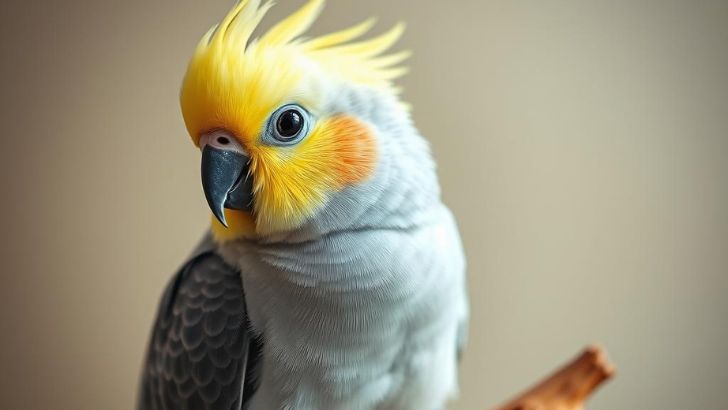
Ensuring the optimal health of your cockatiel is paramount, and this necessitates regular veterinary consultations. As a conscientious owner, it is imperative to be well-informed regarding your bird´s healthcare requirements and the role of veterinary professionals.
Regular Vet Check-Ups
Routine veterinary examinations are crucial for the early detection of potential health issues in cockatiels. Annual check-ups are recommended as a baseline, though older birds or those with pre-existing health conditions may require more frequent visits. Your veterinarian will conduct a comprehensive examination, identify any signs of illness, and provide guidance on maintaining your bird´s health.
A typical veterinary visit encompasses a thorough physical examination, beak and nail trimming, and discussions pertaining to diet and behavioral observations. It also offers an opportune moment to address any health concerns or queries you may have.
Common Health Issues
Cockatiels are susceptible to a range of health concerns, including respiratory infections, mite infestations, and nutritional imbalances. Familiarity with these potential issues will aid in the prompt recognition of illness symptoms.
- Respiratory infections: Manifestations include wheezing, sneezing, and labored breathing.
- Mites: Indicators may encompass feather loss, skin irritation, and signs of restlessness.
- Nutritional deficiencies: Ensuring a balanced diet is critical to prevent conditions such as vitamin A deficiency.
Signs Your Cockatiel Needs Help
It is essential to recognize when your cockatiel requires professional veterinary attention. Observe for any deviations in behavior, appetite, or droppings, as well as physical indicators such as feather plucking or difficulty breathing.
| Signs | Possible Health Issue |
|---|---|
| Wheezing, sneezing | Respiratory infection |
| Feather loss, skin irritation | Mites or feather plucking |
| Changes in droppings, loss of appetite | Gastrointestinal issues or infection |
By remaining vigilant and informed, you can significantly contribute to your cockatiel´s ability to lead a healthy and fulfilling life. Consistent veterinary care is a cornerstone of responsible pet ownership. Understanding the signs of illness empowers you to provide the highest standard of care for your beloved bird.
Bonding with Your Cockatiel
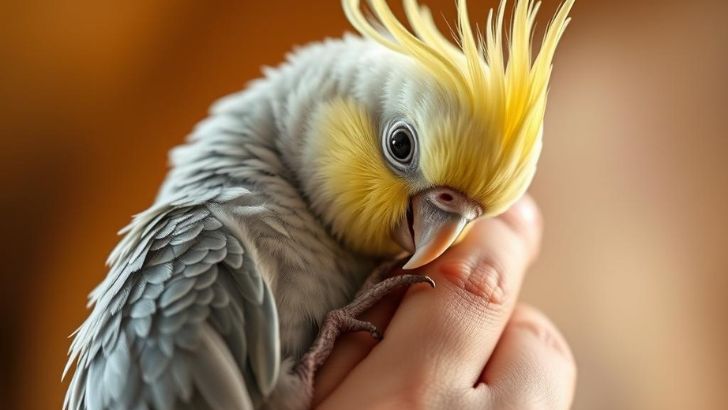
Cultivating a strong bond with your cockatiel is fundamental to ensuring a positive and fulfilling pet ownership experience. This connection enhances the quality of life for both you and your avian companion, introducing elements of joy and companionship into your daily routine.
Explore more pet bird guides: small pet birds, bird identification guide, how to trim bird nails
Communication and Vocalization
Effective communication serves as the bedrock of any strong relationship, including that with your cockatiel. These birds are renowned for their capacity to mimic human speech and various sounds. Through reciprocal vocalization and engaging in conversations, you can foster a deeper connection and encourage more complex vocalizations.
Cockatiels possess the ability to learn a wide array of sounds and words. They derive pleasure from interaction and vocal mimicry. This reciprocal engagement not only solidifies your bond but also serves to maintain their cognitive acuity.
Activities for Bonding
Numerous avenues exist for deepening your connection with your cockatiel. Interactive play stands out as a particularly effective method. Providing a variety of toys and engaging in shared play activities can significantly foster the growth of your bond.
- Introduce challenging toys, such as puzzle feeders or foraging toys, to maintain their cognitive stimulation and entertainment.
- Regular handling and gentle interaction will cultivate greater trust and affection in your cockatiel.
- Engage in training sessions where you teach them new tricks or behaviors, which also proves highly beneficial for bonding.
Creating a Positive Environment
The establishment of a positive environment is critical for your cockatiel´s overall well-being and its capacity to bond with you. This encompasses providing a spacious, well-equipped cage, a nutritionally balanced diet, and a tranquil home atmosphere. Ensuring your cockatiel feels secure and comfortable will facilitate a stronger bond with you.
A positive environment also entails minimizing stressors such as loud noises or drafts. Maintaining a predictable routine and fostering a nurturing ambiance will instill a sense of security and value in your cockatiel, thereby strengthening your bond.
Cockatiel Fun and Enrichment
Maintaining your cockatiel´s happiness and activity levels is paramount. A stimulating and enjoyable environment can be curated through the provision of diverse toys and engaging activities designed to challenge and entertain your bird.
Engaging Activities for Your Cockatiel
Stimulating toys are invaluable for your bird´s cognitive development. They are available in a wide array of shapes, sizes, and colors, including hues like grey, white, and yellow that naturally attract a bird´s attention. Regularly rotating the toy selection will keep your cockatiel engaged and prevent boredom.
Outdoor Adventures and Mental Stimulation
The introduction of safe outdoor excursions can significantly enrich your cockatiel´s life. Allow your bird supervised opportunities to explore outdoor environments. Furthermore, it is essential to maintain their cognitive sharpness. Consider incorporating puzzle toys to challenge their problem-solving capabilities.
Through the provision of engaging toys, safe outdoor experiences, and mental stimulation, you can ensure your cockatiel leads a life filled with joy and optimal health.
FAQ
What is the average lifespan of a cockatiel?
On average, a cockatiel can live between 15 to 20 years. This is with proper care and attention.
How often should I bathe my cockatiel?
We suggest bathing your cockatiel once or twice a week. This depends on their individual needs and preferences.
Can cockatiels be trained to talk?
Yes, cockatiels can be trained to mimic certain words and phrases. Their vocabulary may be limited compared to other parrots.
What are the most common health issues in cockatiels?
Cockatiels are prone to health issues like respiratory problems, mites, and nutritional deficiencies. Regular veterinary check-ups are crucial.
How can I tell if my cockatiel is happy and healthy?
Look for signs like a cockatiel´s willingness to play, vibrant plumage, and active behavior. These indicate a happy and healthy bird.
What is the ideal diet for a cockatiel?
A balanced diet is key. It should include pellets, fresh fruits, vegetables, and occasional treats. This ensures your cockatiel gets all necessary nutrients.
Can I keep a cockatiel in a small cage?
No, we advise against small cages for cockatiels. They need space to fly, exercise, and stretch their wings.
How often should I take my cockatiel to the vet?
Regular check-ups are important. Take your cockatiel to the vet at least once a year. More often if you notice illness or stress.
Are cockatiels social birds?
Yes, cockatiels are very social. They thrive on interaction and need attention and engagement from their owners.
Can cockatiels be kept with other birds?
Introducing cockatiels to other birds is possible. But, do it under close supervision. Compatibility depends on the individual birds´ temperaments.