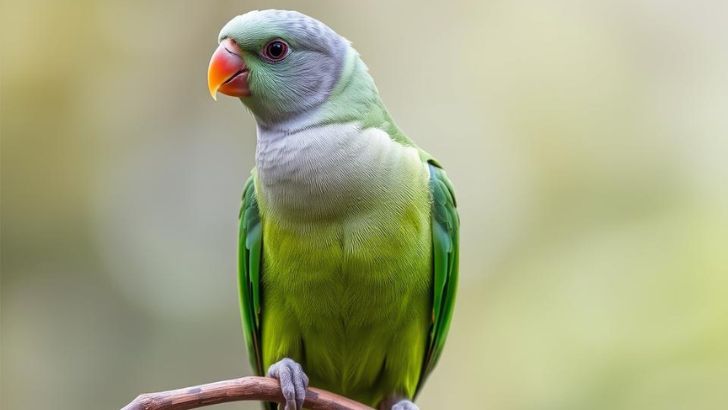

We are happy to introduce you to the world of small pet birds. These creatures make excellent companions for your family. These feathered friends are not only beautiful but also bring happiness and companionship to your home.
Owning small bird pets can be very rewarding. With the proper care and maintenance, they can flourish in your home. In this article, we will explore the advantages of having these birds as pets. We will also provide you with useful information on their care.
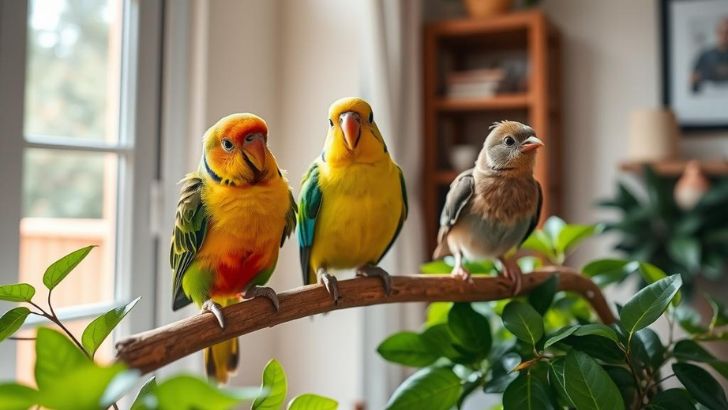
Why Choose Small Pet Birds as Family Pets?
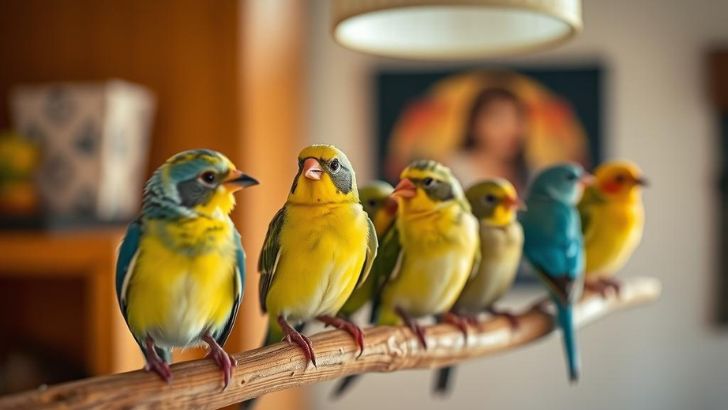
Small pet birds are perfect for families. They are enjoyable to watch and love to interact. This makes them a great addition to any home.
Benefits of Having Small Pet Birds
Small pet birds can truly benefit a family. They reduce stress and anxiety with their calming presence and songs. They also teach children about responsibility and empathy.
Some key benefits include:
- Companionship and social interaction
- Low maintenance compared to larger pets
- Entertainment through their behaviors and songs
Great for Families with Children
Small pet birds are ideal for families with kids. They are gentle and loving, making them a great first pet. Also, they don´t need a lot of space, which is great for small homes.
Here´s a look at some popular small pet bird species for families:
| Bird Species | Temperament | Space Requirements |
|---|---|---|
| Budgerigar (Budgie) | Gentle, social | Small cage, minimal space |
| Cockatiel | Affectionate, relatively quiet | Medium cage, moderate space |
| Lovebird | Social, active | Small to medium cage, some space required |
Low Maintenance Compared to Larger Pets
Small pet birds are easy to care for. They eat less, need smaller cages, and don´t need as much exercise. This makes them perfect for busy families or those with little space.
In summary, small pet birds are a great choice for families. They offer companionship, entertainment, and are easy to care for.
Popular Small Pet Bird Species
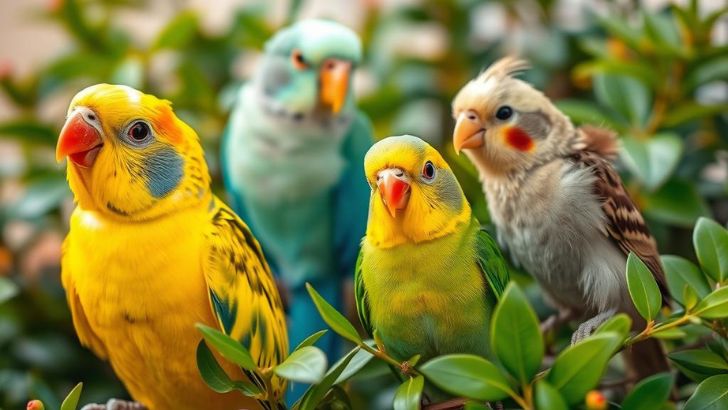
Many small pet birds are loved for their unique traits. They are not just beautiful but also wonderful companions for families and individuals.
Budgerigar (Budgie)
The Budgerigar, or Budgie, is a favorite among bird lovers. They have bright colors and can even talk like humans. Budgies are easy to care for, making them perfect for beginners.
Cockatiel
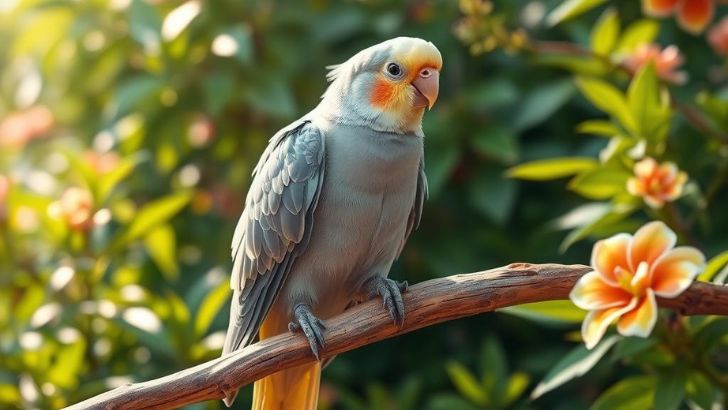
Cockatiels are well-liked for their friendly nature and ease of training. They have a stunning crest and can whistle beautifully.
Lovebird
Lovebirds are small, colorful birds that love attention. They need lots of interaction, making them ideal for owners who spend a lot of time with their pets.
Finches
Finches are great for those who want a simple pet bird. They are social and do well in groups. Finches sing beautifully and are easy to care for.
Each of these bird species has its own special qualities. They fit different needs and preferences. Whether you´re new to bird ownership or experienced, there´s a bird that´s just right for you.
Essential Care Requirements for Small Pet Birds
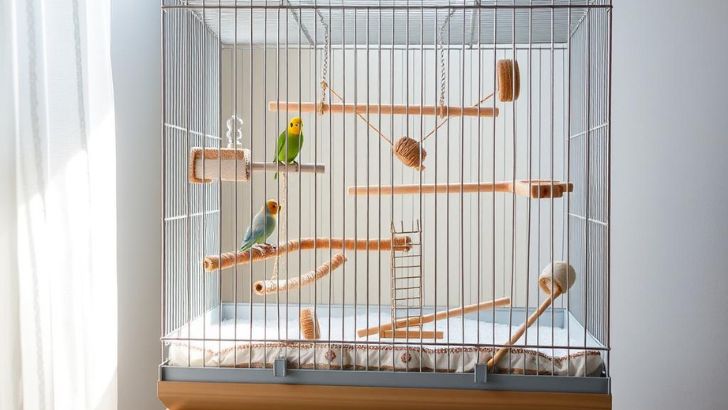
To keep your small pet birds happy and healthy, you need to know their specific care needs. The right environment and care are key to their well-being.
Proper Diet and Nutrition
A balanced diet is vital for your birds´ health. Mix high-quality birdseed, fresh fruits, and veggies for the best nutrition. But, avoid fatty and sugary foods.
- Provide a variety of fresh fruits and vegetables daily.
- Use high-quality commercial birdseed as the main staple.
- Avoid giving them avocado, chocolate, or foods high in salt and sugar.
Ideal Habitat and Cage Setup
The cage must be big enough for your birds to fly around. It should be well-ventilated and have a safe lock. Place it in a quiet spot, away from drafts and sunlight.
- Provide perches of different sizes and textures.
- Include toys that stimulate their natural behaviors.
- Keep the cage clean by changing the bedding regularly.
Importance of Social Interaction
Social interaction is crucial for your birds´ mental and emotional health. Spend time with them daily, talking, offering treats, and letting them fly in a safe area.
Here are ways to boost social interaction:
- Talking to your birds regularly to help them become tame.
- Offering treats to build trust and strengthen your bond.
- Providing opportunities for exercise outside of their cage.
Many Colors, Many Personalities
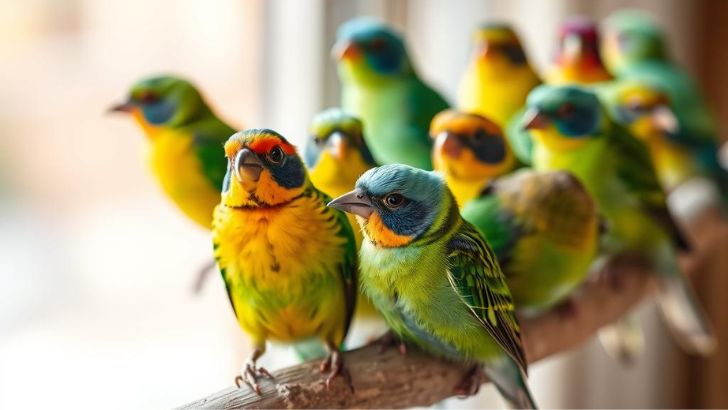
Small pet birds are loved for their bright colors and different personalities. Each bird is special in its own way. Whether you like the bright yellows and blues of parakeets or the calm beauty of finches, they all offer a colorful treat.
Vibrant Plumage of Small Bird Species
Small bird pets have amazing feathers. Parakeets show off in blues and greens, while canaries dazzle in yellows and oranges. Some popular species and their colors include:
- Budgerigars: Known for their bright blues, yellows, and greens.
- Cockatiels: Often gray or white, with vibrant orange crests.
- Lovebirds: Display a range of colors including pink, blue, and green.
- Finches: Typically yellow, orange, or brown, with intricate patterns.
Distinct Personalities and Temperaments
Small pet birds are not just pretty; they also have unique personalities. Some love to be around people, while others prefer to be alone. Knowing their personalities helps you care for them better.
For instance:
- Budgies are friendly and love to be with people.
- Cockatiels are gentle and can be very affectionate.
- Lovebirds are social birds that thrive on interaction.
- Finches are generally more reserved but enjoy the company of their own kind.
By understanding and valuing these traits, you can create a home that meets your bird´s needs.
How to Train Your Small Pet Bird
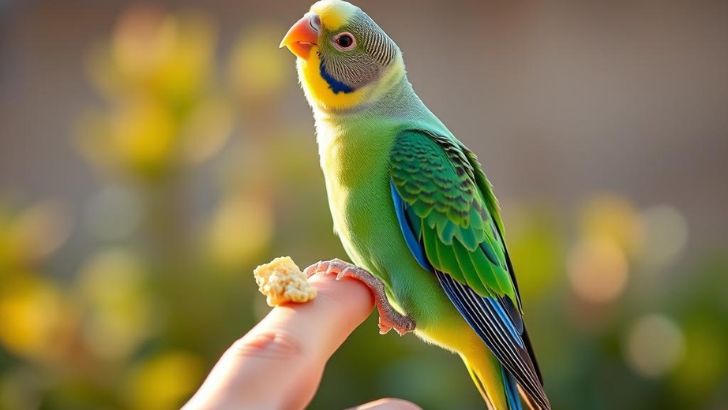
Training your small pet bird can be fun with the right methods. It´s important to start with a good foundation. This will help you and your bird bond well.
Basic Training Techniques
Start with simple commands like “step up” and “step down.” Use treats and praise to encourage good behavior. Remember, being consistent is key. Practice these commands often to help your bird learn.
Tips for Effective Training Sessions:
- Keep training sessions short to keep your bird´s attention.
- Use different treats to make training fun.
- Be patient, as some birds learn faster than others.
Building Trust with Your Bird
Building trust is key for good training. Spend quality time with your bird doing things it likes. Move slowly and gently to avoid scaring it.
Trust-building activities include:
- Gentle petting or stroking, if your bird likes it.
- Offering treats directly from your hand.
- Just sitting near your bird´s cage and talking to it.
Fun Tricks to Teach Your Bird
Once your bird knows basic commands, you can teach more complex tricks. Teaching tricks not only entertains but also keeps your bird´s mind active.
Some fun tricks to consider:
- Teaching your bird to fly to you on command.
- Training your bird to retrieve small objects.
- Encouraging your bird to mimic simple words or sounds.
By following these tips and being consistent, you can have a well-behaved and happy small pet bird. Remember, every bird is different. Be ready to adjust your training methods as needed.
Tips for Keeping Your Small Pet Bird Healthy
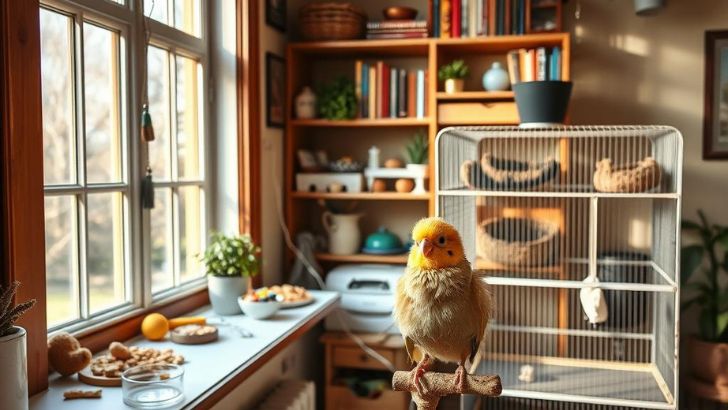
Keeping your small pet bird healthy requires regular vet visits, a good diet, and a fun environment. It´s key to know how these things help your bird stay well and joyful.
Regular Vet Check-Ups
Regular vet visits are key to catching health problems early in small pet birds. We suggest annual vet visits, or more often if your vet says so. Your vet will do a full check-up, look for illness signs, and give tips on keeping your bird healthy.
Before a vet visit, keep a record of your bird´s behavior, eating, and droppings. This information is very helpful for your vet to diagnose any issues.
Recognizing Signs of Illness
Knowing the signs of illness in your small pet bird is crucial. Watch out for changes in appetite, droopy wings, hard breathing, and unusual droppings.
If you notice these symptoms, contact your veterinarian immediately. Quick action can really help your bird get better.
| Signs of Illness | Description | Action |
|---|---|---|
| Changes in Appetite | Decrease or increase in food consumption | Consult a veterinarian |
| Drooping Wings | Wings held lower than usual | Seek immediate veterinary care |
| Labored Breathing | Difficulty breathing or rapid breathing | Consult a veterinarian urgently |
Importance of Mental Stimulation
Mental health is as important as physical health for your small pet bird. Giving them different toys, changing them often, and playing with them can prevent boredom and stress.
Some fun ideas include puzzle toys with treats, a foraging area with hidden food, and spending time with your bird outside its cage.
Choosing the Right Accessories for Your Bird
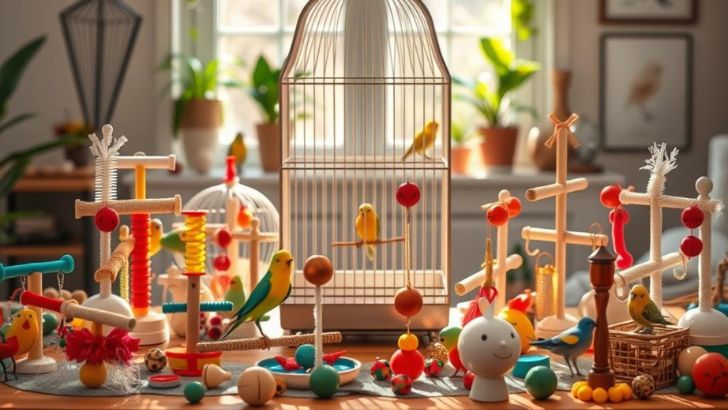
Choosing the right accessories is key to making your small pet bird happy and healthy. The right stuff can make their life better, giving them fun and comfort. This is super important for popular small pet birds like budgies, cockatiels, and lovebirds.
Read more about small bird species: cockatiel, budgerigar, bird identification guide
Ideal Cage Accessories
The cage is your bird´s home, so it needs the right stuff. Get a big cage where your bird can fly around. For small pet bird breeds, a cage with narrow bars is best to keep them safe.
Inside, add toys and accessories to keep your bird busy. Make sure food and water dishes are strong and easy to clean. A cuttlebone or mineral block gives your bird important minerals.
- Food and water dishes
- Cuttlebone or mineral block
- Bird-safe mirrors or other reflective surfaces
Toys and Their Benefits
Toys are super important for keeping your bird happy and active. There are many types of toys, like puzzle toys and swing toys. Puzzle toys challenge your bird, while swing toys are fun and help them exercise.
Some great toys include:
- Shredding toys made from natural fibers
- Swing toys or swings
- Ladder toys for climbing
Perches and Their Importance
Perches are vital for your bird´s foot health and for exercise. You can use wooden dowels, rope perches, or natural branch perches. Make sure perches are safe and won´t hurt your bird.
By picking the right accessories, you can make your small pet bird happy and healthy. Always check and clean the accessories to keep your bird safe and sound.
Creating a Safe Environment for Your Bird
Keeping your home safe for your small bird pets is key to their health and happiness. Small exotic birds are curious and love to explore. So, it´s important to make your home bird-proof.
Bird-Proofing Your Home
Bird-proofing means removing dangers that could hurt your birds. First, see your home from your bird´s view. Look for toxic stuff, electrical cords, and breakable items.
- Secure loose wires and cords out of your bird´s reach.
- Keep toxic substances like cleaning supplies and certain plants out of reach.
- Remove or secure heavy objects that could fall.
Hazardous Household Items to Avoid
Some household items are bad for small bird pets. These include:
- Teflon-coated cookware, as it releases toxic fumes when heated.
- Certain houseplants that are toxic to birds.
- Chemicals like pesticides and cleaning products.
Knowing about these dangers and fixing them helps your small exotic birds stay safe and happy.
Understanding Small Bird Behavior
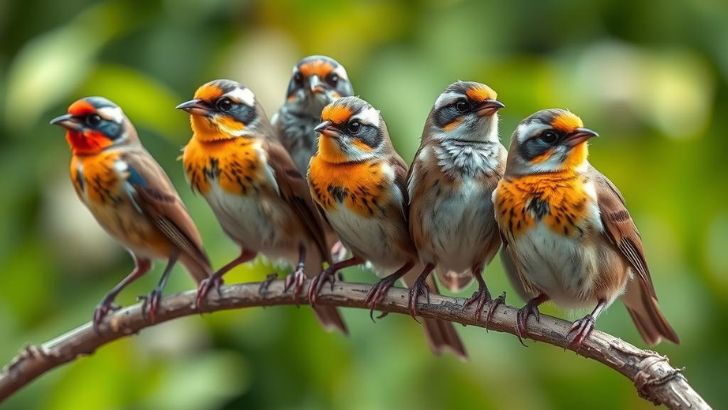
Small pet birds have complex behaviors that need careful watching. To have a strong bond with your bird, it´s key to know what their actions mean.
These birds mainly talk through body language and sounds. By watching these signs, you can guess their feelings and needs better.
Body Language of Small Pet Birds
Body language is very important for birds. Their posture, face, and feathers tell us a lot. For example, a scared bird might puff out its feathers to look bigger.
Some common signs include:
- Head bobbing, which shows curiosity or courtship
- Wing flapping, which means excitement or a wish to fly
- Tail feather movements, which show agitation or joy
Common Behaviors and What They Mean
Small pet birds do many things that might confuse new owners. Knowing what these behaviors mean helps you connect better with your bird.
Many birds like to chew and peck. This is both play and a way to keep their beaks sharp. Giving them safe toys to chew on helps keep them from chewing on things they shouldn´t.
Other common actions include:
- Vocalizations, like singing or chirping, which are ways to communicate or express feelings
- Preening, which shows they´re relaxed and helps keep their feathers in good shape
- Social interaction, like wanting attention or affection, which is important for their happiness
By understanding and responding to these behaviors, you can make a better home for your bird. This will strengthen your bond and keep your bird happy and healthy.
Getting Started: Adopting Your Small Pet Bird
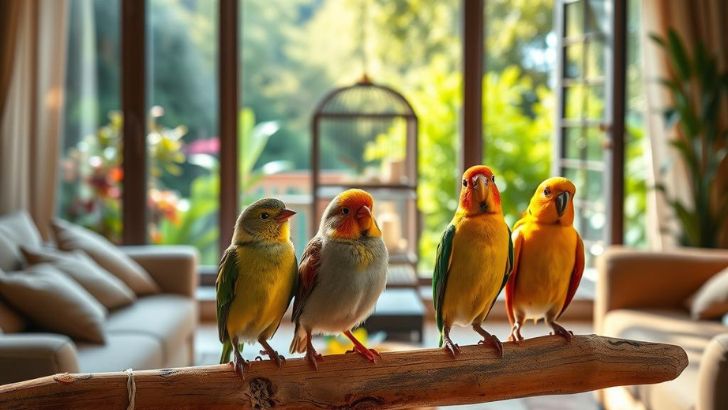
Finding the perfect small pet bird is a journey. It starts with understanding your options and what to expect. Adopting a bird can bring joy and companionship into your life. It´s important to make informed decisions for a happy and healthy relationship.
How to Choose the Right Bird for You
Choosing the right bird involves several factors. Consider your lifestyle, home size, and time for care. Some birds need regular interaction and varied diets. Researching species like Budgerigars, Cockatiels, and Lovebirds helps understand their needs and personalities.
Remember, caring for a bird is a long-term commitment. Many birds live 10 to 20 years or more. This requires careful thought.
Adoption vs. Purchase
You can adopt or purchase a bird. Adopting from a rescue is compassionate. It gives a loving home to a bird in need. Purchasing from a reputable breeder offers information on the bird´s history and health.
Both options have benefits. The right choice depends on your preferences and circumstances. Working with a reputable organization is crucial, regardless of your choice.
Preparing Your Home for a New Bird
Before bringing your bird home, prepare a safe environment. Set up a spacious cage with perches, toys, and feeding dishes. This keeps your bird stimulated and happy.
You also need to bird-proof your home. Remove hazardous items and secure wires or toxic substances. A safe environment helps your bird adjust and thrive.
By choosing the right bird, deciding between adoption and purchase, and preparing your home, you ensure a smooth transition. With proper care, your small pet bird will become a beloved companion, adding joy and enrichment to your life.
Fun Activities to Enjoy with Your Small Pet Bird
Doing fun activities with your small pet bird can make your bond stronger. It also creates memories that last a lifetime. Whether you see them as a hobby or a lifelong friend, there are many ways to make their life better and yours too.
Playtime Ideas
Interactive play is key for your bird´s mental and physical health. Try swinging their cage, giving them different toys, or teaching them to fly safely. These activities help them stay active and behave naturally.
Bonding with Your Bird
There are creative ways to bond with your bird. Hand-feeding, gentle petting, and quiet time together are great. These moments help build trust and make your bond more rewarding.
Participating in Bird Shows
Showing off your bird in bird shows and competitions can be exciting. It lets you meet other bird lovers, learn from experts, and see the special traits of different birds.
FAQ
What are the best small pet birds for families?
Budgerigars, cockatiels, lovebirds, and finches are great for families. They are popular and fit well with kids.
How do I care for my small pet bird´s diet and nutrition?
A balanced diet is key. Include seeds, pellets, fruits, and veggies. Always check with a vet for specific advice.
What are the essential cage accessories for small pet birds?
Your bird needs perches, toys, and a dish for food and water. Use different materials for perches to keep their feet healthy.
How can I keep my small pet bird healthy and happy?
Regular vet visits, a good diet, and a clean cage are vital. Also, make sure your bird gets enough social time and mental stimulation.
What are some common behaviors exhibited by small pet birds, and what do they mean?
Birds chirp, tweet, and flap their wings for many reasons. Understanding these behaviors helps you bond with your bird and spot any problems.
How can I train my small pet bird, and what are some fun tricks to teach?
Start with simple tricks like stepping onto a perch or coming when called. Teaching fun tricks like flying through hoops is also rewarding.
What are some tips for keeping my small pet bird´s environment safe?
Make your home bird-safe by removing dangerous items and securing toxic substances. Also, block off risky areas.
How often should I take my small pet bird to the vet for check-ups?
Take your bird to the vet at least once a year. This helps keep them healthy and catches any problems early.
Can I keep multiple small pet birds together in the same cage?
Some birds like finches and canaries can live together. But, make sure you research their needs and if they get along.
What are some popular small exotic birds that make great pets?
Parakeets, cockatiels, and lovebirds are popular pets. They have beautiful colors and fun personalities.