
Trimming a bird´s nails can feel intimidating, particularly for those new to bird care. Many owners worry about causing harm or stress. Yet, regular nail maintenance is vital for a bird´s health, movement, and well-being. This comprehensive guide details everything needed for safe at-home bird nail trimming, from preparation to aftercare, with special attention to assisting first-time trimmers.
Why Trimming Bird Nails Is Essential
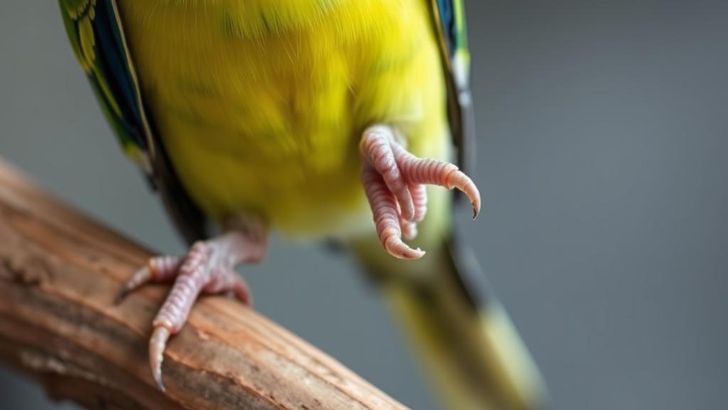
In the wild, birds naturally wear down their nails through activities like climbing, foraging, and perching on rough surfaces. However, pet birds often lack these natural opportunities, leading to overgrowth. Regular nail trimming is crucial because it:
- Prevents Injuries: Overgrown nails can easily catch in cages, toys, or fabric, causing painful tears or breaks.
- Improves Mobility: Long nails can impair proper perching, leading to balance problems and falls.
- Reduces Discomfort: Excessively long nails force unnatural weight distribution, causing joint strain and potential arthritis.
- Prevents Skin Injuries: Sharp, overgrown nails can accidentally scratch your bird’s delicate skin during preening.
- Enhances Interaction: Trimmed nails make handling more comfortable for both you and your bird, strengthening your bond.
Signs Your Bird Needs a Nail Trim: If your bird’s nails curve excessively, make clicking sounds on hard surfaces, get caught in fabric, or cause the bird to perch awkwardly with lifted toes, it’s time for a trim.
Essential Tools and Preparation for Trimming Bird Nails
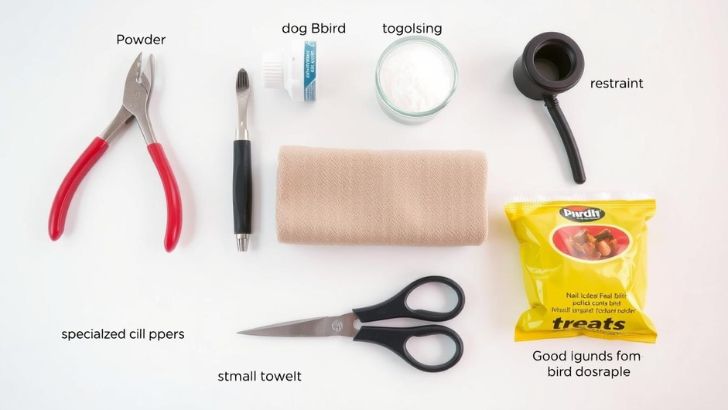
Proper preparation is key for a successful and stress – free nail trimming. Having the right tools before you begin supports a smooth and safe process.
Tools You´ll Need
Bird-Specific Nail Clippers: Small clippers designed specifically for birds are ideal. Cat nail clippers can be used for medium to large birds, but avoid human nail clippers as they can crush and split bird nails.
- Styptic Powder: Essential for stopping bleeding if the quick is accidentally cut. Alternatives include corn starch or flour.
- Small Towel: A soft, clean towel for gentle restraint.
- Good Lighting: Proper lighting is essential for clearly seeing the nail structure, especially for identifying the quick in light-colored nails.
- Emery Board or Nail File: For smoothing rough edges or for birds that prefer filing over clipping.
- Treats: Have your bird’s favorite treats ready as rewards.
- Helper (Optional): Having someone assist can make the process easier, particularly for beginners.
- Magnifying Glass (Optional): Helpful for seeing the quick in very small birds’ nails.
Setting Up the Environment
Creating the right environment is just as important as the right tools:
- Choose a Quiet Location: Select a calm, quiet area free from distractions, loud noises, or other pets.
- Ensure Good Lighting: Natural daylight is ideal, but a bright lamp works well.
- Prepare a Clean Surface: Have a clean towel on a flat surface where your bird can comfortably rest.
- Arrange Tools Within Reach: Organize all tools for easy access to avoid letting go of your bird.
Pro Tip: Schedule nail trimming when your bird is naturally calm, such as after a meal. Avoid times when your bird is active or playful.
Understanding Bird Nail Anatomy
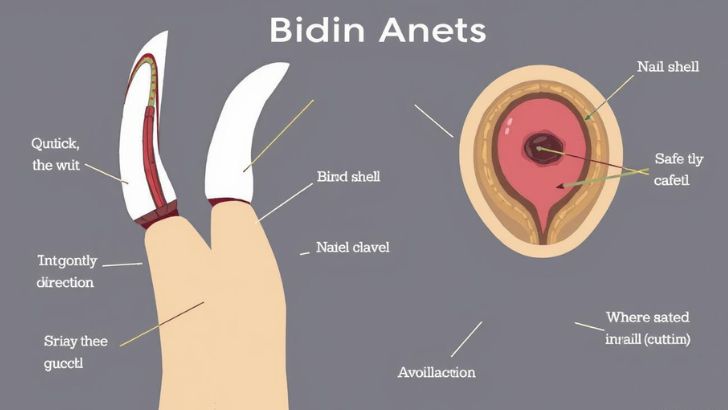
Before trimming, understanding the anatomy is crucial to avoid pain or injury:
The Nail Structure
Bird nails, like human nails, are made of keratin but are rounded and contain a living tissue called “the quick.” This quick houses blood vessels and nerve endings, making it sensitive and prone to bleeding if cut.
In birds with light-colored nails, the quick appears pinkish. In dark nails, the quick is not visible, increasing the challenges and the need for caution.
Identifying the Quick
For light-colored nails, use bright light behind the nail to visualize the quick as a dark shadow. For dark nails where the quick is hidden, it’s safest to trim only the tip and work gradually. The quick grows with the nail. In birds with chronically overgrown nails, the quick extends further than usual. Regular, small trims encourage the quick to recede.
Important: Never trim large portions of an overgrown nail at once. This almost guarantees cutting the quick. Instead, trim small amounts every 1-2 weeks to encourage the quick to recede.
Step-by-Step Guide to Trimming Bird Nails

Follow these steps carefully for a safe and successful nail trimming experience:
1. Prepare Your Bird
Spend time calmly interacting with your bird beforehand. Use a soft, reassuring voice and offer a preferred treat. This can reduce anxiety and establish a positive atmosphere.
2. Properly Restrain Your Bird
For small to medium birds, the “bird burrito” method works: gently wrap the bird in a small towel with one foot extended. For larger birds, you may need a helper.
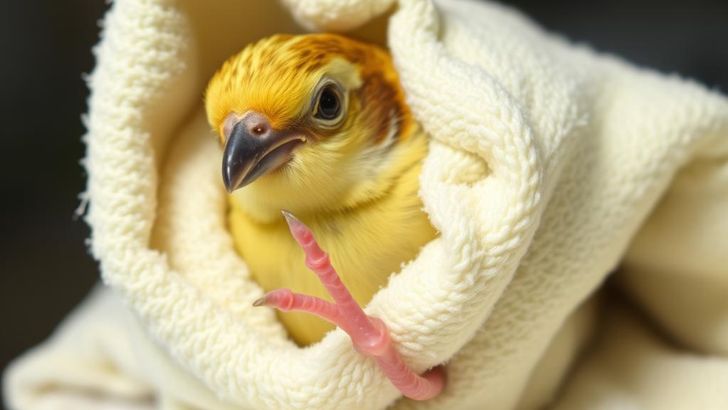
3. Identify Where to Cut
Examine each nail carefully. For light-colored nails, locate the quick (the pinkish area inside). Plan to cut about 2mm from the quick. For dark nails, trim only the tip – just the sharp point.
4. Position the Clippers Correctly
Hold the clippers perpendicular to the nail, not at an angle, to prevent splitting. Ensure a clear view and good lighting.
5. Make the Cut
Make a quick, clean cut. Hesitation can cause discomfort. Cut only a small amount–it´s better to trim too little than too much.
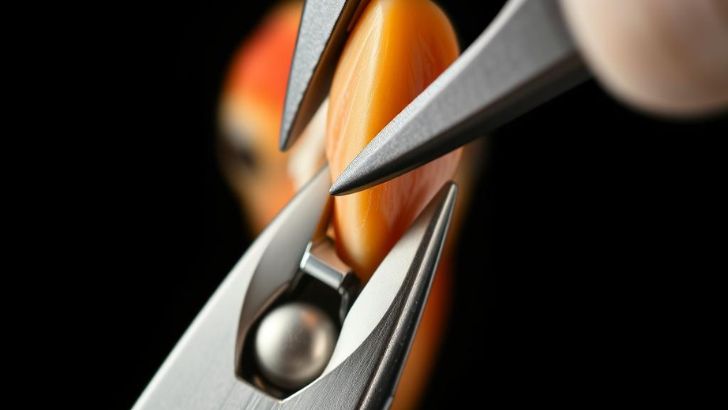
6. Smooth Rough Edges
After clipping, gently file sharp edges.
7. Reward Your Bird
Offer praise and a treat after each nail or foot. This positive reinforcement helps your bird associate nail trimming with pleasant experiences.
8. Take Breaks If Needed
If your bird becomes stressed, take breaks. It´s acceptable to trim only a few nails per session until your bird is comfortable.
Pro Tip: Some birds respond well to distraction. Having a family member offer a treat or toy during the trimming can help divert attention.
Aftercare and Managing Complications

What to Do If You Cut the Quick
Even experienced owners sometimes cut the quick. If bleeding occurs:
- Stay Calm: Your bird will react to your emotions, so remain composed.
- Apply Styptic Powder: Press the powder gently against the bleeding nail tip and hold for 30 seconds.
- If Styptic Powder Isn´t Available: Corn starch, flour, or even a bar of soap pressed on the nail can help stop bleeding.
- Monitor the Nail: Watch closely for the next hour to ensure bleeding stops.
- Limit Activity: Keep your bird calm and quiet for at least an hour afterward.
- Warning: If bleeding persists after 5-10 minutes apply pressure and styptic powder, contact your avian veterinarian immediately. Continued bleeding can be dangerous for small birds.
Post-Trimming Care
After a successful nail trimming:
- Reward Your Bird: Offer praise and favorite treats.
- Return to Normal Activities: Allow the bird to resume normal activities.
- Monitor for Discomfort: Watch for limping, which can indicate cutting too close to the quick.
- Schedule Regular Trims: Mark your calendar for the next trimming session, typically every 6-8 weeks, depending on the nail growth rate.
When to Seek Professional Help
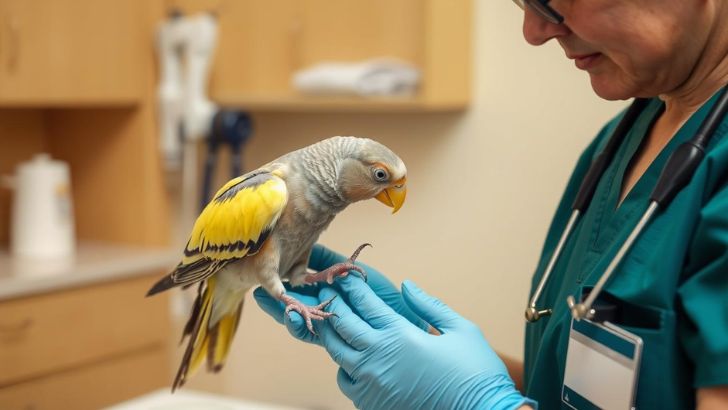
While many owners trim nails at home, professional help is advisable in certain situations:
Signs You Should Consult a Vet
- Severely Overgrown Nails: If nails are extremely long or curling into the foot pad, a vet should handle the initial trim.
- Nail Abnormalities: Discolored, misshapen, or brittle nails may indicate health issues needing veterinary care.
- Persistent Bleeding: If bleeding persists despite styptic powder and pressure.
- Signs of Infection: Swelling, warmth, or discharge.
When to Choose Professional Grooming
- Very Nervous Birds: If your bird shows extreme stress during home trimming.
- Aggressive Birds: Birds that bite or struggle excessively may need professional handling.
- Your Own Discomfort: If you are too nervous to trim safely.
- First-Time Trims: Consider a professional demonstration to learn proper technique.
Finding a Qualified Professional
Not all professionals are experienced with birds. Consider:
- Avian Veterinarians: Specialists in bird care.
- Exotic Pet Groomers: Some groomers specialize in exotic pets.
- Bird Specialty Shops: Many bird stores offer grooming services by experienced staff.
- Recommendations: Ask local bird clubs or owners for referrals.
Common Mistakes to Avoid When You Trim Bird Nails

Owners often make these common mistakes:
Best Practices
- Trimming small amounts frequently
- Use proper bird nail clippers
- Cut perpendicular to the nail
- Have styptic powder ready
- Work in good lighting
- Remain calm and confident
- Reward your bird after trimming
Common Mistakes
- Cutting too much nail at once
- Using human nail clippers
- Cutting at an angle (causes splitting)
- Being unprepared for bleeding
- Working in poor lighting
- Showing anxiety or hesitation
- Rushing the process
Special Considerations for Different Bird Species
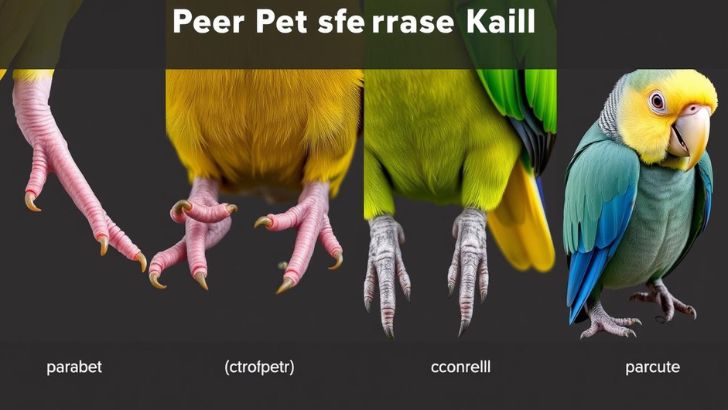
| Bird Type | Nail Characteristics | Special Considerations |
| Small Parakeets/Budgies | Very thin, delicate nails | Filing often works better than clipping; use extreme caution with clippers |
| Cockatiels | Medium thickness, often light-colored | Quick is usually visible; small cat nail clippers work well |
| Conures/Quakers | Medium thickness, often dark | Take extra caution with dark nails; trim very small amounts |
| African Greys/Amazons | Thicker, stronger nails | Require sturdier clippers; may need more restraint |
| Macaws/Cockatoos | Very thick, powerful nails | Often best left to professionals; require specialized large clippers |
Learn more about bird grooming and care: bird beak overgrowth, bird eye infection, small pet birds
Maintaining Healthy Bird Nails Between Trims
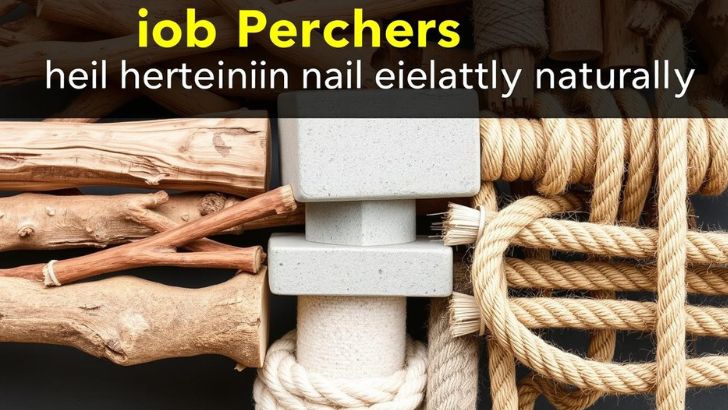
Regular trimming is just one aspect of nail care. These strategies can help:
Natural Nail Wear Solutions
Varied Perch Textures: Provide different materials and textured perches. Natural branches, concrete perches, and sandy perches aid natural wear.
- Different Perch Diameters: Varying perch thickness helps exercise different foot parts and promotes even nail wear.
- Climbing Opportunities: Rope ladders, toys, and climbing nets encourage activities wearing down nails.
- Foraging Activities: Toys requiring scratching and digging help wear down nails while providing mental stimulation.
Nutrition for Healthy Nails
Proper nutrition contributes to nail health:
- Balanced Diet: A complete diet with the needed proteins and minerals supports healthy growth.
- Calcium Sources: Adequate calcium for strong nails. Cuttlebone, mineral blocks, and dark leafy greens are good sources.
- Vitamin A: Crucial for epithelial tissue health. Sweet potatoes, carrots, and red peppers are excellent sources.
- Proper Hydration: Fresh, clean water is essential for overall health, including nail condition.
- Regular Monitoring: Check your bird’s nails weekly to track growth patterns. Some birds wear nails down more effectively, influencing trimming frequency.
Conclusion: Building Confidence in Bird Nail Care

Trimming bird nails may seem daunting, but with patience, practice, and the right approach, it can become a routine part of bird care. Remember that each bird is unique and adapt techniques based on temperament and needs.
The key is building trust and positive associations. Take your time, remain calm, and prioritize comfort and safety. If unsure, seek professional help.
By maintaining proper nail length, you improve your bird´s health, comfort, and quality of life. They may not express verbal thanks, but improved mobility is reward enough.
How often should I trim my bird´s nails?
Frequency depends on species, activity, and environment. Most birds need trims every 6-8 weeks. Birds with natural wear may need less trimming. Regular inspection is the best way to determine when a trim is needed.
Can I use a nail file instead of clippers for my small bird?
Yes, nail files are excellent alternatives, especially for small birds. Filing is often less stressful and removes the risk of cutting the quick. It takes longer and needs bird cooperation. Start with short sessions, gradually increasing duration as your bird becomes more comfortable.