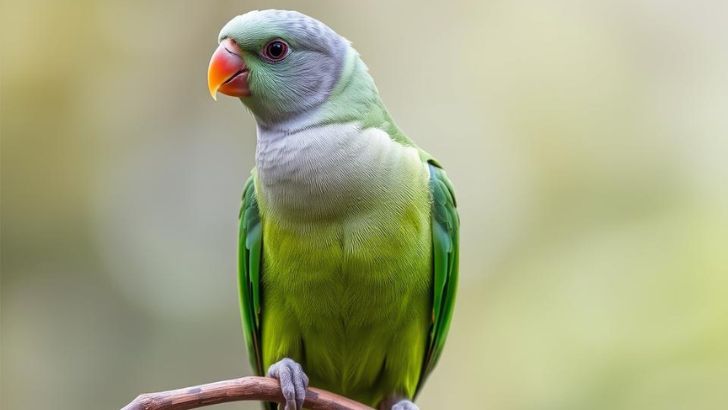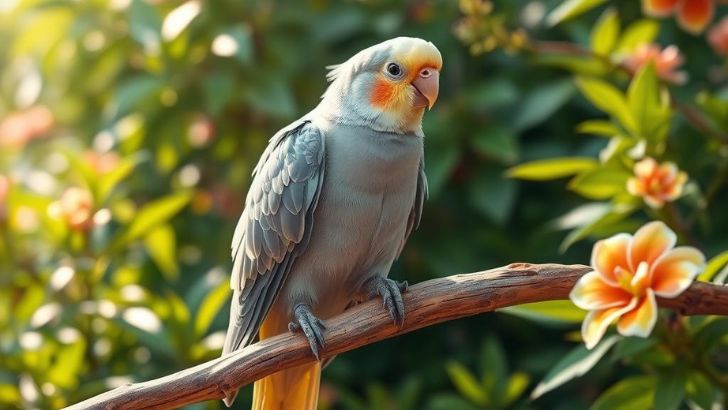

Want a healthier way to treat your pet bird? Making homemade bird treats is enjoyable and provides natural ingredients that benefit your bird´s health. Explore how to create safe, nutritious, and tasty treats at home, from easy DIY recipes to imaginative snack ideas, showing your pet the love and care they deserve.
Why Choose Homemade Bird Treats?
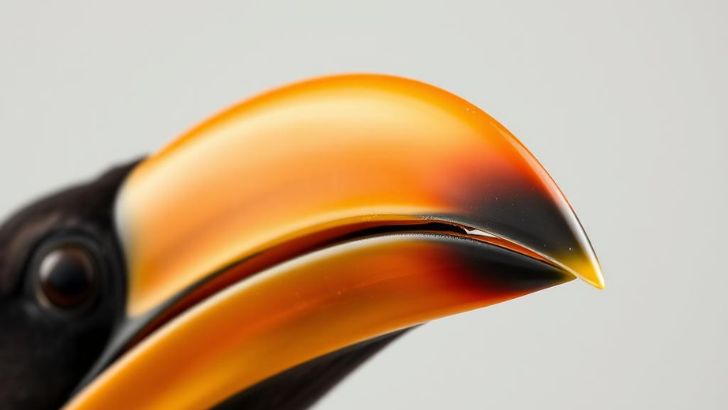
Homemade bird treats are a healthier choice compared to store-bought ones. We can choose the ingredients and manage the nutritional content. This ensures our backyard birds receive the best nourishment, promoting their health and well-being, including beak health.
Benefits of Homemade Bird Treats
There are numerous advantages to producing your own bird treats. You can select safe, nutritious ingredients, sidestepping potential undesirable elements in commercial options. This approach helps your birds remain healthy and supports beak care through a balanced diet.
Additionally, you can create a wide range of treats. From suet cakes to fruit and nut combinations, the possibilities are extensive. This allows for addressing the specific needs of different bird species and their preferences.
| Benefit | Description |
|---|---|
| Control Over Ingredients | Allows for the selection of healthy, safe ingredients. |
| Variety of Treats | Enables catering to different bird species and preferences. |
| Cost-Effective | Can be more economical than buying commercial bird treats. |
Cost-Effectiveness Compared to Store-Bought
Homemade bird treats are also a financially sound decision. Buying ingredients in bulk and making numerous treats at once saves money. This approach is more affordable, concurrently minimizing packaging waste from commercial products.
Environmental Impact of DIY Treats
Homemade bird treats also benefit the environment. Utilizing local, sustainable ingredients and decreasing packaging supports our environment. Furthermore, using natural materials for feeders enhances the eco-friendly aspect of feeding the birds.
By creating our own bird treats, we support the health of our backyard birds. We also foster a more sustainable and environmentally conscious lifestyle.
Key Ingredients for Bird Treats
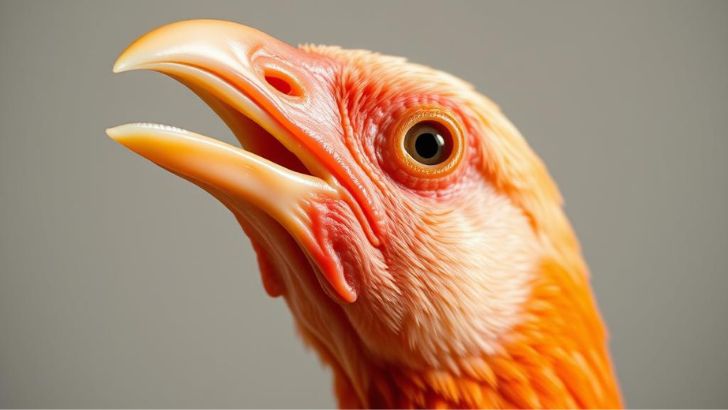
Creating wholesome bird treats necessitates understanding the correct ingredients. A balanced diet is essential for their health, including that of their beaks. Proper nutrition can prevent bird beak abnormalities and support healthy beak development.
Nuts and Seeds: A Healthy Base
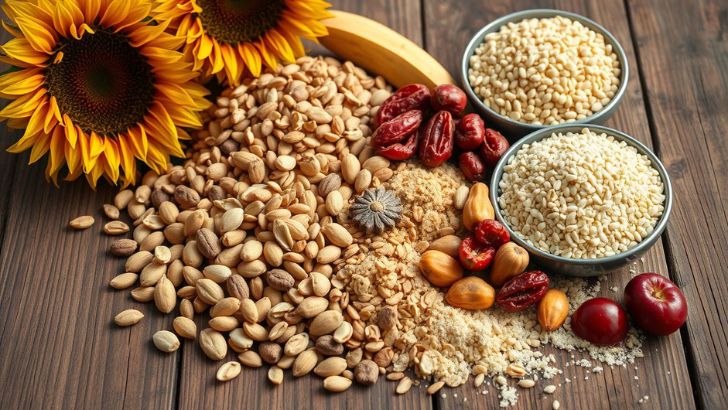
Nuts and seeds are an excellent foundation for bird treats. They are abundant in healthy fats, proteins, and fiber. Sunflower seeds, for instance, are favored by numerous birds and are packed with essential nutrients. Including various nuts and seeds can assist in ensuring that the treats satisfy different bird species´ preferences.
Fruits and Vegetables Birds Love
Fruits and vegetables introduce natural sweetness and essential vitamins to bird treats. Berries, apples, and carrots are among the birds´ favorites. These ingredients make the treats palatable while providing important vitamins and minerals. Incorporating fruits and vegetables can augment the treats´ nutritional value.
Grains and Legumes: Additional Nutrition
Grains and legumes add complex carbohydrates, proteins, and fiber to bird treats. Oats, barley, and lentils serve as excellent examples. These ingredients contribute to a balanced diet and support overall bird health, including beak health. Regular provision of these treats can aid in preventing issues related to bird beak trimming by encouraging healthy beak growth.
By blending these key ingredients, you can create flavorful and nutritious bird treats. In this way, your feathered companions receive a balanced diet supporting their health and well-being.
Easy Recipes for Popular Bird Treats
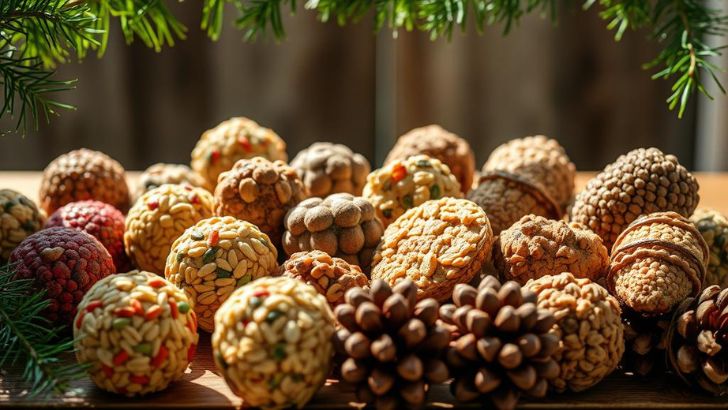
You can assist your backyard birds by preparing healthy treats. By utilizing simple recipes, you can meet their nutritional requirements. This helps their bird health.
Before beginning, it is wise to consult with an avian veterinarian. They can assess the safety and suitability of your treats for the birds. This ensures your efforts are secure and advantageous.
Peanut Butter and Seed Balls
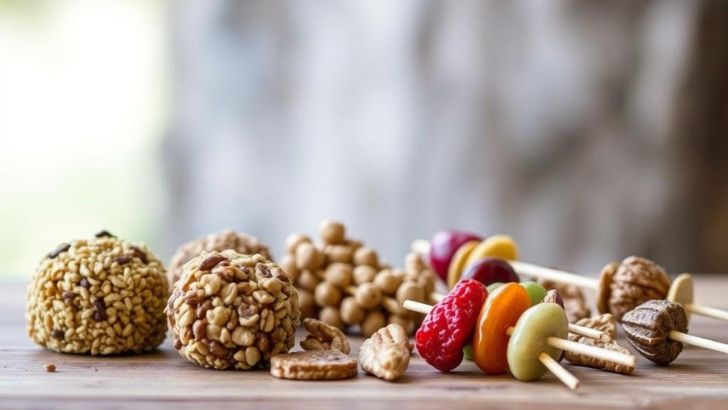
Creating peanut butter and seed balls is simple and enjoyable. You will need peanut butter, seeds like sunflower or millet, and honey. Mix until the mixture forms a sticky dough, then shape it into balls.
Place them on a baking sheet to harden. Once they are firm, hang them outdoors for the birds to enjoy.
Fruit and Nut Bird Feeders
Fruit and nut feeders present another excellent option. Simply thread fruits, like berries or apple slices, along with nuts, on a string or pinecone. Hang them in a tree for the birds to eat.
This not only provides sustenance but also enhances the visual appeal of your garden.
Vegetable Skewers for Garden Birds
Vegetable skewers offer a light and refreshing treat. Use carrots, cucumbers, or zucchini on skewers or strings. They are perfect for warm months and can be suspended in the shade.
By preparing these treats, you can delight in the presence of your backyard birds while simultaneously supporting their health. Remember, utilizing healthy ingredients and obtaining guidance from experts remains essential.
Seasonal Homemade Bird Treats

As the seasons change, so do the needs of our backyard birds. Our homemade bird treats must be modified to meet these seasonal needs. This way, we can promote the well-being of our feathered friends all year long.
Summer Treats to Keep Birds Cool
During the hot summer, birds require treats that assist them in staying cool and hydrated. Creating refreshing fruit skewers with items such as berries and melons is an excellent idea. Alternatively, you can prepare cooling nectar by combining sugar, water, and a touch of fruit juice.
Another cooling summertime treat involves a suet cake containing fruit. Combining suet with apples and berries provides energy for the birds and helps them maintain a cool body temperature.
Winter Treats for Energy and Warmth
In the winter, birds seek treats that deliver energy and warmth. Preparing high-energy suet cakes with animal fat, seeds, and nuts is a viable choice. Additionally, you can create warm seed mixtures by mixing various seeds and nuts.
It is important to ensure that our winter treats do not cause bird beak issues or bird beak overgrowth. Incorporating diverse textures, such as seeds, nuts, and fruits, assists in maintaining healthy beaks.
Spring and Fall Recipes to Attract Migrants
During spring and fall, numerous birds migrate through our backyards. Offering suitable treats can attract these migrants and provide them with the energy they require. Formulating migration-friendly seed mixes consisting of various seeds and nuts is a beneficial concept. Furthermore, you can create fruit and nectar treats that provide a surge of energy and cater to numerous bird species.
By modifying our bird treats in harmony with the seasons, we can support the health of our feathered companions. This practice can also assist in preventing problems like bird beak overgrowth.
Safe Foods for Birds: What to Avoid
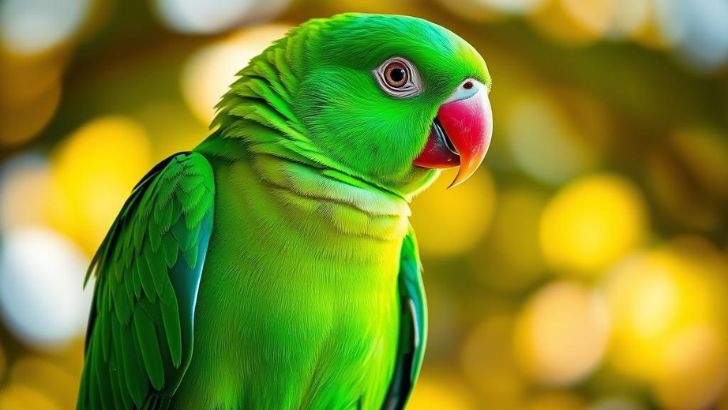
Knowing the foods to avoid is crucial for the health of our backyard birds. Even with good intentions, certain foods can harm them. We will examine harmful foods and suggest safe alternatives for a healthy feeding area.
Toxic Foods for Common Backyard Birds
Some foods that are safe for us can be toxic to birds. For example, avocado contains persin, which can induce vomiting and diarrhea. Chocolate contains theobromine, which is toxic to birds. Other harmful foods include onions and garlic, causing anemia, and caffeine, leading to hyperactivity and heart issues.
| Toxic Food | Effect on Birds |
|---|---|
| Avocado | Vomiting, Diarrhea |
| Chocolate | Theobromine Toxicity |
| Onions/Garlic | Anemia |
| Caffeine | Hyperactivity, Cardiac Issues |
Safe Alternatives to Harmful Ingredients
Numerous safe alternatives to harmful foods are available. Instead of avocado, consider sliced apples or berries, known for being safe and nutritious. Regarding a treat like chocolate, present sunflower seeds or safflower seeds, which numerous birds enjoy.
By selecting safe, nutritious foods for our backyard birds, we cultivate a welcoming environment. This decision improves their health while enriching our experience of observing and interacting with them.
Tools and Supplies for Making Bird Treats
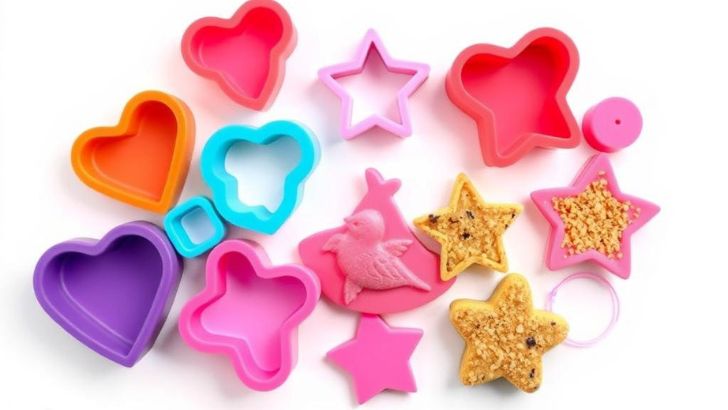
Before diving into the recipes, let´s investigate the essential implements for making bird treats. Having the right tools makes the process more efficient. It also ensures that our feathered friends receive the best possible care, incorporating avian beak care.
Kitchen Essentials You Need
To begin preparing bird treats, you will need some basic kitchen essentials. These include:
- A mixing bowl to combine ingredients
- A measuring cup for accurate proportions
- A spoon or spatula for mixing
- A baking sheet or tray for preparing treats
A high-quality mixing bowl is crucial, allowing you to blend ingredients thoroughly. This ensures consistent texture and composition in your treats.
Creative Mold Ideas for Bird Treats
Utilizing creative molds can introduce enjoyment and variety to your bird treats. Some suggestions encompass:
- Silicone candy molds for shaping
- Ice cube trays to create bite-sized treats
- Cookie cutters to shape dough or suet
Testing diverse molds can assist in identifying the most suitable approach for your bird treats. This adds a personal touch to your creations.
Storage Solutions for Fresh Treats
To maintain the freshness of your bird treats, you will require appropriate storage solutions. Consider employing:
- Air-tight containers to keep treats dry and fresh
- Ziplock bags for storing smaller quantities
- Freezer-safe containers for extended storage
Proper storage not only preserves the quality of the treats but also contributes to maintaining a clean and safe feeding area for the birds.
By having the right tools and supplies, we can transform the treat-making process into an enjoyable experience while ensuring our backyard birds receive wholesome and nutritious snacks.
Feeding Techniques for Sharing Treats
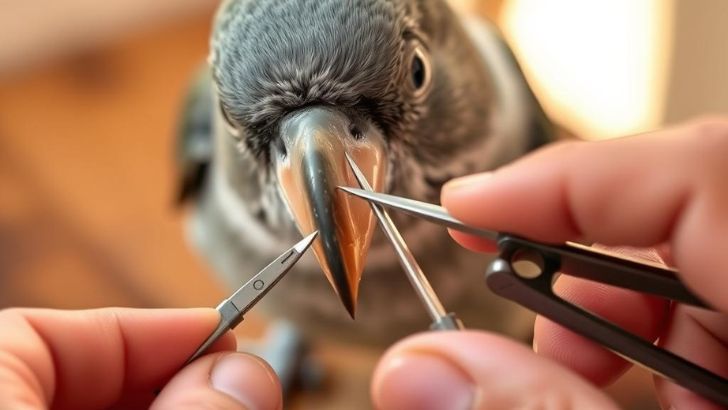
To ensure our feathered friends thoroughly enjoy the treats we prepare, we must reflect on the most effective methods for feeding them. Optimal feeding practices enhance the enjoyment for both us and the birds. They also promote overall bird health, including bird beak maintenance.
Best Times to Feed Backyard Birds
Understanding the optimal times to feed our backyard birds is important. Early mornings and late afternoons are the preferred feeding times.
- Feeding early in the morning provides birds with the energy for the day.
- Feeding late in the afternoon helps them prepare for the night.
How to Properly Hang Bird Feeders
Hanging bird feeders correctly is important so birds can eat safely and easily.
- Choose a spot that is easy to access for refilling and cleaning.
- Ensure the feeder is mounted high to protect birds from predators.
- Use a strong hook or chain that can support the feeder and the birds.
Alternatives to Feeders: Spreading Treats
Bird feeders are a standard way to share treats, yet other methods also exist.
Spreading treats offers benefits:
- It promotes natural foraging habits in birds.
- It reduces competition at traditional feeders.
- It provides a diverse feeding experience.
Attracting Different Bird Species with Treats
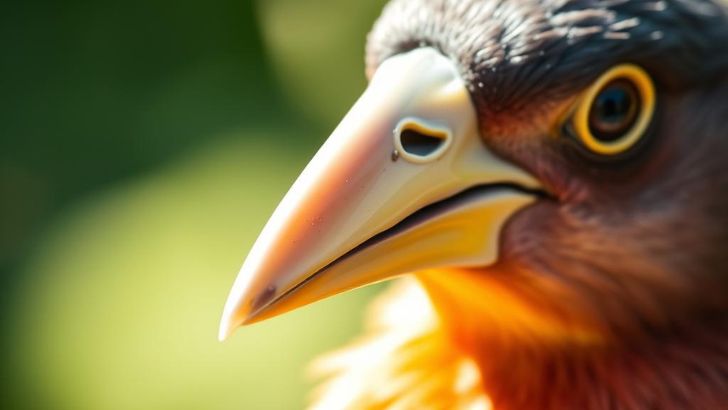
Homemade bird treats can amplify the enjoyment of bird-watching. Each bird has its preferred foods. Learning their preferences can draw various birds to your yard.
Treats That Attract Seed-Eating Birds
Finches and sparrows show a preference for seeds and nuts. Combine sunflower seeds, millet, and Nyjer seed for them. Adding peanuts or almonds is also beneficial. It´s essential to maintain their beaks´ health through the provision of suitable treats.
- Sunflower seeds
- Millet
- Nyjer seed
- Peanuts
- Almonds
Fruity Delights for Fruit-Loving Birds
Orioles and robins appreciate fruits. Create fruit skewers utilizing berries, oranges, and apples. These treats are advantageous for them and draw fruit-loving birds. Ensure the fruits are fresh and free of pesticides.
- Berries
- Oranges
- Apples
Catering to Insect-Eaters with Unique Recipes
Wrens and warblers necessitate protein-rich treats. Create suet cakes containing mealworms or crickets. These treats are excellent for insect-eating birds and support their survival. Suet cakes contribute to their energy stores.
- Mealworms
- Crickets
- Suet
Engaging Kids in Bird Treat Making
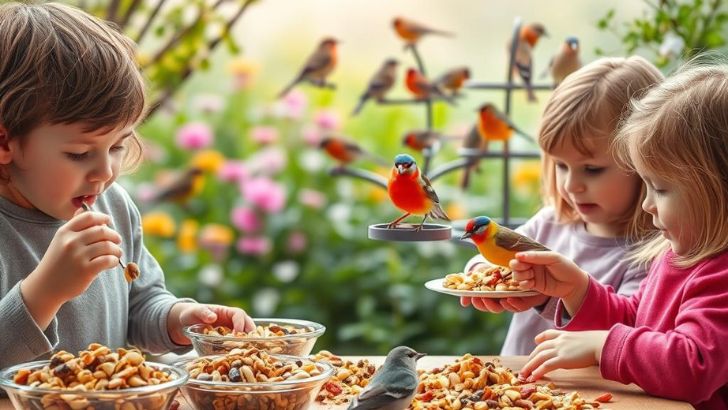
Crafting bird treats presents an enjoyable way for children to spend time. It imparts lessons about bird health and how to feed our backyard birds effectively.
Read more about tasty treats for birds: homemade bird food, best seeds for birds, toxic food for birds
Fun Bird Treat Making Activities
Children can have a delightful experience making bird treats. Here are some fun activities to explore:
- Creating peanut butter and seed balls
- Making fruit and nut skewers
- Designing suet cakes with various ingredients
These activities maintain the children´s engagement and educate them about bird health.
Educational Aspects of Bird Watching
Bird-watching teaches children about varied bird species and their individual requirements. They can obtain knowledge by observing the birds at their feeders. They will discover:
| Bird Species | Dietary Needs | Habitat |
|---|---|---|
| Sparrows | Seeds and grains | Gardens and backyards |
| Robins | Fruits and insects | Lawns and gardens |
| Finches | Seeds and nectar | Backyards with feeders |
Consulting an avian veterinarian can offer more insight into bird health.
“The clearest way into the Universe is through a forest wilderness.” – John Muir
Encouraging Respect and Care for Nature
Engaging children in bird treat making and bird-watching teaches them to respect nature. This can ignite a lifelong passion for wildlife and the environment.
By engaging in these activities, children learn about our ecosystem and their role in supporting bird health.
Keeping Your Feeder Area Clean and Safe
Maintaining a clean area around bird feeders is crucial for the health of our feathered friends. A contaminated feeder can spread bacteria and diseases. This creates potential bird beak issues. By keeping the area clean, we aid our birds´ overall health.
Maintaining Bird Feeders
Regularly cleaning bird feeders is essential. Use soap and water for washing. This removes debris and bacteria, preventing mold and bacterial growth.
Preventing Unwanted Pests
Pests can be attracted to bird feeders. To deter them, utilize pest-resistant feeders. Additionally, maintain the area around the feeder in a clean state.
Cleaning for a Healthy Environment
Regular cleaning of the feeder area is essential. It assists in preventing the spread of disease and keeps birds healthy. This practice minimizes the need for bird beak trimming.
FAQ
What are the advantages of preparing homemade bird treats?
Making bird treats at home provides birds with their required nutrients. It is also beneficial for our finances and the planet.
How can I ensure that the homemade bird treats are safe for the birds?
To ensure treat safety, consult with a veterinarian. Avoid poisonous foods and instead opt for safe alternatives.
Which ingredients are essential for creating nutritious bird treats?
Nuts, seeds, fruits, vegetables, grains, and legumes are vital. They support the birds´ health and maintain their beaks in optimal condition.
How can I prevent bird beak abnormalities through homemade treats?
Employ a combination of ingredients for balanced treats. This promotes appropriate beak development. Always seek guidance from a bird vet.
What are some seasonal considerations for making homemade bird treats?
Adjust your treats with the changing seasons. Summer treats help keep birds cool, while winter ones offer both energy and warmth.
How can I maintain a clean and safe area for my bird feeder?
Frequently clean your feeder area to prevent disease. This ensures the health of your avian inhabitants. Follow effective guidelines for bird feeder care and pest prevention.
Can creating homemade bird treats be a fun and educational activity for children?
Yes, producing bird treats is enjoyable and educates children about bird health. It conveys the significance of caring for nature.
How can I attract different bird species to my yard by providing homemade treats?
Become knowledgeable about each bird´s dietary preferences. Prepare treats for seed-eaters, fruit lovers, and insect-eaters. This will help maintain their good health.