
As cat owners, we strive to keep our feline companions healthy and happy. However, cats can´t tell us when they´re sick. It´s essential to recognize the signs of illness in cats so they can receive the necessary care.
Changes in behavior and physical symptoms can indicate that our cats are not feeling well. This guide will help you understand common signs of illness in cats and when to seek veterinary care.
Common Signs of Illness in Cats
Knowing the signs of illness in cats helps identify health problems early. Cats often retreat or hide when they’re feeling unwell. It´s crucial for owners to watch for any changes in their cat´s behavior and health.
Changes in Appetite
Altered eating habits can signal that a cat is sick. Loss of appetite or eating more than usual can point to issues like dental problems or serious diseases such as diabetes or hyperthyroidism.
Behavior Shifts
Cats may behave differently when they´re not feeling well. They might become more aggressive, withdrawn, or restless. Observing your cat´s daily activities and noticing any unusual behavior is important for catching illnesses early.
Unusual Grooming Habits
Cats are meticulous about grooming. Changes in grooming habits can indicate health problems. Excessive grooming might indicate stress or skin issues, while insufficient grooming could indicate pain or tiredness from illness.
Weight Fluctuations
Changes in a cat´s weight can signal health issues. Both weight loss and weight gain can indicate problems like thyroid disease, diabetes, or cancer. Monitoring your cat´s weight is essential for their health.
By knowing these common signs of illness, cat owners can act quickly to help their pets. If you notice any of these changes, it´s crucial to consult a vet to determine the cause and treatment.
Changes in Litter Box Habits
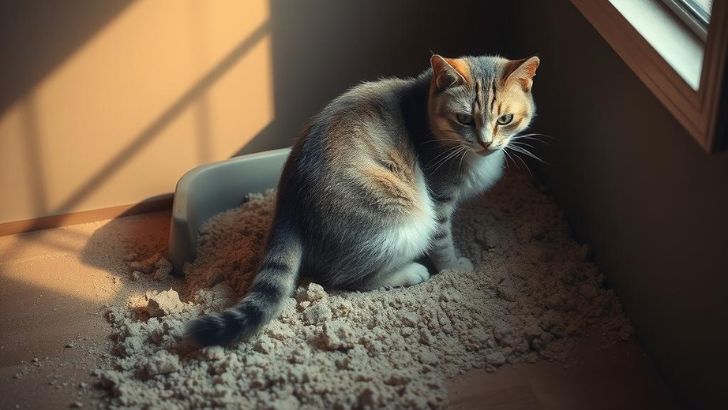
Cats are very particular about their litter box habits. Any changes in their behavior can indicate illness. As cat owners, we need to monitor these signs to get our pets the help they need.
One important thing to notice is the frequency and amount of your cat’s urination. Increased urination or accidents outside the box can indicate health problems such as urinary tract infections or diabetes.
Increased Urination
If your cat is urinating more often or in larger amounts, it could indicate a health issue. Regularly check the litter box to spot any changes.
Difficulty or Pain While Urinating
Urinating with pain or difficulty is a serious sign that requires immediate veterinary attention. Cats with urinary infections or blockages may strain or cry while trying to urinate.
Changes in Stool Consistency
Changes in stool, such as diarrhea or constipation, can indicate gut problems. It´s important to monitor the color, consistency, and frequency of your cat´s bowel movements.
To understand litter box changes better, here´s a table with common issues and their possible causes:
| Symptom | Possible Cause |
|---|---|
| Increased Urination | Urinary tract infections and diabetes |
| Difficulty Urinating | Urinary tract infection and urinary blockage |
| Diarrhea | Gastrointestinal infections and dietary problems |
| Constipation | Dietary Issues, Dehydration |
Understanding these changes and their possible causes helps us act fast to keep our cats healthy. Regular checks and vet visits are important for our cats´ well-being.
Physical Symptoms to Watch For
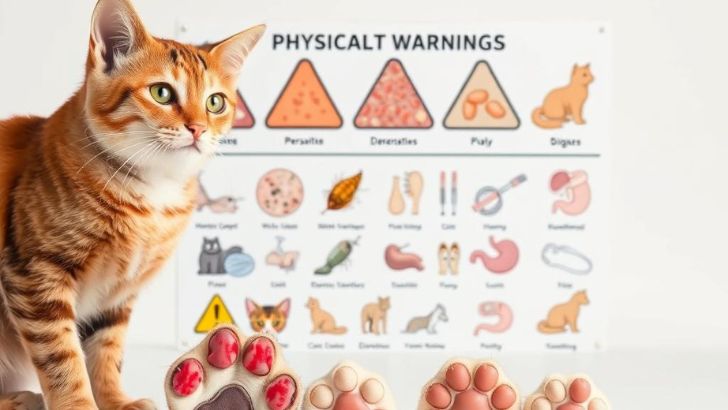
Cats can´t tell us when they´re feeling unwell, so we need to monitor for physical symptoms. These symptoms are often more apparent than behavioral changes. It is critical to monitor them.
Vomiting and Diarrhea
Vomiting and diarrhea can lead to dehydration if not addressed promptly. If your cat is vomiting frequently or has diarrhea for more than a day, seek veterinary care. These symptoms may indicate gastrointestinal issues, infections, or even food allergies.
Coughing or Sneezing
Coughing or sneezing in cats can indicate respiratory infections or allergies. If your cat is coughing or sneezing persistently, it´s crucial to have them checked by a veterinarian. As one veterinary expert says,
“Coughing and sneezing are often the body´s way of trying to clear out irritants or infection from the respiratory tract.”
Skin Issues and Fur Loss
Skin issues and fur loss can be symptoms of various health problems, including allergies, parasites, or skin conditions. If you notice your cat scratching excessively, developing bald spots, or experiencing skin redness, it´s essential to consult with a veterinarian. Early detection can help with providing the necessary care and treatment.
Recognizing these physical symptoms early can make a big difference in your cat´s health outcomes. Regular monitoring and prompt veterinary care are key to ensuring your cat receives the care they need.
Fever and Pain in Cats
It´s important to know when your cat is sick. Cats often show subtle signs of illness. Fever and pain are significant warning signs that require veterinary assistance quickly.
Learn more ways to monitor your cat’s health: cat fever symptoms, cat sneezing a lot, cat dental care
Identifying a Fever
A fever in cats means they might have an infection or inflammation. While a thermometer is the best way to check, also look for other signs, including:
- Lethargy or depression
- Loss of appetite
- Warm ears or paws
- Red or glassy eyes
If you think your cat has a fever, monitor their temperature and health closely. A fever over 104°F (40°C) needs immediate vet care.
Signs of Pain in Cats
Cats often hide their pain, making it difficult to detect. However, there are signs that might indicate they are in pain, including:
- Panting or rapid breathing
- Restlessness or agitation
- Changes in vocalization, such as meowing or hissing
- Avoiding certain activities or areas
Pay close attention to any changes in your cat´s behavior, as these can indicate they´re in pain. If you suspect your cat is hurting, consult your vet to determine the cause and how to help.
Knowing how to spot fever and pain in cats is key to good care. By monitoring for signs and symptoms, you can help your cat get the care they need to feel better or manage ongoing health issues.
Respiratory Issues in Cats
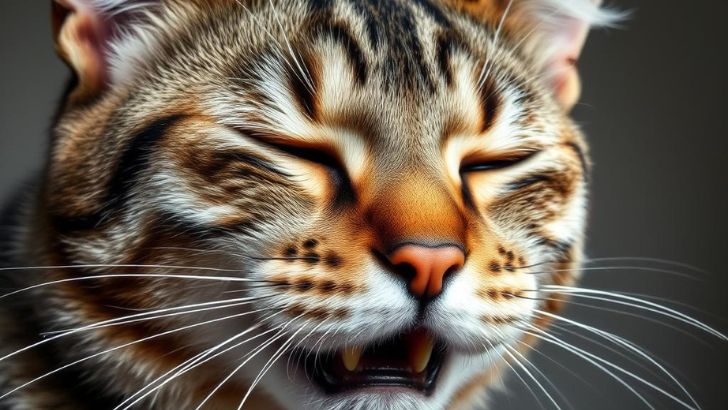
It´s important to know the signs of respiratory distress in cats. These issues can be serious and require immediate veterinary care. Monitoring your cat´s breathing is crucial.
Difficulty Breathing
Difficulty breathing, or dyspnea, is a significant warning sign. It indicates your cat might be having trouble breathing. Look for signs like fast breathing, open-mouth breathing, or difficult breathing. If you observe these signs, seek veterinary care immediately.
Signs of difficulty breathing include:
- Rapid or labored breathing
- Open-mouth breathing
- Blue-tinged gums or lips (cyanosis)
- Wheezing or coughing
Excessive Coughing or Wheezing
Excessive coughing or wheezing can mean your cat has a respiratory problem. This could be asthma or bronchitis. These can be caused by allergies, infections, or things in the air. Monitor your cat´s coughing or wheezing and see a vet if it persists.
Common causes of excessive coughing or wheezing can include:
- Respiratory infections
- Allergies
- Asthma
- Foreign bodies in the airway
Spotting respiratory issues early can be very beneficial for your cat. If you´re worried about your cat´s breathing, consult a vet.
Importance of Regular Vet Check-ups
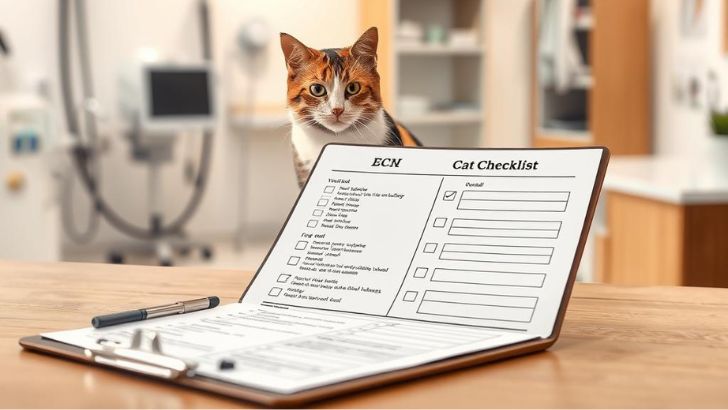
Regular vet visits are key to keeping your cat healthy. They help identify problems early. These visits also provide preventative care to keep your cat well.
Regular vet visits can catch health issues early. This can significantly improve your cat´s life and possibly add years to it.
Recommended Frequency of Visits
How often you should take your cat to the vet depends on a few factors. These include your cat´s age, health, and lifestyle. Healthy adult cats should see the vet at least once a year.
Kittens, older cats, or those with ongoing health problems might need to go more often. Your vet will advise you on the best schedule for your cat.
- Kittens: Every 3-4 weeks until they are about 16 weeks old.
- Senior Cats: Twice a year or as recommended by the vet.
- Cats with Chronic Health Issues: As advised by your veterinarian.
Preventative Care Tips
Preventative care is essential for your cat´s health. This includes vaccinations, parasite control, and dental care. Keeping your cat up to date on their vaccinations protects them from serious diseases.
It´s also important to regularly check for and control parasites like fleas, ticks, and worms. Good dental care can prevent painful dental problems. Regular vet visits can help identify health issues early, ensuring your cat gets the care they need.
By following these tips and working with your vet, you can help your cat live a long, happy life.
How Stress Affects Cat Health
It´s important to know how stress impacts cat health. Stress can cause numerous health problems in cats, ranging from behavioral changes to physical symptoms. Spotting these signs early helps manage stress better.
Signs of Stress in Cats
Cats display signs of stress in various ways. Common signs include:
- Changes in appetite or eating habits
- Increased hiding or avoidance behaviors
- Excessive grooming or changes in grooming habits
- Vocalization or increased meowing
- Changes in litter box behavior
These behaviors could mean your cat is stressed or anxious. Determining the cause is key to resolving the problem.
Managing Cat Anxiety
To manage cat anxiety, create a calm and comfortable environment. You can do this by:
- Providing a stable routine and minimizing changes
- Creating a quiet, safe space for your cat
- Engaging your cat in enrichment activities, such as puzzle toys
- Using calming aids like pheromone diffusers or calming treats
Creating a stress-free environment is crucial for your cat´s happiness. By addressing the root causes of stress, we can significantly improve our cat´s quality of life.
Understanding the signs of stress helps us act early. Regular checks and changes in their surroundings can significantly improve their health and happiness.
Age-Related Health Concerns
As cats age, their health needs change. It´s important to understand these changes for their well-being. Older cats are more vulnerable to certain health issues that can impact their quality of life.
Common Ailments in Senior Cats
Senior cats face a higher risk of health problems. These include arthritis, kidney disease, and dental issues. Arthritis can cause difficulty moving for cats due to joint pain and stiffness. Kidney disease can cause cats to drink and urinate more. Dental problems can result in pain, infection, and difficulty eating if left untreated.
| Common Ailment | Symptoms | Management Tips |
|---|---|---|
| Arthritis | Pain, joint stiffness, and limited mobility | Provide a comfortable environment, consider orthopedic beds, and consult with your vet about pain management options. |
| Kidney Disease | More frequent thirst and urination, along with weight loss | Feed a kidney-friendly diet, ensure access to fresh water, and monitor urination habits. |
| Dental Issues | Foul breath, trouble eating, and pawing at the mouth | Regular dental check-ups, brush your cat’s teeth, and provide dental-friendly food. |
Helpful Tips for Taking Care of Senior Cats
Caring for older cats requires adapting their diet, environment, and healthcare. Feed them a balanced diet that meets their needs. Ensure they have regular vet check-ups. Also, make their living space more comfortable.
- Adjust their diet to senior cat food that is easier to digest.
- Ensure regular veterinary check-ups to monitor their health.
- Make their living environment more comfortable by ensuring easy access to food, water, and litter boxes.
- Consider providing ramps or stairs to help them access their favorite areas.
By understanding and addressing the health concerns of older cats, we can help them live longer, healthier, and more comfortable lives.
Understanding Cat Vocalizations
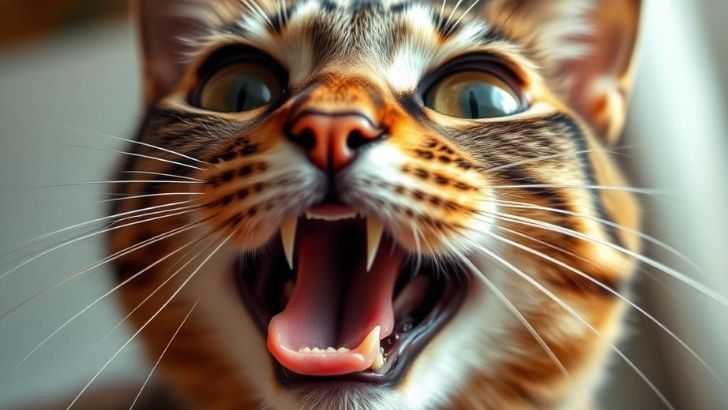
By paying attention to your cat´s vocalizations, you can better understand their needs and potential health issues. Cats primarily communicate through vocalizations, which can indicate their emotional and physical state.
Changes in Meowing Patterns
Changes in meowing patterns can provide significant insight into your cat´s health. An increase or decrease in meowing frequency can have various meanings; it might signal hunger, a desire for attention, or a potential medical issue.
A cat that is typically vocal but suddenly becomes quiet could be experiencing pain. Conversely, a cat that meows excessively might be seeking attention or feeling anxious.
Unusual Vocal Sounds
Unusual vocal sounds like hissing, growling, or spitting can indicate stress, fear, or aggression. These sounds often accompany tense body language or unsheathed claws.
Recognizing these vocalizations and responding to your cat´s needs is crucial for their emotional and physical well-being.
To better understand cat vocalizations, let´s examine some common patterns and their possible meanings:
| Vocalization | Possible Meaning |
|---|---|
| Increased Meowing | Hunger, seeking attention, and feelings of anxiety |
| Decreased Meowing | Pain, Depression, Illness |
| Hissing/Growling | Fear, aggressive behavior, and territorial instincts |
Knowing when to seek veterinary care is essential for your cat´s health. Cats often conceal signs of illness, so monitoring their behavior and overall health is important.
When to Call the Veterinarian
Severe symptoms like persistent vomiting, difficulty breathing, or extreme lethargy warrant immediate veterinary attention, as these can indicate serious health problems.
Urgent Signs of Illness
Utilizing a cat health checklist can further assist in early detection of these issues.
Getting Ready for Your Vet Visit
Before your vet appointment, gather information regarding your cat´s symptoms, including their onset and any observed changes. This information helps your veterinarian accurately diagnose the problem. Being prepared for your vet visit can facilitate a quicker recovery for your cat.
By remaining vigilant and taking prompt action, you can ensure your cat receives the timely care they require.
FAQ
What are the signs that my cat might be feeling sick?
You can assess your cat´s health by observing any changes in their behavior, appetite, and litter box habits, as well as looking for physical symptoms like vomiting, diarrhea, or skin problems.
What are common signs of illness in cats?
Common signs of illness include alterations in appetite and behavior. You should also look for unusual grooming habits, weight fluctuations, and changes in litter box habits, such as either increased urination or altered stool consistency.
Why is my cat vomiting or having diarrhea?
Vomiting and diarrhea can indicate gastrointestinal problems. Close observation is crucial, and veterinary consultation is necessary if these symptoms persist or worsen.
How often should I take my cat to the vet?
The frequency of vet visits depends on your cat´s age and overall health. Regular check-ups are essential for maintaining your cat´s health; always adhere to your vet´s recommended schedule. Can stress affect my cat´s health? Yes, stress can negatively impact a cat´s health, potentially leading to both physical and behavioral issues. Creating a calming environment and providing engaging activities can help mitigate stress.
What are the signs of stress in cats?
Signs of stress include changes in appetite, hiding behavior, excessive grooming, and unusual vocalizations. Recognizing these signs helps in fostering a supportive environment.
How can I manage my senior cat´s health concerns?
Managing health concerns in older cats involves dietary adjustments, regular veterinary visits, and creating a more comfortable living space.
What are urgent signs of illness that require immediate veterinary care?
Urgent signs include severe vomiting, difficulty breathing, lethargy, and signs of pain. Immediate veterinary attention should be sought if any of these symptoms are present. How can I prepare for a vet appointment? Preparation involves gathering detailed information on your cat´s symptoms and medical history, which aids the veterinarian in providing the best care and treatment.
Can changes in vocalizations indicate health issues?
Yes, changes in meowing patterns or the presence of unusual sounds can indicate different needs or potential health problems, and paying attention to these vocal changes helps in addressing the cat´s needs.