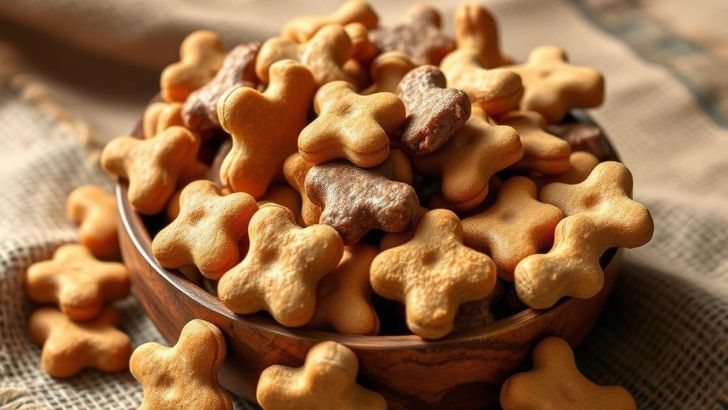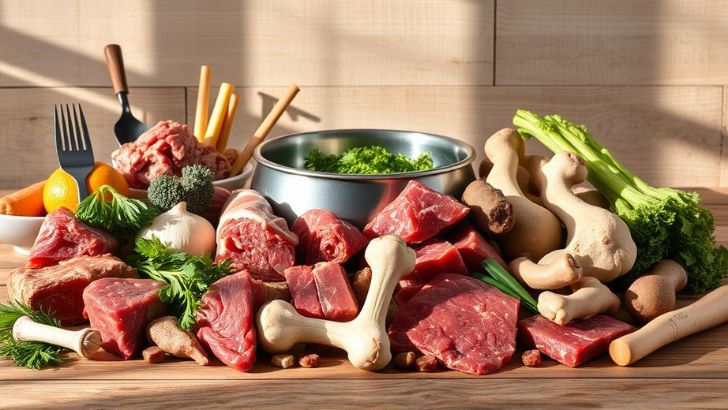

Looking for healthy, meaty ways to keep your dog satisfied? Discover the best Homemade Dog Food Recipes that are easy to make and guaranteed to contain only healthy and beneficial ingredients. These formulas provide your dog with the optimal balance of nutrition for proper digestion, better energy, shiny coat, and overall good health. If your dog needs a special diet, or you simply want to avoid unsavory food substances, homemade meals ensure your pet eats only quality food products. Start exploring simple and vet approved Homemade Dog Food Recipes today, and ensure your beloved pet receives the love and care they deserve.
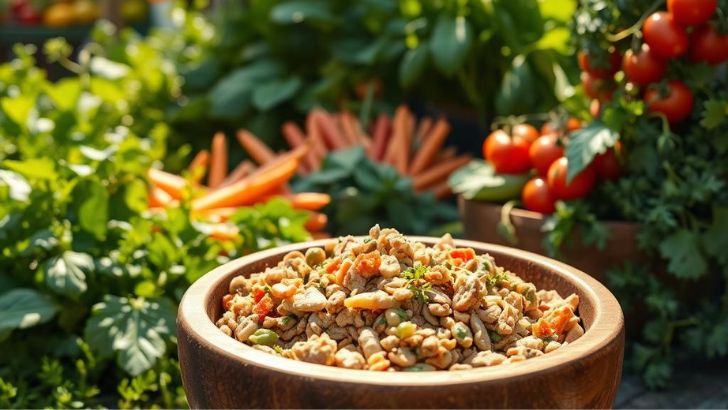
Why Choose Homemade Dog Food?

Choosing homemade dog food empowers you to control your dog´s diet. You can choose the most suitable ingredients for their needs. This can significantly improve their health and happiness.
Benefits of Homemade Dog Food
Homemade dog food provides numerous key benefits. It avoids harmful preservatives and additives commonly found in store-bought foods. These additives can negatively impact your dog´s health. Preparing their food at home enables you to use only the best ingredients for their well-being.
- Improved digestion through controlled ingredients
- Reduced risk of allergies and sensitivities
- Enhanced nutritional value from fresh ingredients
Control Over Ingredients
A major advantage of homemade dog food is control over the ingredients. You can choose what goes into their meals, avoiding potential allergens. This is especially beneficial for dogs with allergies.
Cost-Effectiveness
While some believe homemade dog food to be expensive, it can actually save money. Purchasing ingredients in bulk and preparing meals in larger batches can cut costs. Furthermore, it has the potential to reduce veterinary bills by keeping your dog healthy.
- Bulk purchasing reduces ingredient costs
- Large batch cooking saves time and money
- Potential reduction in veterinary expenses due to improved health
Essential Ingredients for Dog Food
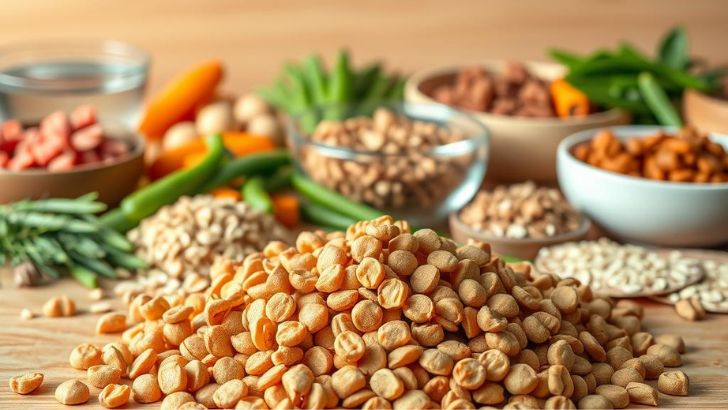
A homemade dog food recipe requires a well-balanced combination of essential ingredients for optimal health. It is vital to create a diet that meets your dog´s specific needs.
Proteins: What Your Dog Needs
Proteins are essential for your dog´s muscles, skin, and coat. Select high-quality proteins such as chicken, beef, fish, and eggs. They should be easily digestible and rich in amino acids.
- Chicken: A lean protein that is rich in protein and low in fat.
- Salmon: High in omega-3 fatty acids, supporting skin and coat health.
- Beef: Provides essential vitamins and minerals, including iron and zinc.
Carbohydrates: Finding the Best Options
Carbohydrates provide your dog with energy and support digestion. Whole grains like brown rice, oats, and barley are excellent choices. Vegetables such as sweet potatoes and carrots also contribute carbohydrates and fiber.
- Brown rice: Easily digestible and rich in fiber.
- Sweet potatoes: High in vitamins A and C, and fiber.
- Oats: Promotes healthy digestion and maintains energy levels.
Vegetables: Nutritional Benefits
Vegetables enhance your dog´s health by supplying fiber, vitamins, and minerals. Dark leafy greens like spinach and kale boast antioxidants. Carrots and green beans add vitamins and minerals.
- Spinach: Rich in iron and antioxidants.
- Carrots: Supports healthy vision and immune function.
- Green beans: Low in calories and rich in fiber.
Including these ingredients in your dog´s meals ensures they get the essential nutrients to maintain good health.
Easy Homemade Dog Food Recipes
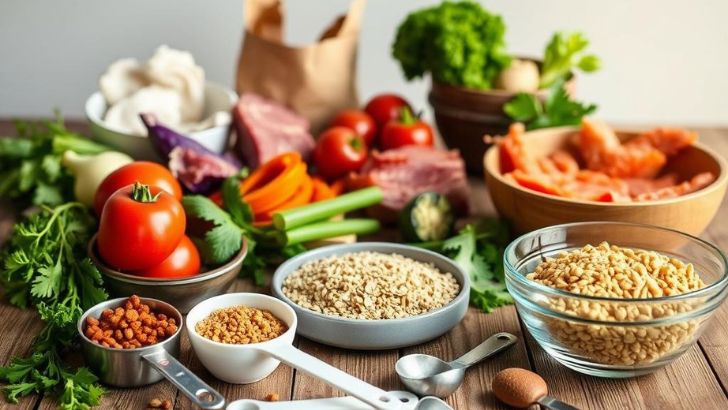
Creating healthy meals for your dog is simplified with these straightforward recipes. Cooking at home allows you to choose the ingredients. This way, your dog receives the necessary nutrients without harmful additives.
Chicken and Rice Recipe
This recipe is excellent for dogs with sensitive stomachs. It is easily digestible and packed with nutrients.
- 1 pound boneless, chicken breast or thighs
- 1 cup cooked white or brown rice
- 1/2 cup cooked vegetables (such as carrots or green beans)
Nutritional Information: This recipe provides an abundance of protein and carbohydrates. It is a balanced meal for your dog.
Beef and Sweet Potato Diet
This recipe is packed with nutrients, including protein and fiber. It contributes to your dog´s overall well-being.
| Ingredient | Quantity |
|---|---|
| 1 pound ground beef | 1 cup |
| 1 large sweet potato, cooked and diced | 1 cup |
| Cooked green beans | 1/2 cup |
Tip: Always consult your veterinarian before making changes to your dog´s diet.
Salmon and Quinoa Meal
This recipe is rich in omega-3 fatty acids and complex carbohydrates. It supports your dog´s skin, coat and all-around health.
“Feeding your dog a balanced, homemade diet can significantly improve their health and well-being.” – Pet Nutrition Expert
To make this recipe, you´ll need:
- 1 pound cooked salmon
- 1 cup cooked quinoa
- 1 cup steamed vegetables (like broccoli or spinach)
These recipes are easy to follow and can be customized to your dog´s specific needs. Always introduce new foods gradually to prevent upset stomachs.
Special Dietary Considerations

Understanding and addressing the specific dietary needs of our dogs is crucial. This secures their health and well-being.
See more healthy dog feeding ideas: best dog food brands, what can dogs eat, raw food diet for dogs
Recipes for Dogs with Allergies
Dogs with allergies require special diets to prevent common allergens. We can create hypoallergenic recipes incorporating novel proteins and carbohydrates.
A duck and pumpkin recipe is a great choice for sensitive stomachs. Duck offers a novel protein source, while pumpkin aids digestion.
Low-Sodium Options for Older Dogs
Older dogs require less sodium to maintain a healthy heart. We can prepare delicious, low-sodium meals for them.
A chicken and green bean recipe is ideal. It utilizes low-sodium chicken broth and green beans to provide additional nutrition without the added salt.
| Ingredient | Standard Amount | Low-Sodium Alternative |
|---|---|---|
| Chicken | 1 lb | 1 lb, use low-sodium broth |
| Broth | Regular chicken broth | Low-sodium chicken broth |
| Vegetables | Regular green beans | Fresh or frozen green beans |
By implementing these dietary adjustments, we can substantially improve our dogs´ health and happiness.
Daily Nutritional Requirements for Dogs
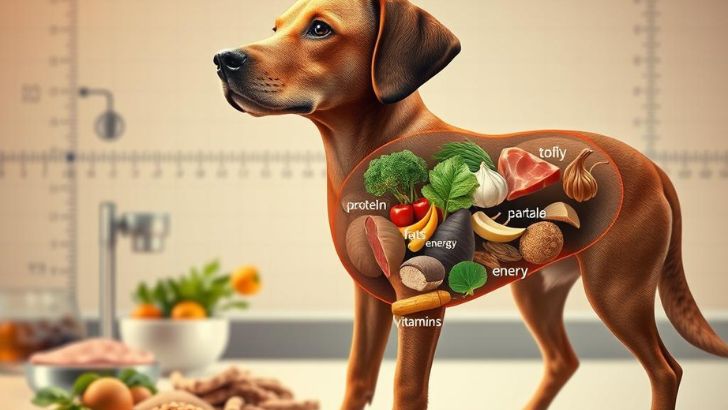
Comprehending your dog´s daily requirements is critical for their health. They need a balanced diet that includes proteins, fats, carbohydrates, vitamins, and minerals.
Protein is essential for your dog´s body, aiding in the construction and repair of tissues. The required amount depends on your dog´s age, size, and activity level.
Understanding Protein Needs
Dogs require varying amounts of protein based on their life stage and activity level. Tailoring the protein content in their diet to their specific needs is crucial.
Chicken, beef, fish, and eggs, are high-quality protein sources. These provide dogs with the necessary amino acids for optimal health.
Importance of Fats and Carbs
Fats are also essential for your dog´s diet. They provide energy and aid in vitamin absorption. Healthy fats, like omega-3s in fish oil, are incredibly beneficial.
Although not mandatory, carbohydrates offer fiber and energy. Good carbohydrate sources for dogs include whole grains like brown rice and oats, as well as vegetables.
Ensuring your dog´s diet is balanced is important. Understanding protein, fats, and carbohydrates aids in the preparation of healthy meals at home.
Tips for Transitioning to Homemade Food
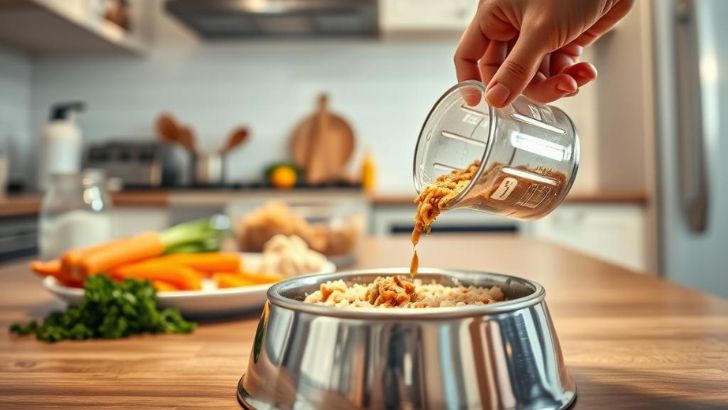
Switching to homemade dog food is more extensive than simply altering recipes. It involves ensuring your dog´s digestive system adapts well.
Homemade dog food can be remarkably healthy. Sudden diet changes can upset your dog´s stomach. Therefore, slowly introducing new foods is essential.
Gradual Introduction to New Diet
Begin by mixing a small amount of the new food with their current diet. Gradually increase the proportion of homemade food over 7–10 days. This gradual introduction helps prevent digestive issues.
“A gradual transition is key to preventing gastrointestinal upset,” says a veterinary nutritionist. “It´s not just about changing the food; it´s about changing your dog´s digestive habits.”
Watch for Allergic Reactions
While introducing new ingredients, closely monitor your dog´s health. Look for allergy symptoms such as itching, scratching, or stomach problems. Change the diet promptly if any adverse reactions occur.
- Observe your dog´s stool quality and overall behavior.
- Keep a food diary to track any changes or reactions.
- Consult your veterinarian if you have any concerns.
By careful monitoring and making necessary adjustments, your dog can thrive on homemade food. Remember, every dog is unique, and what works for one might not work for another.
Meal Prep and Storage Tips
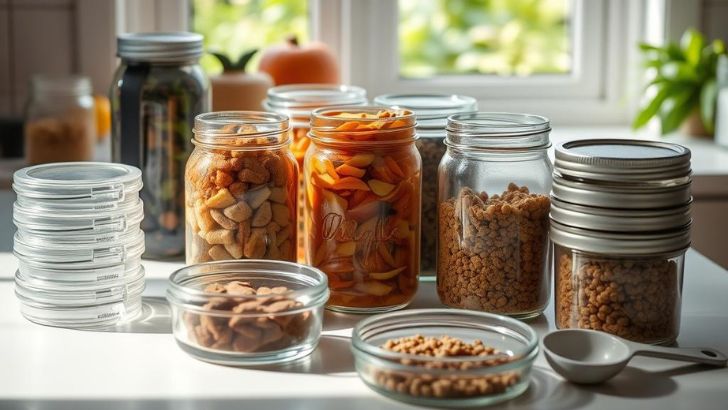
To preserve the freshness and nutritional value of your dog´s homemade meals, mastering meal preparation and storage techniques is crucial. Proper storage and handling are critical to maintaining the quality and safety of homemade dog food.
How to Properly Store Homemade Dog Food
When storing homemade dog food, following a few guidelines is essential. Utilize airtight containers to store food in the refrigerator or freezer. Refrigeration is adequate for short-term storage; for longer periods, freezing is the optimal choice.
Refrigeration Tips: Store food in shallow, airtight containers to aid rapid cooling and prevent bacterial growth. Label containers with the preparation date.
Freezing Tips: Utilize freezer-safe containers or bags, removing as much air as possible before sealing to prevent freezer burn. Frozen meals can be thawed in the refrigerator or quickly by submerging the container in cold water.
| Storage Method | Duration | Tips |
|---|---|---|
| Refrigeration | 3-5 days | Use airtight, shallow containers |
| Freezing | 3-6 months | Use freezer-safe containers, remove air |
Portion Sizes for Different Breeds
Determining the right portion size for your dog depends on several factors that include their breed, size, age, and activity level. Typically, smaller breeds require more calories per pound of body weight than larger breeds.
For example, a toy breed, like a Chihuahua, may need around 40 kcal/pound/day. In contrast, a giant breed like a Great Dane might only need approximately 20 kcal/pound/day. Additionally, consider your dog´s activity level; more active dogs require more calories.
| Breed Size | Daily Caloric Needs (approx.) | Portion Size Guidance |
|---|---|---|
| Toy Breeds | 40 kcal/pound | 1/4 to 1/2 cup per 10 pounds |
| Small Breeds | 30-40 kcal/pound | 1/2 to 3/4 cup per 10 pounds |
| Large Breeds | 20-30 kcal/pound | 3/4 to 1 cup per 10 pounds |
By following these meal prep and storage tips, you can ensure your dog enjoys healthy, homemade meals. This minimizes waste and preserves nutritional value.
Common Mistakes in Homemade Dog Food
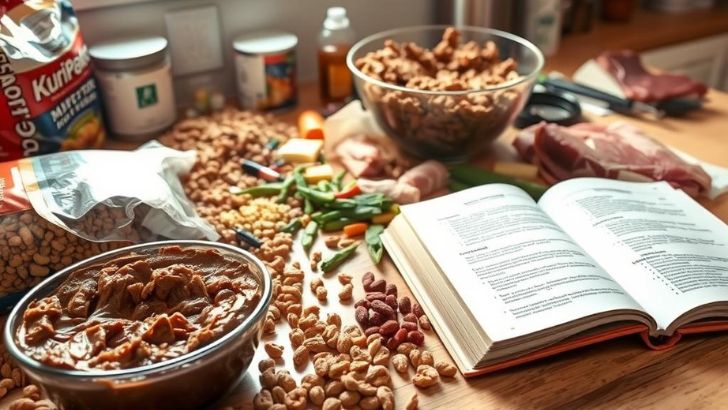
When preparing homemade dog food, avoiding mistakes that can harm your dog´s health is important. Many owners opt for homemade food to offer their pets the best nutrition. However, if you lack the correct knowledge, mistakes can easily happen.
A major concern is maintaining dietary balance. A balanced diet is key to your dog´s health. Mistakes in this area can cause serious health problems.
Overlooking Nutritional Balance
A common mistake is ignoring nutritional balance, which can lead to dietary problems. Dogs require a balanced intake of proteins, fats, carbohydrates, vitamins, and minerals. Ensure a balanced diet by incorporating a variety of ingredients in your recipes.
| Nutrient | Importance | Food Sources |
|---|---|---|
| Protein | Essential for muscle growth and repair | Chicken, Beef, Fish |
| Fats | Provides energy and aids in vitamin absorption | Salmon Oil, Coconut Oil |
| Carbohydrates | Source of energy | Sweet Potatoes, Brown Rice |
To prevent nutritional deficiencies, alternate protein sources and incorporate various vegetables and grains. Consulting with a vet or nutritionist can also assist in ensuring recipe balance.
Using Harmful Ingredients
Another significant mistake is using ingredients that are harmful to dogs. Foods safe for human consumption can be toxic to dogs. For instance, onions and garlic can cause anemia, while chocolate is toxic due to theobromine.
To ensure your dog´s safety, identify and avoid toxic ingredients. Prioritize dog-friendly foods that are nutritious and safe.
By being cautious and avoiding these mistakes, you can prepare healthy, balanced homemade dog food. This food will help keep your dog happy and healthy.
Dog-Friendly Treat Recipes
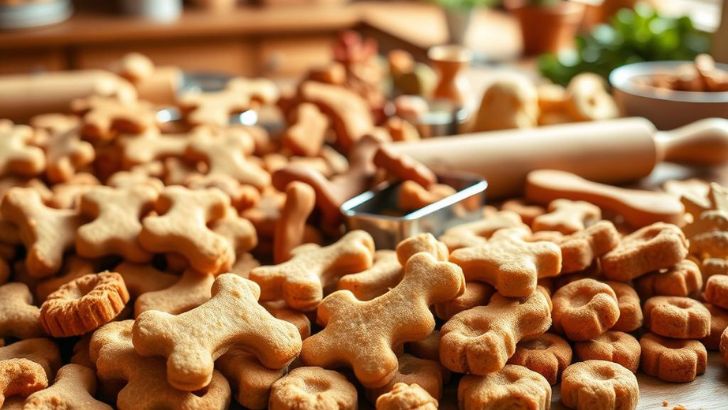
With a few ingredients, you can make delicious, healthy treats for your dog. These treats introduce enjoyment and reward to your dog´s diet.
Try these easy, healthy recipes at home. They are tasty and healthier than store-bought snacks.
Easy Peanut Butter Treats
Dogs love peanut butter, and preparing treats with it is simple. You´ll need:
- 1 cup peanut butter
- 1/2 cup whole wheat flour
- 1/4 cup honey
Mix everything until it forms a dough. Roll it out and cut into shapes using a cookie cutter. Bake at 350°F for 15-20 minutes.
Frozen Yogurt Bites
Frozen yogurt bites are an excellent treat for warm weather. They provide a refreshing experience for your dog. You´ll need:
- 1 cup plain yogurt
- 1/2 cup mashed banana
- 1 tablespoon honey
Mix the ingredients, pour into an ice cube tray, and freeze. These treats are tasty and refreshing.
By preparing these dog-friendly treats at home, you can ensure your dog receives healthy snacks. Always consult your vet before introducing new foods or treats.
Resources for Further Information
If you would like to learn more about preparing homemade dog food, numerous resources are available. You can find cookbooks and online platforms that offer excellent recipes and guidance. These resources can aid in improving your dog´s diet.
Recommended Cookbooks
Cookbooks focused on dog nutrition are incredibly helpful. Books like “The Complete Healthy Dog Handbook” and “Dr. Becker´s Real Food for Healthy Dogs and Cats” are full of helpful advice. These books provide guidance on preparing healthy meals for our dogs.
Online Forums and Communities
Online dog communities and forums are great platforms to connect with other dog lovers. Websites and social media groups focused on homemade dog food are perfect for sharing recipes and asking questions. You can also learn a lot from others who prioritize their dogs´ health.
FAQ
What are some common signs of constipation in cats?
Cats with constipation may exhibit infrequent bowel movements. They may also pass hard or dry stools. Additionally, they can strain during defecation or even vomit. If you observe these signs, consult your vet to rule out health issues.
How can I help my constipated cat at home?
You can try several at-home methods. Encourage your cat to drink more water. Supplement their diet with fiber-rich foods or supplements. Likewise, encourage increased physical activity. Using a humidifier can aid in softening their stools.
What are some effective cat constipation remedies?
Dietary modifications, such as increasing fiber intake, can be helpful. In addition to that, using natural laxatives like canned pumpkin or psyllium is also beneficial. Additionally, a warm bath or gentle massage may also prove beneficial.
Can I give my cat laxatives for constipation?
No, do not give your cat human laxatives. They can be harmful. Seek advice from your vet on the appropriate treatment, which might also involve a specific laxative or medication.
How can I prevent constipation in my cat?
Ensure your cat stays hydrated and consumes a balanced diet containing fiber. Promote regular exercise. Regularly scheduled vet visits can also aid in detecting potential issues early.
Are there any holistic solutions for cat constipation?
Yes, holistic approaches such as acupuncture, herbal supplements, and dietary changes can aid. However, always consult a vet before implementing any new treatments.
What dietary changes can help alleviate cat constipation?
Increase your cat´s fiber intake by adding fiber-rich foods or supplements. Ensure they drink ample water. Consider transitioning to a digestive health-supporting food.
How long does it take to see improvement in a constipated cat?
Improvement times vary based on the underlying cause and the implemented treatment. Collaborate closely with your vet to monitor your cat´s progress and modify treatment as needed.