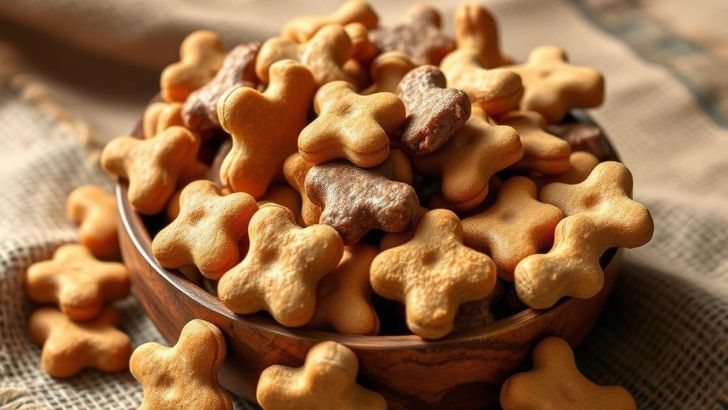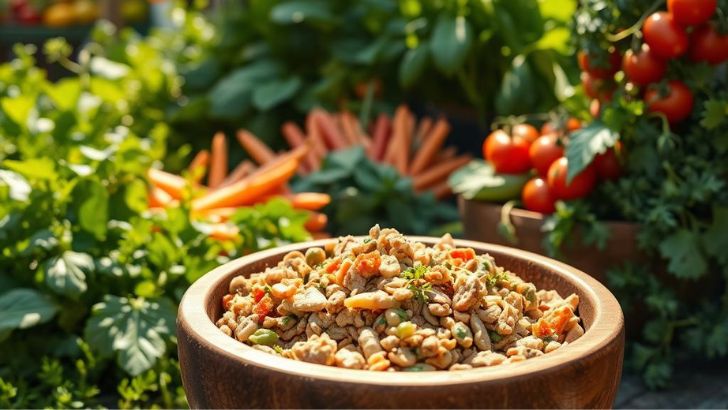

The well-being and happiness of our canine companions are paramount, and selecting the appropriate nourishment plays a crucial role in achieving this. This comprehensive guide will delve into the optimal foods for dogs, encompassing a variety of categories such as fruits, vegetables, protein sources, and grains.
A cornerstone of canine health is a diet that is both complete and balanced. Within these pages, we will explore the fundamental reasons why making judicious food choices is so critical for your dog´s vitality. Furthermore, we will highlight a selection of dog-friendly comestibles that are recognized for their beneficial impact on their health.
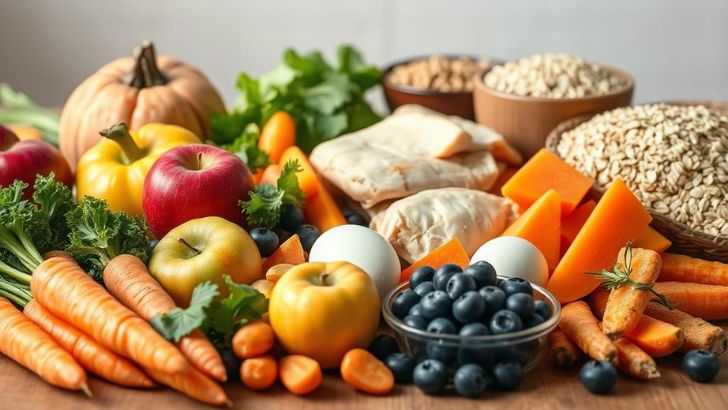
Understanding Your Dog’s Nutritional Needs
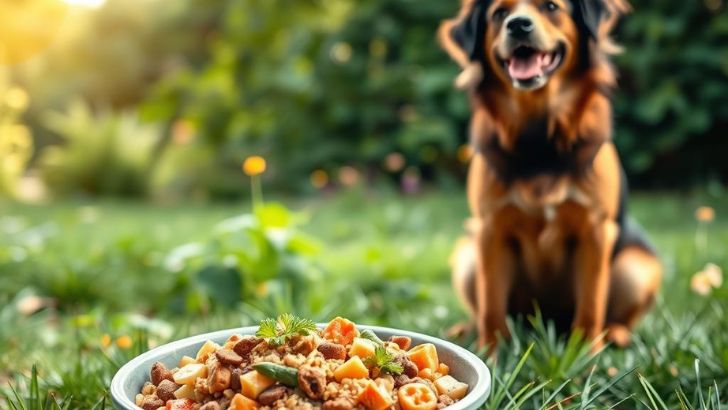
Comprehending the specific dietary requirements of your dog is fundamental to ensuring their overall health. A meticulously curated diet contributes significantly to their physical condition, influencing everything from the luster of their coat to their inherent energy levels. The essence of this lies in providing them with the precise spectrum of nutrients they require.
The Importance of a Balanced Diet
The establishment of a balanced dietary plan is absolutely essential for the robust health of your dog. It serves to guarantee that they receive all the necessary nutrients for optimal functioning. These essential components include proteins, fats, carbohydrates, vitamins, and minerals. A deficiency in any of these vital elements can unfortunately lead to various health complications.
The practice of feeding your dog with appropriate sustenance directly contributes to their sustained health. It plays a crucial role in maintaining the vitality of their skin, the sheen of their coat, and their overall vigor. It is advisable to select a high-quality dog food that is specifically formulated to align with your dog´s age, body size, and general activity level.
Essential Nutrients for Dogs
Dogs necessitate a specific combination of proteins, fats, carbohydrates, vitamins, and minerals. Proteins are instrumental in the development and subsequent repair of muscle tissue. Fats serve as a primary energy source and are crucial for maintaining healthy skin and a lustrous coat. Carbohydrates also provide a valuable source of energy. Vitamins and minerals are indispensable for the proper development of bones and the effective functioning of the immune system.
Vitamin D, in particular, is critically important for bone health, while omega-3 fatty acids contribute significantly to the maintenance of healthy skin and coat condition. Ensuring that your dog receives an adequate intake of these essential nutrients is paramount for their long-term health and longevity.
Common Nutritional Deficiencies
Nutritional deficiencies can arise when a dog´s diet is not adequately constituted. This may manifest as an insufficient intake of vital vitamins and minerals such as vitamin D, calcium, and iron. Such deficiencies can precipitate a range of health issues, including skeletal fragility, a dull or unhealthy coat, and diminished energy levels.
To maintain your dog in optimal health, it is imperative to monitor their dietary intake with diligence. Should any concerns arise, adjustments to their diet may be necessary. Consulting with a veterinarian is highly recommended to ascertain the most suitable dietary regimen for your individual dog.
Safe Fruits and Vegetables for Dogs
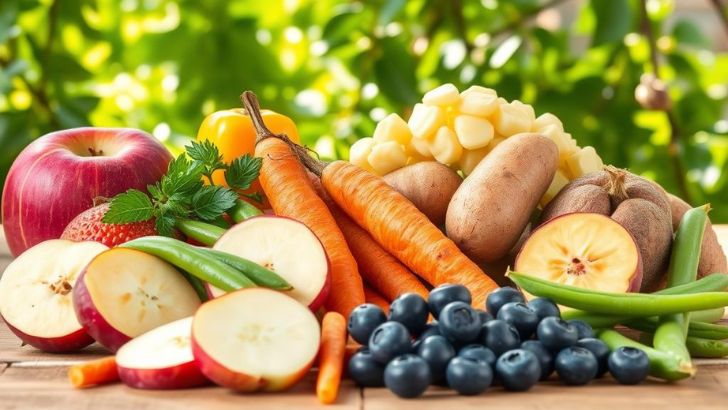
Incorporating suitable fruits and vegetables into your dog´s diet can significantly enhance their overall health profile. While dogs are primarily protein consumers, certain fruits and vegetables can serve as excellent supplementary additions. They provide a wealth of essential vitamins, minerals, and beneficial antioxidants.
Berries: A Tasty Treat
Berries offer not only a delightful taste but are also rich in vital nutrients. Blueberries, for instance, are particularly abundant in antioxidants, which are known to combat the aging process and positively influence cognitive function in dogs. Strawberries also present a healthy option, being a good source of vitamin C and dietary fiber. Nevertheless, it is important to administer them in limited quantities due to their natural sugar content.
Carrots: Crunchy and Nutritious
Carrots are a favored snack among a great many dogs. They are exceptionally rich in beta-carotene, a precursor that the canine body converts into vitamin A. This vitamin is crucial for maintaining healthy vision, supporting immune system functionality, and promoting good skin health. Carrots can be offered either raw or cooked, but it is essential to ensure they are cut into small pieces to mitigate any potential choking hazards.
Vegetables to Avoid
It is important to recognize that not all vegetables are suitable for canine consumption. Onions and garlic, for example, are considered toxic as they possess the potential to induce anemia and inflict damage upon red blood cells. Similarly, grapes and raisins are also detrimental and can lead to acute kidney failure. Understanding which vegetables should be avoided is a critical aspect of safeguarding your dog´s health.
By judiciously adding safe fruits and vegetables to your dog´s dietary intake, you can contribute to making their meals more nutritionally balanced and varied. It is always advisable to seek professional guidance from a veterinarian before implementing any significant changes to your dog´s diet.
Proteins That Are Good for Dogs
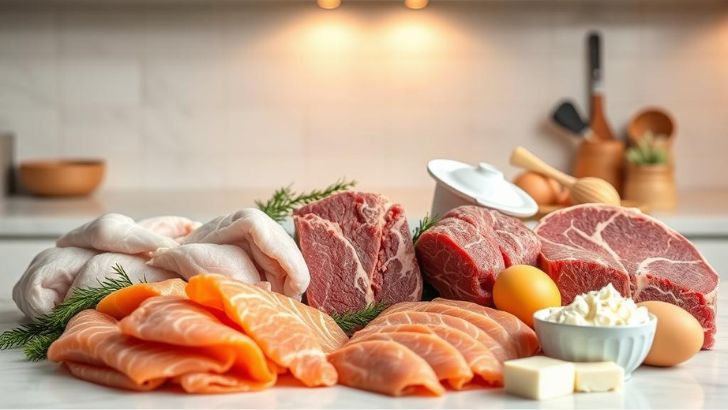
Prioritizing protein in your dog´s diet is fundamental to their overall health and development. Protein plays a vital role in muscle development and facilitates the essential process of muscle repair. Dogs require a diet that is rich in high-quality protein to maintain their health effectively.
Lean Meats: Chicken and Turkey
Lean meats represent an excellent choice for canine nutrition. Chicken and turkey are particularly recommended due to their high protein content and relatively low fat levels. They also provide essential amino acids that are beneficial for muscle health.
Fish: Omega-3 Benefits
Fish serves as a valuable source of protein for dogs as well. It is particularly rich in omega-3 fatty acids. These beneficial fats contribute to improved skin health, aid in reducing inflammation, and promote a glossy, healthy coat. Salmon and sardines are often highlighted as prime choices due to their substantial omega-3 content.
| Fish Type | Omega-3 Content | Benefits |
|---|---|---|
| Salmon | High | Reduces inflammation, supports heart health |
| Sardines | High | Rich in calcium, supports bone health |
| Tuna | Moderate | High-quality protein, supports muscle health |
Plant-Based Proteins
For dogs who experience food allergies or have specific dietary restrictions, plant-based protein sources can offer a suitable alternative. Lentils, chickpeas, and quinoa are commendable options, providing essential amino acids and being generally easy to digest for many canines.
In essence, incorporating a variety of protein sources into your dog´s diet is crucial. Opt for lean meats, fish, or plant-based proteins that are of the highest quality. This approach ensures that your dog receives the full spectrum of nutrients necessary for their well-being.
Dairy Products and Dogs
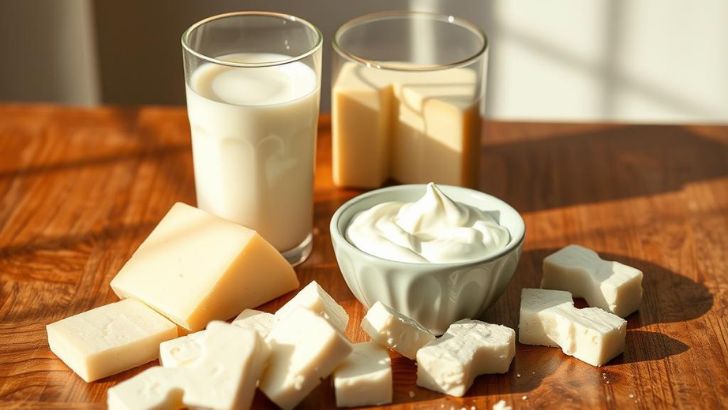
The world of dairy products is extensive, and it is important for dog owners to exercise caution when considering their inclusion in their dog´s diet. Dairy can indeed contribute beneficial nutrients such as protein, calcium, and various vitamins. However, it is imperative to understand which products are safe and the appropriate methods for their introduction.
Can Dogs Eat Cheese?
Cheese can be a beneficial addition to a dog´s diet, being a good source of protein and calcium. Nevertheless, it is crucial to select the appropriate types of cheese and to offer them in moderation. Plain, unflavored varieties such as mozzarella and cottage cheese are generally considered safer options. It is advisable to avoid cheeses that contain added flavorings or have a high salt content.
Here´s a quick guide on cheese types and their safety for dogs:
| Cheese Type | Suitability for Dogs | Reason |
|---|---|---|
| Mozzarella | Safe in moderation | Low in lactose, high in protein |
| Cottage Cheese | Safe | High in protein, low in lactose |
| Feta | Caution advised | High in salt |
| Blue Cheese | Avoid | Contains mold that can be toxic |
Yogurt: A Probiotic Source
Yogurt can be beneficial for dogs due to its probiotic content, which aids in digestive processes. It is essential to choose plain, unflavored, and unsweetened varieties. Greek yogurt is particularly advantageous as it is high in protein and typically contains less lactose.
Lactose Intolerance in Dogs
Similar to humans, dogs can also experience lactose intolerance, meaning they struggle to digest lactose, a sugar found in milk. The symptoms of this intolerance can include diarrhea, excessive gas, and abdominal discomfort. If you suspect your dog may have lactose intolerance, it is important to consult with a veterinarian.
In summary, dairy products such as cheese and yogurt can be beneficial for dogs when chosen with care. It is always recommended to introduce new foods gradually and in small quantities. Should you have any uncertainties regarding dairy consumption or your dog´s overall diet, a veterinarian can provide valuable guidance to ensure their nutritional needs are met.
Grains and Carbs: What’s Safe?
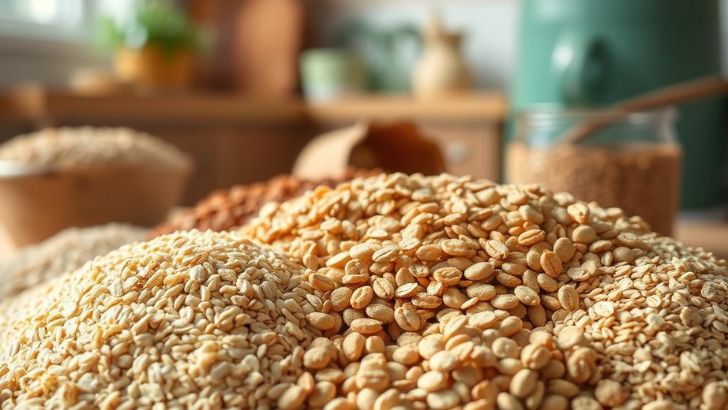
Understanding which grains are appropriate for canine consumption is fundamental to establishing a balanced diet. Grains and carbohydrates provide dogs with essential energy and dietary fiber. However, the specific type of grain is of paramount importance.
Brown Rice and Oats
Brown rice is easily digestible for dogs and is a rich source of fiber and essential nutrients. Its inclusion in commercial dog food is common due to its recognized health benefits. Oats are also an excellent option, providing a substantial amount of fiber and potentially aiding in the reduction of cholesterol levels. Both are considered safe and healthy choices for dogs.
A study published in the Journal of Animal Science indicated that brown rice can positively impact the digestive health of dogs, making it a suitable choice for canines experiencing digestive sensitivities.
Learn more about safe and healthy foods for dogs: homemade dog food recipes, toxic foods for dogs, dog treats for training
Quinoa: A Healthy Grain Alternative
Quinoa is a highly nutritious grain that has gained increasing popularity in canine dietary plans. It contains all the essential amino acids that dogs require and is abundant in fiber and minerals. However, it is advisable to introduce it gradually to prevent potential digestive upset.
“Quinoa is an excellent addition to a dog´s diet due to its high nutritional value. But, it´s important to cook it well so dogs can digest it easily.” – Canine Nutrition Expert
Grains to Avoid
It is important to note that not all grains are safe for dogs. Wheat and other gluten-containing grains can potentially trigger allergies or intolerances in some dogs. Furthermore, grains that are high in sugar or salt content are detrimental. Processed grains can also pose a risk to a dog´s health.
| Grain Type | Safety for Dogs | Nutritional Benefits |
|---|---|---|
| Brown Rice | Safe | High in fiber, digestible |
| Oats | Safe | Rich in fiber, lowers cholesterol |
| Quinoa | Safe (in moderation) | Complete protein, high in minerals |
| Wheat | Avoid (potential allergen) | High in fiber, but may cause intolerance |
When incorporating new grains into your dog´s diet, it is important to do so gradually. Closely monitor for any adverse reactions. Always consult with a veterinarian before making any changes to your dog´s food.
What Dogs Should Never Eat
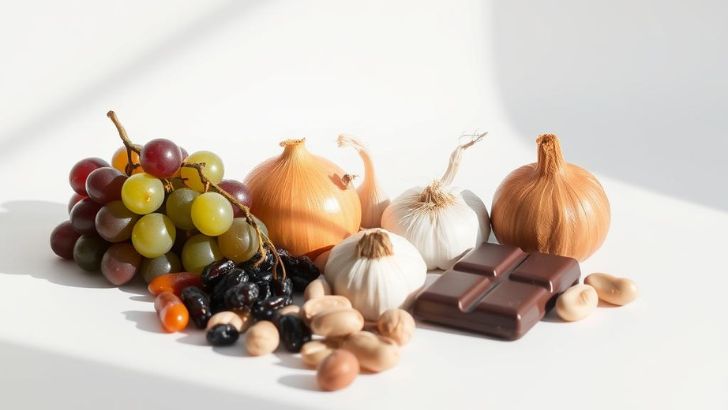
It is absolutely critical for dog owners to be able to distinguish between foods that are safe for their pets and those that are harmful. As responsible caretakers, we must be knowledgeable about which human foods can pose a danger to our animal companions.
Toxic Foods: Chocolate and Grapes
Certain human foods are inherently toxic to dogs. Chocolate is perhaps one of the most widely recognized toxic substances. It contains theobromine, a compound that dogs are unable to metabolize efficiently. The darker the chocolate, the higher its concentration of theobromine and thus, its toxicity. Grapes and raisins are also dangerously toxic and can precipitate severe kidney failure. It is imperative to keep these items strictly out of your pet´s reach.
Foods High in Fat
Consuming foods that are excessively high in fat can lead to pancreatitis in dogs. This condition is characterized by significant pain and can be life-threatening. Foods such as bacon, sausage, and particularly fatty cuts of meat should be strictly avoided. Additionally, it is important to limit the intake of fatty table scraps that are given to dogs.
Spices and Seasonings to Avoid
Many spices and seasonings that are entirely harmless to humans can be toxic when ingested by dogs. For instance, onions and garlic are known to damage a dog´s red blood cells, potentially leading to anemia. Other spices, such as nutmeg, and certain nuts like macadamia nuts, can also prove harmful.
| Food | Toxicity Level | Potential Harm |
|---|---|---|
| Chocolate | High | Theobromine poisoning |
| Grapes/Raisins | High | Kidney failure |
| Onions/Garlic | Moderate | Anemia |
| Fatty Foods | Moderate | Pancreatitis |
By possessing a thorough understanding of which foods are detrimental to canine health, we can effectively protect our beloved pets. This knowledge is instrumental in ensuring they lead long, healthy, and joyful lives.
Homemade Dog Food: A Growing Trend
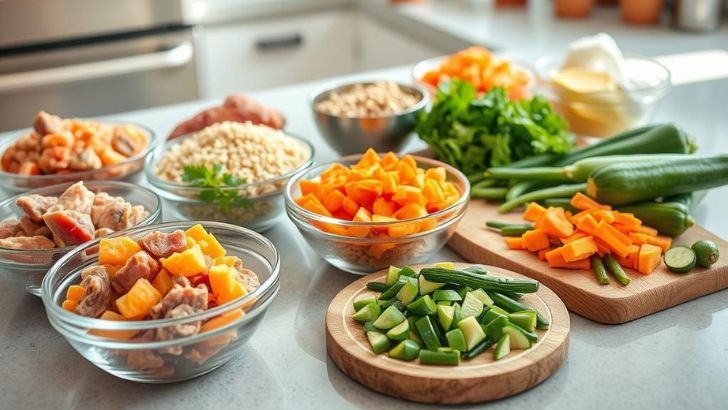
A growing number of pet owners are opting for the preparation of homemade dog food for their beloved animals. This trend is often fueled by a desire to provide a healthier diet, free from artificial preservatives and additives. The underlying motivation for this choice is a commitment to offering their dogs a superior nutritional experience.
Benefits of Homemade Meals
The preparation of homemade dog food empowers owners with complete control over their dog´s nutritional intake. This ensures that their canine companions receive all the necessary nutrients without the inclusion of unnecessary fillers. Research has indicated that dogs maintained on homemade diets tend to exhibit improved coat condition and experience fewer health-related issues.
“A well-balanced homemade diet can significantly enhance a dog´s overall health and well-being.”
Homemade meals also offer the flexibility to cater to specific health requirements. This is particularly advantageous for dogs suffering from allergies or sensitivities.
Key Ingredients for Balanced Recipes
A well-formulated homemade dog food recipe should comprise a balanced combination of proteins, fats, carbohydrates, vitamins, and minerals. It should ideally incorporate lean meats, fish, and a variety of vegetables. Ingredients such as chicken, turkey, fish, sweet potatoes, and green beans are considered foundational components.
- Lean meats: Chicken, turkey, and beef
- Fish: Salmon and sardines for omega-3 benefits
- Vegetables: Sweet potatoes, carrots, and green beans
- Grains: Brown rice and oats for fiber
Tips for Preparing Safe Dog Food
When undertaking the preparation of homemade dog food, it is essential to adhere to strict food safety protocols. Utilize fresh ingredients and ensure that all food is thoroughly cooked to prevent the transmission of infections.
Seeking consultation with a veterinarian is also a crucial step. They can provide guidance to ensure that the homemade diet is nutritionally balanced and appropriate for your specific dog´s needs.
By meticulously preparing homemade dog food, owners can provide their dogs with a highly nutritious diet. This practice actively supports their overall health and vitality.
Treats and Snacks: What’s Acceptable?

The market offers a vast array of dog treats, but it is important to determine which are safe for our pets. Treats and snacks can serve as effective rewards or provide a valuable energy boost. It is imperative to select options that are both palatable, safe, and contribute positively to their health.
Natural Dog Treat Options
Opting for natural dog treats is a prudent choice for avoiding the inclusion of preservatives and artificial additives. Some highly beneficial and healthy alternatives include:
- Sweet potatoes, which are rich in essential vitamins and minerals.
- Carrots, which are excellent for promoting dental health.
- Green beans, which are low in calories and a good source of fiber.
- Apples, offering a tasty source of antioxidants (ensure seeds and cores are removed).
These options are not only nutritionally beneficial but are also readily digestible by most dogs.
Store-Bought Snacks: Reading Labels
When purchasing commercially prepared snacks, it is always advisable to carefully read the ingredient labels. Look for products that feature:
- Clearly identified protein sources (e.g., chicken, salmon).
- Whole grains or vegetables listed as primary ingredients.
- Minimal or no added artificial preservatives and additives.
- Transparent nutritional information and clear feeding guidelines.
Exercise caution with products that have vague ingredient lists or make unsubstantiated claims, such as treats purported to cure specific health conditions.
DIY Dog Treat Recipes
The creation of homemade dog treats can be an enjoyable and rewarding activity. It grants you the ability to meticulously control the ingredients used, allowing you to craft treats that your dog will particularly enjoy. Some straightforward recipes include:
- Peanut butter biscuits.
- Sweet potato chews.
- Pumpkin and chicken jerky.
It is important to consult with a veterinarian before introducing new foods or treats into your dog´s diet, especially if they have existing food allergies or sensitivities.
Hydration: The Importance of Water
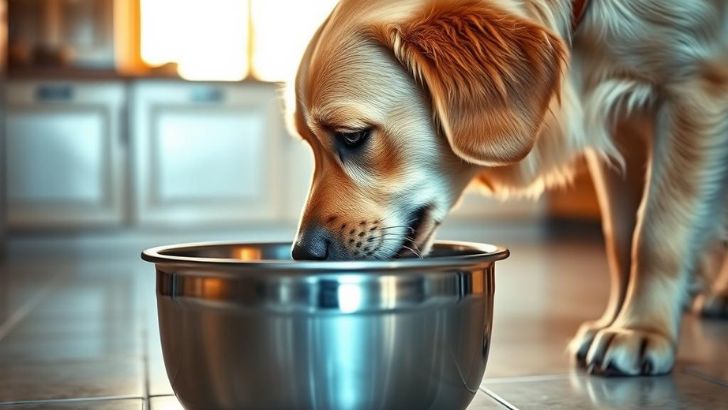
Adequate hydration is a critical factor for dogs, directly impacting their energy levels and the health of their skin. It is essential to ensure that their water supply is consistently clean and fresh.
Daily Water Intake for Dogs
The amount of water a dog requires fluctuates based on factors such as their size, age, and overall activity level. A general guideline suggests approximately one ounce of water per pound of body weight daily. Therefore, a dog weighing 20 pounds would necessitate around 20 ounces of water each day.
It is important to monitor your dog´s water consumption. This is particularly crucial during periods of warmer weather or following periods of significant physical activity.
Signs of Dehydration
Dehydration can represent a serious health concern for dogs. Be vigilant for the following indicators:
- Dryness of the mouth and nose.
- Excessive panting.
- A noticeable loss of appetite.
- General lethargy or listlessness.
In instances where these signs are observed, it is essential to provide your dog with water immediately. If the symptoms persist or do not improve, seeking veterinary attention is paramount.
Keeping Your Dog Hydrated
To ensure your dog remains adequately hydrated, make certain that their water bowl is always clean and consistently replenished. You can also consider incorporating water into their food to increase their overall moisture intake.
Tips for Encouraging Water Intake:
- Refresh the water frequently to maintain its freshness.
- Utilize a pet water fountain, which can make drinking a more engaging activity.
- Enhance the water with a small amount of low-sodium chicken broth to improve its appeal.
As “Dr. Karen Becker, a renowned veterinarian, emphasizes the importance of hydration in maintaining a dog´s overall health.”
“Adequate hydration is vital for your dog´s bodily functions, including digestion and temperature regulation.”
Conclusion: Making Informed Choices
The selection of appropriate food for your dog is fundamental to their overall health. Understanding what foods are safe for canine consumption and adhering to established guidelines is of utmost importance. This knowledge empowers you to provide the best possible care for your dog.
Consult a Professional
Engaging in a discussion with your veterinarian represents a significant step in identifying the most suitable dietary options for your dog. They possess the expertise to recommend the best foods and formulate a personalized diet plan tailored to your dog´s unique needs.
Monitor Your Dog´s Health
It is equally important to observe your dog´s responses to the food they consume. Pay close attention to their energy levels, the condition of their coat, and their digestive regularity. This attentive monitoring ensures that the food choices you make are indeed beneficial for them.
Nutrition for a Healthy Life
With the guidance of your veterinarian and diligent observation of your dog, you can confidently make informed dietary choices. This approach enables you to provide your dog with a balanced diet, thereby contributing to a long and fulfilling life.
FAQ
What are the best fruits and vegetables for dogs to eat?
Safe and nutritious options for dogs include carrots, green beans, and apples. But, avoid toxic foods like grapes, onions, and garlic.
Can dogs eat cheese and other dairy products?
Dogs can have small amounts of dairy, but some might be lactose intolerant. Start with small amounts and watch for reactions. Yogurt is good because it has probiotics that help digestion.
What proteins are safe for dogs to eat?
Dogs need a lot of protein. Feed them lean meats like chicken, turkey, and fish. Plant-based proteins like beans and lentils are also good.
Are grains and carbohydrates safe for dogs to eat?
Whole grains like brown rice, oats, and quinoa are good for dogs. But, avoid grains with gluten or other allergens.
What are some common toxic foods that dogs should avoid?
Avoid toxic foods like chocolate, grapes, raisins, onions, garlic, and fatty foods. These can cause serious health problems, including vomiting, diarrhea, and organ failure.
How can I ensure my dog is getting a balanced diet?
For a balanced diet, talk to a vet to find the best plan. You can also use high-quality dog food or make homemade food with vet guidance.
How much water should my dog drink daily?
Dogs need at least one ounce of water per pound of body weight daily. This depends on their size, age, and activity level.
Can I give my dog homemade treats, and what are some safe recipes?
Yes, homemade treats are okay. Use healthy ingredients like peanut butter, pumpkin, and sweet potatoes. But, avoid toxic ingredients and check with a vet before trying new treats.