
Is your feline friend cat sneezing a lot more than usual? An excess of sneezing in cats can result from various factors, including allergies, infections, or environmental irritants. Understanding the underlying cause is essential to providing the appropriate care for your cat. We will examine the possible reasons behind your cat´s sneezing. We will also give helpful advice to resolve the issue.
Cat Sneezing a Lot: What’s Really Behind It?
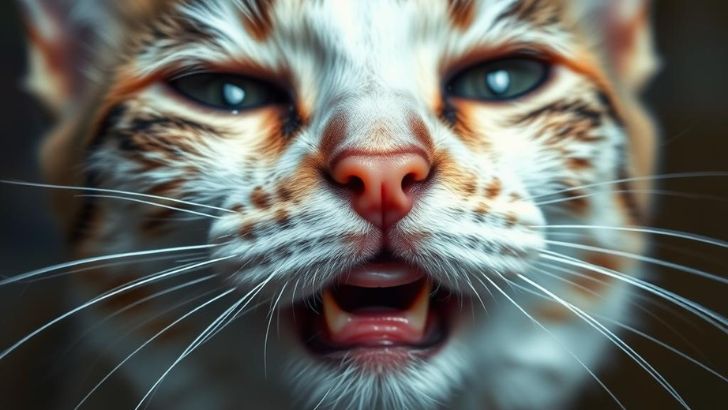
Sneezing in cats can be caused by many different things, such as allergies or infections. Recognizing the cause helps keep your cat healthy.
Allergies in Cats
Allergies often cause cats to sneeze. Cats, similar to humans, can react to items like pollen or dust. These can induce excessive sneezing in your cat. Symptoms of cat allergies include sneezing, among other things.
Upper Respiratory Infections
Upper respiratory infections also lead to sneezing in cats. These can be viral or bacterial and readily spread among cats. Symptoms include sneezing, nasal discharge, and sometimes fever. Feline upper respiratory infections require immediate veterinary care to prevent serious complications.
Foreign Objects in the Nose
Sneezing can also occur if something is lodged in your cat´s nose. Cats enjoy exploring, and small objects can become trapped. If you believe this is why your cat is sneezing, seek veterinary assistance to safely remove it.
When to Be Concerned About Cat Sneezing

Monitoring your cat´s sneezing is essential for identifying serious problems. Normal sneezing is acceptable, but consistent or severe sneezing could indicate a problem.
Signs Your Cat Needs Immediate Care
If your cat struggles to breathe, experiences eye or nose discharge, or appears tired, seek immediate veterinary assistance. These signs could suggest a significant issue, such as an infection or something obstructing its nose.
Instant care is needed if your cat shows difficulty breathing, refuses to eat, or behaves differently.
Duration of Sneezing Episodes
The duration of your cat´s sneezing is highly significant. If sneezing persists for days or is accompanied by coughing or gagging, consult a veterinarian.
Tracking the frequency and duration of your cat´s sneezing helps your veterinarian better understand their health.
Changes in Other Symptoms
Observing changes in symptoms is crucial. New or worsening symptoms could indicate a greater problem.
For example, if your cat has chronic cat sneezing, like constant nasal discharge or sneezing fits, a vet check is necessary. They can identify the cause and provide the appropriate cat sneezing treatment.
Understanding Cat Allergies
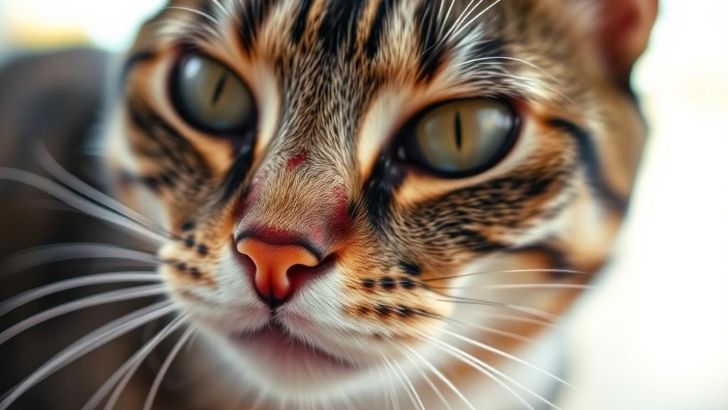
Allergies can significantly impact a cat´s well-being, presenting as sneezing and itching. Recognizing the causes of these allergies and how to treat them is essential for pet owners.
Common Allergens for Cats
Cats can be allergic to various substances, including pollen, dust mites, mold, and certain foods. These can cause them to feel uncomfortable or even very unwell.
- Pollen: Cats can develop the same allergies as people, leading to seasonal symptoms.
- Dust Mites: These tiny bugs found in dust can cause allergies in cats.
- Mold: Mold spores can trigger allergies, worsening conditions for cats with breathing problems.
- Food Allergens: Cats can also be allergic to specific foods, like beef or dairy.
Symptoms of Allergies in Cats
Recognizing the signs of allergies in cats is essential. Common indicators include:
- Sneezing and coughing
- Itching and scratching
- Skin problems, such as redness or sores
- Watery eyes
Treatment Options for Cat Allergies
Many options are available to assist cats with allergies. These include:
| Treatment | Description |
|---|---|
| Antihistamines | Medicines that fight histamine, helping with itching and sneezing. |
| Corticosteroids | Strong drugs that reduce inflammation from allergies. |
| Immunotherapy | A treatment that slowly gets your cat used to allergens. |
| Dietary Changes | Changing to a special diet can help with food allergies. |
Consulting a veterinarian is the initial step in identifying the most appropriate treatment for your cat´s allergies. Understanding and treating these allergies can enhance your cat´s quality of life.
Upper Respiratory Infections in Cats

Feline upper respiratory infections can significantly affect a cat´s life, causing discomfort and distress. These infections are common in cats, leading to sneezing, nasal discharge, and conjunctivitis.
Read more about cat health issues: cat dental care, cat fever symptoms, how to tell if your cat is sick
Causes of Upper Respiratory Infections
These infections are usually caused by viruses or bacteria. Viruses like feline herpesvirus and feline calicivirus are common. Bacteria such as Chlamydophila felis and Bordetella bronchiseptica also play a role. Knowing the cause helps in selecting the correct treatment.
According to the Koret Shelter Medicine Program at UC Davis, around 80–90% of feline upper respiratory infection cases are attributed to these two viruses.
Symptoms to Watch For
Symptoms of upper respiratory infections in cats can vary widely. Common manifestations include sneezing, nasal discharge, and red eyes. Cats may also exhibit fatigue, loss of appetite, and fever. It is essential to closely monitor these symptoms.
Key symptoms to watch for:
- Sneezing and nasal discharge
- Redness and discharge of the eyes
- Lethargy and loss of appetite
- Fever
Treatment and Care Guidelines
Treating upper respiratory infections in cats involves supportive care and, in some cases, medication. Supportive care includes keeping the cat warm, hydrated, and clean. Antibiotics may be necessary if bacteria are involved.
Care guidelines:
- Provide a comfortable and warm environment.
- Ensure consistent access to fresh water.
- Administer prescribed medications as directed by your veterinarian.
The Role of Environmental Factors
The air your cat breathes and their living environment are crucial to their sneezing. Environmental factors can irritate your cat´s nose, triggering sneezes. Recognizing these factors helps create a comfortable home for your cat.
Dust and Pollutants
Dust and pollutants can irritate your cat´s nose, causing sneezing. These irritants include dust mites, pollen, and smoke. Inhaling these can cause allergic reactions or irritate the nose, leading to sneezing.
- Dust mites are tiny creatures that live in dusty environments and can cause allergic reactions.
- Pollen from trees, grasses, and weeds can also trigger allergies in cats.
- Smoke from cigarettes or fires can irritate your cat´s respiratory system.
Seasonal Changes and Allergies
Seasonal changes bring different allergens and irritants. For example, spring pollen counts are high, which can worsen allergies in cats. Knowing these changes helps you prepare and reduce your cat´s exposure to allergens.
Common seasonal allergens include:
- Spring: Tree and grass pollen
- Summer: Grass and weed pollen
- Fall: Weed pollen and mold
- Winter: Indoor allergens like dust mites and mold
Importance of Clean Living Spaces
Maintaining a clean home environment is crucial to minimize your cat´s exposure to irritants. Regular cleaning can reduce the presence of dust, pollen, and other allergens in your home.
Tips for keeping your home clean:
- Regularly vacuum and dust surfaces, focusing on areas where your cat spends most of their time.
- Use HEPA filters in your vacuum and air purifiers to trap allergens.
- Wash your cat´s bedding frequently to remove allergens.
Veterinary Care: What to Expect

Understanding what happens at the vet can ease your stress and your cat´s. At the vet, their goal is to find the cause of sneezing and create a treatment plan.
Initial Consultation and Examination
The first step is a comprehensive check-up of your cat. The veterinarian will review their health history. They´ll inquire about when the sneezing started, any observed behavior or appetite changes, and additional symptoms.
A physical examination will also be conducted. This aims to identify any signs of illness or infection.
Diagnostic Tests for Sneezing Cats
To determine the cause of your cat´s sneezing, the veterinary professional might suggest tests. These could include:
- Blood tests to check for infections or allergies
- Imaging studies, such as X-rays or CT scans, to examine the nasal passages and sinuses
- Nasal swabs to identify bacterial or fungal infections
These tests help the vet understand the problem. Then, they can create a treatment plan specifically for your cat.
Treatment Plans from Your Vet
After determining the cause, the vet will recommend a treatment plan. This may involve:
| Treatment | Description |
|---|---|
| Antibiotics | For bacterial infections causing sneezing |
| Antihistamines | To alleviate allergic reactions |
| Nasal decongestants | To reduce nasal congestion |
By adhering to the veterinarian´s plan, you can support your cat´s recovery. This will also enhance their overall health.
Home Remedies for Sneezing Cats

Home remedies can be helpful when your cat sneezes. It´s crucial to consult a veterinarian to determine the underlying cause. However, you can take several steps at home to enhance your cat´s comfort.
Natural Remedies to Alleviate Symptoms
Various natural remedies can assist sneezing cats. Steam inhalation can loosen nasal secretions and alleviate congestion. You can generate steam by running a hot shower in a closed bathroom and sitting with your cat for a few minutes.
Certain herbal supplements may help alleviate allergy symptoms. However, always consult your veterinarian before administering any supplements to your cat.
When to Use Humidifiers
Humidifiers can enhance your cat´s comfort. Dry air can worsen nasal irritation. Adding moisture to the air can soothe your cat´s nose.
Humidifiers are particularly beneficial during dry winter months or in air-conditioned spaces during summer. However, ensure you clean and maintain them properly to avoid bacteria.
Dietary Considerations for Sensitive Cats
Diet is essential in managing your cat´s sneezing, particularly in cases of allergies. A balanced and hypoallergenic diet can be beneficial. Some cats benefit from novel protein diets or hydrolyzed proteins.
It´s also crucial to keep your cat hydrated by ensuring access to fresh water.
| Dietary Change | Potential Benefit |
|---|---|
| Novel Protein Diet | Reduces exposure to common allergens like chicken or beef |
| Hydrolyzed Protein Diet | Breaks down proteins into smaller, less allergenic components |
| Omega-3 Rich Foods | Helps reduce inflammation and improve skin health |
Using these home remedies can help your cat feel better. However, always discuss any substantial modifications to your cat´s environment or diet with your veterinarian.
Preventive Measures for Cat Sneezing
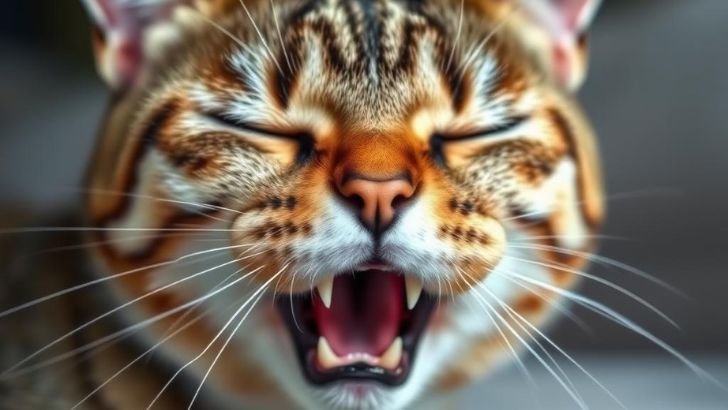
Several actions can decrease the likelihood of cat sneezing. Initially, schedule regular vet visits for your cat. Maintain a clean living space and ensure they receive proper nutrition. These steps can aid in minimizing sneezing.
Regular Vet Check-Ups
Regular vet visits are critical. They facilitate the early detection of health issues. Veterinarians can assess for allergies or infections that may cause your cat to sneeze.
Your vet could administer tests to determine the cause of your cat´s sneezing. Identifying the issue early promotes more effective treatment and prevents it from worsening.
Keeping Your Home Allergen-Free
Maintaining a clean home is essential. Vacuum and dust frequently, particularly in areas where your cat spends the majority of its time. This reduces the presence of allergens that could cause your cat to sneeze.
Using air purifiers can also be beneficial. They purify the air, removing particles that could irritate your cat´s nose and throat. Ensure appropriate air circulation within your home as well.
Importance of a Healthy Diet
Your cat´s diet is crucial. Proper nutrition keeps them healthy and resilient against illness. Adequate food boosts their immune system, reducing the likelihood of sneezing.
Consult your vet regarding the most appropriate diet for your cat. They can offer suggestions based on your cat´s age, health, and unique requirements.
By adopting these practices, you can reduce the frequency of your cat´s sneezing. This will enhance their quality of life and well-being.
Long-term Health Considerations

Persistent sneezing in cats is not merely a minor concern; it can lead to significant long-term health complications. Frequent sneezing can indicate underlying health issues necessitating treatment to prevent the progression to more severe conditions.
Chronic Respiratory Conditions
Chronic sneezing can be a precursor to or a symptom of chronic respiratory conditions in cats. These conditions may include chronic bronchitis, asthma, or other diseases affecting the lungs and airways. Early diagnosis and treatment are crucial for managing these conditions effectively and improving your cat´s quality of life.
Veterinary experts state, “Chronic respiratory disease in cats can significantly impact their overall health and well-being, making it essential for owners to work closely with their veterinarians to manage the condition.”
“Cats with chronic respiratory conditions require ongoing care and monitoring to prevent exacerbations and ensure they lead comfortable lives.”
Impact of Sneezing on Quality of Life
Frequent sneezing can significantly impact a cat´s quality of life. It can lead to discomfort, pain, and potentially lead to breathing difficulties in severe cases. Cats with chronic sneezing may become less active or withdrawn due to their discomfort, affecting their overall well-being.
Monitoring the impact of sneezing on your cat´s daily activities and overall health is essential. Understanding how sneezing affects your cat empowers you to take appropriate measures to mitigate its effects and enhance their quality of life.
Monitoring Your Cat’s Health
Regular health monitoring of your cat is vital, particularly if they are susceptible to chronic sneezing. Maintaining a record of sneezing occurrences, potential triggering factors, and any changes in your cat´s behavior or condition can be highly beneficial.
| Monitoring Aspect | Description | Action Required |
|---|---|---|
| Sneezing Frequency | Track how often your cat sneezes | Record the frequency and potential triggers |
| Behavioral Changes | Observe any changes in behavior or appetite | Consult your vet if you notice significant changes |
| Environmental Factors | Identify potential allergens or irritants | Minimize exposure to identified factors |
By diligently monitoring your cat´s health and collaborating with your veterinarian, you can effectively combat chronic sneezing and related health issues. This ensures your cat leads a healthier, more fulfilling life.
Understanding Your Cat’s Body Language
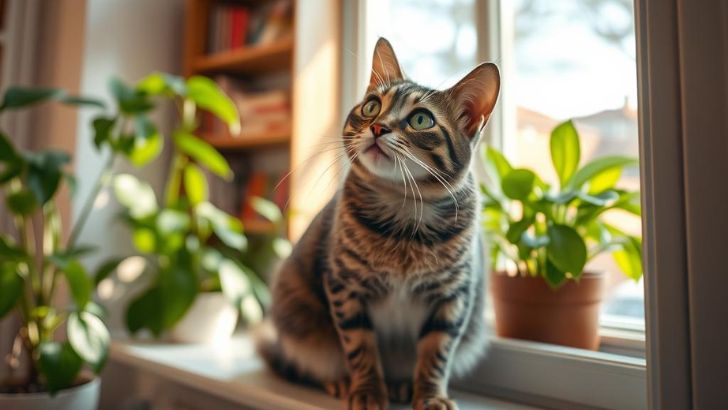
Cats primarily communicate through body language. Recognizing non-verbal cues is key, which helps us identify potential health problems, like sneezing.
Recognizing Signs of Discomfort
Discomfort in cats manifests in various ways, including alterations in their posture, facial expressions, or behavior. For instance, a cat sneezing frequently might also display signs of nasal discomfort.
- Posture Changes: A hunched back or stiffness could denote pain or discomfort.
- Facial Expressions: Squinting or a tense face might signify eye strain or other issues.
- Behavioral Changes: Increased irritability or withdrawal can indicate your cat´s illness.
Behavior Changes to Be Aware Of
Changes in behavior can suggest health concerns. If your cat is sneezing, it´s essential to monitor any deviations from their typical actions or habits.
- Appetite Changes: A shift in eating habits can indicate health problems.
- Activity Level: Extreme lethargy or hyperactivity could indicate they are unwell.
- Grooming Habits: Changes in grooming habits can reflect stress or health issues.
Communication Cues from Your Cat
Understanding how your cat communicates can assist you in grasping their requirements and health concerns. Cats utilize both sounds and body language to express their feelings.
By monitoring these signs, we can promptly address health problems such as sneezing. Observing your cat´s routine behavior aids in identifying any irregularities.
Conclusion: Keeping Your Cat Healthy and Happy
Comprehending why cats sneeze plays a pivotal role in their health, potentially stemming from allergies, infections, or nasal obstructions. Decoding the cause is crucial to providing treatment.
Key Takeaways for Cat Owners
Cat sneezing can frequently be managed with veterinary care. Regular vet visits and a clean home are essential. If your cat frequently sneezes, consult a veterinarian to determine the cause and how to alleviate it.
Seeking Professional Advice
Veterinarians can offer the best methods to assist your cat. Collaboration with your vet guarantees that your cat receives the essential care for maintainheir health and happiness.
Final Considerations
Proactive management of your cat´s health is punt. Seek veterinary guidance as needed to avert health problems. Maintaining a clean environment and scheduling routine vet visits are straightforward strategies for ensuring your cat´s well-being.
FAQ
What are the common causes of sneezing in cats?
Sneezing in cats can result from multipleors, including allergies, infections, and objects lodged in their nose. Comprehending thesees enables better care for your cat.
How can I tell if my cat´s sneezing is due to allergies?
Allergies often trigger sneezing in cats. Pollen, dust mites, and certain foods can induce this response. If your cat sneezes, experiences itching, or exhibits skin concerns, allergies may be the cause.
What are the symptoms of upper respiratory infections in cats?
Cats with upper respiratory infections sneeze, experience discharge, and other symptoms. These infections are typically viral or bacterial and require veterinary care.
How can I alleviate my cat´s sneezing symptoms at home?
You can try implementing steam inhalation or administer specific supplements to help your cat. Humidifiers are also beneficial in enhancing air quality and easing irritation.
When should I seek veterinary care for my cat´s sneezing?
Seek veterinary care if your cat´s sneezing persists or if they exhibit additional unfavorable symptoms. Your vet can pinpoint the underlying issue and determine the appropriate solution.
What can I do to prevent sneezing in my cat?
Scheduling regular vet visits, maintaining a clean living space, and ensuring a healthy diet can assist in preventing sneezing. These measures shield your cat from potential irritants and pathogens.
Can chronic sne lead to long-term health issues in cats?
Yes, prolonged sneezing can result in severe healthlems. Monitoring your cat´s health and working closely with your veterinarian is essential for managing these issues.
How can I recognize signs of discomfort in my cat due to sneezing?
Look for changes in your cat’s posture, appetite, or activity. These signs can mean there’s a bigger problem. Knowing your cat’s behavior helps you spot issues early.
Are there any dietary considerations for cats with sensitivities?
A good diet is very important for your cat’s health. It helps them fight off infections or allergies. Some supplements or diet changes might also help with sneezing.