
The selection of natural cat treats serves to enhance our cats´ health by providing essential nutrients without the inclusion of undesirable artificial components. It is paramount to select treats formulated with high-quality ingredients, much like adhering to specific standards when considering avian beak care. This thoughtful approach ensures that we are providing the best possible support for our pets´ dietary needs.
In the following sections, we will delve into the defining characteristics of natural cat treats and their associated health advantages. This information is designed to empower cat owners to make discerning choices when selecting treats that contribute positively to their cat´s overall diet and well-being.
What Are Natural Cat Treats?

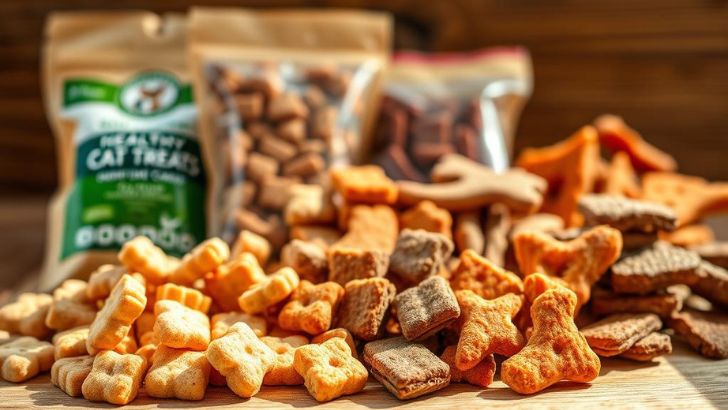
As devoted cat owners, we are perpetually seeking avenues to promote the health and vitality of our beloved pets. A valuable method to achieve this is by gaining a thorough understanding of natural cat treats. These treats are crafted from genuine ingredients, deliberately excluding any artificial additives or fillers, thereby presenting a superior choice for our cats´ dietary intake.
Definition and Key Features
Natural cat treats are distinguished by their composition of natural ingredients and the absence of artificial preservatives. These treats commonly feature real meat, whole grains, and vegetables as primary components. The fundamental attributes that define natural cat treats include:
- Non-GMO ingredients: Ensuring that the components are not genetically modified.
- No artificial flavors or colors: Avoiding synthetic additives that can be detrimental to feline health.
- Minimal processing to preserve nutrients: Employing methods that retain the inherent nutritional value of the ingredients.
- Often made with ingredients safe for humans: Utilizing components that meet the safety standards for human consumption.
Benefits for Cats
Natural cat treats provide a multitude of advantages for our feline companions. They can contribute to maintaining a cat´s overall health, enhance digestive function, and even promote a lustrous coat. Much like the diligent care required for other pets, such as the meticulous attention given to bird beak trimming by an avian veterinarian, the careful selection of appropriate treats is paramount for the optimal health of our cats.
| Benefit | Description |
|---|---|
| Improved Digestion | Natural ingredients are easier on a cat’s stomach. |
| Healthier Coat | Stuff like omega-3 fatty acids can make a cat’s coat shiny and healthy. |
| Reduced Allergy Risk | Staying away from artificial stuff can lower allergy risks. |
How They Differ from Regular Treats
Conventional cat treats frequently contain artificial components that are not beneficial for cats. In contrast, natural cat treats utilize authentic, wholesome ingredients, positioning them as a more salubrious option for treats and snacks.
In essence, comprehending the nature of natural cat treats and their associated benefits empowers us to make more judicious choices for our pets, fostering their health and happiness.
Nutritional Benefits of Natural Treats
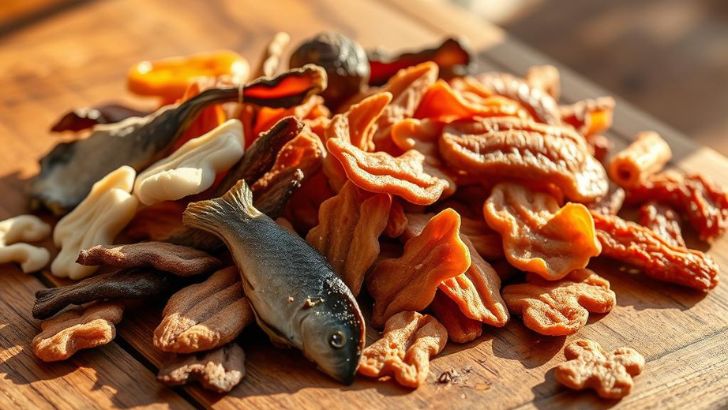
Natural cat treats are replete with nutrients that actively promote your cat´s health. Formulated from top-tier ingredients, they are abundant in essential nutrients, making them an exceptional addition to your cat´s dietary regimen.
Essential Nutrients for Cats
Cats require a diet that is rich in protein, moderate in fat, and low in carbohydrates. Treats derived from real meat, fish, or poultry provide the necessary protein intake. Furthermore, they serve as an excellent source of vital vitamins and minerals, including vitamin E, omega-3 fatty acids, and calcium.
Key nutrients to prioritize when selecting natural cat treats encompass:
- High-quality protein sources such as chicken, salmon, or turkey.
- Whole grains like brown rice or oats.
- Fresh vegetables such as carrots or green beans.
- Essential vitamins and minerals.
Organic Ingredients
Organic ingredients are cultivated or raised without the use of synthetic fertilizers, pesticides, or genetically modified organisms (GMOs). By choosing organic cat treats, you minimize your cat´s exposure to potentially harmful chemicals, thereby ensuring they receive the purest form of nutrition.
Some advantages associated with organic ingredients include:
- Reduced risk of pesticide exposure.
- Potentially higher nutritional value.
- Support for sustainable farming practices.
Avoiding Harmful Additives
Many commercially available cat treats contain artificial preservatives, colors, and flavors, which can negatively impact your cat´s health. Natural cat treats, conversely, eschew these additives, guaranteeing that your cat receives exclusively the finest ingredients.
Commonly encountered harmful additives to avoid comprise:
- Artificial preservatives such as BHA and BHT.
- Artificial colors and flavors.
- By-products and fillers.
Opting for natural cat treats provides your cat with a healthier alternative. These treats are not only palatable but also actively support your cat´s overall health and well-being.
Top Ingredients to Look For

The quality of natural cat treats is intrinsically linked to the ingredients used in their preparation. When selecting treats, it is advisable to prioritize ingredients that are demonstrably beneficial for your cat’s health.
Real Meat and Protein Sources
Cats require a substantial intake of protein derived from animal sources. Consequently, real meat and protein sources should be listed prominently as the primary ingredients. Opt for treats that specify named proteins such as chicken, salmon, or beef. It is advisable to avoid generic terms like “meat” or “by-products.”
- Named protein sources (e.g., chicken, salmon).
- High protein content.
- Avoidance of by-products and generic terms.
Whole Grains and Vegetables
While cats do not require a high carbohydrate intake, whole grains and vegetables offer valuable fiber, vitamins, and minerals. Grains such as brown rice, oats, and barley provide beneficial complex carbohydrates. Vegetables like sweet potatoes, carrots, and green beans are rich in vitamins and antioxidants.
- Brown rice and oats for complex carbohydrates.
- Sweet potatoes and carrots for vitamins and fiber.
- Green beans as a low-calorie, nutrient-rich snack.
Human-Grade Ingredients
Treats formulated with human-grade ingredients are generally of superior quality and offer enhanced safety. These ingredients adhere to human food standards, thereby reducing the likelihood of contaminants. It is recommended to prioritize treats with human-grade ingredients for your cat.
By focusing on these key ingredients, you can ensure that your cat´s treats are both delicious, nutritionally beneficial, and safe for consumption.
Homemade Natural Cat Treats

With the use of just a few simple ingredients, you can easily prepare healthy treats for your cat. The process of making these treats at home is both enjoyable and rewarding, granting you complete control over the components of your cat´s snacks.
Discover more healthy treats for cats: can cats eat human food, best cat food for indoor cats, homemade cat food
Easy Recipes to Try at Home
Creating cat treats at home is a straightforward process. Here are a few simple recipes to get you started:
- Peanut Butter and Banana Treats: Combine mashed banana with peanut butter, form into small balls, and then freeze.
- Sweet Potato Chews: Bake or dehydrate sliced sweet potatoes until they achieve a crispy texture.
- Tuna Bites: Mix canned tuna with whole wheat flour and egg, shape into small bites, and bake until firm.
Tips for Storing Homemade Treats
Proper storage of your homemade treats is essential for maintaining their freshness and safety. Here are some recommendations:
- Utilize airtight containers to ensure treats remain fresh.
- Refrigerate treats to extend their shelf life.
- Freeze treats for extended storage, particularly for items like peanut butter and banana treats.
Ensuring Nutritional Balance
When preparing homemade treats, it is crucial to ensure they are nutritionally balanced. Consider these tips:
- Incorporate a variety of ingredients to provide a diverse range of nutrients.
- Exercise caution to avoid excessive amounts of fat or sugar.
- Consult with your veterinarian to confirm that the treats align with your cat´s specific dietary needs.
By adhering to these guidelines and recipes, you can craft healthy treats for your cat. These homemade treats can contribute to your cat´s overall health, potentially even offering benefits related to issues like bird beak overgrowth in birds, though their primary impact is on feline well-being.
Store-Bought Natural Cat Treats
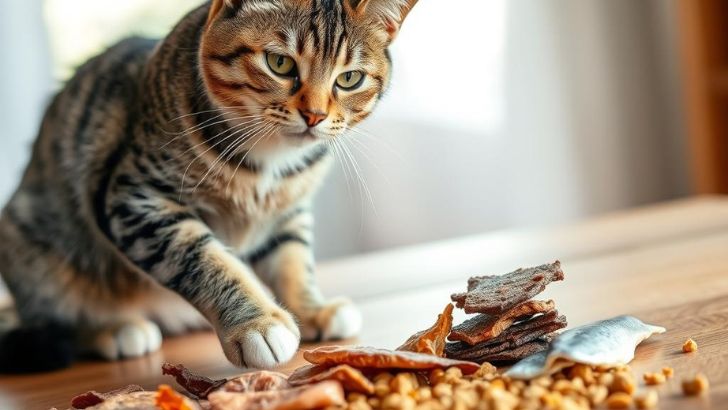
Many cat owners opt for store-bought natural cat treats for their pets´ health and convenience. While preparing treats at home is a rewarding option, some owners prefer the ease of purchasing them. In such cases, the focus is on identifying high-quality, natural treats from reputable brands.
Popular Brands to Consider
Several brands have established a strong presence in the natural cat treat market. Orijen and Blue Buffalo are recognized for their commitment to quality and the use of natural ingredients. It is important to investigate their manufacturing processes and ingredient sourcing.
Some brands specifically focus on avian health, including beak health, by incorporating ingredients that support a cat´s overall well-being. Treats that are high in protein and low in additives can be beneficial for a cat´s beak and oral health.
Reading Labels Effectively
The ability to effectively read and interpret the labels on cat treats is crucial for understanding what you are providing to your pet. Prioritize treats that list real meat as the primary ingredient and actively avoid fillers, artificial preservatives, and by-products. The ingredient list should be clear and transparent, detailing precisely what your cat consumes.
- Seek out certifications such as “USDA Organic” or “Non-GMO” to ensure product quality.
- Exercise caution with vague terminology like “meat” or “animal derivatives,” as these may indicate lower quality ingredients.
Price vs. Quality: What to Choose
The cost of natural cat treats can vary significantly. While more economical options may seem attractive, the quality of the ingredients and manufacturing process should be the primary consideration. Higher-priced treats typically reflect superior ingredients and more meticulous production methods.
It is recommended to choose mid to high-range priced treats to achieve a favorable balance between cost and quality. This approach ensures your cat receives nutritious treats without an exorbitant expense. Always consider your cat´s long-term health when making your selection.
Treating Health Issues with Natural Options
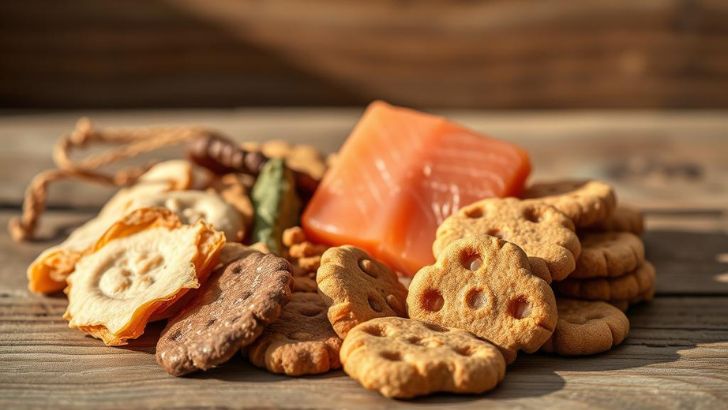
Addressing your cat´s health concerns can present challenges, but natural treats may offer a beneficial solution. Cats commonly face issues such as allergies, digestive problems, and obesity. Natural treats can play a role in managing these conditions, thereby improving your cat´s health and overall happiness.
Helping with Allergies
Cats, much like humans, can develop allergies that manifest as skin issues and gastrointestinal upset. Natural treats formulated with hypoallergenic ingredients can help alleviate these symptoms. For instance, treats featuring venison or salmon are less likely to trigger allergic reactions.
Supporting Digestive Health
Digestive health is fundamental to a cat´s well-being. Natural treats containing prebiotics and probiotics contribute to a healthy gut microbiome. These components aid in maintaining a balanced digestive system, thereby mitigating potential health risks.
Furthermore, certain natural treats incorporate ingredients like pumpkin or sweet potatoes, which are gentle on cats experiencing sensitive stomachs.
Treats for Weight Management
Obesity is a prevalent health concern in cats, often leading to conditions such as diabetes and arthritis. Natural treats can assist in weight management by offering low-calorie, nutrient-dense options. It is advisable to select treats that are high in protein and fiber, as these promote satiety and contribute to a feeling of fullness.
| Health Issue | Natural Treat Recommendation | Key Ingredients |
|---|---|---|
| Allergies | Hypoallergenic Treats | Venison, Salmon |
| Digestive Issues | Probiotic Treats | Prebiotics, Probiotics, Pumpkin |
| Weight Management | Low-Calorie Treats | High Protein, Fiber |
Choosing the appropriate natural cat treats can significantly contribute to managing your cat´s health issues. It is always recommended to consult with your veterinarian before making any changes to your cat´s diet.
Cat Treats for Training and Rewards
The selection of appropriate cat treats can greatly facilitate training and strengthen the bond between owner and pet. Treats serve as effective tools for training and rewarding your cat, reinforcing positive behaviors and encouraging desired actions.
Choosing the Right Treats for Training
For training purposes, it is essential to select treats that are both palatable and healthy. Natural cat treats represent an excellent choice, as they are less likely to cause allergies and are generally more beneficial for your cat´s health.
- Look for treats that are high in protein and low in calories.
- Opt for treats made with real meat or fish.
- Avoid treats containing artificial preservatives or additives.
Portion Control and Treats
Maintaining control over treat portions is vital to prevent overfeeding. Treats should not constitute more than 10% of your cat´s daily caloric intake.
- Measure your cat´s daily treat allowance carefully.
- Utilize small-sized treats to manage calorie consumption.
- Adjust your cat´s regular meal portions when administering treats.
Positive Reinforcement with Treats
Positive reinforcement is a highly effective training methodology that involves rewarding desired behaviors with treats. This process assists your cat in understanding and complying with expectations.
Tips for positive reinforcement:
- Provide the reward immediately following the desired behavior.
- Maintain consistency in rewards and the behaviors they are associated with.
- Gradually reduce the frequency of treats as your cat becomes more proficient.
Incorporating natural cat treats into your training regimen can lead to improved feline behavior and simultaneously strengthen the bond you share with your pet.
Sustainability in Cat Treats
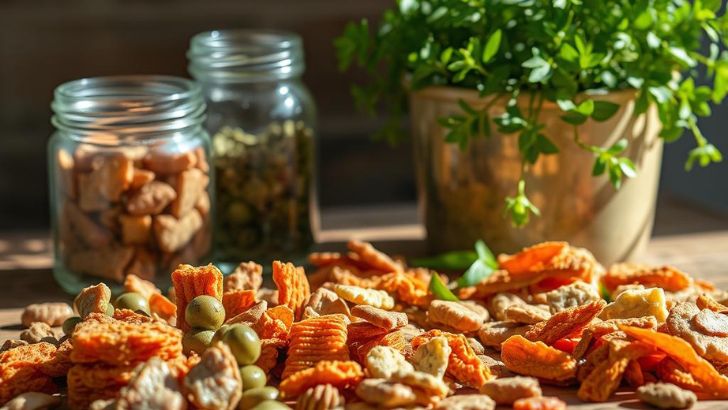
An increasing number of cat owners are actively seeking out sustainable treat options. It is important to consider the environmental impact of the treat choices we make. This consideration extends to understanding eco-friendly ingredients, the practices of sustainable brands, and their broader effects on the environment.
Eco-Friendly Ingredients
Eco-friendly ingredients are fundamental to the concept of sustainable cat treats. These ingredients are produced and sourced in ways that minimize harm to the environment. Examples include:
- Sustainably Sourced Meat: Meat obtained from farms that employ sustainable agricultural practices.
- Organic Vegetables: Vegetables cultivated without the use of harmful chemicals.
Choosing eco-friendly ingredients benefits both the planet and your cat´s health.
Sustainable Brand Practices
Sustainable brands go beyond merely utilizing beneficial ingredients; they adopt a holistic approach to their entire production process. Brands that demonstrate a commitment to environmental stewardship typically:
- Employ packaging materials that are recyclable.
- Manufacture their products using energy-efficient methods.
- Source ingredients from local suppliers to reduce carbon emissions.
When selecting a brand, look for these indicators of sustainability commitment.
Impact on the Environment
The methods of production and disposal of cat treats have a tangible impact on the environment. By opting for sustainable treats, we can help mitigate:
- Carbon Emissions: Associated with the manufacturing and transportation of treats.
- Waste: By choosing brands that use minimal or biodegradable packaging.
The following table illustrates how different packaging types affect the environment:
| Packaging Type | Environmental Impact | Sustainability Score |
|---|---|---|
| Plastic | High – Non-biodegradable and contributes to pollution. | 2/10 |
| Recyclable Paper | Low – Biodegradable and can be recycled. | 8/10 |
| Bioplastic | Medium – Biodegradable but may need special conditions. | 6/10 |
Common Misconceptions About Natural Cat Treats

A prevalent misconception among cat owners is that all natural cat treats are inherently the same. However, this is far from the truth. It is crucial for cat owners to understand that the designation “natural” does not automatically guarantee that a treat is safe or healthy for cats.
Myth: All Natural Treats Are Safe
The mere fact that a treat is labeled as “natural” does not automatically equate to its safety. For instance, ingredients such as onions, garlic, and chives can be toxic to cats. Furthermore, natural treats may contain allergens or irritants that could lead to digestive upset or other health issues in cats.
“The assumption that natural automatically equates to safe can lead to adverse outcomes such as digestive issues or allergies in cats,” states a feline nutrition expert. It is always advisable to carefully examine labels and conduct research on the ingredients present in the treats.
Truth About Allergies and Reactions
Cats, similar to humans, can exhibit allergies to specific ingredients. Common allergens include proteins like chicken or beef, and some cats may react to grains or fillers. Even if a treat is derived from natural components, it can still elicit an allergic reaction if your cat is sensitive to one of its constituents.
- Observe your cat´s behavior and overall health after introducing new treats.
- Watch for indicators of allergies or intolerances, such as increased scratching, digestive disturbances, or skin irritations.
- Consult your veterinarian if you suspect your cat has experienced an adverse reaction to a treat.
Understanding Ingredient Sourcing
The origin of ingredients plays a significant role when discussing natural cat treats. The critical factor is not solely whether an ingredient is natural, but also its source and the method of its processing. For example, wild-caught fish is often considered superior to farm-raised fish.
When selecting natural cat treats, investigate the manufacturer´s reputation and their practices for sourcing ingredients. Prioritize brands that are transparent about their supply chain and manufacturing processes.
| Ingredient | Source | Quality |
|---|---|---|
| Meat | Wild-caught | High |
| Grains | Organic farm | Medium |
| Vegetables | Locally sourced | High |
By understanding these nuances, cat owners can make more informed decisions for their pets, ensuring they receive the highest standard of care possible.
Transitioning Your Cat to Natural Treats

Integrating natural treats into your cat´s diet can be beneficial, provided the transition is managed gradually. A sudden change in diet may lead to digestive upset. Therefore, a slow and systematic approach is recommended.
Gradual Change Strategies
To ensure a smooth transition, begin by introducing a small quantity of the new treat alongside their usual treat. Gradually increase the proportion of the natural treat over several days or weeks, depending on how your cat adapts to the change.
Key Steps for Gradual Transition:
- Initiate the process with a small amount (approximately 25%) of the new treat mixed with their current treat.
- Incrementally increase the quantity of the new treat over time.
- Monitor your cat´s response and adjust the pace of the transition as needed.
Monitoring Your Cat’s Reaction
Closely observe your cat´s reaction to the new treats. Look for signs of digestive distress such as vomiting or diarrhea. Additionally, be attentive to potential allergic reactions, including itching or skin rashes.
| Signs to Monitor | Possible Issues |
|---|---|
| Vomiting, Diarrhea | Digestive Upset |
| Itching, Skin Rashes | Allergic Reactions |
When to Consult Your Vet
Should your cat exhibit any adverse reactions or appear distressed, it is advisable to seek veterinary consultation. Your vet can provide tailored advice that aligns with your cat´s specific needs and health status.
By gradually introducing natural treats and diligently monitoring your cat´s health, you can facilitate a smooth adaptation to their new dietary regimen.
FAQs About Natural Cat Treats
The exploration of natural cat treats often prompts numerous questions. Familiarizing yourself with these frequently asked questions can guide you in selecting the most suitable treats for your cat. This process is analogous to considering the appropriate sustenance for birds, with a specific focus on feline needs.
Treat Intake: Finding the Right Balance
Determining the appropriate quantity of treats can be a challenge. Treats should constitute no more than 10% of your cat´s daily caloric intake. Excessive treat consumption can lead to nutritional imbalances and weight gain, much like the consequences of unbalanced diets observed in birds.
Natural Treats for Kittens
Kittens can benefit from natural treats, but their introduction should be gradual. Begin with small amounts to prevent gastrointestinal upset. It is important to choose treats that are nutrient-dense and appropriate for your kitten´s age.
Encouraging Treat Consumption
If your cat is hesitant to consume natural treats, try warming them slightly or mixing them with their regular food. Patience is key, as cats may require time to adjust to new tastes and textures. If challenges persist, consult your veterinarian for expert guidance.
FAQ
Can cats eat human food?
Cats can consume certain human foods, but identifying safe options is crucial. It´s essential to verify a food´s safety before offering it to our cats.
What human foods are safe for cats?
Safe options for cats include cooked chicken, green beans, and carrots. However, these foods should be introduced gradually and in small portions to prevent digestive issues.
What human foods are toxic to cats?
Foods toxic to cats encompass chocolate, onions, garlic, and grapes. These can trigger health problems, ranging from minor to severe conditions.
Is it okay to feed human food to cats as treats?
Providing safe human food treats occasionally is unlikely to harm cats. Nonetheless, it´s preferable to primarily use specifically formulated cat treats to mitigate potential risks. Always confirm a food´s safety before giving it.
What are some safe human foods that cats can eat as treats?
Acceptable treats for cats include plain cooked chicken, turkey, and fish. Baby food or plain yogurt can also be offered occasionally, but review the ingredients beforehand.
What are some human foods that cats cannot eat?
Cats shouldn´t consume onions, garlic, chives, and leeks, as these damage red blood cells. Grapes, raisins, and foods containing caffeine or theobromine, such as chocolate, are also toxic.
Are there any dangerous human foods for cats that we should be aware of?
Yes, foods containing xylitol, a sugar substitute, are perilous for cats. Also, avoid coffee, tea, and other caffeinated beverages.
How can we safely introduce human food to our cat´s diet?
Gradually introduce human food into your cat´s diet and in small amounts to minimize the risk of digestive upset. Select safe foods and avoid overfeeding to avert nutritional imbalances.