
For many, owning a dog is a joy. However, for those with allergies, this can be a concern. Hypoallergenic dog breeds offer a solution. These breeds produce fewer allergens than other dogs. They are ideal for families wishing to have a pet without allergy worries. Our guide helps you find the right hypoallergenic dog breeds. It provides the information needed to choose the perfect pet for your family.
What Are Hypoallergenic Dog Breeds?

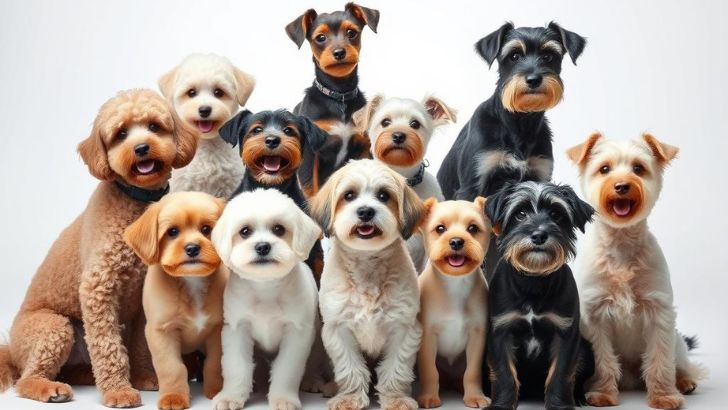
Hypoallergenic dog breeds are thought to cause fewer allergies. They aren´t entirely allergen-free. However, they have traits that reduce allergen release.
Definition and Overview
These breeds have low-shedding coats. This means they release less dog hair and dander into the air. Breeds like the Poodle, Bichon Frise, and Maltese are examples due to their unique coats.
It´s important to remember that allergies may still occur in some people. Nonetheless, they offer a good chance to own a dog for many.
Why They Matter for Allergy Sufferers
Hypoallergenic breeds are helpful for people with dog allergies. They allow people to enjoy a dog without the discomfort of allergies. The joy of a wagging tail is still available for those who thought they couldn´t have a dog.
Here is a table with some key traits of hypoallergenic dog breeds:
| Breed | Coat Type | Shedding Level | Grooming Needs |
|---|---|---|---|
| Poodle | Curly | Low | High |
| Bichon Frise | Soft, Curly | Low | High |
| Maltese | Silky, Straight | Low | High |
Popular Hypoallergenic Breeds
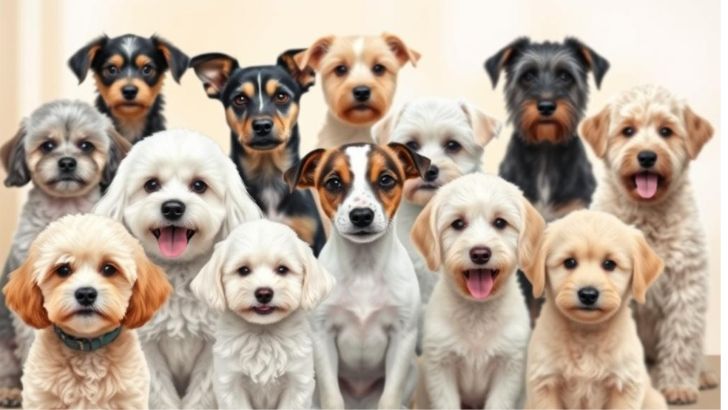
The world of hypoallergenic dog breeds is full of variety and joy. These dogs are cute and gentle to people with allergies. They are wonderful companions for everyone.
Poodle Variations: Standard, Miniature, and Toy
Poodles are intelligent and have low-shedding coats. They come in three sizes: Standard, Miniature, and Toy. Each size is hypoallergenic. Poodles are highly trainable, which is useful for new dog owners.
Bichon Frise: The Cheerful Companion
Bichon Frises are fun, friendly dogs with coats that need regular grooming but shed little. Their gentle nature makes them ideal for families or apartment living.
Maltese: A Gracious Lap Dog
Maltese are small, loving dogs with silky, white coats. They are quiet, gentle, and easy to adapt. Maltese require little exercise but require regular grooming.
Schnauzer: Loyal and Stylish
Schnauzers come in three sizes: Giant, Standard, and Miniature. They are known for their beards and eyebrows. They are intelligent and energetic, requiring exercise and mental play.
These breeds are examples of the many hypoallergenic dogs. Whether a small friend or an active family dog is desired, a breed is available.
How Hypoallergenic Breeds Reduce Allergens
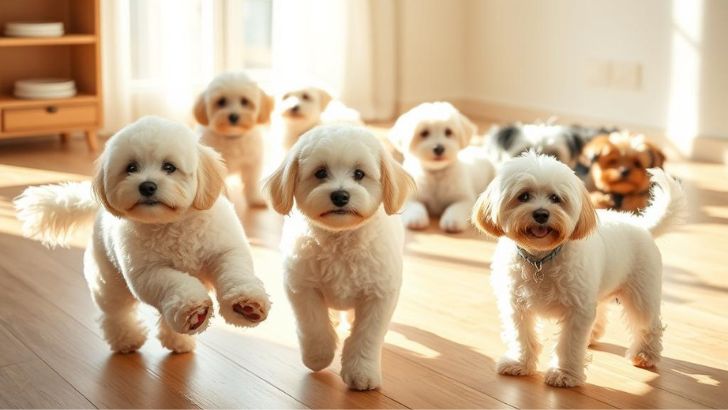
Hypoallergenic dogs have special coats to reduce allergens. They aren´t allergen-free, but they produce less than others dogs. This makes them better for people with allergies.
The Science Behind Hypoallergenic Dogs
The main allergen in dogs is Can f 1, found in their saliva, urine, and dander. Hypoallergenic dogs have less of this protein or shed less. This means they release fewer allergens into the air.
Non-shedding dog breeds are good examples. They shed less, so there´s less dander in the air. It´s helpful for people with allergies.
Role of Coat Types in Allergen Production
A dog´s coat type affects the number of allergens produced. Dogs with single-layer coats or hypoallergenic large dog breeds shed less. For example, Poodles and Bichon Frises have curly coats that trap dander.
This makes them great for people with allergies who want a dog. Regular grooming also helps. Bathing and grooming these dogs often can decrease allergens.
Factors to Consider When Choosing a Hypoallergenic Dog

Choosing a hypoallergenic dog requires more than finding one that won´t trigger allergies. It involves finding a breed that fits your lifestyle and living situation. This ensures a good match for you and your family.
Learn more about allergy-friendly pets: small dog breeds, hypoallergenic cat breeds, best dog breeds for families, friendly dog breeds
Size and Activity Level
Dog size is crucial. It impacts the space needed and the exercise required. Smaller breeds like the Maltese or Toy Poodle are perfect for apartments because they need little space. Larger breeds, such as the Standard Poodle, need more room for movement and exercise.
Activity level is also essential. Some hypoallergenic breeds are energetic and need lots of exercise. Others are more relaxed. For instance, Schnauzers are intelligent and active, needing regular exercise to stay healthy and happy.
Grooming Needs and Maintenance
Hypoallergenic dogs frequently need regular grooming to prevent matting and reduce dander. Breeds like the Bichon Frise require frequent brushing and professional grooming every few weeks. Knowing a breed´s grooming needs is important to ensure proper care.
Temperament and Lifestyle Fit
A dog´s temperament is important. It must match your family´s lifestyle. Some breeds are better for families with kids, while others prefer quieter homes. For instance, Maltese dogs are gentle and loving, making them great for families with older children.
Choosing the right hypoallergenic dog involves balance. Consider the dog´s size, activity level, grooming needs, and temperament. This will help you find a breed that is the perfect companion.
The Importance of Socialization and Training
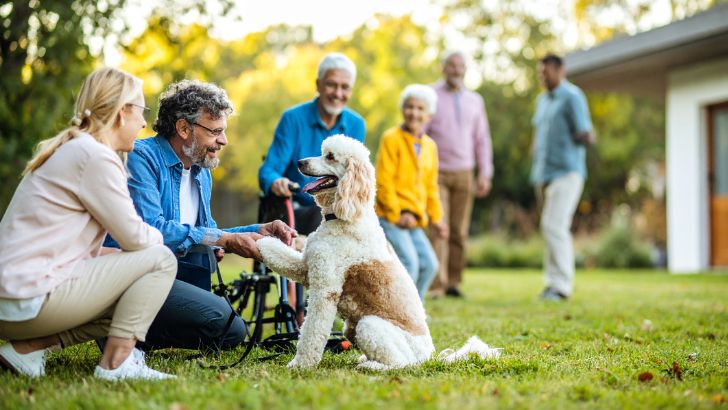
Socialization and training are important for raising a well-behaved hypoallergenic dog. These breeds are popular for their low allergen levels. However, they only make great pets if well-socialized and trained.
Early socialization and training are crucial. It shapes a dog´s behavior and adaptability. For hypoallergenic breeds, this helps them become confident and calm friends.
Early Training Tips for Hypoallergenic Breeds
Training should begin between 8 and 12 weeks old. Here are some tips:
- Positive Reinforcement: Use treats and praise to encourage good behavior.
- Consistency: A routine helps your dog grasp expectations.
- Basic Commands: Teach “sit,” “stay,” and “come.” They are the base for skills.
Be patient and gentle. Hypoallergenic dogs can be sensitive. Punitive methods may cause anxiety and fear.
Socialization Techniques for Success
Socialization exposes your dog to new people, places, and animals. This helps them to feel confident in new situations. Here are socialization tips:
- Gradual Exposure: Introduce new things slowly to prevent overwhelming your dog.
- Variety: Take your dog to various places like parks and pet stores.
- Positive Interactions: Ensure any interactions with others are positive. If your dog seems stressed, slow down.
By training and socializing your hypoallergenic dog, they will become a loving family member.
Myths and Facts About Hypoallergenic Dogs

Hypoallergenic dogs are often seen as the solution for those with allergies. However, the truth is more nuanced. These dogs are not allergen-free. Instead, they make fewer allergens than other dogs, making them better for those with allergies.
Common Misunderstandings
Many assume hypoallergenic dogs are safe for everyone. However, they are not completely allergen-free. Another myth is that these dogs require less grooming. Breeds like the Poodle and Bichon Frise require regular grooming to avoid matting and keep their coats clean.
Some believe hypoallergenic dogs are for those with mild allergies alone. However, a dog´s suitability depends on many factors. This includes the person´s sensitivity and the dog´s specific traits.
Debunking Allergy Myths
Here are facts about hypoallergenic dogs:
- Hypoallergenic dogs are not a specific breed but include breeds with low-shedding coats.
- The main allergen in dog allergies is Can f 1, found in their dander, saliva, and urine.
- No dog is 100% hypoallergenic. However, some breeds are better because they produce fewer allergens or shed less.
Here is a look at popular hypoallergenic small dog breeds:
| Breed | Size | Grooming Needs | Allergy-Friendliness |
|---|---|---|---|
| Maltese | Small | High | High |
| Bichon Frise | Small | High | High |
| Shih Tzu | Small | Medium | Medium |
Knowing the facts about hypoallergenic dogs aids in better choices. Always research a breed´s needs and traits before getting a dog.
Tips for Maintaining a Low-Allergen Home
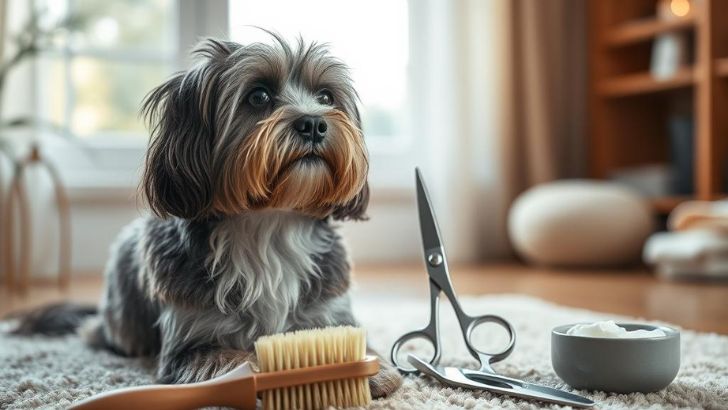
Creating a healthier home for allergy sufferers requires attention and upkeep. Owning a hypoallergenic dog is the beginning. It´s also about how your home is cared for and how you care for your dog.
Regular Grooming Practices
Regular grooming is important for non-shedding dog breeds. It reduces dander and allergens. Brushing your dog outside or in a well-ventilated area helps.
Bathing your dog often is another good way to reduce allergens. Use a gentle, hypoallergenic shampoo to avoid skin irritation. Regular grooming allows you to check your dog´s coat and skin health.
Cleaning Tips to Reduce Allergens
Cleaning your home often is crucial to fight allergens. Use a vacuum with a HEPA filter to remove 99.97% of particles, including pet dander. Washing your dog´s bedding and toys in hot water also assists.
Dusting with a damp cloth avoids allergens. Focus on your dog´s areas. Using an air purifier in your dog´s favorite rooms can also assist.
These tips will help create a safer, more comfortable home for you and your hypoallergenic dog.
Connecting with Breeders and Rescues
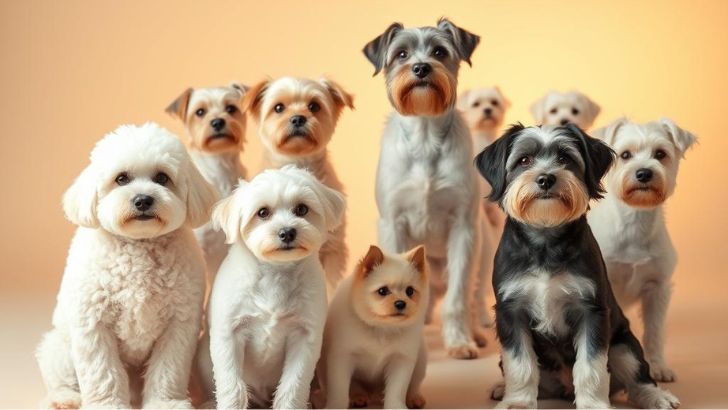
Exploring hypoallergenic dogs involves finding good breeders and rescues. It´s key to obtain a healthy pet, whether looking at hypoallergenic medium dog breeds or hypoallergenic large dog breeds.
Finding Reputable Sources
Finding a reliable breeder or rescue for hypoallergenic dogs involves steps. Start by researching local breeders or rescues focusing on these breeds. Check reviews, ask for recommendations, and certifications.
Visiting the breeder or rescue in person is also important. It allows you to see where the dogs live and meet them. This is a chance to check the dogs´ health and behavior, showing the breeder´s or rescue´s care level.
| Characteristics | Reputable Breeder | Less Reputable Breeder |
|---|---|---|
| Health Clearances | Provides health clearances for parents of puppies | Lacks health clearances or is unwilling to provide them |
| Environment | Clean, spacious facilities for dogs | Overcrowded or dirty conditions |
| Interaction | Allows interaction with parents of puppies and the puppies themselves | Limits interaction or seems evasive |
Questions to Ask Potential Breeders
Ask important questions after finding a breeder or rescue. Inquire about the breed´s personality, grooming, and health. Knowing their exercise needs is essential for hypoallergenic large dog breeds.
- What health clearances have been done on the parents?
- Can I meet the puppy´s parents?
- How do you socialize your puppies?
- What form of guarantee or warranty do you provide?
Asking questions and doing your research helps to find a trustworthy source for your new hypoallergenic pet.
Final Thoughts on Choosing a Hypoallergenic Dog
Choosing a hypoallergenic dog can change your life if you have allergies but want a pet. We´ve explored what makes hypoallergenic dog breeds special. We´ve also discussed how to pick the right dog.
Life with Allergy-Friendly Pups
Living with hypoallergenic dog breeds allows you to have a loving pet without allergies. Dogs like Poodles, Bichon Frise, and Maltese are great. They have low-shedding coats and are loving.
Our Experience with Hypoallergenic Breeds
Our experience shows that these breeds can thrive. With the right care and training, they adapt easily. Knowledge about hypoallergenic dogs and maintaining a clean home makes living together easy.
FAQ
What are the best hypoallergenic dog breeds for those with allergies?
Poodles, Bichon Frises, Maltese, and Schnauzers are top choices. They are hypoallergenic and produce fewer allergens.
Are hypoallergenic small dog breeds a good choice for apartment living?
Yes, they are ideal for apartments. Breeds like the Maltese and Bichon Frise are calm and require little space.
How do hypoallergenic dog breeds reduce allergens?
They have special coats that shed less and produce fewer allergens. This makes them great for allergy sufferers.
What are some hypoallergenic large dog breeds?
The Standard Poodle and Giant Schnauzer are examples. They have low-shedding coats.
Do hypoallergenic dog breeds need special grooming?
Yes, they need regular grooming. This prevents matting and keeps their coats clean, reducing allergens.
Can I find hypoallergenic dog breeds in shelters or rescues?
Yes, they can be found in shelters or rescues. Working with reputable organizations helps you find the right dog.
Are non-shedding dog breeds the same as hypoallergenic dog breeds?
No, they aren´t the same. “Hypoallergenic” means they produce fewer allergens, not just shed less.
How can I minimize allergens when living with a hypoallergenic dog?
Regular grooming, frequent cleaning, and HEPA filters help. They create a healthier home environment.