
Selecting an appropriate family friendly dog breed presents a challenge due to the vast array of options available. The crucial aspect is identifying a breed that embodies love, loyalty, safety, and compatibility with your family´s dynamics. This article will present our preferred dog breeds for families, detailing their distinctive characteristics and suitability for your household.
Why Choosing the Right Dog Matters for Families
Acquiring a dog transcends the mere addition of a pet; it involves selecting a new family member who integrates seamlessly with your lifestyle. This decision profoundly influences daily routines and the overall emotional well-being of the household.
Family Dynamics and Dog Selection
Family structures vary significantly, each possessing unique requirements regarding living space size and activity levels. For instance, families with very young children benefit from dogs that exhibit gentleness. Conversely, active families might seek canine companions capable of matching their energetic pursuits. It is imperative to choose a dog that aligns with your family´s specific needs.
Benefits of a Family-Friendly Dog
A family-friendly dog can significantly enrich a household. They offer companionship to children, enhance feelings of security for all members, and promote outdoor engagement. These dogs contribute to family cohesion and instill a sense of responsibility in children.
When selecting a dog, consider its personality, energy requirements, and size. Breeds such as Labradors and Golden Retrievers are excellent choices due to their inherent friendliness and adaptability. The correct dog can elevate your family life, fostering cherished memories and strengthening familial bonds.
Key Characteristics of Family Dogs
The selection of an appropriate dog breed for your family is a significant undertaking. Understanding what constitutes a desirable family pet is paramount. Several key traits should be assessed to ensure the dog integrates harmoniously with your family´s lifestyle.
Explore more family-friendly dog breeds: small dog breeds, large dog breeds, friendly dog breeds
Temperament
A dog´s temperament is a pivotal factor in selecting a family pet. An ideal family dog should possess a gentle, patient, and affectionate disposition. Dogs exhibiting a calm temperament are particularly well-suited for families with young children.
Energy Levels
The energy level of a dog is another important consideration. Families with an active lifestyle may prefer a dog with abundant energy. Conversely, families who prefer a more relaxed pace might opt for a dog with lower energy requirements.
Trainability
A dog´s trainability is crucial for effective management. Highly trainable breeds are generally easier to handle, readily learning commands and exhibiting appropriate behavior in various situations.
Size Considerations
The size of a dog also plays a role. Larger dogs might inadvertently intimidate very young children, while smaller dogs may require more delicate handling. It is advisable to consider your living environment and available space before deciding on a dog´s size.
| Characteristic | Description | Importance Level |
|---|---|---|
| Temperament | Gentle, patient, and affectionate | High |
| Energy Levels | Matching the family’s activity level | High |
| Trainability | Ease of training and obedience | High |
| Size | Suitable for the family’s living space | Medium |
The Top Family Dog Breeds
Identifying the ideal dog breed can bring immense happiness to a family. It is essential to evaluate a dog´s temperament, energy levels, and ease of training.
Labrador Retriever
The Labrador Retriever stands out as a prime choice for families. They are known for their friendly, outgoing, and gentle nature. Labs possess a high energy level and enjoy play, making them excellent companions for families with children.
Furthermore, they are highly intelligent and readily trainable, simplifying their management. Labradors are characterized by their loyalty and patience, qualities vital for a harmonious family environment.
Golden Retriever
Golden Retrievers share many similarities with Labradors. Their friendly and tolerant disposition makes them exceptionally well-suited for families. They are intelligent and eager to please, which greatly facilitates their training.
Golden Retrievers are loyal and affectionate towards people. Their distinctive golden coats and their affinity for children are notable attributes. They require consistent exercise to maintain their well-being and happiness.
Beagle
Beagles are a popular choice for family pets. These dogs are small, energetic, and relatively easy to care for. Beagles are naturally curious and friendly, and they typically coexist harmoniously with children.
Beagles require a moderate amount of exercise and a balanced diet. Their compact size makes them suitable for a variety of living situations, from apartments to houses with yards. However, consistent training and socialization are necessary for them to develop good behavior.
The Benefits of Having a Dog in the Family

Integrating a dog into your home can profoundly enhance your family´s emotional and physical health. Dogs offer a multitude of benefits, ranging from emotional support to the encouragement of physical activity.
Emotional Support
Dogs provide vital emotional support to family members, fostering the development of empathy. They exemplify the importance of companionship. The bond forged between a child and their dog is exceptionally strong, offering comfort and a sense of security.
Research indicates that children residing in households with dogs experience lower levels of anxiety and stress. The emotional support provided by dogs is invaluable to families, contributing to a more contented home environment.
Learning Responsibility
The presence of a dog serves as an excellent tool for teaching children about responsibility. Dog ownership entails numerous duties, including feeding, walking, and grooming. Regular veterinary check-ups are also a necessary component of care.
- Feeding and refreshing water
- Walking and exercising the dog
- Grooming and maintaining hygiene
- Scheduling and attending veterinary appointments
By involving children in these responsibilities, parents can effectively impart lessons on responsibility. Children learn the significance of caring for another living creature.
Physical Activity
Dogs necessitate regular exercise to maintain their health, which in turn encourages physical activity within families. Activities such as walking, jogging, or playing fetch are highly beneficial. They serve as motivators for families to adopt a more active lifestyle.
Engaging in exercise with your dog not only improves their health but also provides opportunities for quality family time. Activities like hiking or visiting dog parks can be enjoyable for everyone. This promotes family bonding and the creation of lasting memories.
In summary, the benefits of having a dog within the family unit are numerous. These encompass emotional support, the cultivation of responsibility, and the promotion of physical activity. Understanding these advantages assists families in determining the suitability of dog ownership. They can subsequently relish the many rewards associated with having a dog.
The Best Dog Breeds for Active Families

For families who embrace an active lifestyle, selecting a dog that can keep pace is essential. Dogs suitable for active families should possess high energy levels and a fondness for play. They should relish activities such as hiking, running, or engaging in games of fetch.
Australian Shepherd
The Australian Shepherd is a highly energetic breed that thrives on activity. They possess a strong herding instinct, necessitating ample exercise. Daily runs or extended walks are crucial for their contentment and health.
Their intelligence also makes them easily trainable, and they excel in dog sports like agility and obedience. This provides families with opportunities to strengthen their bond with their pets.
Border Collie
Border Collies are intelligent and agile, making them an ideal choice for active families. They require consistent mental and physical stimulation to prevent boredom and the development of undesirable behaviors.
They are easily trained and enjoy staying active, making them excellent companions for families who participate in hiking, running, or backyard games.
Boxer
Boxers are energetic and playful, fitting seamlessly into active family dynamics. They require regular exercise to maintain their health and happiness. Boxers are also characterized by their strong loyalty and affectionate nature, establishing them as superb companions.
Boxers have short coats, simplifying their grooming requirements. However, they still need substantial activity to mitigate the risk of destructive behaviors.
| Breed | Energy Level | Trainability | Grooming Needs |
|---|---|---|---|
| Australian Shepherd | High | High | Medium |
| Border Collie | High | Very High | Medium |
| Boxer | High | Medium | Low |
In conclusion, for families with an active lifestyle, breeds such as the Australian Shepherd, Border Collie, and Boxer are highly recommended. They are well-suited to your energetic routines and contribute joy and companionship to your adventures.
Low-Maintenance Breeds for Busy Families
Busy families often seek dog breeds that are relatively easy to manage. It is important to select breeds that align with your lifestyle. Low-maintenance dog breeds are particularly beneficial for families with demanding schedules. They require less attention and exercise compared to other breeds.
Bulldog
The Bulldog is a favored choice for families seeking a low-maintenance companion. They are recognized for their gentle and loving disposition. Bulldogs are generally laid-back and do not require extensive exercise.
They are an excellent fit for families residing in apartments or homes with limited yard space. However, they do require regular grooming to prevent skin issues.
Key characteristics of Bulldogs:
- Calm temperament
- Low energy levels
- Minimal exercise needs
Shih Tzu
The Shih Tzu is also an excellent option for busy families. They are characterized by their friendly, outgoing, and loyal nature. Shih Tzus are small in stature, making them ideal for apartment living.
They require regular grooming to prevent their fur from becoming matted. However, they are generally straightforward to care for.
Key characteristics of Shih Tzus:
- Friendly and outgoing personalities
- Low exercise needs
- Requires regular grooming
Bulldogs and Shih Tzus represent outstanding choices for busy families. They offer affection and companionship without demanding excessive time or energy commitments. By selecting the appropriate breed, families can derive enjoyment from dog ownership without the stress associated with high maintenance.
Dogs Good with Young Children

Identifying a dog that is both affectionate and calm is paramount for families with children. The right breed can introduce happiness and companionship to your family unit. This section will explore breeds that are particularly well-suited to young children.
Cavalier King Charles Spaniel
The Cavalier King Charles Spaniel is a highly favored breed among families. Their gentle and loving nature makes them ideal companions for children.
Key Characteristics: Friendly, gentle, adaptable, and playful.
Bichon Frise
Bichon Frises are distinguished by their soft, curly fur and their exceptionally friendly demeanor. They are very people-oriented and easy to care for.
Key Characteristics: Playful, friendly, low-shedding, and adaptable.
Poodle
Poodles are intelligent dogs available in various sizes. They interact well with children, provided they receive early socialization.
Key Characteristics: Intelligent, active, loyal, and trainable.
Here´s a comparison of these breeds:
| Breed | Temperament | Energy Level | Grooming Needs |
|---|---|---|---|
| Cavalier King Charles Spaniel | Gentle, affectionate | Moderate | Moderate |
| Bichon Frise | Friendly, playful | Moderate | High |
| Poodle | Intelligent, loyal | High | High |
Choosing the right dog breed is a significant decision. We trust this information will assist you in finding the perfect dog for your children.
Safety Considerations for Family Dogs

The introduction of a new dog into your home necessitates ensuring the safety of all family members. This involves carefully considering several key aspects to establish a secure environment for both children and dogs.
Socialization Importance
The socialization of your dog is of utmost importance. This process involves exposing them to a variety of people, environments, and experiences. Proper socialization helps dogs develop a calm and friendly demeanor in unfamiliar situations. It facilitates positive interactions with everyone they encounter.
It is advisable to commence socializing your dog at an early age, ideally during puppyhood. Take them to parks and pet-friendly establishments. Ensure they have positive encounters with both people and other animals. Consistency and a positive approach are vital for effective socialization.
Supervision Tips
Observing the interactions between dogs and children is fundamental to ensuring safety. Always monitor their playtime together. Educate children on how to interact gently with dogs. Never leave a child unsupervised with a dog, irrespective of the dog´s known friendliness.
The following are recommended tips for safe supervision:
- Always supervise when dogs and children are together.
- Instruct children on how to interact gently with dogs.
- Be attentive to signs of canine stress or discomfort, such as growling.
- Promptly intervene to stop any unsafe behavior.
| Safety Tips | Description | Benefits |
|---|---|---|
| Supervise Interactions | Always watch children and dogs together. | Helps avoid accidents and ensures safety for all. |
| Socialize Your Dog | Let your dog meet different places and people. | Helps them feel less scared and angry. |
| Train Your Dog | Train them to follow simple commands and proper behavior. | Makes them more obedient and safe. |
By adhering to these guidelines, you can cultivate a safe and loving environment for your family and your dog. Success in creating a harmonious home hinges on understanding and meeting the needs of both children and dogs.
How to Prepare Your Family for a Dog
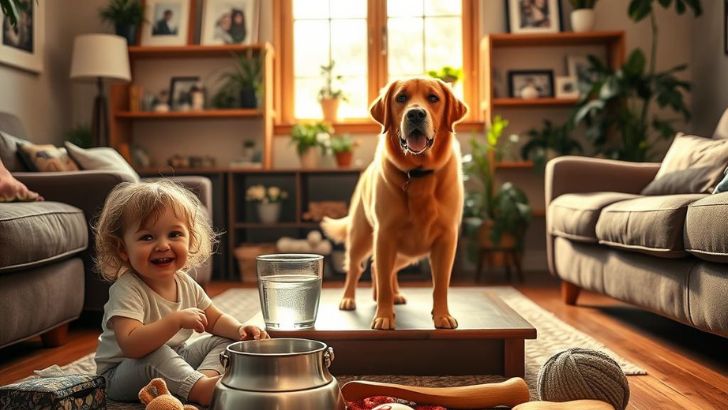
Prior to acquiring a new dog, it is essential to prepare your family adequately. This includes selecting a suitable breed and dog-proofing your home. We will provide guidance to facilitate this preparation, ensuring a smooth transition for both your family and the dog.
Choosing the Right Breed
Identifying the ideal family pet is a critical step. Each breed possesses distinct characteristics and requirements. Some breeds are exceptionally good with children, while others may require more experienced handlers. Thorough research into various breeds is recommended to find the best match for your family.
| Breed | Temperament | Energy Level | Good with Children |
|---|---|---|---|
| Labrador Retriever | Friendly, outgoing | High | Yes |
| Golden Retriever | Gentle, friendly | High | Yes |
| Beagle | Curious, friendly | Medium | Yes |
Home Preparations
Following the selection of a breed, prepare your home environment. Ensure it is safe for your dog by removing potential hazards and establishing a comfortable resting area. Do not forget to procure essential items such as a comfortable bed, appropriate food, and engaging toys.
Family Meetings
It is important to discuss dog care responsibilities with your family members. Develop a comprehensive plan for feeding, walking, and grooming. This ensures everyone understands their roles and instills a sense of responsibility in children.
- Discuss dog care responsibilities
- Assign tasks to family members
- Plan for regular family activities with your dog
By implementing these preparatory steps, you will create a welcoming atmosphere for your new dog, fostering a happy and healthy relationship for all.
Training Tips for Family Dogs
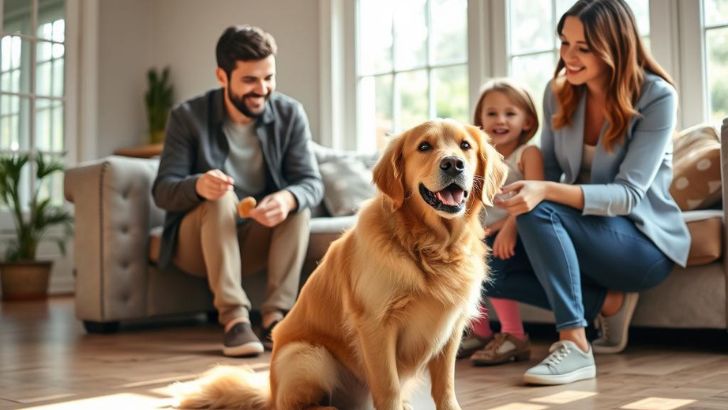
Training your dog is fundamental to ensuring they become a beloved and well-behaved member of your family. Selecting the appropriate breed is merely the initial stage. Now, let us explore effective dog training methods.
Basic Commands
Teaching your dog fundamental commands is essential. Commands such as “sit,” “stay,” “come,” and “leave it” are practical and contribute to your dog´s safety. Begin with simple commands and gradually introduce more complex ones as your dog progresses.
The following are recommended tips for teaching basic commands:
- Utilize positive reinforcement techniques, such as offering treats and praise for desirable behavior.
- Maintain consistency in using commands and hand signals to prevent confusion.
- Engage in daily practice sessions, even if brief, to reinforce learned behaviors.
Teaching Kids to Train Their Dog
Involving children in dog training fosters a sense of responsibility and empathy. It is crucial to guide them on how to train the dog safely and effectively. Supervision is paramount to ensure the well-being and comfort of both the dog and the child.
“The bond between a child and their dog can be incredibly strong, and training together can enhance this relationship.”
To involve your children, commence with simple training tasks and commands. Gradually delegate more responsibility as they gain confidence and proficiency in dog training.
Fun Activities to Enjoy with Your Family Dog
Participating in enjoyable activities with your family dog serves to strengthen your bond. It promotes a happier and more active lifestyle. Numerous opportunities exist to ensure your dog´s contentment, whether indoors or outdoors.
Outdoor Adventures
Outdoor activities are highly beneficial for bonding with your dog. They provide necessary exercise and stimulate their cognitive abilities.
- Hiking: Accompany your dog on nearby trails. This offers an enjoyable way for them to engage in physical activity and exploration.
- Playing Fetch: Dogs derive great pleasure from chasing after balls. This is an effective method for expending their energy.
- Swimming: If your dog enjoys water, swimming presents an ideal activity. It serves as an excellent form of exercise.
Training Games
Training games are both enjoyable and instrumental in helping your dog acquire positive habits. They also contribute to strengthening your bond.
| Game | Description | Benefits |
|---|---|---|
| Hide and Seek | Place treats or toys in hidden spots for your dog to discover. It’s a fun way to challenge their mind. | Improves problem-solving skills and keeps their mind active. |
| Agility Training | Create an obstacle course for your dog to explore and complete.It’s a fun way to improve their fitness. | Improves overall fitness and body coordination. |
| Scent Work | Train your dog to track and identify specific smells. This activity is both enjoyable and mentally stimulating. | Sharpens their sense of smell and keeps their mind engaged. |
Incorporating these activities into your daily routine will contribute to your dog´s happiness and overall health. Whether you are seeking family-friendly dog breeds or already own one, these activities will strengthen your connection and create lasting memories.
FAQs About Family-Friendly Dog Breeds
What are the best dog breeds for families with young children?
The Cavalier King Charles Spaniel, Bichon Frise, and Poodle are excellent choices. They are known for their gentle nature and positive interactions with children. These breeds are ideal for families seeking a friendly canine companion.
How do I choose the right dog breed for my family?
Consider the dog´s temperament, energy requirements, and trainability. Additionally, take into account your family´s lifestyle and the amount of time you can dedicate to your dog.
Are there dog breeds that are suitable for families with allergies?
Yes, certain breeds are considered hypoallergenic. The Poodle is a commendable option due to its reduced shedding and lower allergen production.
How can I introduce a new dog to my family?
Introducing a new dog requires patience and careful planning. Initially, establish a safe and secure space for your dog. Then, introduce them to family members individually. Always supervise interactions to facilitate a smooth adjustment.
What are some top family dog recommendations?
The Labrador Retriever, Golden Retriever, and Beagle are highly recommended breeds. They are characterized by their friendly and outgoing personalities and their affinity for children, making them excellent family pets.
How can I ensure my dog is well-behaved around children?
Consistent training is paramount for ensuring good behavior around children. Teach fundamental commands such as “sit” and “stay.” Involve your children in the training process to strengthen the bond between the dog and the child.
What are some low-maintenance dog breeds for busy families?
The Bulldog and Shih Tzu are ideal choices for busy families. They require less exercise and grooming, fitting well into demanding schedules.
Can I have a dog if I have a small backyard?
Yes, numerous dog breeds can comfortably reside in homes with small backyards. Consider breeds that have lower exercise needs, such as the Bichon Frise or Cavalier King Charles Spaniel. Remember to provide regular walks and opportunities for playtime.