
Do you adore cats but dread the sneezing, watery eyes, and itchy skin that come with your allergies? You are not alone. Approximately 1 in 10 people suffer from pet allergies, with cat allergies being twice as common as dog allergies. The good news is that specific cat breeds may be easier on your immune system. Although no cat is truly 100% hypoallergenic, certain breeds produce fewer allergens, making them better companions for those with allergies.

Understanding Cat Allergies: It´s Not the Fur
Contrary to popular belief, cat allergies are not caused by fur. The actual cause is a protein called Fel d 1, found in a cat´s saliva, skin oils, and dander (dead skin cells). When cats groom themselves, they spread this protein onto their fur, which then sheds throughout your home.
Some key facts about cat allergies:
- The Fel d 1 protein is the primary allergen in approximately 90% of cat allergy cases.
- Male cats generally produce more Fel d 1 than females.
- Neutered males produce considerably less of this protein.
- The protein levels vary among individual cats, even within the same breed.
When we refer to “hypoallergenic cats,” we are talking about breeds that either produce less Fel d 1 protein or shed less dander and hair, which reduces the spread of allergens in your home.

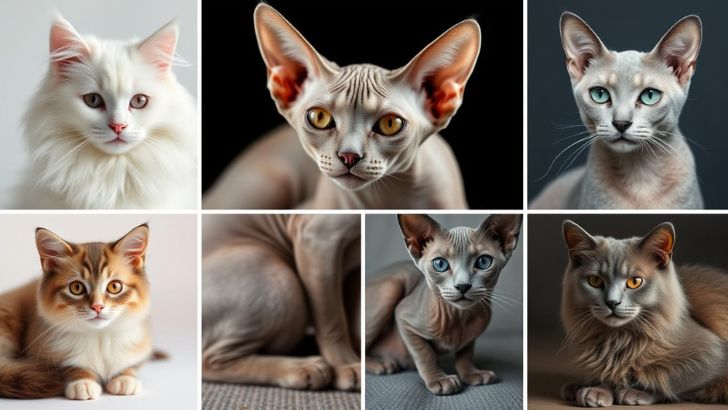
8 Best Hypoallergenic Cat Breeds
While no cat breed is entirely allergen-free, these breeds are known to be more compatible with allergy sufferers. Remember that individual cats within each breed may produce different levels of allergens, so spending time with a specific cat before adoption is always advisable.
1. Siberian

Despite their luxurious triple coat, Siberian cats are known to produce less Fel d 1 protein than most other breeds. These muscular, powerful cats originated in the forests of Russia and have a documented history of over a thousand years. Siberians are playful, affectionate, and intelligent companions that form strong bonds with their families. During summer months, they shed their winter coat, so regular grooming is essential to manage loose fur.
2. Balinese

Often called “long-haired Siamese,” Balinese cats produce less Fel d 1 protein while maintaining their beautiful appearance. These elegant felines have a silky coat without an undercoat, which means less shedding and dander. Balinese cats are known for their intelligence, vocal nature, and social personality. They form deep bonds with their owners and need minimal grooming despite their longer fur.
3. Devon Rex
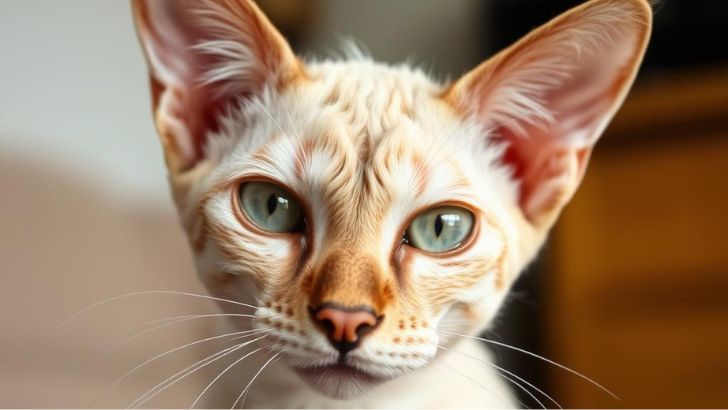
The Devon Rex stands out with its unique curly coat, which sheds minimally compared to other breeds. These cats have a distinctive appearance with large ears and a pixie-like face that many find irresistible. Devon Rex cats are playful, mischievous, and extremely affectionate, often described as “monkey cats” due to their agility and love of climbing. Their short, fine coat requires minimal grooming—just an occasional wipe-down to distribute natural oils.
4. Cornish Rex
Similar to the Devon Rex, the Cornish Rex has a soft, curly coat that sheds very little. These elegant cats have a distinctive appearance with a curved profile, high cheekbones, and large ears. Cornish Rex cats are incredibly playful, energetic, and remain kitten-like well into adulthood. Their unique coat lacks guard hairs, making them feel like warm suede to the touch. While they don´t require brushing, they benefit from occasional baths to prevent oil buildup on their skin.
5. Sphynx

The hairless Sphynx cat might seem like the obvious choice for allergy sufferers; however, it´s not the fur that causes allergies. Nonetheless, because they lack fur to trap allergens, some people find Sphynx cats more tolerable. These unique cats are known for their outgoing, affectionate, and sometimes demanding personalities. Sphynx cats require regular bathing to remove oil buildup on their skin, making them somewhat high-maintenance despite their lack of fur.
6. Russian Blue
The Russian Blue is known for its distinctive blue-gray coat and emerald green eyes. These cats have a dense, short double coat that sheds minimally and traps much of their dander close to the skin. Russian Blues are gentle, somewhat shy cats who form deep bonds with their families while maintaining a dignified independence. They´re relatively low-maintenance and keep themselves meticulously clean, which can help reduce allergen spread.
7. Bengal

With their wild appearance and distinctive spotted coat, Bengal cats are both beautiful and relatively low-allergen. Their short, fine coat requires minimal grooming and sheds less than many other breeds. Bengals are highly active, intelligent cats who love to play, climb, and even enjoy water. Their playful nature and striking appearance make them popular pets, though they need plenty of stimulation to stay happy.
8. Oriental Shorthair

Related to the Siamese, Oriental Shorthairs have a fine, close-lying coat that sheds minimally. These sleek cats come in over 300 color and pattern combinations, making them one of the most diverse breeds. Oriental Shorthairs are intelligent, vocal, and deeply attached to their humans. They require minimal grooming but plenty of attention and interaction to satisfy their social nature.
Tips for Living with Cats Despite Allergies
Even with a hypoallergenic cat breed, you may still experience some allergic reactions. Here are practical strategies to minimize allergens in your home:

Explore more cat breed guides: long haired cat breeds, short haired cat breeds, exotic cat breeds
Regular Grooming
- Brush your cat regularly (ideally by someone without allergies)
- Use pet wipes designed to reduce dander between baths
- Ponder professional grooming services monthly
- For breeds that tolerate it, occasional baths can significantly reduce allergens
Home Management
- Use HEPA air purifiers in main living areas and bedrooms
- Vacuum frequently with a HEPA-filtered vacuum cleaner
- Wash bedding and cat blankets in hot water weekly
- Consider hard flooring instead of carpet where possible
Personal Strategies
- Wash hands after petting your cat and before touching your face
- Create cat-free zones, especially in bedrooms
- Consider allergy medications or immunotherapy after consulting with an allergist
- Change clothes after extended play sessions with your cat
Litter Box Management
- Use low-dust, unscented cat litter
- Place litter boxes in well-ventilated areas away from air vents
- Clean litter boxes daily to reduce allergen buildup
- Consider a self-cleaning litter box to minimize contact with allergens
New Development: Some pet food companies have developed special diets designed to reduce the production of Fel d 1 protein in cats. Early research shows these foods may reduce allergens by up to 47% after three weeks of feeding. Ask your veterinarian if this might be an option for your cat.
Before You Adopt: Important Considerations
While hypoallergenic cat breeds can be a great option for allergy sufferers, it´s important to take some precautions before bringing a new feline friend home:

- Spend time with the specific cat you´re considering adopting to see how your allergies react
- Consider fostering before permanent adoption to test compatibility
- Consult with an allergist to understand your specific cat allergies and treatment options
- Research reputable breeders or rescue organizations that specialize in hypoallergenic breeds
- Prepare your home with air purifiers and appropriate cleaning supplies before bringing your cat home
Finding Your Perfect Feline Companion
Living with cat allergies doesn´t mean you have to give up on your dreams of feline companionship. By choosing a hypoallergenic cat breed that produces less Fel d 1 protein and implementing smart allergen-reduction strategies, many allergy sufferers can enjoy the love and companionship of a cat.
Remember that individual cats vary greatly in the amount of allergens they produce, even within the same breed. The most important step is spending time with a specific cat before adoption to see how your body reacts. With the right cat and proper management techniques, you can create a comfortable home for both you and your new feline friend.
Frequently Asked Questions
Are hairless cats completely hypoallergenic?
No, hairless cats like the Sphynx still produce the Fel d 1 protein in their saliva and skin oils. Although they don´t have fur to trap and spread allergens, they still produce the proteins that cause allergic reactions. Some people with allergies may still react to hairless cats.
Which cat breed produces the least allergens?
Research suggests that Siberian cats and Balinese cats naturally produce less of the Fel d 1 protein that causes allergic reactions. However, individual cats within any breed can vary greatly in their allergen production.
Can I make my current cat more hypoallergenic?
Although you can´t change your cat´s natural allergen production, regular bathing (every 4-6 weeks) and daily wiping with pet-specific allergen-reducing wipes can help reduce allergens. Some specialized cat foods may also help reduce Fel d 1 production over time.
Do kittens cause fewer allergies than adult cats?
Kittens typically produce less Fel d 1 protein than adult cats, so they may cause fewer allergic reactions initially. However, as they mature, their allergen production increases, which is why it´s important to spend time with adult cats of your chosen breed before adopting.