
As devoted pet parents, we´ve all experienced the common concern of our canine companions developing diarrhea. This is a frequent issue that understandably causes distress for both the animals and their human caregivers. Understanding the root causes of dog diarrhea is foundational to effectively assisting them in recovering their well-being.
Canine diarrhea can manifest due to a variety of factors. These encompass alterations in their dietary intake, the presence of infections, and underlying health concerns. We will delve into the primary triggers of diarrhea in dogs and outline approaches for managing these situations. Our aim is to provide guidance on how to manage dog diarrhea, facilitating a swift return to their happy and healthy routines.
Common Causes of Dog Diarrhea

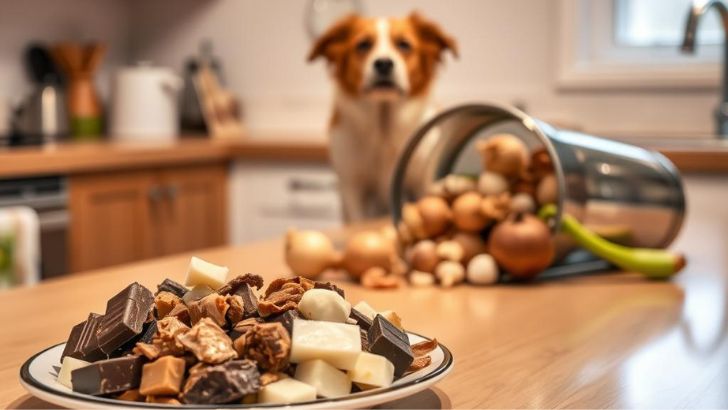
For dog owners, identifying the reasons behind their pet´s diarrhea is essential for providing optimal care. Diarrhea in dogs can stem from numerous sources, and knowledge of these causes aids in prevention.
Dietary Indiscretion and Overeating
A frequent precursor to diarrhea in dogs involves the ingestion of inappropriate substances. This can range from spoiled food items to discarded trash or other non-food materials. Excessive consumption of any food can also disrupt their digestive system.
Commonly implicated items include:
- Spoiled or decomposed food products
- Discarded refuse or garbage
- Residues from human meals
- Ingestion of items not meant for consumption
Abrupt Alterations in Diet
Initiating a change in a dog´s dietary regimen too rapidly can also precipitate diarrhea. The digestive systems of dogs are quite sensitive. It is advisable to gradually introduce new foods over a period of 7 to 10 days to mitigate the risk of gastrointestinal upset.
“A progressive transition to new food sources can substantially diminish the likelihood of diarrhea occurring in dogs.”
Food Allergies and Intolerances
Food-related allergies and intolerances represent significant contributors to diarrhea in dogs. Certain food components can elicit allergic responses or be poorly tolerated by their digestive system. Beef, dairy products, and soy are frequently identified as common culprits.
| Common Allergens | Symptoms |
|---|---|
| Beef | Diarrhea, itching |
| Dairy | Diarrhea, gas |
| Soy | Diarrhea, skin issues |
The identification and subsequent exclusion of the offending ingredient are critical for effectively managing allergies and intolerances.
Bacterial and Viral Infections
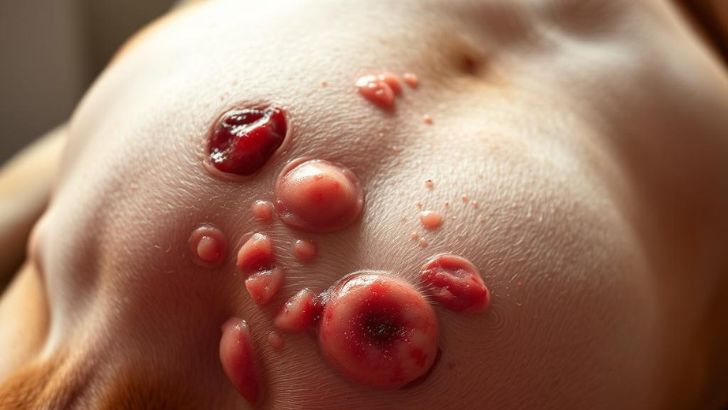
Bacterial and viral infections are substantial contributors to canine diarrhea, often originating from contaminated food or water sources. It is imperative for dog owners to comprehend the causes and subsequent implications.
Common Bacterial Infections
Bacteria such as Salmonella and E. coli are significant causes of diarrhea in dogs. These pathogens can be present in substandard food, impure water, or even the ambient air. Their ingestion can lead to severe illness in dogs, potentially posing a life-threatening risk.
Symptoms associated with bacterial infections in dogs include diarrhea, vomiting, lethargy, and a loss of appetite. Early detection of these symptoms is crucial for initiating timely treatment.
Understanding Viral Gastroenteritis
Viral gastroenteritis, frequently caused by viruses like parvovirus, is another cause of diarrhea in dogs. Parvovirus is highly contagious and can induce severe illness in infected animals. Symptoms often include bloody diarrhea and vomiting.
Comprehending the risks associated with viral gastroenteritis is vital. Dog owners must be aware of the symptoms and the methods for prevention, which include ensuring their pets are appropriately vaccinated.
It is important to recognize that the treatment protocols for bacterial and viral infections differ. Bacterial infections may necessitate antibiotic therapy, whereas viral infections require supportive care to manage symptoms and maintain hydration.
Parasites and Their Impact on Digestion

Intestinal parasites are a primary cause of diarrhea in dogs. Understanding their impact on canine health is crucial for managing this condition. These parasites can infect dogs through contaminated food or water, or via contact with infected feces.
Numerous types of intestinal parasites can adversely affect dogs, each with its unique mode of impacting a dog´s health.
Types of Intestinal Parasites
Dogs can contract infections from various intestinal parasites. A few notable examples include:
- Hookworms: These small, hematophagous parasites can lead to significant health complications in dogs.
- Whipworms: Inhabiting the large intestine, whipworms can result in chronic diarrhea and substantial weight loss.
- Tapeworms: These elongated, flattened parasites can infect dogs through the consumption of infected fleas or improperly cooked meat.
Familiarity with these parasites aids in the accurate diagnosis and effective treatment of infections.
Signs of a Parasite Infection
Recognizing the indicators of a parasitic infection is important for prompt therapeutic intervention. Owners should be vigilant for:
| Symptom | Description |
|---|---|
| Diarrhea | Frequent, loose stools that may have blood or mucus. |
| Weight Loss | Unexplained weight loss due to poor nutrient absorption. |
| Abdominal Pain | Dogs may show signs of discomfort or pain in the belly area. |
If you suspect your dog may have parasites, it is essential to consult a veterinarian for a definitive diagnosis and appropriate treatment plan.
Early intervention can significantly enhance your dog´s health outcome and prevent the progression of further complications.
Stress-Induced Diarrhea in Dogs
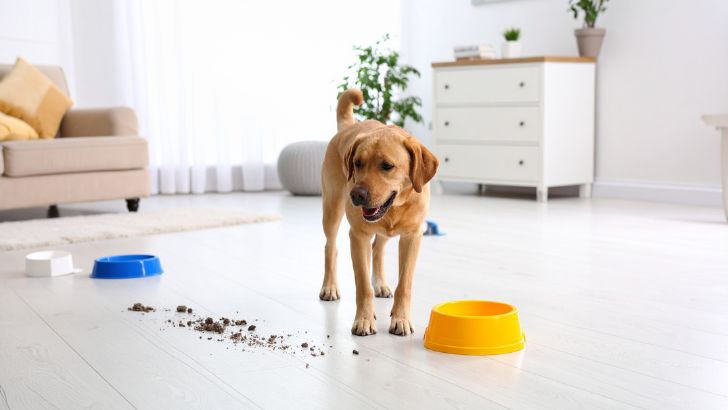
Diarrhea in dogs can serve as an indicator of stress. We will explore how emotional distress impacts their digestive health, potentially leading to uncomfortable and severe gastrointestinal disturbances.
Behavioral Triggers
A multitude of factors can induce stress in dogs, subsequently leading to diarrhea. These include:
- Household disruptions, such as the introduction of new family members or pets.
- Separation anxiety experienced when left unattended.
- Exposure to loud noises or events like fireworks.
- Alterations in the owner´s work schedule or general lifestyle.
Understanding the specific stressors affecting dogs enables owners to better manage their diarrhea by mitigating the impact of these triggers.
Environmental Changes
Changes in the dog´s environment can also induce stress, resulting in diarrhea. Some common environmental stressors include:
- Relocation to a new living space.
- The introduction of new pets or individuals into the household.
- Modifications to dietary routines or feeding schedules.
These environmental shifts can disrupt a dog´s established routine, thereby causing stress and diarrhea. Identifying these environmental stressors helps owners to minimize their influence.
Managing diarrhea that is brought on by stress requires a multi-faceted approach. It is crucial to identify and reduce the sources of stress. Maintaining a consistent feeding schedule is also important. In some instances, the use of stress-reducing products may prove beneficial.
Medical Conditions Leading to Diarrhea
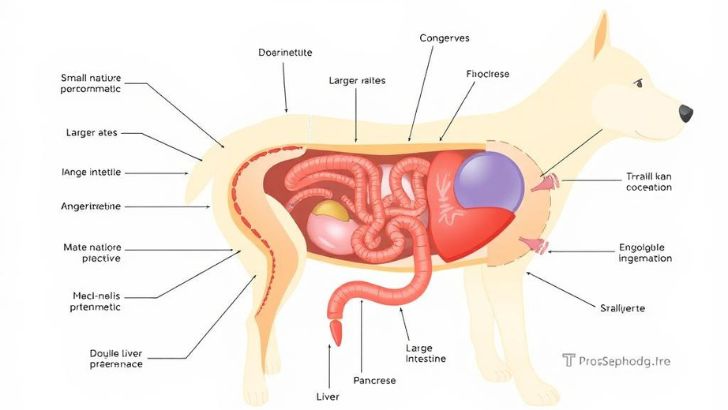
Certain health conditions can manifest as diarrhea in dogs. Recognizing these conditions is vital for effective management. Diarrhea in dogs frequently signals a more significant underlying issue that necessitates veterinary care.
See other common dog health problems: dog skin problems, dog fever symptoms, toxic foods for dogs
Pancreatitis and Its Symptoms
Pancreatitis is a serious medical condition that can result in diarrhea. It occurs when the pancreas, an organ crucial for digestion, becomes inflamed. This inflammation can lead to considerable pain, vomiting, and diarrhea.
Prompt identification of pancreatitis symptoms is essential for obtaining timely medical assistance. Signs include lethargy, a loss of appetite, and abdominal discomfort. In severe cases, it can lead to dehydration and organ damage.
Veterinarians utilize physical examinations, blood tests, and imaging techniques to diagnose pancreatitis.
Inflammatory Bowel Disease
Inflammatory Bowel Disease (IBD) can also be a cause of diarrhea in dogs, characterized by inflammation of the gastrointestinal tract, leading to diarrhea, weight loss, and vomiting. The precise etiology of IBD remains unknown, but it is believed to be a complex interplay of genetic predisposition, immune system dysfunction, and environmental factors.
Managing IBD involves several therapeutic strategies, including dietary modifications, the administration of anti-inflammatory medications, and the use of probiotics to support gut health. It is imperative to collaborate with a veterinarian to establish an appropriate treatment plan for your dog.
Side Effects of Medications

While some medications are beneficial for our canine companions, they can also precipitate diarrhea as a side effect. It is crucial to be aware of potential adverse reactions, such as gastrointestinal disturbances, when administering medication.
Antibiotics and Digestive Disruption
Antibiotics are prescribed to combat bacterial infections in dogs. However, they can disrupt the delicate balance of gut bacteria, leading to diarrhea. Overuse or improper use of antibiotics can exacerbate this issue, underscoring the importance of adhering to veterinary guidance.
“Antibiotics possess the capability to eliminate both beneficial and detrimental bacteria, thereby disrupting the intestinal equilibrium,” states Dr. Jane Smith, a renowned veterinarian. “This disruption can subsequently result in diarrhea and other digestive complications.”
Other Common Medications
Various other medications can also induce diarrhea in dogs. For instance, anti-inflammatory drugs and certain cardiac medications have the potential to cause gastrointestinal upset. Close monitoring of your dog´s health status upon initiation of new medication is paramount.
- Nonsteroidal anti-inflammatory drugs (NSAIDs)
- Corticosteroids
- Certain chemotherapy agents
If your dog develops diarrhea subsequent to starting a new medication, it is advisable to consult your veterinarian. They can provide guidance on the appropriate course of action.
Understanding the potential side effects of medications is instrumental in safeguarding your dog´s health. By recognizing these risks, you can effectively collaborate with your veterinarian to prevent adverse reactions and ensure your dog receives optimal treatment.
Identifying When to Call a Veterinarian

As a responsible dog owner, recognizing the appropriate time to contact a veterinarian is essential. While not all instances of diarrhea are critical, certain symptoms warrant immediate veterinary attention.
Signs of Serious Issues
If your dog exhibits any of the following signs, seek veterinary assistance promptly:
- Bloody stools or the presence of black, tarry stools, which may indicate internal bleeding.
- Vomiting that accompanies diarrhea, leading to a high risk of dehydration.
- Lethargy or a significant decrease in activity levels, indicative of a severe underlying illness.
- Fever, which is a common sign of infection.
- A complete loss of appetite or refusal to drink water, exacerbating dehydration.
Importance of Prompt Attention
Seeking veterinary care without delay is of utmost importance. It facilitates the early detection and management of issues such as infections or food allergies. This prompt action also helps to mitigate serious complications like dehydration, which can be life-threatening for some dogs.
Knowledge of the common causes of dog diarrhea and the ability to identify when professional medical advice is needed are fundamental to maintaining your dog´s health. If you harbor any doubts regarding your dog´s health status, it is always prudent to consult with a veterinarian.
Home Remedies for Managing Mild Diarrhea

Managing mild instances of diarrhea in dogs can be effectively addressed with several home-based remedies. These interventions can contribute to your dog´s comfort and accelerate their recovery process.
Fasting and Rehydration
Initially, allow your dog´s digestive system a period of rest. A fasting period of 12 to 24 hours can aid in firming up their stools. Crucially, ensure continuous access to fresh water to prevent dehydration. You may also consider providing an electrolyte solution specifically formulated for dogs to replenish lost salts.
Maintaining adequate hydration is paramount if your dog appears dehydrated. Signs of dehydration can include excessive thirst, dark-colored urine, or pronounced lethargy. Encourage frequent, small sips of water.
Simple Dietary Adjustments
Following the fasting period, introduce bland foods to help solidify stools. Boiled chicken and rice is an excellent option, as it is gentle on the stomach. Administer this in small, frequent portions to facilitate digestive recovery.
Furthermore, avoid rich or fatty foods, as these can exacerbate diarrhea. Continue with the bland diet for a few days before gradually reintroducing their regular food. This approach helps prevent the recurrence of diarrhea and supports a smooth convalescence.
By employing these straightforward home remedies, you can effectively manage your dog´s mild diarrhea, thereby supporting their overall health. Should your dog´s diarrhea worsen or fail to resolve, always seek professional veterinary advice.
How to Prevent Diarrhea in Dogs

As a responsible dog owner, implementing measures to prevent diarrhea in your pet is of significant importance. Understanding the underlying reasons for diarrhea in dogs empowers you to take proactive steps to avoid it, thereby ensuring your dog remains comfortable and healthy.
Diarrhea can arise from numerous factors, including the consumption of inappropriate items or abrupt changes in diet. To prevent it, diligent management of their diet and regular health monitoring are essential.
Importance of a Consistent Diet
Maintaining a consistent dietary regimen is crucial for preventing diarrhea. Rapidly altering your dog´s food can disrupt their digestive system. A stable diet promotes a healthy gut environment and reduces the risk of diarrhea.
Provide your dog with high-quality food that is appropriate for their age, breed, and overall health status. Refrain from offering table scraps or foods that are high in fat content, as these can lead to gastrointestinal disturbances.
Regular Vet Check-ups
Routine veterinary examinations are vital for the prevention of diarrhea. Your veterinarian can provide guidance on selecting the most suitable food for your dog and assist in the early detection of health issues, thereby helping to avert diarrhea.
During these appointments, your vet can also administer necessary vaccinations and implement parasite prevention strategies. These measures are critical in preventing infections that can lead to diarrhea.
By ensuring proper nutrition and attending regular veterinary appointments, you can significantly reduce the likelihood of your dog experiencing diarrhea. This not only contributes to your dog´s health but also strengthens the bond you share, ensuring they lead a happy and healthy life.
The Role of Probiotics in Dog Digestive Health
Probiotics play a beneficial role in maintaining the digestive health of our canine companions by promoting a balanced gut environment. A well-balanced gut is fundamental for overall well-being, influencing digestion, immune function, and even mood.
Benefits of Probiotics
Probiotics offer numerous advantages for dogs, including:
- Improved Digestion: They facilitate the breakdown of food and enhance nutrient absorption.
- Boosted Immune System: A significant portion of a dog´s immune system resides in the gut. Probiotics contribute to its optimal functioning.
- Reduced Symptoms of Diarrhea: By stabilizing the gut flora, they help to mitigate episodes of diarrhea.
Choosing the Right Probiotic for Your Dog
Selecting an appropriate probiotic for your dog is a crucial consideration. Factors to take into account include:
- Strain Specificity: Different probiotic strains provide varied benefits. For dogs, strains such as Lactobacillus and Bifidobacterium are particularly beneficial.
- CFU Count: The Colony Forming Unit (CFU) count indicates the number of live bacteria present in the probiotic. The appropriate count is contingent upon your dog´s specific needs.
- Product Quality: Ensure the probiotic is sourced from a reputable manufacturer and has undergone quality testing.
Understanding the advantages of probiotics and selecting the most suitable product can significantly contribute to your dog´s digestive health and overall well-being.
Conclusion: Keeping Our Dogs Healthy
Understanding the causes of diarrhea in dogs is fundamental to providing them with effective care. By comprehending why dogs experience diarrhea, we are better equipped to prevent it and manage it more effectively.
Key Takeaways
We have explored a wide array of reasons for diarrhea in dogs, including dietary indiscretions, infections, parasitic infestations, stress, and various health conditions. We have also discussed the critical indicators for seeking veterinary consultation and methods for managing mild cases at home.
Staying Informed
As responsible dog owners, it is incumbent upon us to remain informed about our pets´ health. Knowledge of the causes of dog diarrhea and effective management strategies is vital for ensuring their continued health and happiness. Regular veterinary check-ups, a balanced diet, and a secure living environment are all essential components of their overall well-being.
FAQ
What are the most common causes of dog diarrhea?
Diarrhea in dogs can originate from a multitude of sources. These include the ingestion of inappropriate items, abrupt dietary changes, and food allergies. Infections, parasites, stress, and certain underlying medical conditions can also contribute.
How can I determine if my dog´s diarrhea is caused by a food allergy or intolerance?
If you suspect your dog´s diarrhea may be related to a food allergy or intolerance, consulting with a veterinarian is recommended. They can accurately diagnose the cause and suggest an appropriate dietary plan.
Can stress lead to diarrhea in dogs?
Yes, stress can indeed trigger diarrhea in dogs. Environmental changes, such as moving house or the introduction of new pets, can induce stress, which may manifest as diarrhea.
What are the signs of a parasite infection in dogs?
Indicators of parasitic infections in dogs include diarrhea, weight loss, lethargy, and alterations in appetite. If you suspect your dog may have parasites, seek veterinary attention immediately.
Can I manage my dog´s mild diarrhea at home?
For mild cases of diarrhea, home management strategies such as fasting and rehydration can be employed. Simple dietary adjustments may also prove beneficial. However, if the condition worsens or does not improve, veterinary consultation is advised.
How can I prevent diarrhea in my dog?
Maintaining a consistent diet for your dog and scheduling regular veterinary check-ups are key preventive measures. These practices can facilitate the early detection of potential health issues.
Are probiotics beneficial for dog digestive health?
Yes, probiotics are advantageous for your dog´s digestive health, contributing to a healthy gut microbiome. It is important to select probiotics specifically formulated for canine use.
When should I contact a veterinarian regarding my dog´s diarrhea?
Contact a veterinarian if your dog´s diarrhea contains blood, is accompanied by vomiting, or if they appear significantly lethargic. Prompt veterinary intervention is crucial for managing serious cases.
Can certain medications cause diarrhea in dogs?
Yes, certain medications, including antibiotics, can disrupt a dog´s gastrointestinal system and lead to diarrhea. It is important to be aware of the potential side effects associated with any medication administered to your dog.