

Large dog breeds are often misunderstood. While their size can seem intimidating, many are gentle, affectionate, and loyal companions. Contrary to the belief that big means aggressive, these dogs often have calm temperaments and form strong emotional bonds. This text explores the charm, purpose, and practical advantages of these lovable giants.
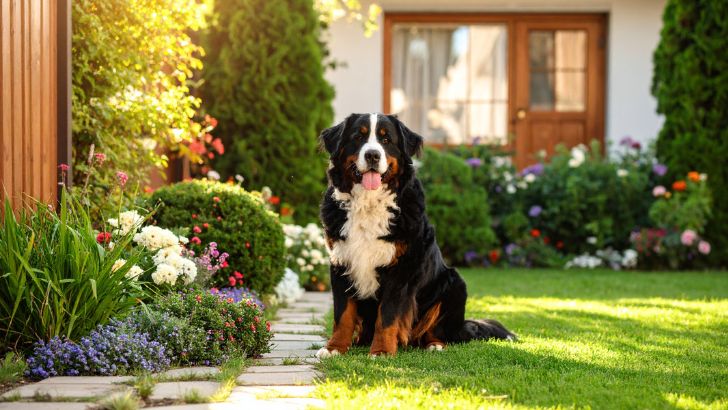
Introduction: Not All Giants Are Intimidating
Giant dogs, gentle hearts – a phrase that captures a beautiful contradiction in many large dog breeds. While overwhelming at first glance, many of these massive dogs are known for their calm temperaments, affectionate behavior, and quiet loyalty. Consider a Great Dane leaning into its owner or a Newfoundland lying beside a toddler; these scenes defy stereotypes.

The myth that large canine breeds are more dangerous or harder to manage widely persists. However, many large breeds are less hyperactive than smaller dogs and easier to train due to intelligence and desire to please. The true challenge often lies in space, not temperament. People expect aggression from heavier dogs, but smaller, more excitable breeds often display more anxiety-driven nipping or barking.
So, why are large dog breeds increasing in popularity among families? It comes down to trust, companionship, and emotional connection. Families understand that these bulky breeds offer the perfect balance: protective yet patient, strong yet gentle, imposing yet loving. They serve as guardians, friends, and therapeutic companions. Far from intimidating, these dogs often become the emotional anchors of the family – proof that the bigger the dog, the bigger the heart.
Classifying Large Dogs by Purpose (Not Just Size)
Instead of categorizing breeds by size, let´s classify these heavier dogs based on their roles. Purpose often reveals more about compatibility than height or weight.

1. Guardian Giants – Dogs That Protect
These are the defenders, watchdogs, and powerful breeds bred to guard homes, flocks, and families. They are big in size and strong in spirit.
Examples: Tibetan Mastiff, Caucasian Shepherd, Boerboel
Traits: Fiercely loyal, highly territorial, suspicious of strangers. Best suited for experienced dog owners.
Ideal for: Homes needing protection: farms, rural properties, and securely fenced suburban homes.

These large frame dogs aren’t for all pet parents. But in the right hands, they become unbeatable protectors and devoted companions.
2. Family Friendly Giants – Big Dogs, Soft Souls
Not all massive dogs are bred to intimidate. Many are designed for companionship, patience, and tenderness.
Examples: Newfoundland, Great Pyrenees, Bernese Mountain Dog
Traits: Calm, affectionate, slow to anger, very tolerant of children.
Ideal for: Families with young kids, multi-pet households, relaxed environments.

These large breed dogs often serve as therapy animals. The Newfoundland is known for water rescue and emotional sensitivity, making it one of the safest big dog breeds.
3. Active Giants – Built for Movement
Some bulky dog breeds were born to work. They need mental and physical stimulation.
Examples: Doberman, German Shepherd, Weimaraner
Traits: Highly intelligent, driven, and energetic. They require structured training, and daily exercise.
Ideal for: Active individuals, working households, families with time to play and train.

These big size dogs are more than beautiful. They want tasks. From agility courses to service dog roles, their energy is matched by their eagerness to bond. They thrive when given purpose, whether guarding, herding, or assisting.
Discover more dog breed guides: small dog breeds, aggressive dog breeds, best dog breeds for families, rare dog breeds
4. Laid Back Giants – Huge but Hug-Worthy
Some of the largest dogs in the world are couch potatoes.
Examples: Great Dane, Irish Wolfhound
Traits: Calm, affectionate, prefer lounging. They feel happiest when close to their family.
Ideal for: Apartment dwellers with space, older adults, laid-back families.

Despite their size, these large dog types are often suited to indoor life. With moderate walks and lots of love, they´re some of the best snuggle companions.
Answering “People Also Ask” Questions
What is the friendliest big dog?
The Newfoundland wins. Known as a “gentle giant,” it is affectionate, calm, and excellent with children. These large breed dogs also have natural water safety and rescue instincts.
Is there a 300 lb dog?
Yes. The English Mastiff is a prime example. Certain breeds can reach weights exceeding 300 pounds. The most famous was Zorba, an English Mastiff that weighed 343 lbs (156 kg), earning a Guinness World Records place.
What is considered an XXL dog?
XXL dogs typically weigh over 100 pounds (45+ kg) and stand taller than 30 inches (75+ cm) at the shoulder. These large frame dogs include breeds like the Saint Bernard, Great Dane, and Turkish Kangal.
Which large dog breed is considered the safest?
The Labrador Retriever is often safest. Its combination of friendliness, loyalty, intelligence, and trainability makes it ideal for families, especially with young children.
Fun Facts About Giant Dogs
Giant dog breeds often have unique characteristics and challenges that set them apart – and some differences may surprise you. One belief is that big dogs don’t live as long, which is largely true. Scientific studies show that a larger body mass is associated with accelerated aging and greater metabolic strain, meaning giant breeds typically have shorter lifespans than smaller dogs. Their size causes their bodies to work harder, placing more pressure on organs and joints.

Another misconception is that large dogs eat twice as much as smaller ones. While true that they require more food than toy or small breeds, their slower metabolism means they don’t need excessive amounts. What´s more important than quantity is quality; giant breeds benefit from nutrient-rich, balanced diets tailored to their bone health, heart function, and joint strength.
Health-wise, large dogs are prone to several serious conditions. Hip dysplasia is common due to their weight-bearing joints, and bloat – or gastric torsion – is a life-threatening emergency that can affect deep-chested breeds. Other issues such as arthritis and heart problems tend to emerge earlier or more severely in giant dogs. Because of these risks, early veterinary intervention, regular checkups, and preventive care are essential. With the right attention and lifestyle, many giant breeds can enjoy happy, healthy years with their families.
Beginner’s Guide to Owning a Large Dog
Bringing a large dog into your home can be rewarding, but it requires preparation and commitment. These gentle giants have specific needs that, if addressed correctly, can make ownership smooth – especially for first-time large dog owners.
One of the first things to consider is your living environment. Unlike smaller breeds, large dogs need space not just to move but to do so safely. Slippery floors, narrow hallways, and steep staircases can increase the risk of injury, especially for dogs with joint concerns or mobility issues. Ensuring your home has sturdy flooring and open pathways creates a safe, comfortable space for your dog.

Also, size doesn´t always equal difficulty. While their presence may seem daunting, many large breeds have calm and manageable temperaments. In fact, they’re often easier to train and live with than smaller, more energetic breeds. The key lies in understanding temperament, not just physical build.
Training and socialization are critical from the start. A large dog that hasn’t learned basic manners can unintentionally knock over children, guests, or furniture. Consistent training, positive reinforcement, and early social exposure are essential for helping these dogs grow into well-behaved companions.
For those new to large dog ownership, certain breeds make an excellent starting point. Breeds like the Golden Retriever, Bernese Mountain Dog, and Great Dane are known for their calm demeanor, gentle nature, and strong familial bonds. They adapt well to routines, are friendly with children, and respond positively to structured training – making them ideal choices for beginners looking to welcome a big-hearted friend.
Conclusion: Bigger Isn’t Scarier – It’s Just More to Love
Large dog breeds carry more than physical weight – they bring massive loyalty, affection, and companionship. Whether looking at bulky breeds for protection, friendship, or emotional support, there is a giant for every home.
Don’t let their size intimidate you. Behind those large frames are gentle souls who want nothing more than to be close to those they love. Choose wisely, care deeply, and you’ll find that your large dog might be the biggest blessing of all.