
As dedicated bird owners, maintaining the utmost eye health for our feathered companions is paramount. Avian eye infections, if left untreated, can inflict significant discomfort and lead to severe complications, underscoring the importance of swift and appropriate intervention.
This comprehensive guide will explore the intricacies of bird eye infections, covering their characteristic symptoms, underlying causes, and effective treatment strategies. Possessing this knowledge empowers you to promptly identify and address any ocular health concerns, thereby ensuring the continued well-being of your beloved birds.
Key Takeaways
- The ability to accurately recognize the symptoms associated with avian eye infections is fundamental for enabling early detection and facilitating timely treatment.
- A bird´s ocular health can be adversely affected by a multitude of factors, including various environmental conditions that may contribute to irritation or infection.
- A range of effective treatments are available for addressing bird eye infections, significantly enhancing the prospects for a successful recovery.
- The diligent maintenance of superior hygiene practices is a cornerstone in the prevention of eye infections among birds.
- Regular veterinary check-ups are indispensable for the early identification of potential eye health issues, allowing for proactive management.
What is a Bird Eye Infection?

The overall well-being of a bird is intrinsically linked to its ocular health, and infections can pose a serious threat if not promptly addressed. Birds, much like all living creatures, are susceptible to various health ailments, and their eyes are no exception to this vulnerability.
Overview of Avian Eye Health
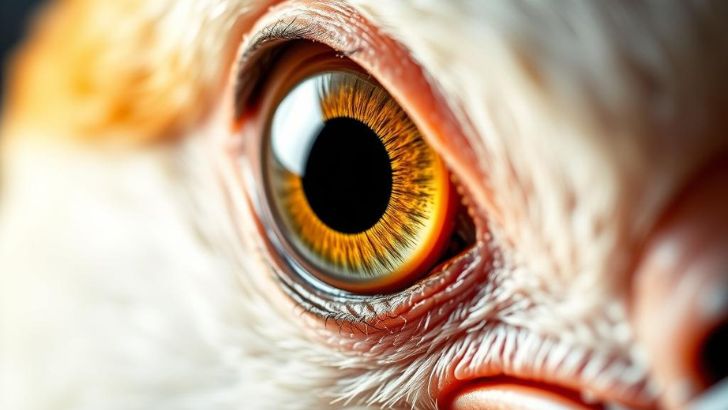
Avian eyes are remarkably complex and play a critical role in a bird´s survival, aiding in navigation, foraging for food, and evading predators. Consequently, maintaining good eye health is absolutely vital for a bird´s overall quality of life and its ability to thrive.
A bird´s eye possesses unique characteristics, such as an exceptionally wide field of vision and the capacity to perceive ultraviolet light, which are crucial adaptations for their environments. However, these specialized features can also render their eyes more susceptible to infections and various ocular conditions.
Common Types of Eye Infections in Birds
Birds are prone to a variety of eye infections, including conditions such as conjunctivitis, sinusitis, and blepharitis, which can be instigated by bacterial, viral, or fungal pathogens. Typical symptoms associated with these infections encompass redness, swelling, discharge, and a tendency to squint.
| Infection Type | Causes | Symptoms |
|---|---|---|
| Conjunctivitis | Bacteria, viruses | Redness, discharge |
| Sinusitis | Bacteria, fungi | Swelling, nasal discharge |
| Blepharitis | Bacteria, parasites | Inflammation, crusting |
A thorough understanding of these common eye infections is essential for bird owners, enabling them to provide appropriate care and seek timely veterinary assistance when necessary.
“The prompt detection and commencement of treatment for eye infections in birds can significantly enhance positive outcomes and effectively prevent the onset of long-term damage.”
Symptoms of Bird Eye Infection
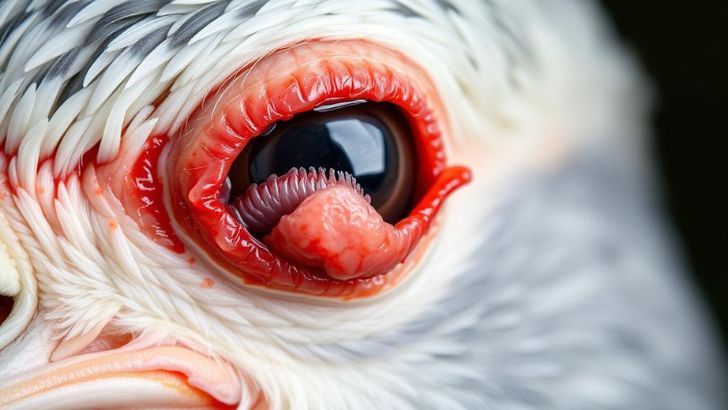
It is imperative for bird owners to be well-versed in the discernible signs of bird eye infections to ensure the continued health of their feathered companions. The early identification of these symptoms can dramatically improve the efficacy of treatment and the speed of recovery.
Physical Signs to Look For
Birds suffering from eye infections typically exhibit clear physical manifestations. Owners should be vigilant for signs of redness and swelling in the vicinity of the eye, the presence of discharge, and any swelling that might cause the eye to remain closed. Given that many bird species have a natural inclination to conceal signs of pain or discomfort, close observation is particularly crucial.
Furthermore, it is important to note any instances of excessive blinking or if the bird repeatedly rubs its eye, as these actions often indicate pain or a significant level of discomfort, signaling a need for immediate attention.
Behavioral Changes in Infected Birds
Birds experiencing eye infections may display noticeable alterations in their behavior. They might exhibit increased irritability, changes in their feeding patterns, or a tendency to isolate themselves from other birds. These behavioral shifts can be subtle, thus requiring vigilant observation from owners.
In some cases, the pain associated with an eye infection can lead to increased aggression or a heightened state of fear in birds. The early recognition of these behavioral changes is absolutely critical for ensuring prompt and effective assistance.
When to Seek Veterinary Advice
Should any of the aforementioned symptoms be observed, it is strongly recommended to seek veterinary assistance without delay. Early and appropriate treatment can substantially benefit birds suffering from eye infections.
A veterinarian is equipped to accurately diagnose the underlying issue and recommend the most suitable course of treatment, which may include the prescription of antibiotics or antivirals. Delaying professional consultation can unfortunately lead to the development of serious complications, including irreversible vision loss.
Causes of Bird Eye Infections

Understanding the diverse reasons why birds develop eye infections is crucial for both their prevention and effective treatment. These infections can stem from bacterial, viral, or environmental factors, and knowledge of these causes is key to safeguarding our birds´ health.
Bacterial Infections and Their Sources
Bacteria represent a significant cause of eye infections in birds. These infections can originate from contaminated food and water sources or through direct contact with infected birds. Common bacterial culprits include species like Staphylococcus and Streptococcus. Maintaining a high standard of cleanliness in the bird´s living environment is paramount for preventing the incidence of these infections.
| Bacterial Species | Common Sources | Prevention Measures |
|---|---|---|
| Staphylococcus | Contaminated food and water | Regular cleaning of food and water containers |
| Streptococcus | Direct contact with infected birds | Isolating infected birds, maintaining hygiene |
Viral Infections Impacting Bird Eyes
Viruses such as the avian poxvirus and Newcastle disease virus can have detrimental effects on a bird´s eyes. Often, supportive care is necessary due to the limited availability of direct antiviral treatments. A thorough understanding of these viruses is instrumental in managing them more effectively.
Environmental Factors Contributing to Infections
Environmental irritants, including dust, pollen, and various chemicals, can also serve as catalysts for eye infections in birds. Consequently, ensuring a clean and well-ventilated living space for your bird is vital. Regular cleaning routines and maintaining good air quality significantly contribute to preventing infections.
A comprehensive understanding of the various causes of bird eye infections empowers owners to implement effective prevention strategies and provide appropriate treatment, thereby enhancing their birds´ overall health and happiness.
Diagnosing Bird Eye Infections
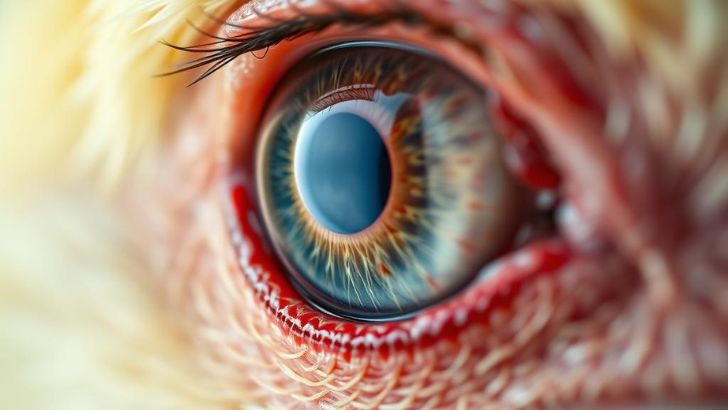
Accurate diagnosis of a bird´s eye infection is fundamental to its successful treatment. This process typically involves a combination of a thorough physical examination of the bird and appropriate diagnostic tests. Identifying the precise nature of the avian ocular issue is the critical first step toward facilitating the bird´s recovery and alleviating its discomfort.
Veterinary Examination Techniques
Veterinarians employ a range of methods to ascertain the cause of an avian eye condition. These techniques include:
- A meticulous visual inspection of the affected eye and its surrounding tissues.
- An assessment of the bird´s general behavior and overall health status.
- The utilization of specialized instruments, such as ophthalmoscopes, for a detailed examination.
A comprehensive evaluation conducted by a specialist in avian ophthalmology is crucial for pinpointing the exact cause of the infection.
Laboratory Tests and Procedures
Laboratory analyses play a pivotal role in identifying the specific etiology of a bird´s eye infection. These tests may encompass:
| Test Type | Purpose |
|---|---|
| Culture and Sensitivity | Find out what bacteria are causing the infection and what antibiotics to use |
| PCR (Polymerase Chain Reaction) | Look for viral or bacterial DNA |
| Cytology | Check cells for signs of infection or disease |
These diagnostic tests are indispensable for formulating the most appropriate and effective treatment plan for the bird´s eye condition.
Importance of Early Detection
The significance of early detection in cases of bird eye infections cannot be overstated. Prompt identification helps to avert potentially permanent damage and significantly enhances the likelihood of successful treatment outcomes. Expedited diagnosis translates into a swifter initiation of care, which in turn reduces the risk of severe complications and promotes a more rapid recovery for the bird.
By engaging the expertise of an avian eye specialist early in the process, bird owners can substantially improve their bird´s chances of a full and complete recovery.
Treatment Options for Bird Eye Infections
Understanding the available treatment options is paramount for bird owners whose pets are experiencing eye infections. The administration of the correct treatment can significantly aid in the bird´s recovery and prevent the occurrence of lasting damage.
Antibiotics and Antivirals
Antibiotics and antivirals are frequently the initial line of treatment for bird eye infections, with the specific choice dependent on the identified cause of the infection. Antibiotics such as gentamicin or tobramycin are effective against bacterial infections, while antivirals are used for viral infections, though their success can vary depending on the specific virus.
It is crucial to collaborate with a veterinarian to select the appropriate medication and dosage. Strict adherence to the prescribed treatment regimen is essential for successfully clearing the infection and preventing the development of antibiotic resistance.
Home Remedies and Natural Treatments
Some bird owners explore home remedies and natural treatments to complement the care of their birds. These may include:
- Saline eye washes for gentle cleansing of the eye.
- Herbal supplements administered for their anti-inflammatory properties.
- Dietary modifications aimed at ensuring a balanced intake of essential nutrients.
While these remedies can offer supportive benefits, it is imperative to consult with a veterinarian before implementing them to ensure they do not interfere with or counteract the primary treatment plan.
Supportive Care for Affected Birds
Providing supportive care is a critical component of managing birds with eye infections. This includes ensuring a clean, stress-free environment, adequate access to water and food, and consistent monitoring for any changes in the bird´s health status.
The integration of medical treatment with comprehensive supportive care significantly enhances a bird´s ability to recover from eye infections. Regular veterinary consultations are vital for adjusting treatment protocols as needed and promptly addressing any emerging complications.
Prevention Strategies for Bird Eye Infections
Proactively protecting birds from developing eye infections is of utmost importance. By adopting preventive measures, bird owners can diligently maintain the ocular health of their pets, thereby substantially reducing the likelihood of eye infections occurring.
Read more about common bird health issues: how to trim bird nails, bird beak overgrowth, toxic food for birds
Maintaining Clean Living Conditions
The establishment and maintenance of impeccably clean living environments are fundamental to preventing eye infections in birds. This involves the regular cleaning of cages, as well as food and water dishes, and ensuring the entire living area is free from dust and debris.
- The cage should be cleaned thoroughly at least once a week, involving the removal of soiled bedding, the cleaning of dishes, and the disinfection of all surfaces.
- It is advisable to use pet-safe disinfectants to avoid the use of potentially harmful chemicals.
- Ensuring adequate ventilation is essential to minimize the presence of airborne dust.
Regular Veterinary Check-ups
Routine veterinary visits are indispensable for the early detection and effective prevention of eye infections. A veterinarian can identify potential issues before they escalate into more serious conditions.
- During a check-up, the vet will meticulously examine the bird´s eyes for any signs of infection or disease.
- Additional diagnostic tests may be conducted to further assess the bird´s eye health.
- The veterinarian can provide valuable guidance on proper eye care practices and effective strategies for infection prevention.
Vaccination Options for Birds
Vaccination plays a significant role in preventing certain types of infections in birds. While not all eye infections are preventable through vaccination, some can be effectively mitigated.
- It is recommended to consult with an avian veterinarian regarding appropriate vaccines for diseases that are known to cause eye infections.
- Adhering to the recommended vaccination schedule is crucial for ensuring optimal protection for your bird.
By diligently implementing these preventative strategies, owners can significantly lower the risk of their birds developing eye infections. Consistent care and professional veterinary advice are indispensable for maintaining the long-term ocular health of birds.
Recognizing Eye Infections in Different Bird Species
The identification of eye infections in birds requires a careful approach, as each species may exhibit distinct signs and possess unique risk factors. This section will delve into the specific considerations for common pet birds, wild birds, and exotic species, emphasizing the importance of providing tailored care for each.
Common Pets: Parrots and Canaries
Parrots and canaries are popular choices for pet birds, and their eye health is a significant concern for their owners. Parrots, known for their intelligence and vibrant plumage, may be susceptible to eye infections due to their inquisitive nature and exposure to environmental hazards. Canaries, while generally less active, also require vigilant monitoring for signs such as swelling or discharge around the eyes.
Maintaining a clean living environment and closely observing their behavior are crucial. Regular checks for any indications of infection can facilitate the early detection of problems.
| Bird Type | Common Eye Infection Signs | Preventive Measures |
|---|---|---|
| Parrots | Swollen eyes, discharge, feather plucking around the eyes | Regular cage cleaning, balanced diet, minimize stress |
| Canaries | Redness, swelling, reduced singing | Avoid drafts, maintain hygiene, provide a nutrient-rich diet |
Wild Birds and Their Specific Risks
Wild birds are exposed to numerous environmental dangers that can potentially harm their eyes, ranging from environmental pollutants to predator interactions. Studies in avian ophthalmology indicate that wild birds frequently experience eye injuries and infections, largely due to their constant exposure to the outdoor environment and the inherent risks associated with it.
It is important to consider the specific dangers faced by different types of wild birds. Raptors, waterfowl, and songbirds all have distinct lifestyles and associated ocular health risks.
Exotics: Caring for Unique Avian Species
Exotic bird species, such as macaws, cockatoos, and finches, necessitate specialized care. Their ocular health is influenced by genetic predispositions, dietary intake, and the quality of their living environment. Macaws, for example, with their striking plumage and robust physique, can develop eye problems if their care requirements are not adequately met.
Providing a nutritious diet, maintaining a clean and spacious living environment, and ensuring regular veterinary check-ups are vital for preserving the ocular health of these unique species.
The Role of Nutrition in Eye Health
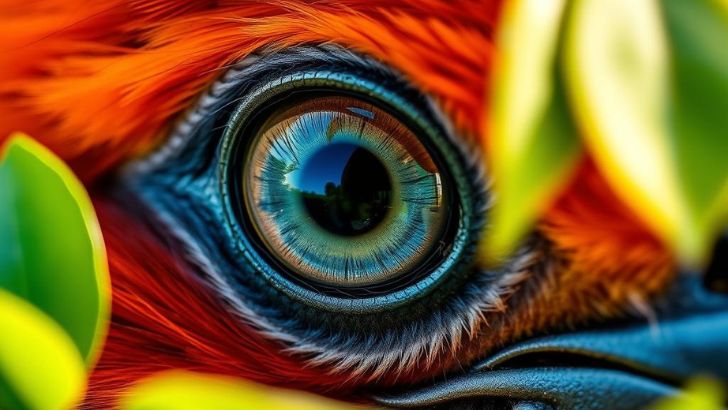
A bird´s diet profoundly influences the health of its eyes. A diet rich in essential nutrients can play a significant role in preventing eye infections and maintaining sharp vision.
Importance of a Balanced Diet
A well-balanced diet is fundamental to a bird´s overall health, including the optimal functioning of its eyes. Key nutrients such as Vitamin A, omega-3 fatty acids, and antioxidants are vital for maintaining good vision.
- Vitamin A is instrumental in preventing infections and preserving the health of the cornea.
- Omega-3 fatty acids contribute to reducing inflammation and promoting healing processes.
- Antioxidants serve to protect the eyes from cellular damage caused by oxidative stress.
Supplements That Support Eye Health
In addition to a balanced diet, certain supplements can provide beneficial support for avian eye care. These include:
- Lutein and zeaxanthin, which offer protection to the eyes against damaging light exposure.
- Probiotics, which enhance gut health and bolster the immune system.
- Vitamin E, which aids in combating oxidative damage.
Foods to Avoid for Optimal Vision
While certain foods are beneficial for eye health, others can be detrimental. It is crucial to limit or avoid foods that are high in sugar content and unhealthy fats, as these can contribute to inflammation and negatively impact ocular health.
By prioritizing a balanced diet and consciously avoiding detrimental foods, we can significantly contribute to the optimal eye health of our birds, thereby preventing the occurrence of bird eye infections.
When to Consult an Avian Specialist
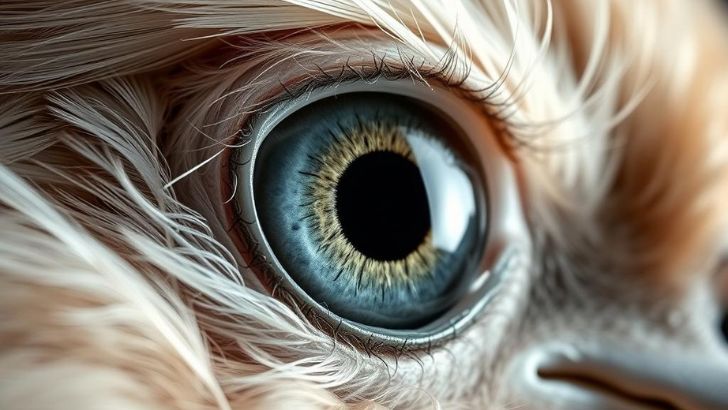
Knowing when to seek specialized veterinary care for bird eye infections is crucial. Bird owners should be attentive to signs that extend beyond general health concerns and indicate a more complex issue.
Identifying Complex Cases
Severe symptoms, such as intense swelling, significant discharge, or visible damage to the eye structure, are indicative of complex cases that warrant specialized attention. Prompt identification of these signs is paramount for initiating effective treatment.
Several key indicators suggest that a bird may require the expertise of a specialist:
- Persistent or worsening symptoms despite initial home or general veterinary treatment.
- Observable structural damage to the eye itself.
- Evidence of severe pain or discomfort, as suggested by significant behavioral changes.
Avian health experts emphasize that “Early intervention by a specialist can prevent long-term damage and improve outcomes for birds with severe eye infections.”
“The role of an avian specialist is not just to treat the infection but to address any underlying conditions that may be contributing to the bird´s health issues.” — Dr. Jane Smith, Avian Ophthalmologist
Benefits of Specialist Care
Engaging the services of an avian specialist offers numerous advantages. This includes access to advanced diagnostic tools and the development of treatment plans specifically tailored to the individual needs of the bird.
| Benefit | Description |
|---|---|
| Advanced Diagnostic Tools | Specialists have access to the latest technology for diagnosing complex eye conditions. |
| Tailored Treatment Plans | Treatments are customized based on the specific condition and needs of the bird. |
| Expert Knowledge | Avian specialists have in-depth knowledge ofbird eye healthand the latest treatment options. |
How to Find a Qualified Avian Vet
Identifying a qualified avian veterinarian requires diligent research. It is advisable to seek referrals from fellow bird owners or consult professional avian veterinary associations for recommendations.
When consulting with a potential avian vet, it is pertinent to ask the following key questions:
- What is your experience level with avian eye infections?
- What diagnostic tools and treatment options do you offer for such conditions?
- Can you provide references or testimonials from previous clients?
Long-term Effects of Untreated Eye Infections
Untreated bird eye infections can have very serious consequences, potentially impacting not only the affected eye but the bird´s overall health and well-being. If left unaddressed, these infections can lead to lasting damage, significantly influencing the bird´s quality of life and its behavioral patterns.
Potential Complications and Risks
Failure to treat avian eye diseases can result in severe complications and risks. These include:
- Permanent vision loss or impairment.
- Chronic pain and discomfort.
- The potential spread of infection to other parts of the body.
- An increased susceptibility to other diseases.
These complications can detrimentally affect both the physical and psychological health of the bird. Birds suffering from untreated eye infections may exhibit signs of stress and anxiety, which can exacerbate their condition.
Impact on Bird Behavior and Quality of Life
A bird´s ocular health is fundamental to its overall happiness and well-being. Untreated eye infections can manifest in significant changes in a bird´s behavior, including:
- Reduced levels of activity.
- Alterations in feeding habits.
- Increased irritability or aggression.
- Withdrawal from social interactions.
Understanding the long-term implications of untreated bird eye infections is vital for bird owners, enabling them to take prompt action to secure the necessary care for their pets. This proactive approach helps prevent complications and ensures the bird remains healthy and content.
FAQs About Bird Eye Infections
Gaining a comprehensive understanding of bird eye infections can present challenges. This section addresses some frequently asked questions to assist bird owners in managing concerns about their birds´ eye health.
Common Questions Owners Ask
Bird owners commonly inquire about the symptoms indicative of eye infections. Typical signs include redness, swelling, and discharge. Birds may also squint or exhibit lethargy. A loss of appetite can also be a symptom.
- What are the causes of bird eye infections?
- How are eye infections in birds diagnosed?
- What treatment options are available?
We aim to provide clear answers to these questions, emphasizing that early detection and appropriate care are paramount for your bird´s health.
Clarifying Misconceptions
Several myths circulate regarding bird eye infections. One common misconception is that eye infections are minor and will resolve on their own. However, untreated infections can escalate into serious problems, including irreversible vision loss and, in severe cases, even mortality.
Another prevalent myth suggests that all eye infections are bacterial in origin. While bacterial infections are common, viral and fungal infections can also affect birds´ eyes.
Resources for Further Information
For additional information on bird eye infections, consulting with an avian veterinarian is highly recommended. They can provide personalized advice and tailored care for your specific bird.
Numerous reputable online resources and avian health groups also offer extensive information on bird health and eye care practices.
Conclusion: Keeping Your Bird´s Eyes Healthy
Ensuring the ongoing health of your bird´s eyes is fundamental to its overall well-being. Familiarity with the signs, causes, and available treatments for eye infections is crucial for protecting their vision and taking proactive steps to maintain their ocular health.
Regular veterinary check-ups, the provision of a balanced diet, and the maintenance of a clean living environment are all critical components of effective bird eye care. Thanks to significant advancements in avian ophthalmology, a wide array of effective treatments are now available for bird eye infections.
Maintaining Optimal Eye Health
To safeguard the ocular health of our birds, meticulous attention to detail is required. This includes providing a nutritious diet, minimizing stress, and seeking professional veterinary assistance whenever necessary.
Proactive Measures for Bird Owners
Understanding the potential risks and taking decisive action can effectively prevent eye infections in birds. Owners should maintain vigilant observation of their birds, ensure impeccable hygiene in their living spaces, and seek veterinary care promptly if any concerns arise.
By prioritizing avian eye health, we can significantly enhance the quality of life for our birds, ensuring they remain happy, healthy, and possess excellent vision.
FAQ
What are the common symptoms of a bird eye infection?
Common symptoms include redness, swelling, and discharge. Birds may also squint or display lethargy. A loss of appetite is another potential indicator.
How are bird eye infections diagnosed?
A veterinarian will conduct a thorough examination of your bird. Diagnostic tests, such as cultures or cytology, may be performed to determine the underlying cause.
What causes bird eye infections?
Bird eye infections can be caused by bacteria, viruses, or environmental factors. Trauma to the eye is also a significant contributing factor.
Can bird eye infections be treated at home?
Mild cases may potentially be managed at home with appropriate care. However, most infections necessitate professional veterinary intervention, which may include the administration of antibiotics or antivirals.
How can I prevent bird eye infections?
Maintaining a clean living environment for your bird is essential. Providing a balanced diet and ensuring regular veterinary visits are key preventive measures. Vaccinations can also offer protection against certain infections.
Are some bird species more prone to eye infections than others?
Yes, certain bird species are inherently more susceptible to eye infections due to their specific anatomy or environmental living conditions. Birds with larger eyes or those residing in dusty environments are at a higher risk.
What is the role of nutrition in preventing bird eye infections?
A nutritious diet plays a crucial role in maintaining good eye health. Nutrients such as vitamin A are vital for preserving sharp vision and preventing infections.
When should I consult an avian specialist for my bird´s eye infection?
You should seek the advice of an avian specialist if your bird´s condition does not improve with initial treatment or if the infection is severe. Specialists can provide more advanced diagnostic and therapeutic care.
What are the long-term effects of untreated bird eye infections?
Untreated bird eye infections can lead to vision loss and chronic discomfort. They can also increase the bird´s susceptibility to other infections, significantly diminishing its quality of life.
How can I find a qualified avian veterinarian?
Look for veterinarians with demonstrable experience in avian medicine. Checking for relevant certifications is important. Seeking recommendations from other bird owners can also help in finding a suitable veterinarian.