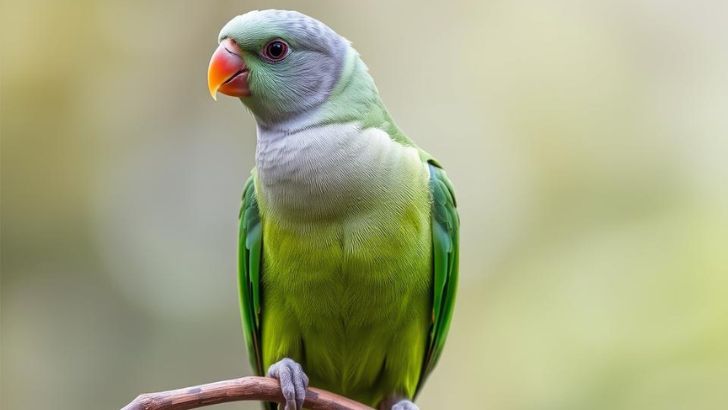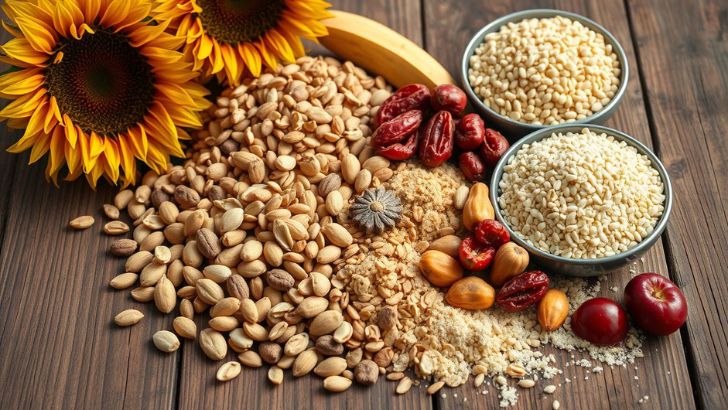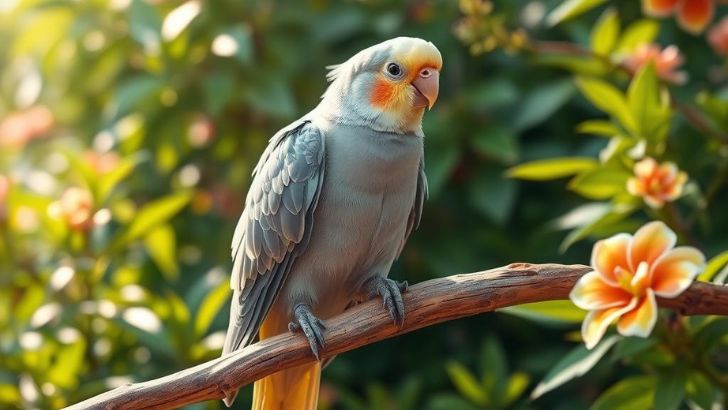

As bird owners, we prioritize the health and well-being of our avian companions. Beak overgrowth is a condition that can cause significant discomfort and health issues. Comprehensive knowledge of the causes, symptoms, and treatment options is vital for providing optimal care.
Maintaining the health of a bird´s beak is crucial for preventing and managing beak-related issues. Early identification of health concerns allows for prompt intervention, preventing the escalation of problems.
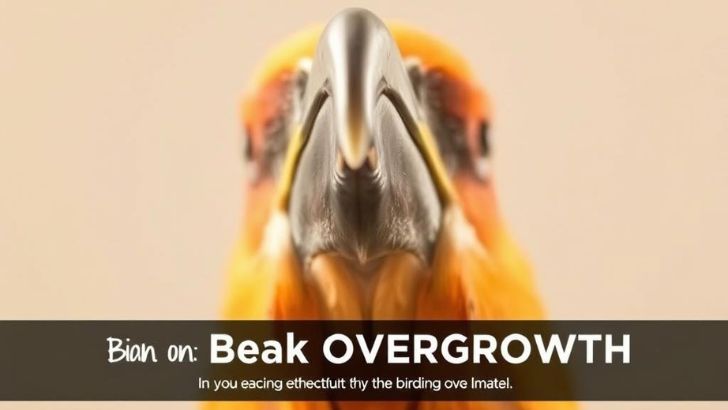
Understanding Bird Beak Overgrowth
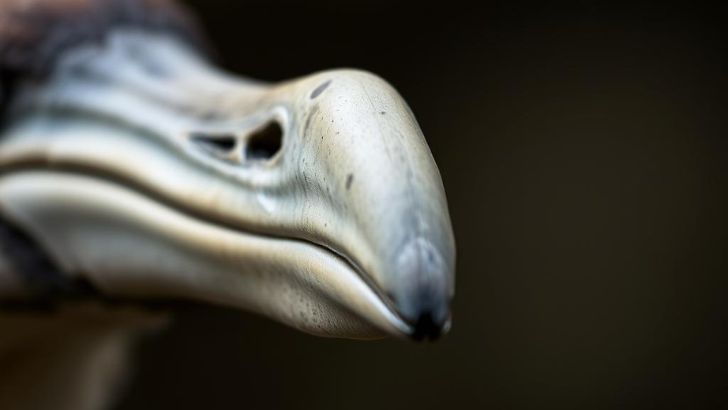
Understanding Bird Beak Overgrowth is essential for bird owners. Beak overgrowth can significantly impair a bird´s quality of life.
What is Beak Overgrowth?
Beak overgrowth occurs when a bird´s beak becomes excessively long. This condition can impede eating, preening, and routine activities. Nutritional deficiencies, genetic factors, and environmental influences can contribute to this issue.
Nutritional deficiencies play a significant role in beak health. A diet lacking essential nutrients can foster beak overgrowth, emphasizing the need for careful dietary management by bird owners.
Why is it a Concern for Bird Owners?
Beak overgrowth poses a serious concern for bird owners. It can cause pain, hinder eating, and increase the risk of infections.
Understanding the signs and causes of beak overgrowth empowers us to maintain our birds´ health. This awareness enables us to take proactive measures for their well-being.
Common Causes of Beak Overgrowth

Multiple factors, including diet, genetics, and environment, can contribute to beak overgrowth. Knowledge of these causes is crucial for bird owners to maintain their pets´ health.
Nutritional Deficiencies
An inadequate diet can adversely affect a bird´s beak health. Nutritional deficiencies can lead to abnormal beak growth or overgrowth. It is essential to provide a diet rich in necessary vitamins and minerals for birds.
Insufficient intake of calcium and vitamin D3 can negatively impact beak health. A balanced diet plays a vital role in preventing this problem.
Genetic Factors
Some birds are genetically predisposed to beak problems. Breeders should be aware of this to minimize any exacerbation.
Birds with a family history of beak issues may experience excessive beak growth. Understanding your bird´s genetic background can improve care practices.
Environmental Influences
Environmental factors also affect beak health. Providing appropriate items for beak trimming, like cuttlebones, is essential. Without these, birds may experience excessive beak growth.
Cage size and the availability of enriching activities also matter. A suitable environment supports healthy beak maintenance.
Understanding the causes of beak overgrowth enables bird owners to take preventative measures. Regular check-ups, a balanced diet, and a stimulating environment are fundamental for beak health.
Symptoms of Beak Overgrowth
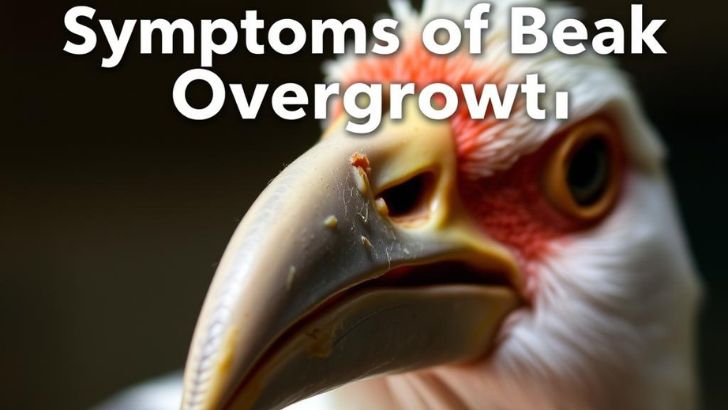
Beak overgrowth impacts a bird´s appearance, behavior, and overall health. Early detection of these symptoms is critical for effective intervention.
Visual Signs
Indications include an elongated or malformed beak.
The beak may also exhibit cracks or breaks, worsening the condition. Regular inspection of birds´ beaks is crucial to identify any signs of overgrowth.
Behavioral Changes
Beak overgrowth can alter a bird´s behavior. Difficulties with eating or grooming can affect both the bird and the owner. These behavioral changes may be the initial sign of an underlying problem.
Birds with overgrown beaks may display frustration or stress, impeding typical beak-related activities. Immediate veterinary attention is required upon observing these signs.
Impact on Eating Habits
Beak overgrowth can disrupt a bird´s eating patterns. An elongated beak makes it challenging to consume seeds and nuts, potentially leading to malnutrition.
Addressing beak overgrowth enhances a bird´s life and well-being. Awareness of symptoms permits timely intervention to prevent further complications.
Diagnosis of Beak Overgrowth
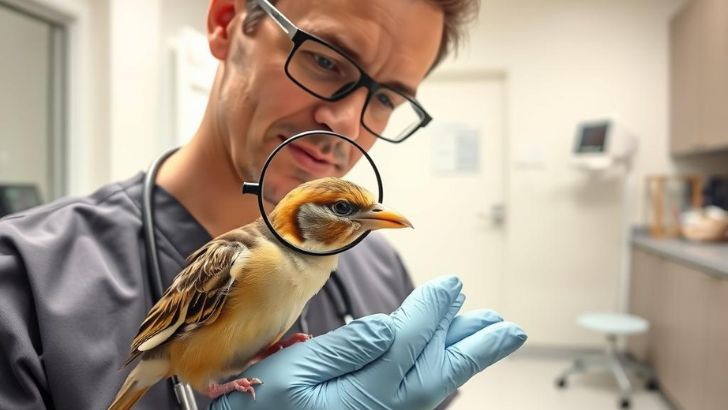
Diagnosing beak overgrowth begins with a thorough examination by an avian veterinarian. This initial assessment is crucial for determining the severity of the condition and its potential causes.
Veterinary Examination
A comprehensive veterinary assessment is the primary step in diagnosing beak overgrowth. The avian veterinarian will evaluate the bird´s health and beak condition, looking for indications of excessive growth, misalignment, or other irregularities.
The vet will collect information about the bird´s medical history, diet, and living environment. This helps determine the underlying cause of beak overgrowth, such as nutritional deficiencies or sub-optimal environmental conditions.
Diagnostic Tools Used
To accurately diagnose beak overgrowth and its underlying causes, the veterinarian might utilize diagnostic tools. X-rays may be employed to visualize the internal structure of the beak and identify potential issues or damage.
In certain instances, blood tests might be ordered to evaluate for nutritional inadequacies or other health problems that contribute to beak overgrowth. Combining the findings from the physical examination and diagnostic tests guides the development of a personalized treatment plan tailored to the bird´s needs.
Collaborating with an avian veterinarian is essential for addressing any health concerns, including beak overgrowth. With appropriate diagnosis and care, we can facilitate our birds´ recovery and maintain their overall health.
Treatment Options for Beak Overgrowth
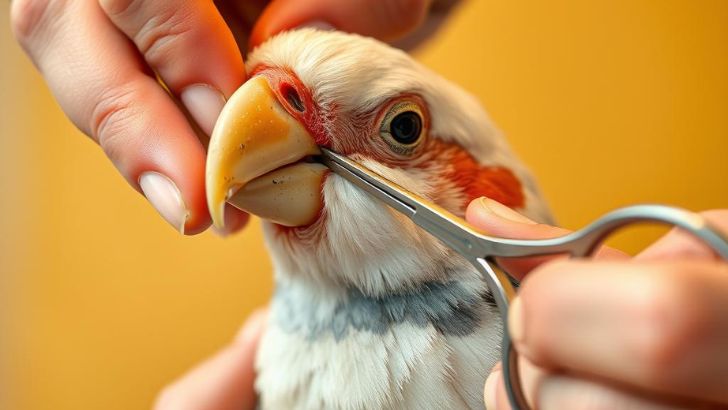
Managing beak overgrowth requires a multifaceted approach that considers both the underlying cause and the severity of the condition. Treatments can range from dietary adjustments and medical interventions to surgical procedures.
Discover more about bird health and care: how to trim bird nails, bird eye infection, best seeds for birds
Nutritional Adjustments
Dietary imbalances often contribute to beak overgrowth. Correcting these, therefore, begins with modifying the bird´s diet to guarantee sufficient nutritional intake. Foods rich in vitamins and minerals, such as vitamin D3 and calcium, support healthy beak maintenance.
Supplementing the bird´s diet with specialized products may be considered; however, veterinary consultation is recommended before implementing such measures. This ensures the formulation of a suitable dietary plan for the bird.
Medical Interventions
If dietary adjustments are insufficient, medical interventions may be necessary. This can include beak trimming, which should be performed by a qualified professional to avoid harm.
Beak trimming offers immediate relief by reducing the beak´s length and restoring a more normal shape. Concurrently, any underlying health conditions that are contributing to beak overgrowth may be treated.
Surgical Solutions
In severe cases, surgical intervention may be the most effective approach. Surgery can address beak deformities when other methods fail and provides relief from significant discomfort or concurrent health problems.
Consulting with a veterinarian is crucial prior to any treatment decision. They can evaluate the bird´s condition and suggest the most suitable form of intervention.
| Treatment Option | Description | Benefits |
|---|---|---|
| Nutritional Adjustments | Changing the bird’s diet to address nutritional deficiencies. | Promotes healthy beak growth, addresses underlying causes. |
| Medical Interventions | Procedures such as beak trimming and treating underlying health issues. | Provides immediate relief, can address related health issues. |
| Surgical Solutions | Surgical beak trimming or correction for severe cases. | Effective for severe overgrowth, can improve quality of life. |
Working closely with a veterinarian is vital to identify the most effective treatment plan for birds with beak overgrowth. Each bird´s needs are unique, so a personalized approach is best.
Preventing Beak Overgrowth
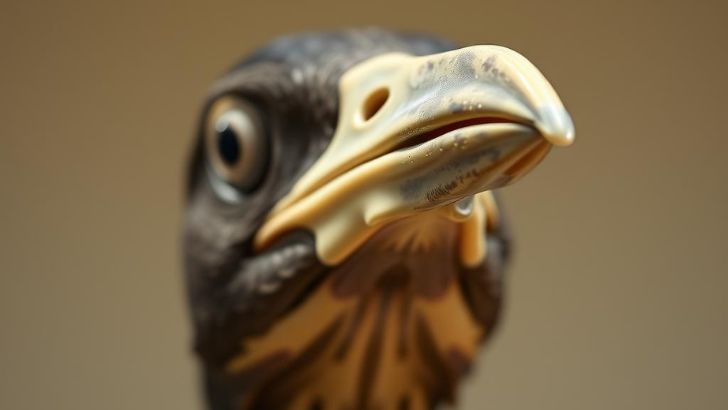
Preventing beak overgrowth involves proactive measures to maintain the health of our birds´ beaks. These strategies include providing appropriate nutrition and a stimulating environment.
Proper Nutrition Guidelines
A balanced diet is fundamental for preventing beak overgrowth. Birds require a combination of vitamins and minerals. Offering a variety of fruits, vegetables, and high-quality pellets is essential. Foods rich in calcium and vitamin D3 are particularly beneficial for beak and bone health.
Experts emphasize that a nutrient-rich diet is vital for maintaining beak health.
“A balanced diet that includes a mix of nutrients is essential for maintaining the health and integrity of a bird´s beak.”
Nutrient deficiencies can result in beak overgrowth and various health problems.
Environmental Enrichment Strategies
Environmental enrichment is equally essential. Providing a stimulating environment supports healthy beak maintenance. Utilizing toys and chewable items made from safe materials fosters natural beak wear.
- Providing cuttlebones or mineral blocks for beak trimming
- Offering wooden toys that encourage chewing
- Rotating toys regularly to maintain environmental stimulation
Integrating effective nutrition with a stimulating environment facilitates beak overgrowth prevention. Regular monitoring and adjustments to care plans promote the health and happiness of our birds.
The Role of Bird Grooming
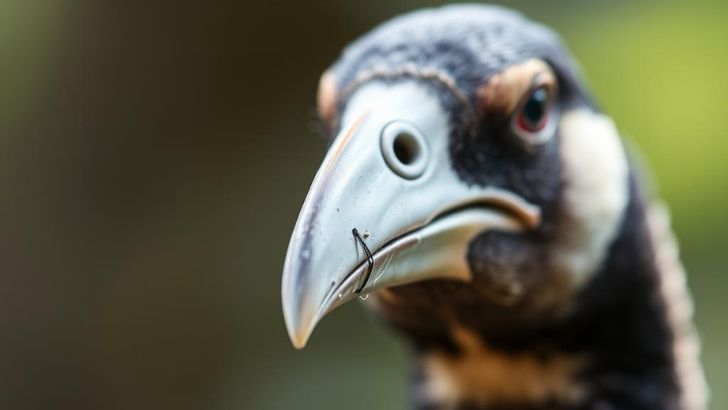
Grooming is integral to the health of pet birds, especially when it comes to their beaks. Regular grooming not only enhances a bird´s appearance but also mitigates the health risks associated with conditions like beak overgrowth.
Gaining knowledge of beak care and grooming methods significantly enhances our birds´ well-being. This includes learning proper bird beak trimming techniques, which are crucial for maintaining beak health.
Importance of Beak Maintenance
Beak maintenance is crucial because a bird´s beak is used for eating, preening, climbing, and defending. An overgrown or misshapen beak can impede these activities, leading to health issues and affecting the bird´s quality of life.
Consistent beak care helps to prevent these issues by monitoring the beak´s condition and administering trimming as needed. This routine maintains the beak in optimal condition, facilitating the early identification of any potential health risks.
Grooming Techniques We Can Use
Multiple grooming techniques can be used by bird owners to maintain their bird´s beak health. Bird beak trimming is a particularly effective method. It needs to be done with precision, ideally under professional supervision, to avoid causing distress or injury to the bird.
Additional grooming methods involve providing a balanced diet that encourages beak health and offering toys and activities that stimulate natural beak wear through play and foraging.
| Grooming Technique | Description | Benefits |
|---|---|---|
| Beak Trimming | Careful trimming of the beak to prevent overgrowth. | Prevents beak malformation, supports eating and preening. |
| Balanced Diet | Providing a nutrient-rich diet that includes foods beneficial for beak health. | Supports overall beak health, prevents deficiencies. |
| Toys and Activities | Offering a variety of toys that help naturally trim the beak. | Encourages natural beak wear, reduces stress. |
Implementing these grooming techniques within our bird care routine will significantly improve our birds´ health and welfare. Regular grooming also serves as a valuable opportunity to strengthen the bond with our birds.
Regular Veterinary Check-ups
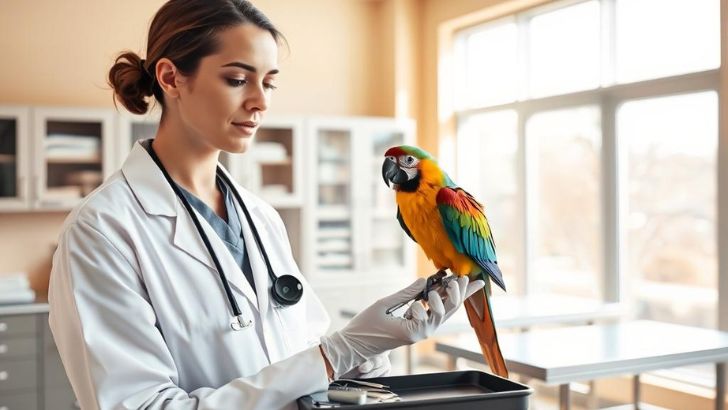
Regular vet visits are vital for preserving our birds´ health. Working with an avian vet ensures our birds get the care they need to remain healthy.
Routine Care Recommendations
Maintaining the health of birds begins with consistent care, which involves regular veterinary visits to discuss diet, environment, and health evaluations.
- Annual check-ups for healthy birds
- Semi-annual check-ups for birds with pre-existing conditions
- Monitoring for signs of illness or stress
When to See a Veterinarian
It is essential to recognize indicators necessitating veterinary attention. Upon observing any unusual behavior or indications of illness, immediate consultation with an avian vet is advised.
Key signs that require immediate veterinary attention include:
- Changes in appetite or water intake
- Visible signs of injury or illness
- Changes in droppings or urination
| Signs to Monitor | Action Required |
|---|---|
| Changes in beak or feather condition | Schedule a veterinary check-up within a week |
| Visible signs of illness or injury | Seek immediate veterinary care |
| Changes in behavior or appetite | Monitor closely and consult a veterinarian if changes persist |
Understanding the Impact on Quality of Life
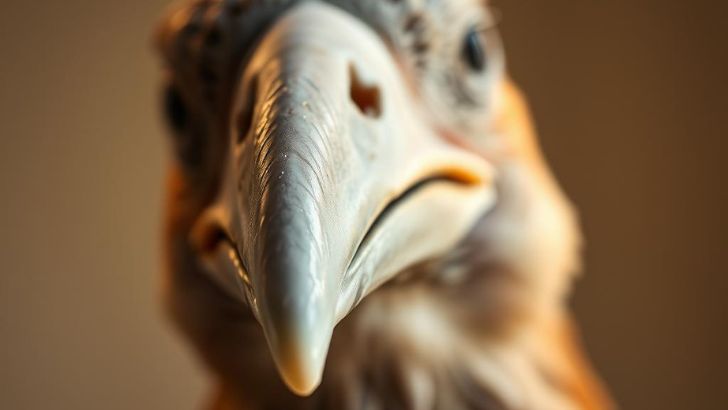
Comprehending the effects of beak overgrowth on a bird´s quality of life is imperative. This condition considerably impacts a bird´s health and behavior.
Physical Health Consequences
Beak overgrowth can lead to substantial health problems. Birds with overgrown beaks may struggle to eat because the beak´s excessive size or improper shape prevents efficient feeding.
This can lead to malnutrition and other health issues. Additionally, an overgrown beak can induce pain or cause impairment. This can alter how a bird acts.
Specific physical health issues linked to beak overgrowth:
- Malnutrition because of eating difficulties
- Pain or discomfort caused by the unruly beak
- Secondary health problems from malnutrition or pain
Effects on Behavior and Mood
Beak overgrowth can also affect a bird´s mood and behavior. Birds with this issue may feel anxious, stressed, or even depressed. Feather plucking or excessive vocalization can indicate these concerns.
It is important to diligently monitor our birds´ behavior and seek veterinary guidance upon detecting any stress or discomfort related to beak overgrowth.
Specific Bird Species Susceptible to Overgrowth
Beak overgrowth affects varying bird species diversely. The degree of affliction depends on factors like genetics, diet, and environmental conditions. Familiarizing ourselves with the most susceptible species allows for informed care practices.
Parrots
Parrots often struggle with beak overgrowth. Their beaks grow continuously due to keratin composition. Without proper care, these beaks can grow excessively.
Canaries
Canaries, famous for their singing, may also develop beak overgrowth, requiring regular beak trimming to sustain healthy eating and vocal performance.
Other Pet Birds
Finches and budgies may be susceptible to beak overgrowth. It can be attributed to poor diet or inadequate beak care.
| Bird Species | Susceptibility to Beak Overgrowth | Common Causes |
|---|---|---|
| Parrots | High | Genetics, Diet |
| Canaries | Moderate | Lack of Beak Trimming, Nutritional Deficiencies |
| Finches | Moderate | Diet, Environmental Factors |
Understanding the unique requirements of each species empowers bird owners to prevent beak overgrowth and enhance their birds´ health and overall welfare.
Sharing Our Experiences
Our accumulated knowledge about bird beak overgrowth has provided ample insight. Sharing case studies and lessons learned enhances our comprehension of the condition and enables more effective management.
Case Studies of Beak Overgrowth
Numerous case studies have depicted the difficulties of beak overgrowth. For example, a parrot with a severely hypertrophied beak needed a complete treatment plan that consisted of dietary adaptations and consistent beak trimming. Effective handling of beak overgrowth requires attention to both physical and nutritional factors.
In another case, beak overgrowth in a canary was managed through the use of appropriate beak care measures, including a balanced diet and access to chewing materials, both of which promoted natural beak trimming.
Lessons Learned from Bird Owners
Bird owners who have addressed beak overgrowth have shared valuable insights. Emphasizing early detection is a key point to prevent complications. Consistent monitoring of a bird´s beak condition enables us to prevent overgrowth and the resulting problems.
Another important lesson highlights the necessity of using a comprehensive approach to manage beak overgrowth, combining medical interventions, environmental modifications, and dietary adjustments. Through peer learning, we can refine our pet care strategies to improve the quality of our birds´ lives.
Resources for Bird Owners
Having access to quality resources is critical when caring for birds experiencing beak overgrowth. Resources aid our comprehension of best practices to ensure optimum care.
Valuable Information Sources
Books and articles focused on bird health are invaluable sources of knowledge. These resources cover nutrition, behaviour, and health management, helping us to broaden our understanding of bird health and make beneficial choices for our friends.
Support from Avian Welfare Organizations
Avian welfare organizations provide critical assistance to bird owners. They offer guidance on bird care, facilitate connections with avian veterinarians, and advocate for bird welfare. Engaging with these groups strengthens our knowledge and guarantees our birds get the proper care.
FAQ
What is beak overgrowth in birds?
Beak overgrowth occurs when a bird´s beak grows beyond its typical length. This can impair eating and other daily functions. Understanding the causes, signs, and treatment allows for effective management.
What are the common causes of beak overgrowth?
Several factors can cause a bird´s beak to grow excessively. These factors include incorrect nutrition, genetic predisposition, and environmental conditions. Providing appropriate nutrition and undertaking beak trimming can mitigate this issue.
How is beak overgrowth diagnosed?
A veterinarian must assess a bird´s beak to determine the presence of overgrowth. Special tools assist in evaluating the extent of the issue and underlying causes. Seeking expert guidance is essential for ensuring the bird receives suitable care.
What are the treatment options for beak overgrowth?
Treatment approaches for beak overgrowth fluctuate based on the origin and severity of the condition. Consulting with a veterinarian to investigate potential dietary adjustments, medical interventions, or surgical options ensures the selection of the most effective course of action.
How can we prevent beak overgrowth?
Keeping our birds´ beaks healthy is a fundamental goal. Adhering to a nutritious diet, providing enriching activities, and ensuring regular veterinary check-ups contribute towards beak overgrowth prevention.
Why are regular veterinary check-ups important for bird health?
Veterinary check-ups serve a crucial role is detecting potential health concerns in their early stages. Working with an avian vet ensures optimal care and allows for timely attention to any health issues.
How does beak overgrowth affect a bird´s quality of life?
Beak overgrowth can dramatically affect a bird´s lifestyle, affecting both their health and behaviour. Comprehension of these effects is crucial for implementing measures to ensure the well-being of our birds.
Are certain bird species more susceptible to beak overgrowth?
Yes, certain species like parrots and canaries, show a greater predisposition to beak overgrowth. Genomic factors, diet, and environment influence outcomes. Recognising the distinct needs of each species is crucial for suitable care.
What resources are available for bird owners dealing with beak overgrowth?
Various resources are available for bird owners grappling with beak overgrowth. Articles, books, and organizations focusing on avian health provide assistance in the provision of improved bird care.