
As pet owners, we understand the challenges of cat constipation. It can cause discomfort and potentially lead to more serious health concerns. We will explore effective treatments to improve your pet´s well-being.
The focus is on proven remedies that are both safe and effective. Understanding the causes of constipation and utilizing the correct treatment can greatly aid in managing the condition. Maintaining the health of our pets is vital, and addressing constipation is an important aspect of their care.
Understanding Cat Constipation: Symptoms and Causes
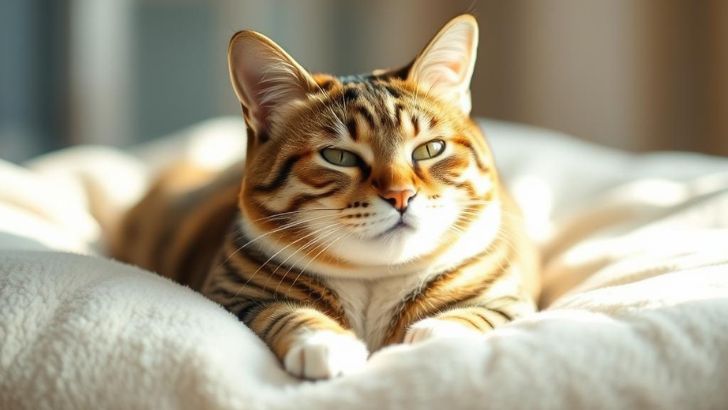
It is essential to recognize the symptoms and causes of cat constipation to support their health and comfort. Constipation in cats is characterized by difficulty during bowel movements. If left untreated, it can lead to pain and other health problems.
Common Symptoms of Constipation in Cats
Identifying the signs of constipation is the first step in assisting your cat. Common indicators include:
- Infrequent bowel movements
- Straining during defecation
- Passing small, hard stools
- Lack of appetite
- Vomiting
If these symptoms are observed, assess your cat´s diet, water intake, and overall health to identify the underlying cause.
Potential Causes of Feline Constipation
Knowing the causes of constipation is crucial for effective treatment. Common causes include:
| Cause | Description |
|---|---|
| Dehydration | Insufficient water intake leads to hard and dry stools. |
| Dietary Issues | Eating foods low in fiber or having food allergies can cause constipation. |
| Underlying Medical Conditions | Conditions like kidney disease, diabetes, or arthritis can also lead to constipation. |
By identifying these causes, cat owners can implement preventive measures to maintain their pets´ health and happiness.
Home Remedies for Cat Constipation
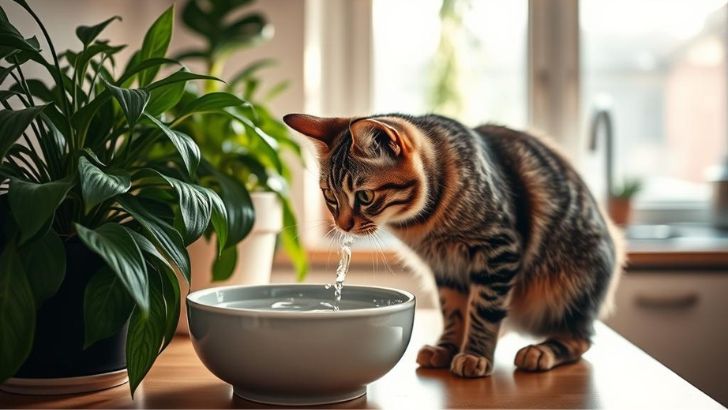
Home remedies provide a gentle approach to managing cat constipation, offering a beneficial option for owners who prefer less invasive methods.
Increasing Fiber Intake
Adding fiber to your cat´s diet presents a straightforward solution. High-fiber foods or supplements can soften and bulk up the stool, facilitating easier passage. You can incorporate psyllium into their meals.
| Food | Fiber Content | Benefits |
|---|---|---|
| Canned Pumpkin | High | Helps soften stool |
| Psyllium Husk | Very High | Bulk up stool |
| Green Beans | Moderate | Easy to digest |
Hydration Hacks for Cats
Maintaining your cat´s hydration is important for preventing and treating constipation. Encourage water consumption via water fountains or by adding a small amount of low-sodium chicken broth to their food.
Benefits of Pumpkin for Digestive Health
Pumpkin acts as a natural laxative for cats. Its high fiber and moisture content make it a beneficial remedy. Canned pumpkin can be given as a treat or added to their regular meals.
- Rich in fiber and moisture
- Helps soften and bulk up stool
- Easy to incorporate into their diet
Dietary Changes to Alleviate Constipation

Altering your cat´s diet plays a key role in managing constipation. The right food can greatly improve their digestive well-being. We will review the best foods for constipated cats and what to avoid.
See other common cat health problems: cat dental care, cat feeding schedule, homemade cat food
Best Foods for Constipated Cats
Selecting the right food is essential for managing constipation. Foods rich in fiber and moisture are ideal. High-fiber foods support regular bowel movements. Moisture-rich foods soften the stool, promoting easier elimination. Some top choices include:
- Canned cat food, because it has more moisture than dry food.
- Foods with psyllium, a natural fiber supporting better digestive health.
- Special diets for cats having sensitive stomachs or digestive issues.
Avoiding Certain Ingredients
Knowing which foods to avoid is just as important as knowing what to feed. Certain ingredients can worsen constipation. Avoid foods low in moisture and high in fillers or by-products, as they can be difficult to digest.
Ingredients to watch out for include:
- Low-quality fillers that have minimal nutritional value.
- By-products that are hard for cats to digest.
- Foods with artificial preservatives, colors, or flavors.
When to Consult a Veterinarian
It´s important to know when to take your cat to the vet for constipation. Home remedies and dietary adjustments can be helpful, but, at times, professional veterinary care is necessary to maintain your cat´s health and comfort.
Signs That Require Immediate Attention
Certain symptoms require immediate veterinary attention:
- Severe constipation persisting for multiple days
- Vomiting or loss of appetite
- Blood in the stool or vomit
- Lethargy or depression
- Straining to defecate or showing signs of pain
If any of these signs are observed, seek immediate veterinary care. A vet can assess potential underlying health issues contributing to the constipation.
Importance of Professional Diagnosis
A vet can determine the cause of your cat´s constipation. This involves a physical examination, a review of the cat´s medical history, and potentially tests such as X-rays or blood work.
An accurate diagnosis results in more effective treatment. Identifying the root cause allows the veterinarian to develop a treatment plan, which may encompass dietary adjustments, medications, or other treatment approaches.
Seeking veterinary care when needed is beneficial. It ensures your cat receives the right cat constipation solutions and how to treat cat constipation guidance, and this helps to prevent complications and maintains your cat´s well-being.
Over-the-Counter Treatments for Cats

For cat owners seeking immediate relief, over-the-counter treatments provide a convenient option. These products are readily available and can be very effective when used correctly.
Popular Cat Laxatives and Their Uses
Several over-the-counter laxatives are available for cats. Lactulose is often recommended because it draws water into the colon, softening the stool. Petroleum jelly helps by lubricating the stool. However, always consult a vet before administering any laxative to determine the correct dosage and potential side effects.
A vet stated, “Laxatives should be used carefully and with a vet´s advice to prevent problems.” This reflects the importance of seeking veterinary advice when using OTC treatments for cat constipation.
Safe Dosages and Precautions
Adhering to dosage instructions for over-the-counter treatments is important to prevent complications. Overuse of lactulose can cause diarrhea, stomach pain, and gas. Monitor your cat´s response to any treatment and adjust as needed, under the guidance of your vet.
- Always consult with a veterinarian before starting any new treatment.
- Follow the recommended dosage instructions precisely.
- Monitor your cat´s condition and report any changes or concerns to your veterinarian.
By using over-the-counter treatments responsibly and with veterinary guidance, cat owners can help their pets feel better. Knowledge of the risks and benefits helps in making informed decisions for your cat´s health.
Natural Supplements That Help Relieve Constipation

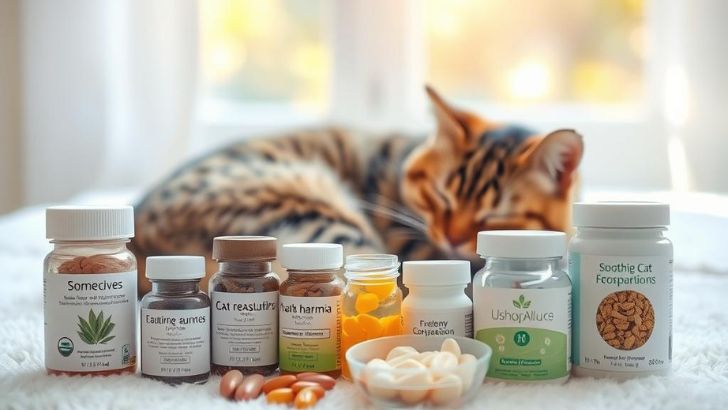
Natural supplements are a good option for cats with constipation. They can support digestive health and offer relief from constipation.
Probiotics for Feline Digestive Health
Probiotics are beneficial bacteria and yeasts that promote a healthy digestive system in cats. They maintain a balanced gut flora, which is key to their health. Probiotics can aid with constipation by enhancing digestion and improving stool quality.
Other Effective Natural Remedies
Additional natural remedies for cat constipation include:
- Psyllium Husk: This is a fiber supplement that facilitates regular bowel movements.
- Omega-3 Fatty Acids: Aids in reducing inflammation and supports overall health.
| Supplement | Benefits | Precautions |
|---|---|---|
| Probiotics | Enhances digestion, improves stool quality | Ensure the product is specific for cats |
| Psyllium Husk | Promotes regular bowel movements | Start slowly to avoid stomach upset |
| Omega-3 Fatty Acids | Reduces inflammation, promotes overall health | Check with a vet before adding to your cat’s diet |
Natural supplements can be a useful addition to your cat’s constipation management. Always consult a veterinarian before administering new supplements, ensuring their safety and their appropriateness for your pet.
Lifestyle Tips to Prevent Future Issues

A well-structured lifestyle can help prevent constipation in cats. Simple adjustments to your cat´s daily routine can improve their digestive health.
Regular Play and Activity
Regular playtime is essential to your cat´s overall health, including their digestive function. Activity stimulates bowel movements, decreasing the risk of constipation. Utilizing laser pointers or feather toys can be effective.
A leading vet states, “Exercise keeps cats healthy and improves digestion.”
“A sedentary lifestyle can lead to a range of health issues, including constipation.”
Establishing a Routine for Bathroom Breaks
A regular bathroom routine supports prevention of constipation. Cats appreciate predictability, which aids in regular bowel movements. Ensure your cat uses the litter box at consistent times daily.
- Encourage your cat to drink more water to help soften stool.
- Provide a balanced diet rich in fiber to promote healthy digestion.
- Ensure your cat gets enough physical activity to stimulate bowel movements.
By implementing these lifestyle recommendations, you can help prevent constipation, thus supporting your cat’s overall health and well-being.
The Role of Hydration in Cat Digestion
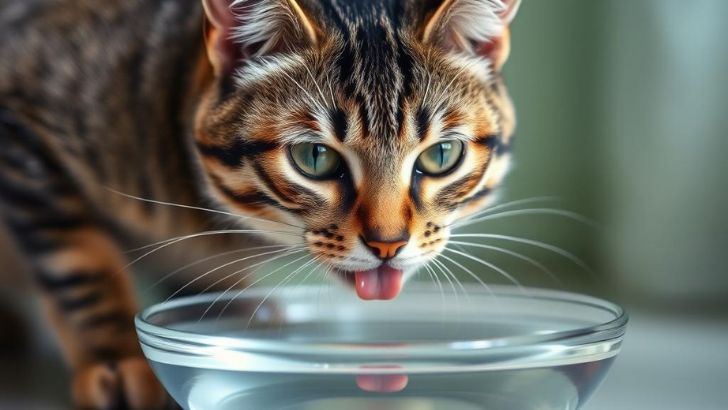
Water is vital for a cat´s digestive health. It is important to ensure adequate water intake. Sufficient water intake helps prevent constipation by softening the stool, making elimination easier.
Dehydration can result in dry, hard stool, making it difficult and painful for cats to pass.
How Much Water Should Your Cat Drink?
A cat´s water requirements vary based on diet, age, and activity levels. Generally, cats require 2-4 ounces of water for every 5 pounds of body weight each day.
Cats consuming dry food may require increased water intake, as dry food contains less moisture compared to wet food.
Monitor your cat’s water intake and health to determine if they are properly hydrated. Indicators of good hydration include:
- Moist gums
- Elastic skin
- A healthy, shiny coat
Encouraging Hydration: Tips and Tricks
There are multiple ways to increase your cat´s water consumption:
- Multiple Water Sources: Provide water bowls in various locations throughout the house.
- Water Fountains: Cats are attracted to flowing water, so a fountain might stimulate interest.
- Wet Food Diet: Adding wet food to their diet can increase their moisture intake.
- Flavored Water: Adding a small amount of low-sodium chicken broth to the water can make it more appealing.
Employing these strategies can help increase your cat´s hydration, which reduces the risk of constipation and enhances their digestive well-being. For cats with constipation, these strategies are a key part of cat constipation treatment options plan. Maintaining your cat´s hydration is a simple yet effective cat constipation solution that can improve their quality of life.
Using Grooming to Help with Constipation
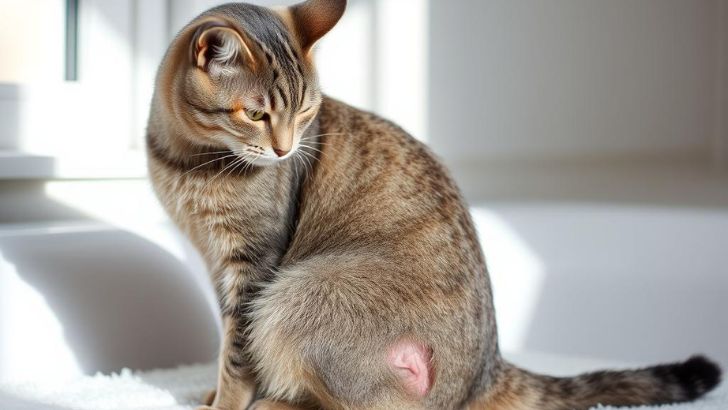
Grooming is often overlooked, although it offers a beneficial way to manage cat constipation. Regular grooming not only enhances your cat´s coat appearance but also supports their digestive health.
Reducing Stress through Brushing
Brushing your cat regularly can reduce stress. Stress reduction is vital because stress can decrease your cat´s digestive system function. This can lead to constipation. Grooming helps your cat relax while improving their digestion.
Furballs and Constipation
Furballs are commonly found in cats, especially those with long hair. During grooming, cats ingest loose hair. This hair can accumulate in the stomach, leading to furballs. Furballs can block the passage of food through the digestive system, resulting in constipation. Regular brushing reduces the amount of loose hair your cat swallows, lowering the likelihood of furballs.
To better understand the link between grooming, furballs, and constipation, consult this table:
| Grooming Frequency | Furball Risk | Constipation Risk |
|---|---|---|
| Daily | Low | Low |
| Weekly | Moderate | Moderate |
| Rarely | High | High |
The table demonstrates that regular grooming significantly lowers the risk of furballs and constipation. By integrating grooming into your cat´s daily routine, you can promote their digestive health and overall well-being.
“Regular grooming is not just about keeping your cat looking their best; it´s also about maintaining their health. By reducing stress and preventing furballs, grooming can play a crucial role in managing constipation.”
Understanding the role of grooming in managing constipation helps cat owners take a holistic approach to their pet´s health. This includes grooming as one of the holistic remedies for cat constipation. In combination with other treatments and lifestyle changes, this approach delivers comprehensive care for cats with constipation.
Conclusion: Keeping Your Cat Comfortable and Healthy
Cat constipation is a prevalent concern. Implementing appropriate remedies and care can significantly support your cat´s well-being. Recognizing the symptoms and underlying causes is the starting point.
Effective Remedies for Constipation
We have examined various methods to aid cats with constipation. Dietary adjustments, home remedies, and over-the-counter treatments can offer relief. Increasing fiber intake, ensuring adequate water consumption, incorporating pumpkin, and using probiotics can lessen discomfort.
These actions can be performed at home. However, it is important to carefully monitor your cat. If symptoms persist, consult a veterinarian.
Prevention and Ongoing Care
Maintaining your cat´s health begins with prevention. Implementing regular playtime, providing a balanced diet, and maintaining a clean litter box aid in preventing constipation. These habits help to ensure optimal digestive function.
By being proactive and attentive to your cat’s requirements, you can help ensure they live a joyful and healthy life.
FAQ
What are some effective home remedies for cat constipation?
To help your cat, increase their fiber intake. Make sure they drink enough water. Pumpkin is also great for their digestion.
How can I encourage my cat to drink more water?
Try different water fountains and place water sources around the house. Make water more appealing with flavorings or ice cubes.
Are there any dietary changes that can help alleviate cat constipation?
Yes, feed your cat foods rich in fiber and moisture. Avoid fillers and by-products that can make constipation worse.
When should I consult a veterinarian for my cat´s constipation?
See a vet if your cat has severe constipation symptoms like vomiting or lethargy. Also, if home remedies don´t work.
Can natural supplements help relieve cat constipation?
Yes, probiotics and other natural remedies can help improve your cat´s digestive health and relieve constipation.
How can regular grooming help with cat constipation?
Regular brushing can reduce furballs, which help prevent constipation. It also promotes your cat´s overall health.
What are some lifestyle changes that can help prevent future constipation issues in cats?
Encourage regular play and activity. Establish a routine for bathroom breaks. Keep your cat at a healthy weight to prevent constipation.
Are there any over-the-counter treatments available for cat constipation?
Yes, there are laxatives available. But, always follow safe dosages and precautions to avoid.