

As we delve into the world of unique dog breeds, we encounter a domain of canine companions that are both captivating and distinctive. These rare dog breeds are frequently overlooked; nevertheless, they offer immense diversity to dog enthusiasts. These breeds distinguish themselves through their unique appearances and intriguing pasts. In this piece, we´ll explore the allure of these less-known breeds. We´ll examine what makes them special and why they deserve our attention.
What Defines a Rare Dog Breed?
What determines a dog breed´s rarity? It involves understanding their characteristics and preservation. Rare dog breeds often stand out because of their individual traits. These can range from their physical appearance to their behavioral traits.
Characteristics of Rare Breeds
Rare breeds, like the Catahoula Leopard Dog, are recognizable for their unique coat patterns and sturdy build. These traits make them stand out and enhance their special appeal. Understanding these traits is essential to appreciating the value of rare breeds.
Behavioral aspects of rare breeds are also interesting. Some rare breeds were bred for specific tasks, such as herding or hunting. This has honed their expertise and temperaments.
The Importance of Breed Preservation
Preserving rare dog breeds isn´t merely about maintaining genetic variety. It´s also about preserving a cultural heritage and historical significance. Efforts to protect these breeds involve breeders, conservationists, and enthusiasts working together to safeguard them for future generations.
By supporting the preservation of rare breeds, we not only ensure the survival of unique animals. We also keep alive the history and traditions connected to them.
Popular Rare Dog Breeds in the United States

Dog lovers in the United States are increasingly drawn to rare and uncommon dog breeds. These breeds, while not as widely known as some of the most popular breeds, offer unique characteristics that set them apart. Let´s examine some of these rare dog breeds that have gained popularity.
Catahoula Leopard Dog
The Catahoula Leopard Dog, originating from Louisiana, is a breed recognized for its hunting skills and loyal nature. This breed is very versatile, capable of many tasks from herding to hunting. Their distinctive appearance, with varied coat patterns and colors, makes them stand out.
Key Characteristics:
- Intelligent and trainable
- Loyal and protective of family
- High energy levels requiring regular exercise
Azawakh
The Azawakh is a sighthound from West Africa, admired for its speed and agility. Originally bred to hunt small game, this breed is known for its slender build and short coat. Azawakhs are energetic dogs and require regular exercise to maintain their physical and mental health.
“The Azawakh is a breed that embodies the spirit of a true hunting companion, with its athletic ability and keen senses.”
Notable Traits:
| Trait | Description |
|---|---|
| Speed | Capable of high speeds, making them excellent hunting companions |
| Agility | Agile and nimble, suitable for active lifestyles |
| Grooming | Low maintenance due to their short coat |
Finnish Lapphund
The Finnish Lapphund, originating from Scandinavia, is praised for its intelligence and herding abilities. This breed is highly adaptable, thriving in various environments. Their thick coat needs regular grooming to avoid matting.
- Highly intelligent and trainable
- Excellent herding abilities
- Thick coat requiring regular grooming
These rare dog breeds, though unique and sometimes challenging to find, give dog lovers a chance to experience the breadth and richness of the canine world. Whether you´re captivated by the Catahoula Leopard Dog´s hunting prowess, the Azawakh´s speed, or the Finnish Lapphund´s herding ability, there´s a rare breed that suits everyone.
How Rare Breeds Differ from Common Breeds
Rare dog breeds have unique characteristics that set them apart. These traits are reflected in their appearance, behavior, and care needs.
Size and Temperament Comparisons
Size presents a key difference between rare and common breeds. The Azawakh, for example, is tall, slender, but lightweight. This contrasts with many popular breeds.
Temperaments also vary. Rare breeds may be more reserved or independent. They need owners who understand their requirements and can meet them.
Some rare breeds are harder to manage, needing patient owners. The Catahoula Leopard Dog, for example, is strong-willed and needs consistent training. Still, some rare breeds are also affectionate, making great pets for the right person.
Activity Levels and Care Needs
Rare dog breeds have different activity levels. The Finnish Lapphund, a herding dog, needs a significant amount of exercise. Some rare breeds are comfortable with less activity.
Care needs also differ. Some breeds need a lot of grooming, while others are easy to care for. For example, dogs with thick coats require regular brushing to avoid matting.
Understanding these differences helps us care for rare breeds better. Adapting our routines or paying attention to grooming needs makes a big difference. It ensures they live happy, healthy lives.
The Origin of Rare Dog Breeds
Exploring the origins of rare dog breeds takes us on a journey through time and across different parts of the world. These breeds have been shaped by their surroundings, cultures, and histories, making each one unique.
The history behind these breeds is complex. It involves centuries of development influenced by local customs, geographical conditions, and the needs of the people who bred them. For instance, the Azawakh, from the Sahel region of West Africa, was bred by the Tuareg people for hunting and guarding. The Catahoula Leopard Dog, with roots in North America, was used for hunting and herding.
Find out about other unique pet breeds: small dog breeds, large dog breeds, exotic cat breeds
Historical Context
The development of rare dog breeds is closely tied to the historical contexts of their regions of origin. Many of these breeds were developed for specific purposes, such as hunting, guarding, or companionship. This reflects the needs and lifestyles of the people who bred them.
For example, the Finnish Lapphund was bred by the Sami people for herding reindeer in the harsh Arctic environment. This breed´s history demonstrates the adaptability and resilience of both the dogs and their human companions.
Regions of Origin
Rare dog breeds can be found originating from various regions around the world. Each region has its unique characteristics, shaped by local conditions.
| Breed | Region of Origin | Original Purpose |
|---|---|---|
| Azawakh | Sahel region, West Africa | Hunting and guarding |
| Catahoula Leopard Dog | North America | Hunting and herding |
| Finnish Lapphund | Arctic regions, Finland | Herding reindeer |
Understanding the origins of these breeds underscores their unique qualities. It also highlights the importance of preserving their histories and cultural contexts.
As we explore the world of rare dog breeds, we gain a deeper appreciation for their diversity and richness. Their stories remind us of the close bond between humans and dogs, formed by history, geography, and culture.
Why We Should Consider Adopting Rare Breeds

Adopting a rare dog breed can be very fulfilling. It benefits the owner and the breed. Rare breeds offer a unique chance to add a new member to your family. By choosing a lesser-known breed, you support their preservation.
Distinctive Characteristics
Rare dog breeds possess unique personalities and traits. For example, the Azawakh is known for its loyalty and affection. The Catahoula Leopard Dog is intelligent and energetic. These traits make them special compared to common breeds.
Here are some unique traits of rare dog breeds:
| Breed | Personality Traits | Special Needs |
|---|---|---|
| Azawakh | Loyal, Affectionate | Regular Exercise |
| Catahoula Leopard Dog | Intelligent, Energetic | Mental Stimulation, Active Lifestyle |
| Finnish Lapphund | Friendly, Adaptable | Grooming, Social Interaction |
Supporting Conservation Efforts
Adopting a rare breed aids conservation efforts. It maintains genetic diversity and cultural importance. Preservation is key to the survival of rare breeds, and adoption is greatly helpful.
For those considering a new dog, rare breeds provide a special opportunity. They let you take part in safeguarding a breed´s story. It´s a choice that benefits both the owner and the breed.
Common Myths About Rare Dog Breeds
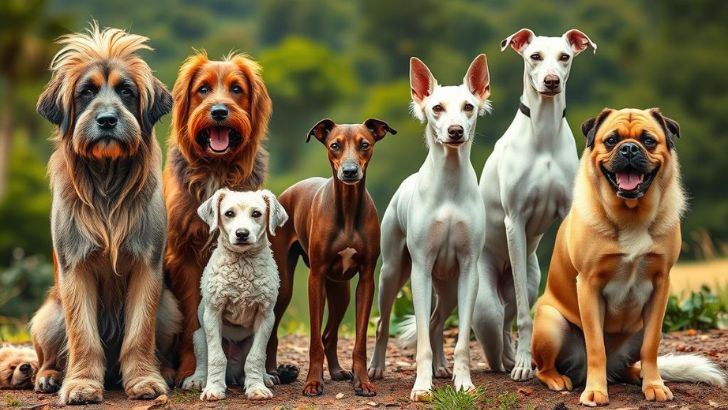
The realm of rare dog breeds is filled with myths and misconceptions. Many believe these uncommon dog breeds have health problems or are difficult to train. However, the truth is often more complex.
Misconceptions on Health Issues
One widespread myth is that unusual dog breeds are less healthy than common ones. However, a dog´s health depends more on responsible breeding practices than its rarity. Many rare breeds are just as healthy as common ones, if bred with care and attention to genetic diversity.
A well-known breeder says, “Rare breeds can be just as healthy as popular ones if bred responsibly.” This highlights how important it is to work with reputable breeders who prioritize health.
“The health issues in rare breeds are often a result of poor breeding practices, not their rarity itself.”
Beliefs about Trainability
One other myth is that uncommon dog breeds are difficult to train because of their independent nature or unusual histories. However, many rare breeds are intelligent and eager to learn, but may require a more experienced owner.
- They often flourish with mental and physical stimulation.
- Consistent training and positive reinforcement are key.
- Understanding their unique characteristics is vital for effective training.
By comprehending and appreciating the unique qualities of unusual dog breeds, we can overcome the myths surrounding them. This fosters a better understanding of these breeds and supports their well-being and preservation.
Tips for Caring for a Rare Dog Breed

Caring for a rare dog breed is rewarding but demands a thorough understanding of their needs. As owners of these breeds, we face unique challenges and opportunities. Knowing these differences is essential to provide proper care.
Rare dog breeds possess special traits that distinguish them. Understanding these traits is crucial for their care.
Nutrition and Diet Considerations
Nutrition plays a key role in maintaining the well-being of our rare dog breeds. Different breeds need different foods based on their size, activity levels, and genetics.
- Large, active breeds benefit from protein-rich diets for muscle development and energy.
- Smaller breeds may need calorie-dense foods to stay energetic.
- Breeds with health issues might benefit from specialized diets.
| Breed Size | Activity Level | Dietary Recommendations |
|---|---|---|
| Large | High | High-protein diet |
| Small | Low | Calorie-controlled diet |
| Medium | Moderate | Balanced diet with moderate protein |
Grooming and Health Care
Grooming is crucial for rare dog breeds. Some require regular grooming to avoid matting and maintain a healthy coat.
Health care must align with the breed´s needs. This includes:
- Routine vaccinations to prevent common diseases.
- Parasite control to prevent infestations.
- Monitoring for breed-specific health issues.
By recognizing and attending to these needs, we can give our rare breed dogs the best care. This ensures they live happy and healthy lives.
Finding a Rare Dog Breed
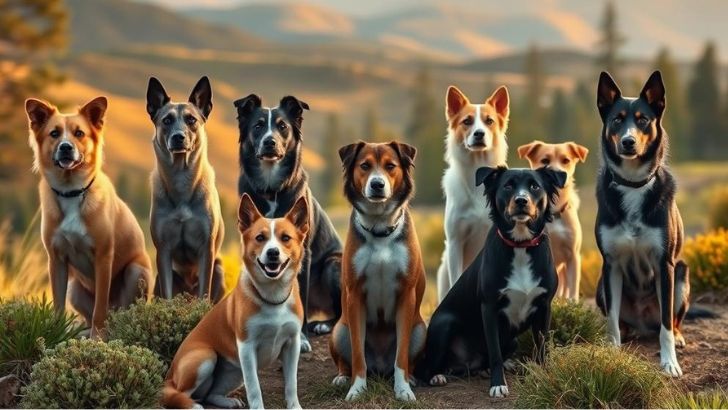
Exploring rare dog breeds is thrilling. But finding a dependable source for adoption is essential. Whether captivated by the Azawakh or the Catahoula Leopard Dog, choosing the right breeder or rescue organization is crucial.
Beginning with reputable breeders who specialize in rare dogs is a must. A reliable breeder will provide you with a healthy pet and share important breed information.
Reputable Breeders and Rescue Organizations
Seek breeders who are registered with kennel clubs and who adhere to ethical breeding practices. They will provide transparency regarding their dogs´ health and background. The American Kennel Club (AKC) has a breeder directory to get you started.
Rescue groups dedicated to rare breeds are also crucial. They help dogs in need and possess extensive knowledge of the breeds they work with. They can help you find a dog that fits your lifestyle.
| Organization | Focus | Resources |
|---|---|---|
| AKC Rescue Network | Various breeds | Breeder directory, rescue services |
| Rare Breed Rescue | Rare and unique breeds | Adoption services, breed information |
Adoption Events and Resources
Adoption events are a great way to meet rare dogs. They provide opportunities to interact with breeders, rescue groups, and owners. It´s a space to learn and ask questions.
“Adopting a rare dog breed is not just about giving a home to a dog; it´s about preserving the unique characteristics of a breed for future generations.”
— Jane Smith, Rare Breed Advocate
Online clubs and forums are also useful. They share breed history, temperament, and care tips.
For those looking to adopt, here´s what to do:
- Research breed-specific rescue groups
- Attend dog adoption events
- Use online resources to find reputable breeders
By finding the right resources and being patient, you can find your rare dog breed. Whether from a breeder or rescue, welcoming a new pet is rewarding.
Celebrating the Uniqueness of Rare Dog Breeds
Exploring rare dog breeds is a joy. It allows us to share stories and experiences with others. Exotic dog breeds add a special charm to our community.
Personal Stories and Experiences
Owners of rare breeds share amazing stories. They describe their pets´ adventures and challenges. These stories inform us and deepen our appreciation for these breeds.
Community Events and Activities
Events like dog shows and breed gatherings are fantastic. They assemble people to celebrate rare breeds. Through participation, we help these breeds thrive.
By celebrating rare dog breeds, we grow our community. We learn more about these special animals. We invite everyone to share their experiences with rare dog breeds.
FAQ
What makes a dog breed rare?
A dog breed is considered rare if it has few registrations, is found in limited regions, or has a rich history. We consider the breed´s size, kennel club recognition, and uniqueness compared to common breeds.
Are rare dog breeds harder to train?
Not always. Some rare breeds might need experienced owners because of their independent nature or distinct history. But, many are intelligent and trainable. Knowing a breed´s needs is key to successful training.
How can I find a reputable breeder for a rare dog breed?
To find a good breeder, look into breed clubs and local kennel clubs. Ask for referrals from other owners. Seek health clearances and breeder expertise, as well as support.
What are some common health issues in rare dog breeds?
Health problems differ in rare breeds, based on genetics, size and more. It is essential to research the breed´s health concerns and elect breeders who conduct health testing and promote genetic diversity.
Is it possible to adopt a rare dog breed from a shelter?
Yes, adopting a rare breed from a shelter is possible. Consider adoption and cooperate with shelters that concentrate on rare breeds.
How do I care for the unique grooming needs of some rare dog breeds?
Grooming needs vary among breeds. Some require routine brushing, while others need frequent baths, and some need specialized coat care. Investigate the breed´s grooming needs and prepare to devote time and money.
Are rare dog breeds suitable for families with children?
Whether a rare breed is suitable for families depends on its temperament, energy level, and size. Research the breed´s traits. Talk to breeders or owners to see if it fits your family setup.
How can I support conservation efforts for rare dog breeds?
Support conservation by adopting a rare breed, picking a reputable breeder, and joining breed clubs. Donate to organizations that protect rare breeds and their heritage.