
Long-haired cat breeds are captivating due to their majestic appearance and luxurious coats. These felines combine elegance with personality, making them cherished companions worldwide. From the regal Persian to the wild-looking Maine Coon, long-haired cats present a diverse array of traits, temperaments, and care needs. Whether considering adopting one of these magnificent creatures or simply admiring their beauty, this guide will introduce you to 15 stunning long-haired cat breeds and provide essential care tips to maintain their gorgeous coats in pristine condition.
The Fascinating History of Long-Haired Cats
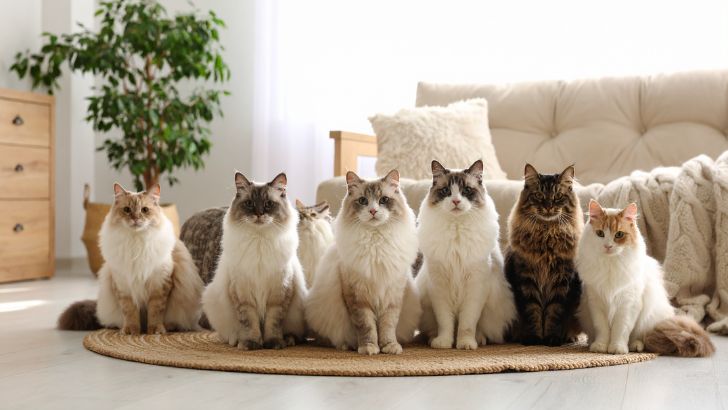
Long-haired cats originated in colder regions, where their luxurious coats provided protection against harsh climates. Most experts believe these magnificent felines initially developed in Russia, Iran, and Turkey, where natural selection favored cats with longer, thicker fur to withstand freezing temperatures.
The gene for long hair is recessive, explaining why long-haired breeds are less common than their short-haired counterparts. In fact, only about 1 in 10 domestic cats in the United States is a Domestic Longhair—a mixed-ancestry cat with long fur that doesn´t belong to any specific recognized breed.
These elegant felines gained popularity in Europe during the 16th century when traders and explorers brought them from their native lands. Royalty and nobility particularly favored these cats, solidifying their status as symbols of luxury and refinement, a status that continues to this day.
15 Stunning Long-Haired Cat Breeds
Each long-haired cat breed has a unique combination of appearance, personality, and care requirements. From gentle giants to playful companions, there´s a long-haired breed to suit every lifestyle and preference.
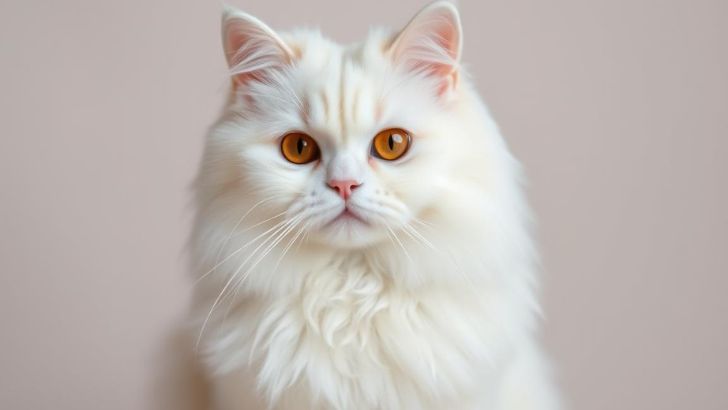
1. Persian
The Persian cat is perhaps the most iconic of all long-haired cat breeds. Originating from Persia (modern-day Iran), these cats have been cherished companions for centuries. Their distinctive flat faces, round eyes, and extraordinarily long, flowing coats make them instantly recognizable.
Persians typically possess a sweet, gentle temperament and prefer quiet, peaceful environments. They are not particularly active cats, preferring to lounge regally on comfortable surfaces rather than climbing and exploring. Their coat comes in numerous colors, including white, black, cream, and the popular “blue” (a dilute gray).
When it comes to grooming, Persians require a significant commitment. Their luxurious coats need daily brushing to prevent matting, and regular baths are necessary to maintain coat health. Their facial structure also requires special attention to keep the eyes clean and free from irritation.
2. Maine Coon
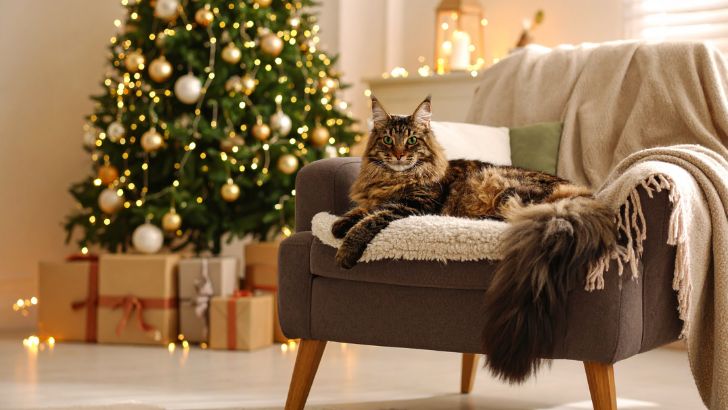
The Maine Coon is America´s native long-haired treasure. These gentle giants can weigh up to 25 pounds and feature tufted ears, bushy tails, and shaggy, water-resistant coats. Their origin stories include tales of them being descendants of Marie Antoinette´s cats or crosses between cats and raccoons (which is biologically impossible but explains their bushy tails).
Maine Coons are known for their dog-like personalities—they are friendly, intelligent, and often enjoy playing fetch or learning tricks. Despite their wild appearance, they are incredibly gentle and make excellent family pets. Their semi-long coat is relatively low-maintenance compared to other long-haired breeds, requiring brushing a few times weekly.
3. Norwegian Forest Cat
The Norwegian Forest Cat, or “Wegie,” evolved in the harsh Scandinavian forests, where their thick, water-resistant double coats protected them from freezing temperatures. These cats have a strong, muscular build, tufted ears, and a full, bushy tail.
Norwegian Forest cats are independent yet affectionate, striking a perfect balance for many cat lovers. They are excellent climbers and enjoy high perches where they can survey their domain. Their thick double coat requires regular brushing, with more intensive grooming during their heavy shedding seasons in spring and fall.
4. Ragdoll

Developed in the 1960s, Ragdolls are named for their tendency to go completely limp with relaxation when picked up. These large, affectionate cats have semi-long, silky fur that is less prone to matting than other long-haired breeds. Their striking blue eyes and colorpoint patterns (darker extremities with a lighter body) make them visually stunning.
Ragdolls are exceptionally people-oriented and often follow their owners from room to room. They are ideal for families seeking an affectionate, indoor companion. Despite their long fur, Ragdolls have minimal undercoat, making grooming relatively manageable with weekly brushing sessions.
5. Siberian
The national cat of Russia, Siberians have survived harsh winters for centuries thanks to their triple coat – a combination of guard hairs, awn hairs, and a dense undercoat. These medium to large cats have a barrel-shaped body, tufted ears, and expressive eyes.
Siberians are playful, intelligent, and deeply attached to their families. They often enjoy water play and are excellent problem-solvers. Despite having one of the thickest coats among domestic cats, they typically require only weekly brushing – except during shedding season when daily grooming becomes necessary.
6. Himalayan
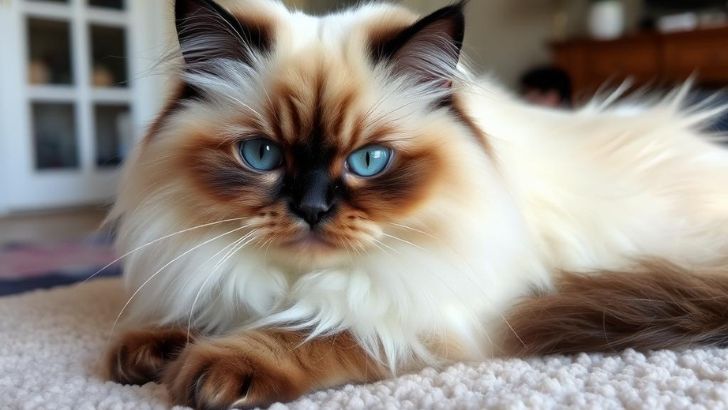
The Himalayan (or “Himmie”) is essentially a Persian cat with Siamese colorpoint markings. Created by crossing Persians with Siamese cats, Himalayans have the Persian´s flat face and long coat combined with the Siamese´s striking blue eyes and pointed color pattern.
Like Persians, Himalayans are sweet-tempered, quiet cats that prefer calm environments. They enjoy gentle play and lots of affection but are not particularly active. Their long, thick coats require daily brushing and regular bathing to maintain their luxurious appearance.
7. Turkish Angora
One of the oldest natural cat breeds, the Turkish Angora originated in central Turkey. These elegant cats have a silky, medium-length coat that forms a beautiful ruff around the neck. Traditionally white, modern Turkish Angoras come in many colors, though white with odd-colored eyes (one blue, one amber) remains particularly prized.
Turkish Angoras are intelligent, playful, and sometimes mischievous. They form strong bonds with their humans and often appoint themselves as household supervisors. Their silky coat lacks a thick undercoat, making grooming relatively easy with twice-weekly brushing.
8. Birman
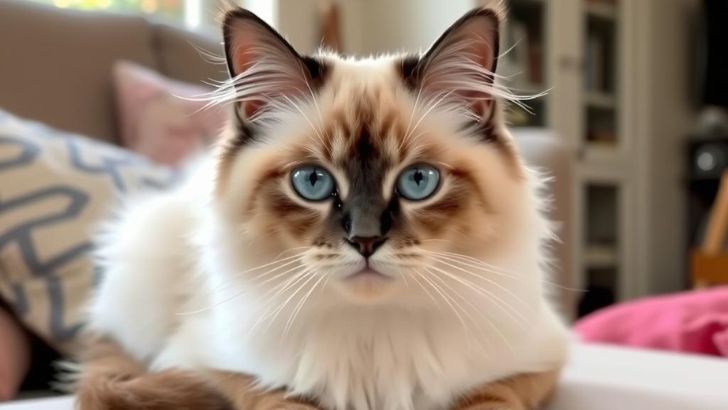
The “Sacred Cat of Burma” (not to be confused with Burmese cats) has a fascinating legend involving temple cats and Buddhist priests. These medium-sized cats have silky, medium-length fur, striking blue eyes, and distinctive white “gloves” on all four paws.
Birmans are gentle, affectionate companions who adapt well to various households. They enjoy interactive play but are not as demanding as some breeds. Their silky coat resists matting, making them one of the easier long-haired breeds to maintain with weekly brushing.
9. Ragamuffin
Related to Ragdolls, Ragamuffins were developed to allow for a wider variety of colors and patterns than the Ragdoll standard permits. These large, muscular cats have semi-long, plush fur that feels rabbit-like to the touch.
Ragamuffins are exceptionally sweet-natured and patient, making them excellent pets for families with children. Like their Ragdoll cousins, they tend to go limp when held. Their coat requires weekly brushing to prevent tangles and remove loose hair.
10. Somali

Often described as “fox cats,” Somalis are the long-haired version of Abyssinians. Their medium-length coat features a distinctive ticked pattern, where each hair has bands of color. Combined with their bushy tail and alert expression, this gives them a wild, fox-like appearance.
Somalis are active, playful, and highly intelligent cats that require plenty of stimulation. They are not lap cats but show affection through interactive play and companionship. Their silky coat needs brushing twice weekly to remove loose hairs and prevent matting.
11. Nebelung
The Nebelung (German for “creature of the mist”) is essentially a long-haired Russian Blue. These medium-sized cats have a silky, medium-length blue coat with silver-tipped guard hairs that create a shimmering effect.
Nebelungs are gentle, quiet cats that form strong bonds with their families but may be reserved around strangers. They thrive in peaceful, predictable environments. Their silky coat requires weekly brushing to maintain its lustrous appearance.
12. Turkish Van
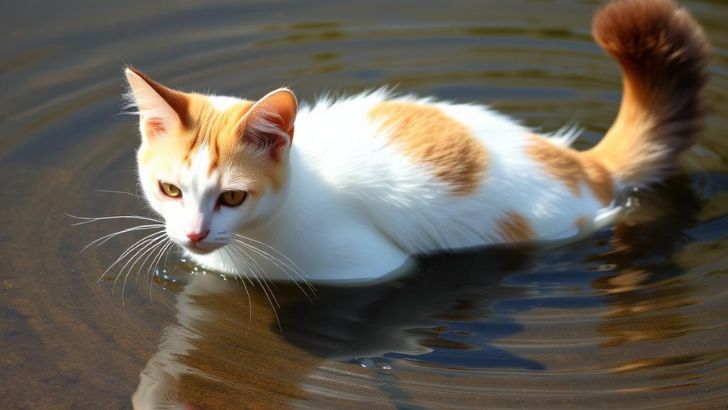
The Turkish Van, from the Lake Van region of Turkey, is known as the “swimming cat” for its unusual love of water. These cats have a distinctive pattern – white body with colored markings on the head and tail (the “van” pattern) – and a cashmere-like, semi-long coat that is water-resistant.
Turkish Vans are energetic, intelligent, and sometimes mischievous. They form strong bonds with their humans but maintain an independent streak. Their coat is naturally water-repellent and requires only weekly brushing to maintain its condition.
13. Balinese
The Balinese is essentially a long-haired Siamese cat. These elegant, medium-sized cats have a silky, medium-length coat that flows along their body without the thick undercoat that many long-haired breeds possess.
Like their Siamese relatives, Balinese are vocal, intelligent, and deeply attached to their humans. They require mental stimulation and interactive play to stay happy. Their silky coat is relatively low-maintenance, needing only weekly brushing to remove loose hairs.
14. Selkirk Rex
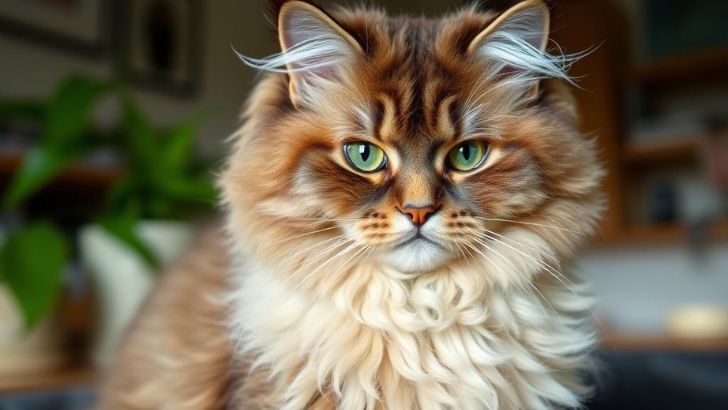
The Selkirk Rex stands out among long-haired breeds for its naturally curly coat. These medium to large cats have a plush, woolly coat that forms loose curls all over their body, including their whiskers. The long-haired variety has particularly luxurious, curly fur.
Selkirk Rex cats are patient, tolerant, and affectionate. They enjoy interactive play but are not as demanding as some breeds. Their unique coat requires gentle handling—excessive brushing can destroy the curl pattern, so finger-combing is often recommended.
15. LaPerm
The LaPerm is another curly-coated breed, developed from a spontaneous mutation on an Oregon farm in the 1980s. These medium-sized cats have a soft, curly coat that can range from wavy to tight ringlets.
LaPerms are affectionate, active cats that enjoy interactive play and human companionship. They are known for using their paws to get attention from their owners. Their curly coat is relatively low-shedding and requires only occasional brushing to remove loose hairs and prevent tangles.
Essential Care Tips for Long-Haired Cats
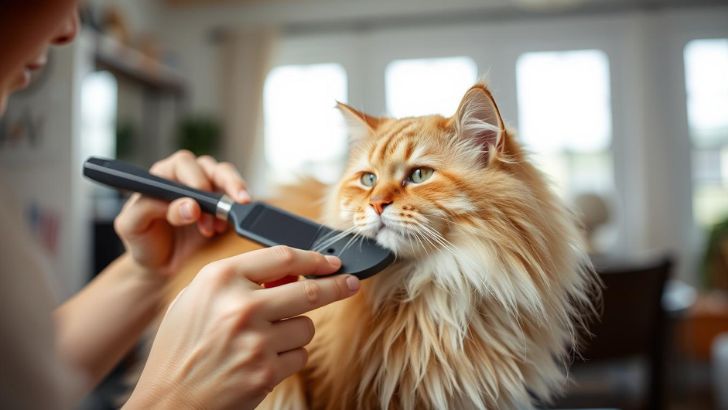
Owning a long-haired cat is a source of great joy, but it also comes with specific care responsibilities. Here are essential tips to keep your long-haired companion healthy and beautiful:
Learn more about beautiful cat breeds: hypoallergenic cat breeds, exotic cat breeds, cat dental care
1. Establish a Regular Grooming Routine
Most long-haired cats require brushing at least 2-3 times per week, with some breeds needing daily attention. Start grooming sessions when your cat is relaxed, keep them short (5-15 minutes), and always end on a positive note with treats and praise. This prevents coat matting, reduces hairballs, and strengthens your bond.
2. Invest in the Right Grooming Tools
Different coat types require different tools. For most long-haired cats, you´ll need:
- A wide-toothed comb for detangling
- A slicker brush for removing loose fur
- A de-shedding tool for seasonal coat blowing
- Blunt-tipped scissors for carefully removing severe mats
- Cat-safe detangling spray for difficult knots
3. Address Mats and Tangles Promptly
Mats can form quickly in long-haired cats, especially in friction areas like behind the ears, under the collar, in the armpits, and around the hindquarters. Never pull or cut mats close to the skin—instead, gently work them out with your fingers and a wide-toothed comb, or seek professional help for severe matting.
4. Implement a Bathing Schedule
While most cats groom themselves, long-haired breeds often benefit from occasional baths (every 4-6 weeks) using cat-specific shampoo. Introduce bathing gradually, use lukewarm water, and thoroughly dry your cat afterward to prevent chilling. Some breeds with oily coats, like Persians, may need more frequent bathing.
5. Provide Proper Nutrition
A healthy coat starts from within. Feed your long-haired cat high-quality food rich in omega-3 and omega-6 fatty acids to promote skin and coat health. Some cats benefit from specialized “hairball formula” foods or supplements that help reduce hairball formation.
6. Create a Clean Environment
Long-haired cats are more prone to collecting dust, debris, and litter in their fur. Keep their environment clean, provide a covered litter box to minimize litter tracking, and regularly wash their bedding to reduce dander and loose fur accumulation.
7. Schedule Professional Grooming
Even with regular home care, many long-haired cats benefit from professional grooming every few months. Professional groomers can provide thorough cleaning, address difficult mats, and perform specialized services like sanitary trims that keep sensitive areas clean.
Finding Your Perfect Long-Haired Match
Different long-haired cat breeds suit different lifestyles and preferences. Here´s a quick guide to help you find your ideal feline companion:
For First-Time Owners:
- Ragdoll – Easy-going and low-maintenance coat
- Birman – Gentle temperament with minimal coat matting
- Ragamuffin – Patient nature and manageable grooming needs
For Active Households:
- Maine Coon – Playful and adaptable to busy environments
- Turkish Van – Energetic and enjoys interactive play
- Somali – Athletic and thrives with plenty of stimulation
For Quiet Environments:
- Persian – Prefers peaceful settings with minimal change
- Himalayan – Enjoys calm, structured routines
- Nebelung – Thrives in predictable, serene households
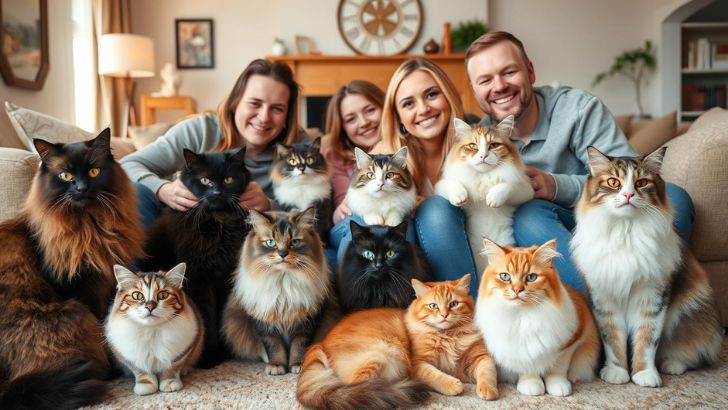
- Different long-haired breeds suit different family dynamics.
Frequently Asked Questions About Long-Haired Cats
Are long-haired cats high-maintenance?
The maintenance level varies significantly between breeds. While some long-haired cats like Persians require daily grooming and regular bathing, others like the Turkish Angora or Ragdoll have silkier coats that resist matting and need only weekly brushing. Consider your available time and commitment level when choosing a long-haired breed.
Even lower-maintenance long-haired breeds still require more grooming than short-haired cats. If you´re concerned about grooming time, consider breeds with minimal undercoats like the Balinese or Turkish Angora, or semi-longhaired breeds that require less intensive care.
Do long-haired cats shed more than short-haired cats?
Long-haired cats do not necessarily shed more hair than short-haired cats, but their shedding is more noticeable because the hairs are longer. Most long-haired breeds have seasonal shedding periods (typically spring and fall) when they “blow their coat” and shed significantly more.
Regular grooming actually reduces the amount of hair you´ll find around your home, as brushing removes loose fur before it can be deposited on furniture and floors. Some long-haired breeds like the Siberian and Norwegian Forest Cat have more pronounced seasonal shedding due to their thick undercoats, while others like the Balinese shed relatively little year-round.
Are long-haired cats more prone to hairballs?
Yes, long-haired cats typically experience more hairballs than their short-haired counterparts. When cats groom themselves, they ingest hair, which usually passes through their digestive system. However, long-haired cats ingest more hair during self-grooming, increasing the likelihood of hairball formation.
Regular brushing significantly reduces hairball issues by removing loose fur before your cat can ingest it. Special diets, hairball remedies, and increased water intake can also help minimize hairball problems in long-haired breeds.
Embracing the Beauty of Long-Haired Cat Breeds
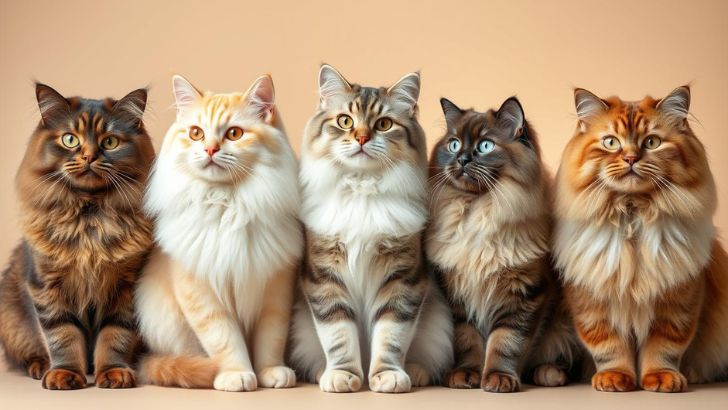
Long-haired cat breeds offer a unique combination of beauty, personality, and companionship. While they require more grooming attention than their short-haired counterparts, many cat lovers find the extra care well worth the reward of living with these magnificent animals.
Whether you´re drawn to the gentle giant Maine Coon, the regal Persian, or the playful Turkish Van, there´s a long-haired breed that matches your lifestyle and preferences. By understanding each breed´s unique traits and care requirements, you can make an informed decision about which beautiful long-haired companion might be right for your home.
Remember that regardless of breed, each cat is an individual with its own personality. Take time to meet cats in person at shelters and responsible breeders to find the perfect match for your family.