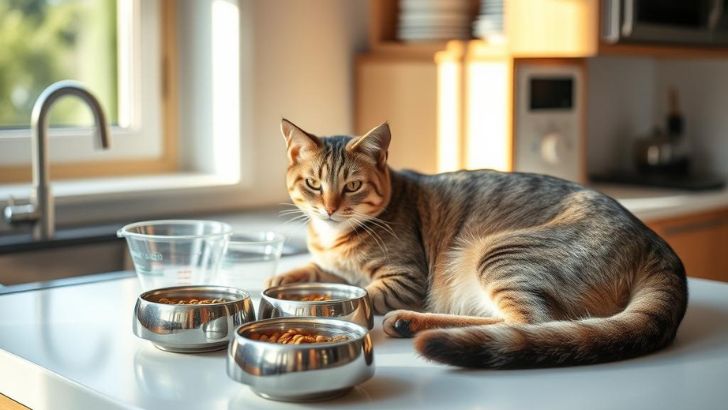

We´re about to explore the world of the Siamese, a breed celebrated for their affectionate and outgoing character. They boast a distinctive appearance and an extroverted personality, making them wonderful companions for numerous families worldwide.
Siamese cats are intelligent and interactive creatures. They thrive in the company of humans and frequently develop deep bonds. Their friendly nature makes them a prime choice for those seeking a loyal pet.
Overview of Siamese Cats and Their Origin
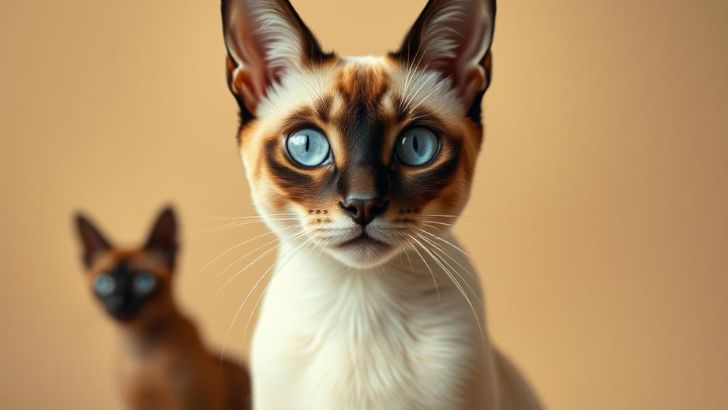
Siamese cats are intelligent and loving. Their history begins in 14th-century Siam. They were closely associated with the culture and royalty of present-day Thailand. Understanding their background helps us appreciate their behavior and personality.
Brief History of the Siamese Breed
The Siamese breed´s history is long and fascinating. In Siam, they were considered sacred and fortunate. They were kept by royalty and held in high regard.
They were first introduced to the West in the late 19th century. They quickly gained popularity due to their appearance and personality.
Siamese cats were once known as “Witch´s Cats” or “Cats of Siam.” They were greatly admired. Their arrival in the West marked a new chapter for the breed, with breeders shaping the traits we adore today.
Unique Physical Characteristics
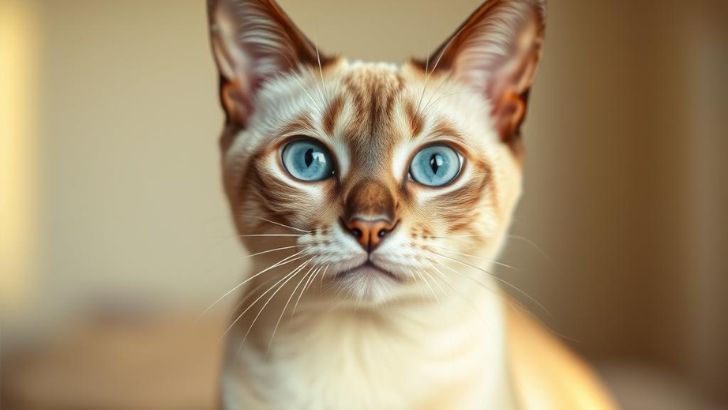
Siamese cats possess a distinctive appearance. They have a short, fine coat in various point colors. Their blue eyes are captivating. Their bodies are sleek and muscular, showcasing their agility and energy.
The breed displays several point colors, like seal, chocolate, blue, and lilac. Their beautiful appearance influences their behavior and how they interact with people.
Understanding Siamese Cat Temperament
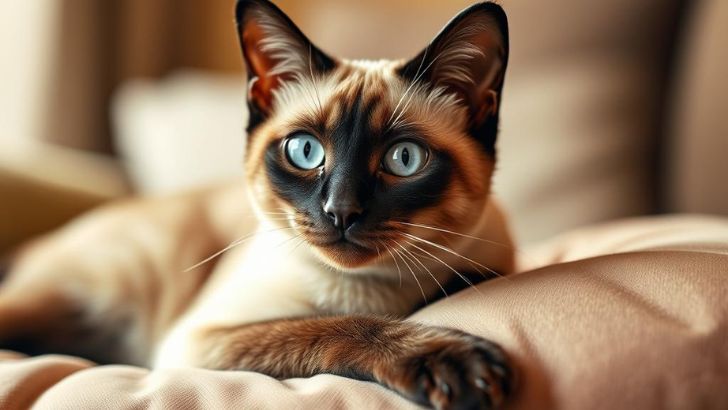
Siamese cats are known for their intelligence and love to communicate. They are very interactive and perpetually seek attention. Let´s delve into what makes them special and how they compare to other cat breeds.
Key Traits That Define Their Personality
Siamese cats are intelligent, loving, and talkative. They thrive in human interaction and can learn tricks. However, they can also exhibit moments of stubbornness.
They require substantial human interaction and struggle with extended periods of solitude. They will follow you everywhere, seeking attention and affection.
They also vocalize frequently, clearly communicating their needs. They might vocalize for food or simply desire affection.
Comparing to Other Cat Breeds
Siamese cats distinguish themselves from other breeds due to their pronounced need for interaction and vocalization. They differ significantly from the British Shorthair, which tends to be more independent.
Here´s a comparison of Siamese cats to other common breeds:
| Breed | Interaction Level | Vocalization |
|---|---|---|
| Siamese | High | High |
| British Shorthair | Low | Low |
| Maine Coon | Medium | Medium |
In summary, Siamese cats are intelligent, loving, and talkative. They may not be suitable for everyone, but they make excellent companions for those who can meet their needs.
Social Behavior of Siamese Cats
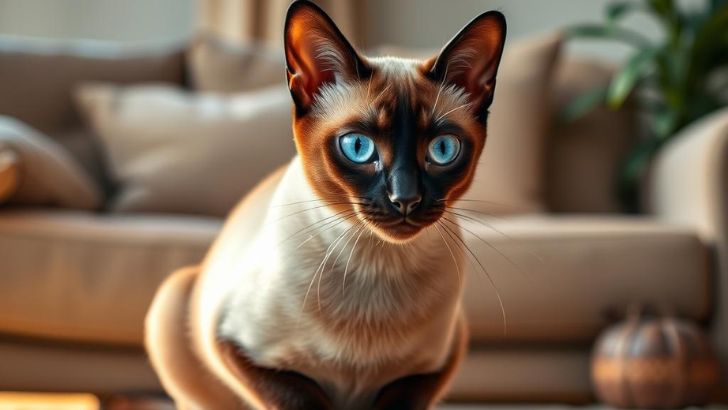
Siamese cats adore human companionship. They form strong bonds with their owners, becoming cherished companions.
These cats are inherently social and require human interaction. They experience happiness and well-being when they receive ample attention from their families.
Their Need for Human Interaction
Siamese cats feel safe and secure when they are around people. They enjoy following their owners, wanting to be involved in their activities.
Spending quality time with them is essential. Playing, grooming, or simply cuddling can bring them considerable joy.
How They Bond with Their Owners
Siamese cats form exceptionally strong bonds with their owners. They can sense their owners´ emotions and offer comfort when needed.
Here is a summary of how Siamese cats bond with their owners:
| Bonding Characteristics | Description |
|---|---|
| Emotional Support | Siamese cats can sense their owner’s emotions and provide comfort. |
| Interactive Play | They engage in play with their owners, strengthening their bond. |
| Physical Affection | Siamese cats enjoy being close to their owners, often seeking physical contact. |
By understanding and meeting their needs for human interaction, owners can cultivate a lifelong and loving relationship with their Siamese cat.
Energy Levels and Playfulness
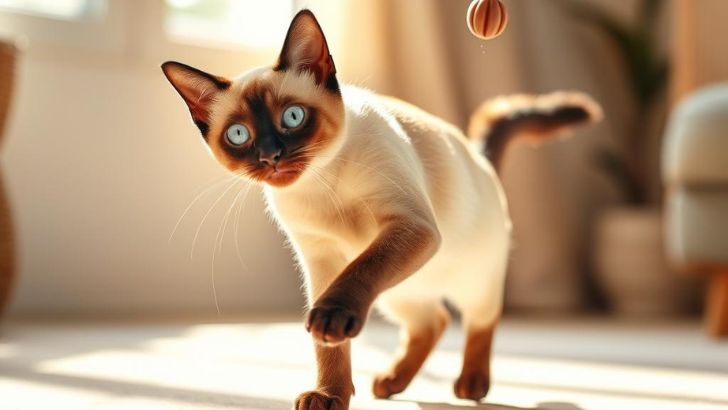
The Siamese breed is renowned for its lively disposition. They possess abundant energy and adore playing. This makes them fantastic companions, always ready for fun and games.
Playful Nature of Siamese Cats
Siamese cats are extroverted and playful. They love to explore and can be mischievous if bored. They enjoy playing with toys, puzzle games, and even games with their owners.
Recommended Activities to Keep Them Engaged
To ensure your Siamese cat´s happiness, providing engaging activities is necessary. Some ideas include:
- Interactive toys and puzzle toys for mental stimulation
- Feather wands or laser pointers for energetic play
- Climbing structures or cat trees for climbing and perching
- Playtime twice per day to keep them active
Incorporating these activities into your routine keeps your Siamese cat stimulated and content, and helps prevent boredom.
Communication Styles of Siamese Cats
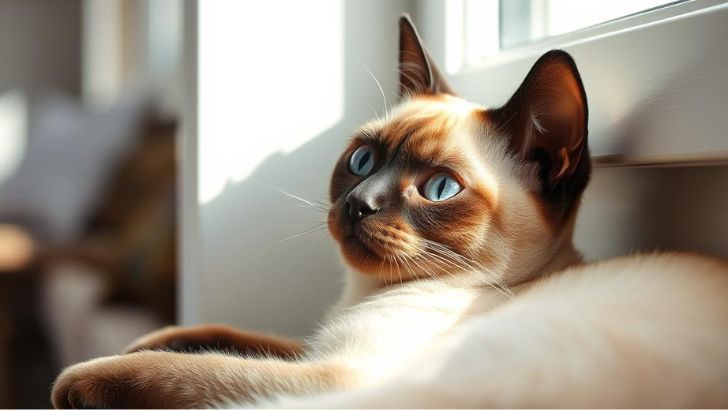
Siamese cats communicate with us in numerous ways. They utilize vocalizations and body language to express their feelings and needs. Understanding their communication style enhances our ability to bond with them and fulfill their requirements.
Vocalizations and Their Meanings
Siamese cats are very vocal. They produce various sounds to convey their desires or emotions. They may meow loudly when hungry or seeking attention. A softer meow can signify their need for comfort or reassurance.
It´s helpful to understand the meanings of your Siamese cat´s vocalizations. Here´s a quick guide:
| Vocalization Type | Possible Meaning |
|---|---|
| Loud, Persistent Meow | Hunger, Attention-seeking |
| Soft, Plaintive Meow | Need for Comfort, Reassurance |
| High-Pitched Meow | Excitement, Anxiety |
Body Language Signals to Recognize
Siamese cats also communicate through their body language. Observing their posture, facial expressions, and tail can reveal their emotions. A relaxed cat appears open and loose, while a scared one may arch its back.
- Ears forward: Indicates interest or happiness
- Ears back or flattened: Suggests fear or submission
- Tail twitching: Can indicate irritation or agitation
- Tail held high: Signifies confidence or friendliness
By recognizing both vocalizations and body language, we become better equipped to comprehend our Siamese cat. This builds a stronger bond.
Intelligence and Trainability of Siamese Cats
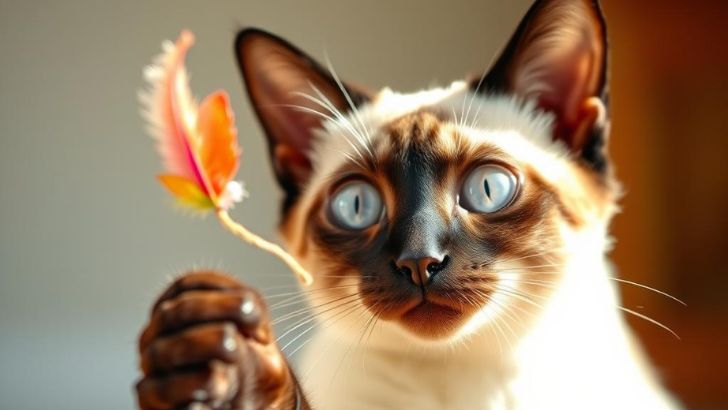
Siamese cats are highly intelligent and eager to please. This makes them delightful companions. It also facilitates deep bonding with their owners.
These cats learn quickly and enjoy solving problems. They benefit from mentally stimulating activities. Offering lifelong learning opportunities is pivotal for their happiness.
Lifespan Learning Opportunities
Keeping your Siamese cat occupied is crucial. It combats boredom and maintains their mental agility. Here are some strategies:
- Interactive toys and puzzle toys that challenge problem-solving skills
- Training sessions that teach new tricks or commands
- Agility training that allows physical exercise and mental stimulation
Incorporating these activities into their routine keeps them sharp and active.
Recommended Training Techniques
Training a Siamese cat involves patience, consistency, and positive reinforcement. Here are effective methods:
| Technique | Description | Benefits |
|---|---|---|
| Positive Reinforcement | Rewarding desired behavior with treats or praise | Encourages good behavior, builds trust |
| Clicker Training | Using a clicker to mark desired behavior, followed by a reward | Precise, efficient, and engaging |
| Agility Training | Guiding your cat through obstacle courses | Provides physical exercise, mental stimulation |
Utilizing these methods allows your Siamese cat to learn effectively, fostering obedience and strengthening your bond.
Grooming and Care Needs
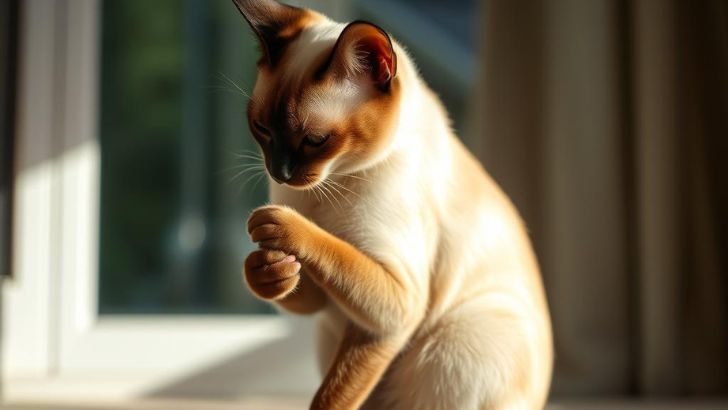
Siamese cats have short, fine coats, but require more than just coat care. As active and social animals, they need regular grooming, health checks, and a caring home.
Coat Care and Maintenance
The Siamese cat´s coat is unique, typically requiring minimal grooming. Regular brushing is key to removing loose hair and maintaining coat health. A weekly brush or grooming glove is effective.
Occasional bathing may be necessary if your Siamese cat spends significant time outdoors or becomes dirty. Use a mild cat shampoo and rinse thoroughly to avoid skin issues.
Health Considerations Related to Temperament
Siamese cats are generally healthy. However, their active and social nature can affect their health. Regular veterinary check-ups are crucial for maintaining their health and detecting issues early. They appreciate interaction and need attention to avoid stress.
They also need adequate exercise and play. This supports both physical and mental well-being, preventing behavioral issues.
Understanding and meeting the grooming and care needs of Siamese cats guarantees they enjoy happy, healthy lives.
Common Behavioral Challenges
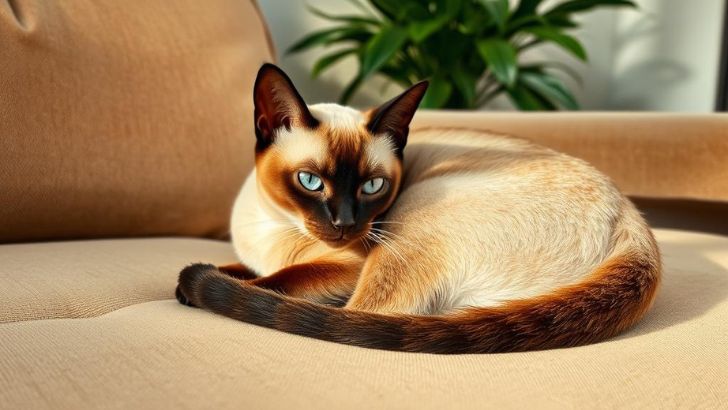
Siamese cats are recognized for their affectionate disposition. However, they can face behavioral challenges that necessitate attention. While generally friendly and outgoing, some issues may arise.
Learn more about cat personalities: exotic cat breeds, short haired cat breeds, long haired cat breeds
Addressing Separation Anxiety
Siamese cats form strong bonds with their owners, potentially leading to separation anxiety. They might become distressed when left alone, resulting in destructive behaviors or excessive vocalization. Implementing gradual separation techniques is helpful.
Begin by leaving your cat alone for short periods and gradually increasing the duration. Creating a calm environment, such as leaving a TV or radio playing, can soothe your cat.
Additionally, provide your Siamese cat with engaging activities or toys with treats. This keeps them occupied while you´re away. As one expert notes, “Keeping your cat engaged can significantly reduce separation anxiety.”
“A stimulated cat is a happy cat,” states Dr. Smith, a renowned animal behaviorist.
Solutions for Excessive Vocalization
Siamese cats can be highly vocal, which may signal boredom, hunger, or illness. To reduce vocalization, identify and address the underlying cause. Ensure their fundamental needs are met, including regular meals and playtime.
Furthermore, involving your cat in interactive play or puzzle toys can be beneficial. Siamese cats are intelligent and require mental stimulation to maintain their happiness and health.
Final Thoughts on Loving a Siamese Cat
Siamese cats are celebrated for their affection, intelligence, and lively character. They make excellent companions for many families. Their distinct traits and characteristics have captured the hearts of numerous cat enthusiasts.
What Makes Them Special
One of their most endearing qualities is their strong bond with their owners. They thrive in human companionship and are often described as “dog-like.” This is because they enjoy following their owners throughout the house.
Preparing for a Siamese Cat
If you are considering acquiring a Siamese cat, understanding their requirements is essential. They need extensive playtime and mental stimulation to maintain contentment. Recognizing their traits can help you prepare your home for a happy and healthy Siamese cat.
FAQ
What is the typical temperament of a Siamese cat?
Siamese cats are known to be friendly and outgoing. They delight in human interaction and form close bonds. They are highly social.
Are Siamese cats good with children?
Yes, they generally get along well with children, provided they are socialized early. Teaching children gentle handling techniques is key.
How vocal are Siamese cats?
They are very vocal. They meow frequently to communicate and can be quite loud. Owners should anticipate a lot of vocalization from their cats.
Do Siamese cats require a lot of grooming?
No, they have a short coat that needs minimal grooming. They are easy to care for but still need veterinary check-ups to stay healthy.
Are Siamese cats intelligent and trainable?
Yes, they are intelligent and can learn tricks and commands. They enjoy playing and solving puzzles.
Can Siamese cats be left alone for extended periods?
They dislike solitude and may experience anxiety or destructive behavior. They require attention and interaction.
How can I address separation anxiety in my Siamese cat?
Begin by leaving them alone for brief periods and gradually increase the duration. Provide toys and climbing structures to keep them occupied.
What are some common health considerations for Siamese cats?
They are primarily healthy but may be prone to respiratory issues, crossed eyes, and amyloidosis. Regular veterinary visits are important for their well-being.