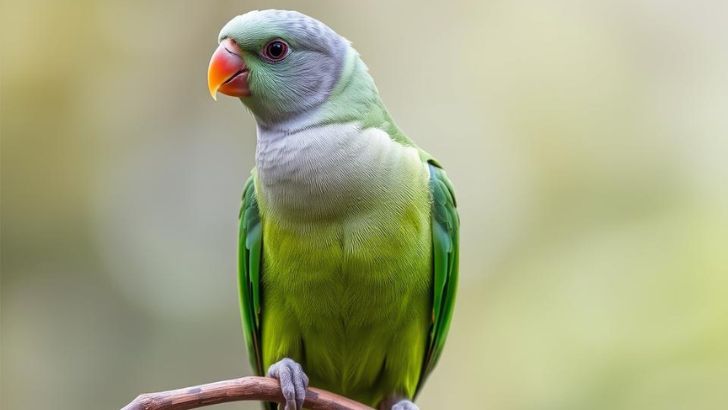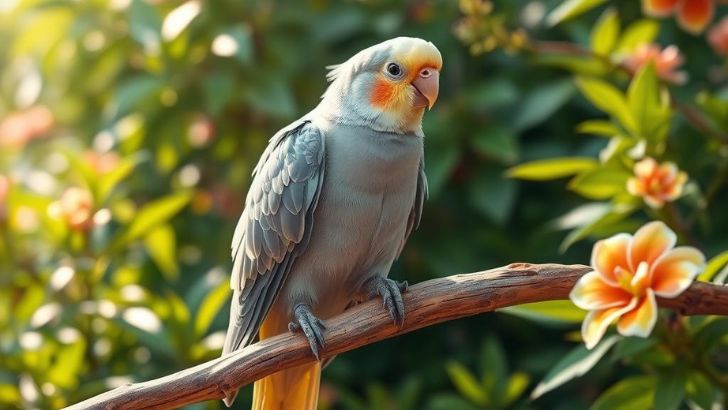

We are delighted to embark on an exploration of the rose-ringed parakeet. This particular avian species is widely recognized for its vivid coloration and its distinctive vocalizations. Many individuals who have a passion for birds globally have developed a deep affection for these creatures.
Our discussion will delve into the elements that render these birds so exceptional. We will examine their physical attributes, their natural dwelling places, their dietary preferences, their reproductive patterns, and their present conservation standing. This comprehensive overview will facilitate a more profound appreciation for the rose-ringed parakeet.
Overview of the Rose-Ringed Parakeet

The Rose-Ringed Parakeet originates from the warmer regions of South Asia. It has demonstrated a remarkable capacity to acclimate to numerous environments worldwide, a testament to its resilience and adaptability.
Description and Appearance
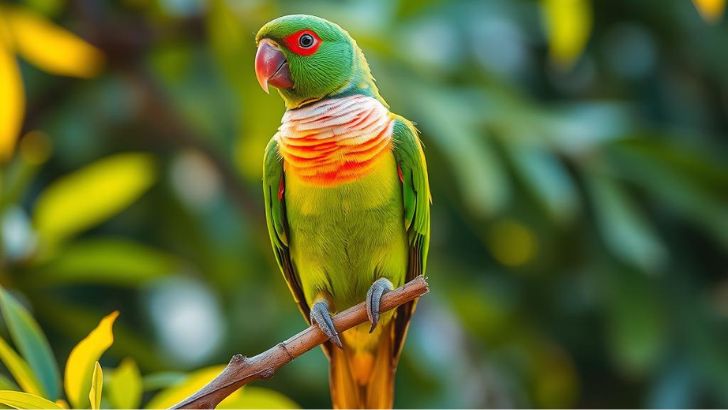
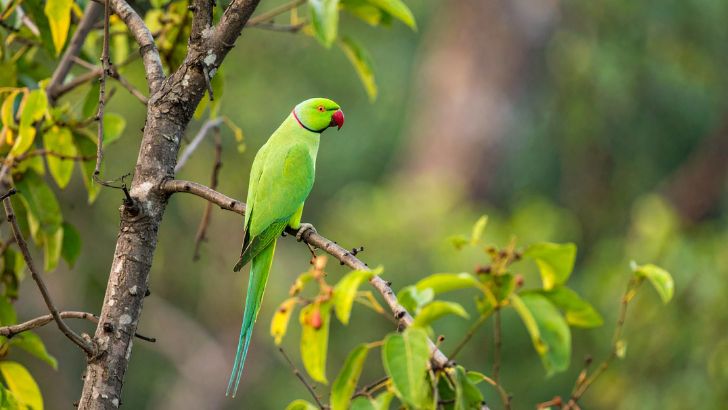
The Rose-Ringed Parakeet is classified as a medium-sized parrot, characterized by its brilliantly colored green feathers. Its most defining characteristic is the distinct rose-colored ring encircling the neck of mature individuals, which is the origin of its common name.
These parakeets possess a tail that is both long and tapered, complemented by a robust, curved beak – features commonly observed in the parrot family. Their vivid green plumage serves as effective camouflage within their natural surroundings.
Habitat and Range
The Rose-Ringed Parakeet is indigenous to the tropical regions of South Asia, with countries such as India and Sri Lanka being primary native territories. Through human intervention, they have also been introduced to locations in Europe and North America, where they are kept as pets.
These adaptable birds are capable of inhabiting a wide array of environments, ranging from dense woodland areas to urbanized cityscapes. Their proficiency in adjusting to diverse settings contributes significantly to their successful establishment in new territories.
| Characteristics | Description |
|---|---|
| Size | Medium |
| Plumage | Vibrant Green |
| Neck Ring | Rose-colored (in adults) |
| Tail | Long, pointed |
| Beak | Strong, curved |
| Native Habitat | Tropical regions of South Asia |
| Introduced Regions | Europe, North America |
Behavior and Social Structure
Rose-Ringed Parakeets exhibit a strong inclination towards social congregation, frequently forming extensive flocks. They engage in intricate patterns of interaction and communication within these groups.
Flocking Habits
These parakeets commonly reside in large aggregations, sometimes numbering in the hundreds. Membership in these substantial groups aids in their foraging efficiency and enhances their protection against potential predators. Their social organization is characterized by a pronounced sense of communal unity and cooperative behavior.
Within their flocks, Rose-Ringed Parakeets participate in enjoyable activities such as mutual preening and playful engagements. These interactions serve to reinforce their social cohesion and foster a sense of belonging. Ornithological experts have noted that,
“The social interactions within a flock are crucial for the overall well-being and survival of these birds.”
Communication
Vocal communication plays a pivotal role for Rose-Ringed Parakeets, primarily through their loud and high-pitched calls. They utilize these vocalizations to alert others to perceived dangers and to maintain contact within their flock.
Their vocal range is notably diverse, enabling them to convey a variety of messages and express different emotional states. This sophisticated communication system facilitates their collective coordination and strengthens the overall resilience of their flock.
To summarize, Rose-Ringed Parakeets possess a multifaceted social existence, characterized by intricate flocking behaviors and a sophisticated communication system. Understanding these aspects enhances our appreciation for these remarkable avian creatures.
Diet of the Rose-Ringed Parakeet
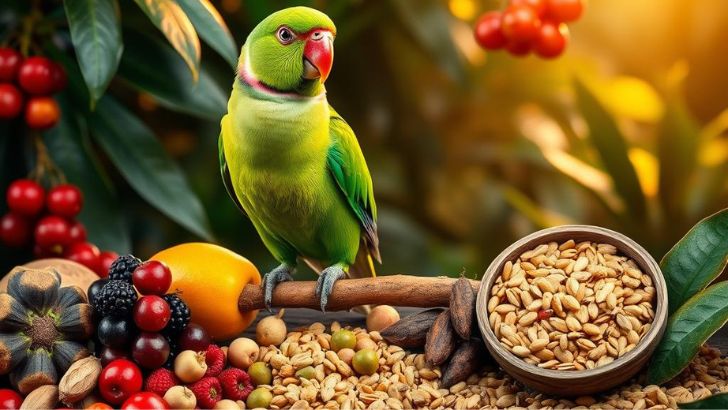
The Rose-Ringed Parakeet consumes a varied diet, which includes fruits, seeds, and plant matter, underscoring their adaptability and capacity for survival in diverse environments.
Primary Food Sources
Rose-Ringed Parakeets have a broad dietary spectrum, encompassing:
- Fruits, such as berries, apples, and bananas.
- Seeds from a multitude of plants, including various grains and wild seeds.
- Vegetation, such as leaves, buds, and flowers.
- Nuts, which they skillfully crack open using their powerful beaks.
They also demonstrate a preference for cultivated crops and garden plants, which can occasionally lead to conflicts with agriculturalists, yet this highlights their opportunistic feeding nature.
Foraging Strategies
Rose-Ringed Parakeets employ a range of effective foraging techniques. They excel at:
- Foraging on the ground for seeds and grains.
- Ascending trees to access fruits and nuts.
- Utilizing their strong, curved beaks to efficiently crack open seeds and nuts.
Their quick movements and remarkable agility are instrumental in their ability to locate sustenance rapidly within their natural habitats.
| Food Type | Description | Foraging Technique |
|---|---|---|
| Fruits | Berries, apples, bananas | Climbing trees, picking from branches |
| Seeds | Grains, wild seeds | Foraging on ground, cracking open with beak |
| Nuts | Various types of nuts | Cracking open with strong beak |
Understanding the dietary habits and foraging methods of the Rose-Ringed Parakeet provides valuable insight into their ecological success. their capacity to adapt to different food sources is a significant factor in their widespread prevalence.
Breeding and Reproduction
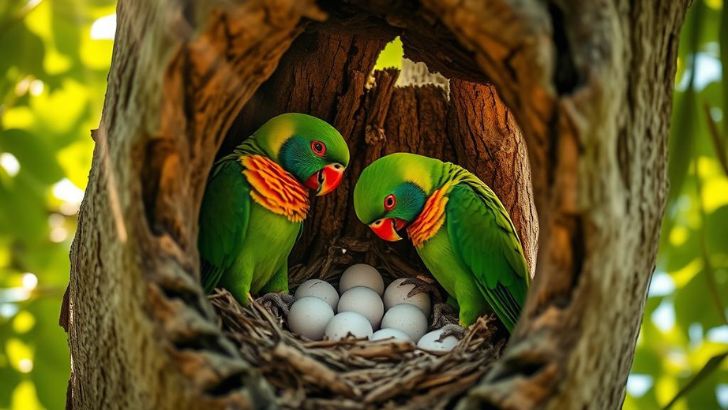
Rose-Ringed Parakeets exhibit monogamous behavior during their breeding periods, a crucial aspect for their species´ continuity, with pairs engaging in complex interactions.
Nesting Habits
These parakeets typically establish their nests in tree hollows or within rock crevices. The female deposits between two and four eggs, which are subsequently incubated by both parents. Their nesting practices offer vital protection against predation.
The selection of a nesting site is a critical factor, contingent upon the availability of suitable cavities or crevices. In urban environments, they may adapt to utilize man-made structures for nesting purposes.
Raising Young
Both adult birds actively participate in the care of the eggs and the subsequent rearing of the young. This shared parental responsibility ensures that the chicks receive adequate nourishment and protection. The juvenile parakeets typically fledge from the nest after approximately six to seven weeks.
| Stage | Description | Duration |
|---|---|---|
| Incubation | Both parents incubate eggs | 22-24 days |
| Nestling | Chicks are fed and cared for | 6-7 weeks |
| Fledging | Young parakeets leave the nest | 6-7 weeks |
The reproductive behaviors of Rose-Ringed Parakeets, such as their monogamous pair bonding and shared parental duties, are instrumental to their successful breeding outcomes. Comprehending these characteristics is vital for their ongoing conservation.
Conservation Status and Threats
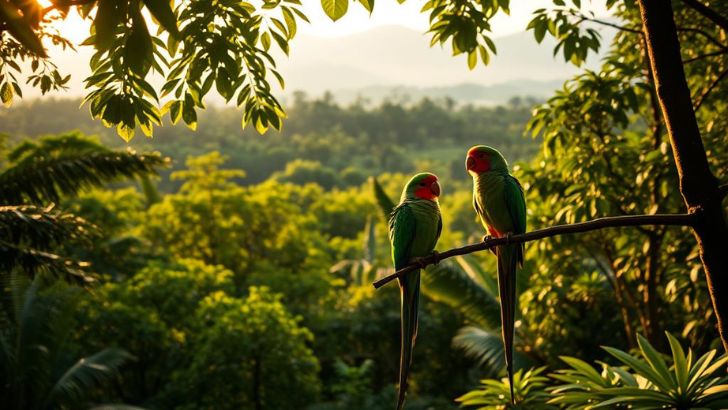
While the Rose-Ringed Parakeet is generally regarded as a species of least concern on a global scale, localized populations encounter a significant array of threats, indicating a nuanced conservation status.
Population Trends
The population dynamics of Rose-Ringed Parakeets vary geographically. In certain regions, their numbers are increasing, while in others, they are experiencing declines attributed to environmental and anthropogenic factors.
Key factors influencing their population trends include:
- Habitat destruction and fragmentation.
- The illicit pet trade.
- Competition for resources with other avian species.
Human Impact
Human activities exert a substantial influence on Rose-Ringed Parakeet populations. The degradation of their natural habitats, often a consequence of urban development and agricultural expansion, represents a primary threat.
The pet trade also presents a considerable risk, as these birds are highly sought after for their vibrant coloration and their remarkable vocal mimicry abilities. The regulation of this trade and the preservation of their habitats are paramount for their continued survival.
Cultural Significance

The Rose-Ringed Parakeet is cherished for its striking coloration and amiable disposition, holding a significant place in human culture, frequently appearing in narratives and considered a favored companion animal. Its beauty, intelligence, and capacity for vocal imitation are widely admired.
Discover more colorful pet birds: monk parakeet, budgerigar, African grey parrot
Folklore and Symbolism
Across numerous cultures, the Rose-Ringed Parakeet is emblematic of love, beauty, and liberty. In certain traditions, it is believed to bring good fortune, while in others, it signifies prosperity. Its distinctive green and rose-colored plumage makes it a prominent figure in local folklore.
In literary and artistic representations, the Rose-Ringed Parakeet often symbolizes the exotic and the untamed, signifying a connection with nature and the joy of freedom.
Role in Pet Trade
These parakeets are highly regarded as pets due to their intelligence, vocal abilities, and affectionate nature. They require an engaging environment, appropriate nutrition, and consistent companionship. However, concerns regarding their welfare and the impact on wild populations persist within the pet trade.
Numerous jurisdictions have implemented regulations to protect Rose-Ringed Parakeets, aiming to ensure their ethical capture and sale. Responsible pet ownership significantly contributes to the well-being and survival of these birds.
It is imperative to consider the ramifications of our affection for Rose-Ringed Parakeets on both the birds themselves and their natural habitats. The responsible stewardship of these avian species and their ecological roles is of utmost importance.
Keeping Rose-Ringed Parakeets as Pets
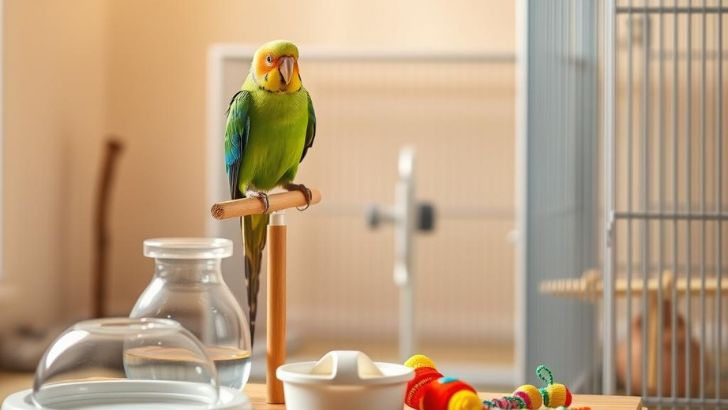
Rose-Ringed Parakeets are recognized for their vibrant colors and spirited personalities, making them excellent pets, though they necessitate specialized care. A thorough understanding of their inherent behaviors, dietary requirements, and social needs is essential.
Care Requirements
To ensure the well-being and contentment of Rose-Ringed Parakeets, their enclosure should be spacious and well-ventilated, equipped with an abundance of toys and perching options. A balanced diet comprising pellets, fruits, and vegetables is paramount. Furthermore, maintaining a clean cage and providing fresh water daily are fundamental aspects of their care.
Social Needs
Rose-Ringed Parakeets thrive on social interaction, both with humans and other avian companions. Adequate engagement is crucial for their psychological health; insufficient social contact can lead to behavioral issues such as excessive vocalization or feather plucking.
Here´s a quick guide to caring for Rose-Ringed Parakeets:
| Care Aspect | Description | Frequency |
|---|---|---|
| Diet | Balanced mix of pellets, fruits, and vegetables | Daily |
| Cage Cleaning | Thorough cleaning of the cage | Weekly |
| Social Interaction | Engagement with owners or other birds | Daily |
In summation, the experience of keeping Rose-Ringed Parakeets as pets can be highly gratifying, provided that their requirements for care and social engagement are diligently met. By comprehending and fulfilling these needs, one can ensure the happiness and health of these colorful birds.
Interesting Facts about Rose-Ringed Parakeets

The Rose-Ringed Parakeet distinguishes itself within the parakeet family due to its vibrant coloration and intriguing characteristics, which have made it a favorite among bird enthusiasts.
A particularly fascinating attribute of Rose-Ringed Parakeets is their considerable lifespan. With appropriate care, they can live for 30 years or even longer, representing a significant commitment for prospective owners.
Lifespan
Rose-Ringed Parakeets possess the potential for a long life, establishing them as excellent long-term companions. Their longevity is influenced by factors such as their diet, living environment, and overall health. Key aspects regarding their lifespan include:
- Average lifespan in captivity: 25-30 years
- Maximum recorded lifespan: over 30 years
- Diet and health play crucial roles in determining their lifespan
Experts state, “The longevity of Rose-Ringed Parakeets shows their adaptability and resilience with the right care.”
Intelligence Level
Rose-Ringed Parakeets are also renowned for their high level of intelligence. They demonstrate an aptitude for learning tricks, mimicking human speech, and resolving simple problems, making them engaging and entertaining pets.
Notable aspects of their intelligence include:
- The capacity to replicate a wide array of sounds and words.
- Problem-solving skills, such as the ability to manipulate simple latches.
- The acquisition of new skills and the performance of tricks through appropriate training.
Their intelligence and gregarious nature necessitate mental stimulation and interaction. Providing them with stimulating toys, puzzles, and opportunities for social engagement is vital for their cognitive well-being.
In conclusion, the lifespan and intelligence of the Rose-Ringed Parakeet are merely two of its many captivating traits, contributing to its popularity among bird enthusiasts and pet owners alike.
Comparing Rose-Ringed Parakeets to Other Parakeet Species
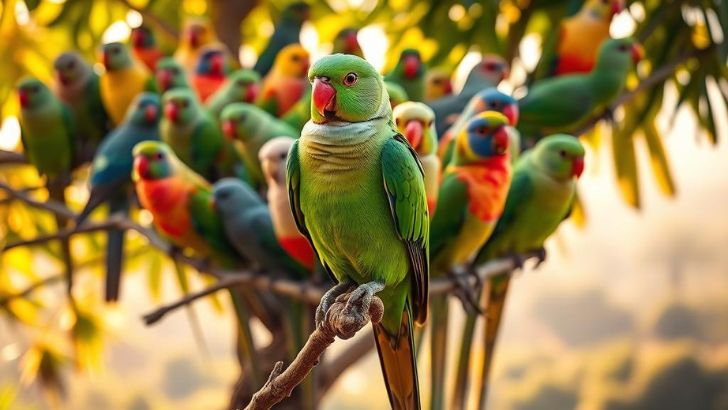
Examining Rose-Ringed Parakeets alongside other parakeet species reveals notable similarities and distinctions. The Rose-Ringed Parakeet is particularly striking due to its vivid green plumage and unique rose-colored neck ring, making it a favored choice among avian aficionados.
Characteristics Comparison
When comparing Rose-Ringed Parakeets with other parakeet species, several distinguishing features emerge. Their plumage coloration and beak morphology represent key differences. For instance, the Rose-Ringed Parakeet´s brilliant green feathers and red beak set it apart from the Alexandrine Parakeet, which exhibits more subdued coloration.
| Species | Plumage Color | Beak Color | Size |
|---|---|---|---|
| Rose-Ringed Parakeet | Bright Green | Red | 40 cm |
| Alexandrine Parakeet | Green with Blue Tinge | Red | 45 cm |
| Monk Parakeet | Green | Pale Pink | 30 cm |
Popularity Among Bird Enthusiasts
Rose-Ringed Parakeets are highly esteemed by bird enthusiasts for their intelligence and their facility for mimicking human speech. An expert ornithologist has commented, “The Rose-Ringed Parakeet´s mimicry skills are unmatched, making it a top choice for bird keepers.”
“Parakeets are known for their intelligence and ability to learn tricks, but the Rose-Ringed Parakeet stands out for its exceptional mimicry skills.”
Here are some statistics reflecting their popularity:
- Rose-Ringed Parakeets rank among the top five most commonly kept parakeet species in aviaries.
- They tend to form strong bonds with their caretakers, which contributes to their suitability as pets.
- Their vibrant plumage and active demeanor make them a source of considerable enjoyment for observers.
How to Spot Rose-Ringed Parakeets in the Wild
Observing rose-ringed parakeets in their natural environment is a particularly rewarding experience for birdwatchers. These birds are easily recognizable by their striking coloration and distinctive characteristics, making them a favored subject for nature enthusiasts.
Optimal Locations
Rose-ringed parakeets inhabit temperate and warm climates. To increase the chances of sighting them, it is advisable to visit areas characterized by an abundance of fruit-bearing trees and open woodland environments, as these are their preferred habitats.
Birdwatching Tips
To effectively spot rose-ringed parakeets, it is essential to practice patience and maintain a quiet demeanor, as they are sensitive to loud noises. Look for their vibrant green feathers and the characteristic rose-colored ring that adorns the necks of the males.
Observing their behaviors, such as flocking patterns and foraging activities, can significantly enhance the birdwatching experience. Familiarity with their traits and habits will contribute to a more enjoyable observation period.
FAQ
What is the average lifespan of a rose-ringed parakeet in captivity?
Rose-ringed parakeets can live for up to 30 years or more in captivity, provided they receive appropriate care and management.
What are the dietary needs of rose-ringed parakeets?
They require a balanced diet comprising fruits, seeds, and vegetation. A nutrient-dense commercial pellet should form the staple of their diet, supplemented with fresh foods.
How can I identify a rose-ringed parakeet?
They are identifiable by their bright green plumage and a distinctive rose-colored ring around their neck, which is visible in adult birds.
Are rose-ringed parakeets considered a threatened species?
Their conservation status varies by region. Globally, they are not classified as threatened, but localized populations face challenges from habitat loss and the pet trade.
Can rose-ringed parakeets be kept as pets?
Yes, they can be kept as pets, but this requires a thorough understanding of their care and social needs. They are intelligent and social, necessitating stimulation and interaction.
How do rose-ringed parakeets communicate?
They possess loud and distinct calls, which are vital for their communication. They utilize a range of vocalizations to convey messages, including alarm calls and contact calls.
What are the social needs of rose-ringed parakeets?
They are highly social birds that require interaction and stimulation. They coexist well with other birds and need attentive engagement from their owners.
How can I provide the best care for my rose-ringed parakeet?
To ensure optimal care, provide a balanced diet, a spacious enclosure, and ample social interaction. Regular veterinary check-ups are also crucial for maintaining their health.