
The African grey parrot is among the most intellectually impressive avian species. Mimicking human speech with unparalleled skill and showcasing problem-solving abilities that redefine our understanding of bird intelligence, these captivating birds have fascinated people for centuries. However, their popularity as pets and the decline of their wild populations create a complex relationship between our admiration for them and the need to conserve them. This guide delves into the world of African grey parrots – from their natural environment and extraordinary intelligence to the challenges they face and the essential aspects of their proper care.
Species Overview: Introducing the African Grey
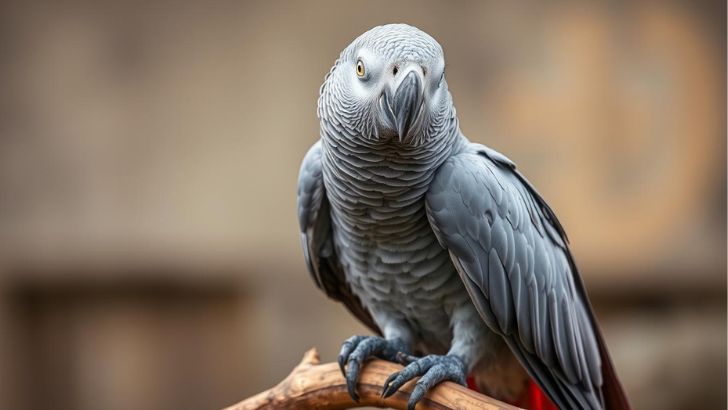
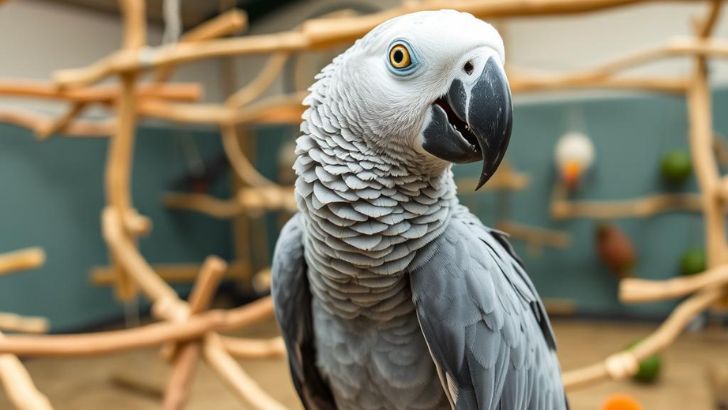
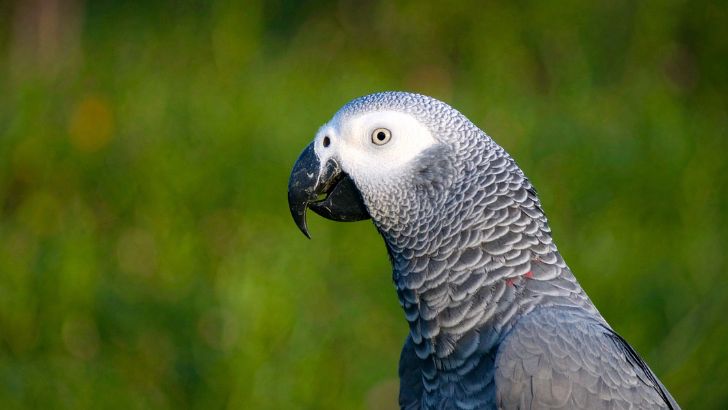
The African grey parrot (Psittacus erithacus) is a medium-sized bird species originating in the rainforests of West and Central Africa. They are easily recognized by their mottled grey feathers, a striking red tail, and a black beak set against a white facial mask framing their yellow eyes. Adults typically measure around 13 inches (33 cm) in length and weigh roughly 400 grams (14 ounces).
Physical Characteristics
Two subspecies are frequently acknowledged: the Congo African grey, which is the primary species, and the smaller Timneh African grey (Psittacus erithacus timneh). Congo greys showcase lighter gray plumage and bright scarlet tails, while Timneh greys possess darker, charcoal-colored plumage and maroon tail feathers. Both subspecies share the exceptional intelligence and vocal capabilities that distinguish African greys.

Their robust beaks aid in cracking nuts and seeds in the wild, while their zygodactyl feet (two toes facing forward, two backward) provide excellent dexterity for climbing and manipulating items. In the wild, these birds can live for 40-60 years. Captive specimens, with appropriate care, can live up to 80 years old.
Natural Habitat
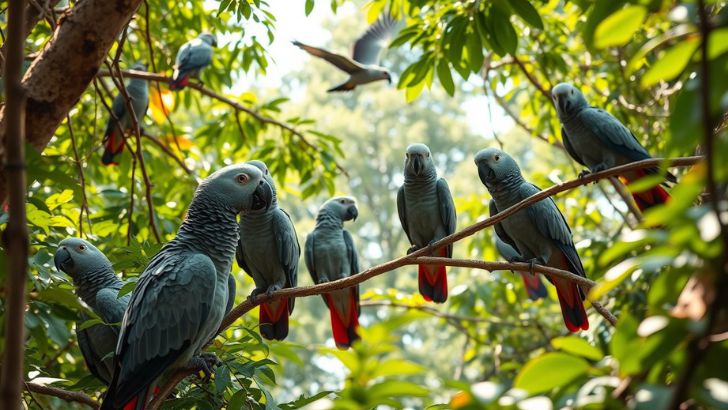
African grey parrots reside in various lowland forest environments throughout central and western Africa, including primary and secondary rainforests, forest edges, woodlands, mangroves, and wooded savannahs. They are highly social birds that gather in large flocks, occasionally numbering thousands, to roost together at night. During the day, they split into smaller groups for foraging, consuming fruits, nuts, seeds, and berries—with a particular fondness for oil palm fruits.
| Characteristic | Details |
| Scientific Name | Psittacus erithacus |
| Size | Around 13 inches (33 cm) |
| Weight | 400 grams (14 oz) on average |
| Lifespan | 40-60 years wild, up to 80 years captive |
| Diet | Fruits, nuts, seeds, berries, palm fruits |
| Range | Central and West Africa |
| Conservation Status | Endangered (IUCN Red List) |
Remarkable Cognitive Abilities
The extraordinary intelligence of the African grey parrot is what truly sets them apart. These birds possess cognitive skills comparable to those of great apes and marine mammals, with problem – solving and communication abilities that have amazed researchers for decades.
Language and Mimicry
African greys are exceptional mimics, capable of learning hundreds of words and using them in appropriate contexts. Contrary to simple “parroting,” research has shown that these birds can understand the meaning behind words and use language purposefully. A notable example is Alex, an African grey researched by Dr. Irene Pepperberg, who demonstrated an understanding of over 100 words, could identify colors, shapes, and materials, and even grasped the concept of “zero” – an abstract notion that many primates find challenging.
Problem-Solving and Tool Use
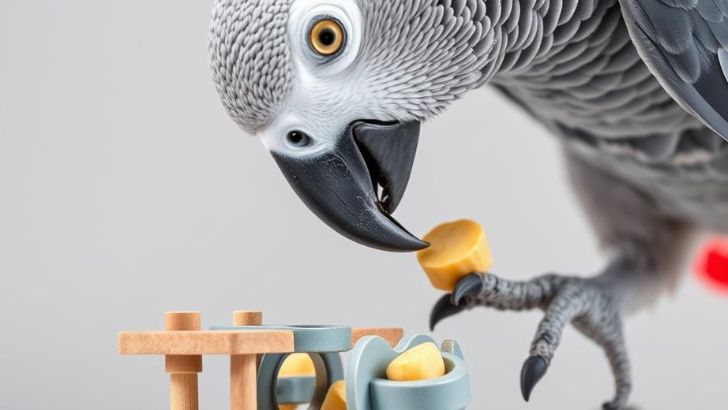
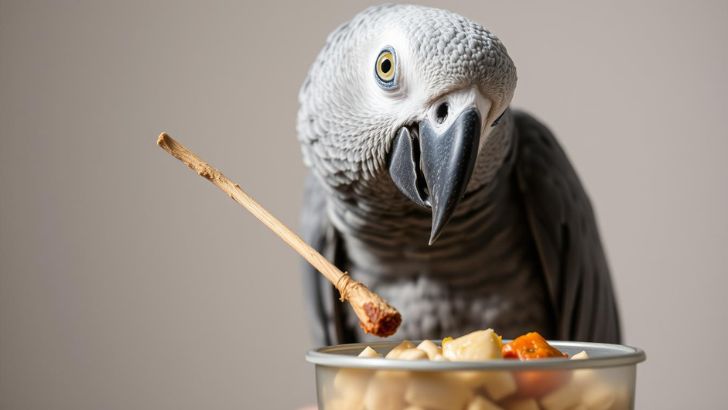
These birds excel at solving complex problems and can even utilize tools – a behavior once thought to be unique to humans and a few other mammals. Studies have documented African greys using sticks to retrieve unreachable objects and manipulating multiple objects to achieve goals. They can grasp cause-and-effect relationships, delay gratification for better rewards, and learn by observing others.
Emotional Intelligence
Perhaps most remarkably, African greys display emotional intelligence that suggests self-awareness and empathy. They develop strong bonds with their caretakers, can recognize different human emotions, and may even try to comfort distressed humans or other birds. Their social nature in the wild translates to complex emotional needs in captivity, requiring regular interaction and mental stimulation to prevent psychological distress.
Learn more about intelligent parrot species: cockatiel, monk parakeet, rose-ringed parakeet
Conservation Challenges
Despite, or perhaps because of, their remarkable abilities, the survival of African grey parrots is under serious threat in the wild. The International Union for Conservation of Nature (IUCN) lists the species as Endangered, with population declines exceeding 50% in some regions over three generations.
Threats to Wild Populations
The main threats facing African grey parrots include:
- Illegal Pet Trade: Their intelligence and mimicry skills make them highly sought-after as pets, which fuels extensive trapping operations that remove thousands of birds from the wild annually.
- Habitat Loss: Deforestation for agriculture, logging, and urban development continues to reduce available habitat across their range.
- Hunting: In some regions, African greys are hunted for meat or traditional medicine.
- Low Reproductive Rate: With small clutch sizes and slow maturation, wild populations recover slowly from losses.

Conservation Efforts
Several initiatives aim to protect the remaining wild populations:
- CITES Protection: African grey parrots are listed under Appendix I of the Convention on International Trade in Endangered Species (CITES), which prohibits international commercial trade in wild-caught birds.
- Protected Areas: Conservation of key forest habitats through national parks and reserves helps preserve breeding populations.
- Community Programs: Engaging local communities in conservation through sustainable livelihoods and anti-poaching initiatives.
- Captive Breeding: Ethical breeding programs help meet demand for pets without impacting wild populations.
Caring for African Greys as Pets
The decision to welcome an African grey parrot into your home shouldn´t be taken lightly. These intelligent, long-lived birds require specialized care, a significant time commitment, and a proper understanding of their complex needs. Many African greys outlive their owners, requiring provisions for their care across decades.

Diet Requirements
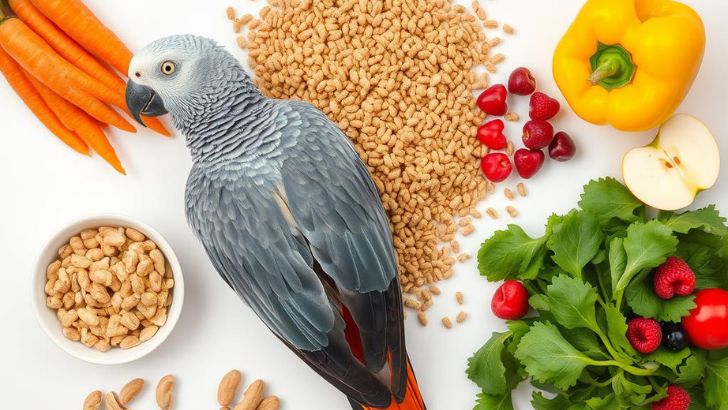
A proper diet for captive African greys should include:
- High-Quality Pellets: Should constitute 75-80% of the diet, providing balanced nutrition.
- Fresh Fruits and Vegetables: About 20% of the diet, offering variety and essential nutrients.
- Nuts and Seeds: Limited to 5% of the diet as occasional treats due to their high fat content.
- Clean Water: Fresh, clean water should always be available.
Avoid chocolate, avocado, caffeine, alcohol, and foods high in salt or sugar, as these can be toxic to parrots.
Mental Stimulation and Environment
African greys require extensive mental stimulation to prevent boredom and destructive behaviors:
- Spacious Cage: Minimum dimensions should allow the bird to fully extend its wings without touching the sides.
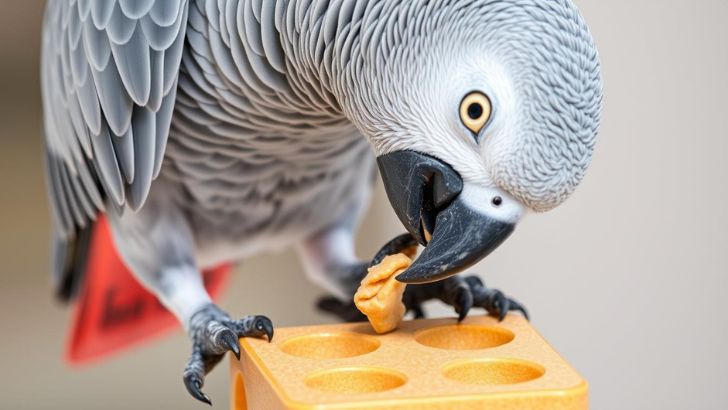
- Toys and Puzzles: Rotate regularly to provide novel challenges and prevent boredom.
- Social Interaction: At least 3-5 hours daily of direct interaction with owners.
- Out-of-Cage Time: Safe, supervised time outside the cage for exercise and exploration.
Training Sessions: Regular positive reinforcement training provides mental stimulation and strengthens bonds.
Common Health Issues
Owners should be aware of these common health concerns:
- Feather Plucking: Often caused by stress, boredom, or medical issues.
- Calcium Deficiency: Can lead to seizures and requires proper diet and supplements.
- Respiratory Infections: Watch for nasal discharge, wheezing, or labored breathing.
- Psittacosis: A bacterial infection that can transfer to humans.
- Vitamin A Deficiency: Common in seed-only diets, affecting respiratory and immune systems.
Ethical Considerations
Anyone considering keeping an African grey as a pet should consider the relevant ethical questions carefully.
The Ethics of Keeping Intelligent Birds
African greys possess cognitive abilities comparable to young children. This level of intelligence raises ethical questions about keeping them in captivity, particularly in environments that may not adequately meet their complex social and mental needs. Even well-intentioned owners may struggle to provide the decades of consistent care, stimulation, and companionship these birds require.
Their long lifespans – potentially 50 – 80 years – mean they often outlive their owners or outlast the owner´s ability to care for them. This frequently results in rehomed birds experiencing the trauma of losing their bonded human companions.
Adoption vs. Purchase
For those committed to providing a home for an African grey, adoption from reputable rescue organizations offers several advantages:
- Rescue Organizations: Many parrots require rehoming due to changing owner circumstances.
- Known Personality: Adult birds have established personalities, making compatibility assessment easier.
- Reducing Demand: Adoption doesn´t contribute to breeding demand that may indirectly support wild capture.
- Second Chances: Provides loving homes for birds that have already experienced the trauma of losing their previous owners.
The Future of African Greys
The African grey parrot embodies one of nature´s most remarkable achievements – a bird with intelligence that challenges our understanding of animal cognition. Their ability to communicate, solve problems, and form deep bonds with humans makes them extraordinary companions but also places them at risk in the wild.
Whether you’re considering acquiring an African grey as a pet or simply admire these remarkable birds from afar, supporting conservation efforts helps ensure that wild populations survive for future generations. For those committed to parrot ownership, adopting from reputable rescues and providing the extensive care these birds require represents the most ethical path forward.
By understanding both the remarkable abilities of African grey parrots and the significant responsibilities of their care, we can better protect these intelligent birds both in captivity and in their natural habitats across Africa.