

As cat owners, we know how important it is to keep our pets healthy. A key part of their health is the health of their mouth. Ignoring their dental care can cause serious health problems. We´ll explore why cat dental care is important. We´ll also share easy ways to keep your cat´s teeth in good shape. Understanding how oral health affects overall health helps us take better care of our cats.
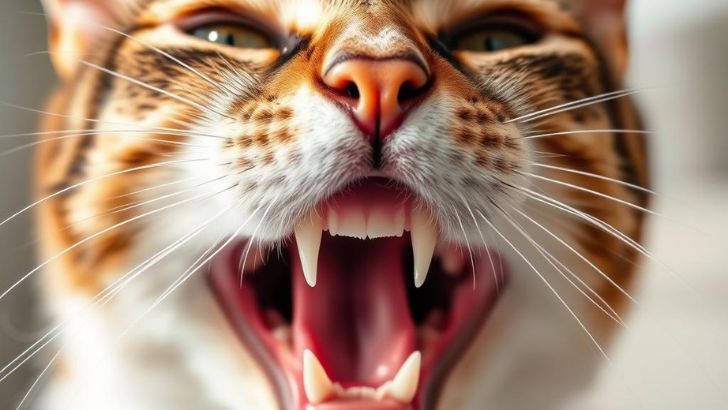
Why Cat Dental Care is Important
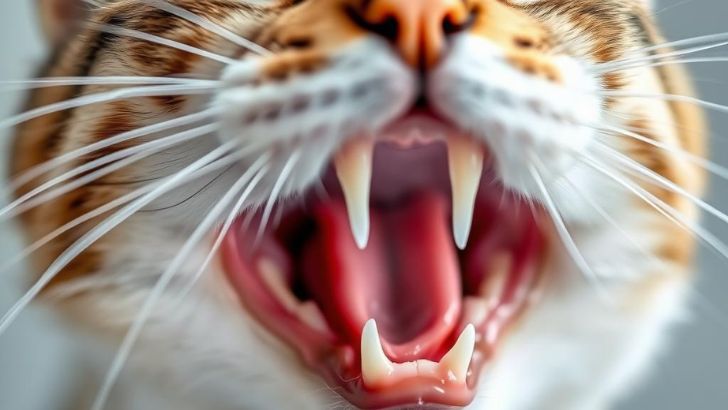
Keeping your cat´s teeth healthy is key to avoiding many health problems. Good pet dental hygiene means more than just a pretty smile. It´s about keeping your cat healthy and happy.
The Connection Between Oral Health and Overall Health
Poor dental health in cats can lead to serious diseases. These diseases can affect major organs like the heart, liver, and kidneys. Studies show a strong link between oral health and overall health in cats.
Bacteria from the mouth can spread to other parts of the body. This can cause infections and harm your cat´s health.
“The oral cavity is a window to the overall health of the body. Periodontal disease is a serious infection that can have far-reaching consequences if left untreated.”
Common Dental Issues in Cats
Cats often get dental problems like tartar buildup, gingivitis, and periodontal disease. Regular cat teeth cleaning can prevent these problems. Here´s a quick look at these common issues:
| Dental Issue | Description | Prevention |
|---|---|---|
| Tartar Buildup | Hardened plaque on teeth | Regular brushing |
| Gingivitis | Inflammation of gums | Dental chews and professional cleanings |
| Periodontal Disease | Infection of gums and bone | Regular dental check-ups |
Signs Your Cat Might Have Dental Problems
Spotting dental problems early is important. Look for bad breath, yellow or brown teeth, and changes in eating habits. If you see these signs, talk to your vet about cat dental care.
Understanding the importance of pet dental hygiene and knowing the signs of dental problems helps. You can then care for your cat´s teeth and overall health.
Understanding Your Cat´s Dental Structure
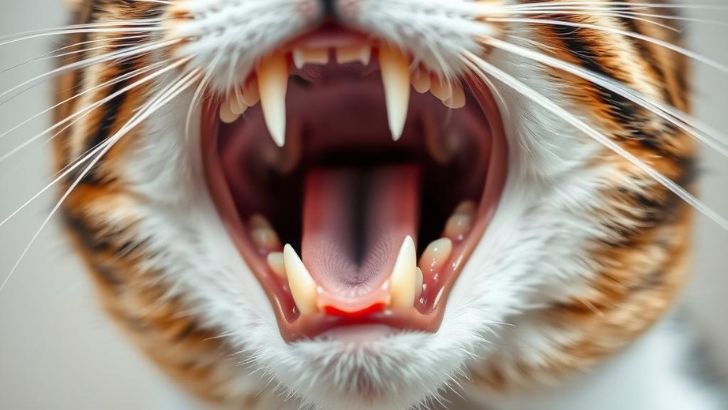
Knowing about your cat´s dental structure is key to their health. Cats have a unique dental setup. This knowledge helps you care for their teeth better.
Overview of Cat Teeth
Cats are born without teeth. They get baby teeth at 3-4 weeks. At 6-7 months, these are replaced by permanent teeth. Adult cats have 30 teeth, perfect for catching and tearing.
A cat´s tooth has a crown and root. The dentin and pulp are inside, with nerves and blood vessels in the pulp. Knowing this shows how complex your cat´s dental health is.
How Teeth Change Over Time
As cats age, their teeth change a lot. Years of use can wear them down, leading to dental problems. It´s important to watch your cat´s dental health for early problems.
| Age | Dental Changes | Common Issues |
|---|---|---|
| Kitten (0-6 months) | Deciduous teeth erupt, then are replaced by permanent teeth | Teething pain, occasional misalignment |
| Adult (1-7 years) | Teeth are fully developed and at their sharpest | Gingivitis, tartar buildup |
| Senior (8+ years) | Teeth start to show wear, possible tooth loss | Periodontal disease, tooth root abscesses |
Understanding how your cat´s teeth change helps you keep their dental health in check. This helps you avoid common cat dental problems.
Regular Dental Check-ups
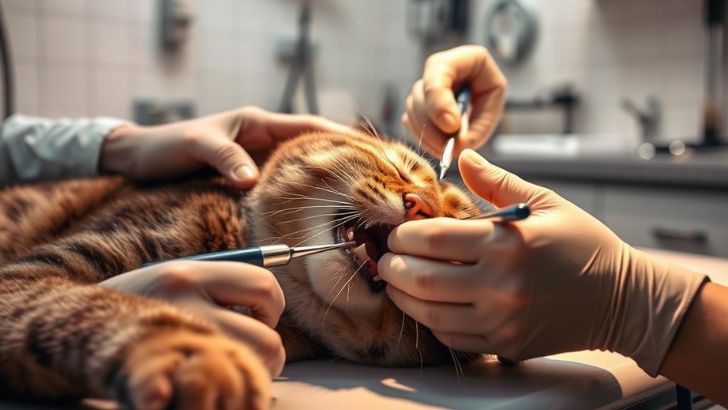
Taking your cat for regular dental check-ups is important. These visits help keep your cat´s mouth healthy. Regular exams can prevent and catch dental problems early.
When to Schedule Vet Visits
Take your cat for a dental check-up at least once a year. But, some cats might need more visits based on their age, health, and breed. Talk to your vet to find out how often your cat needs a check-up.
What to Expect During a Dental Exam
Your vet will check your cat´s mouth during a dental exam. They will look at the teeth, gums, and tissues. They´ll check for signs of dental disease, like tartar, gum recession, or tooth decay.
They might do a cat dental cleaning if needed. This removes plaque and tartar above and below the gum line. The exam is done under anesthesia to keep your cat comfortable and safe.
After the exam, your vet will talk to you about what they found. They´ll suggest a treatment plan if needed. Regular dental check-ups are necessary to keep your cat´s oral hygiene healthy.
Daily Oral Hygiene for Cats

Keeping your cat´s mouth clean is vital for their health. Daily care helps prevent problems. These problems can cause bigger health issues if not treated.
Learn more about keeping your cat healthy: cat sneezing a lot, cat constipation remedies, cat feeding schedule
Best Practices for Brushing Your Cat’s Teeth
Brushing your cat´s teeth is a great way to keep their mouth healthy. Start by letting them get used to the toothbrush and toothpaste. Let them explore these tools at their own pace.
Here are some steps to follow:
- Begin by gently massaging your cat´s gums with your finger to help them become comfortable with the sensation.
- Gradually introduce the toothbrush, starting with small areas and increasing coverage over time.
- Use a toothpaste made for cats, because human toothpaste can be harmful.
- Make the experience positive by rewarding your cat with treats and praise.
Recommended Toothpaste and Brushes
Choosing the right products is crucial. Look for products made for cats. They are safer and more effective.
Toothpaste Recommendations:
- Look for a toothpaste with the Veterinary Oral Health Council (VOHC) seal. It means it meets quality standards.
- Choose a flavor your cat enjoys to make brushing easier.
Toothbrush Recommendations:
- Choose a toothbrush designed for cats, with soft bristles and a small head. It should fit in their mouth.
- Consider a finger brush for easier control. It helps your cat get used to brushing.
Dental Treats and Their Benefits
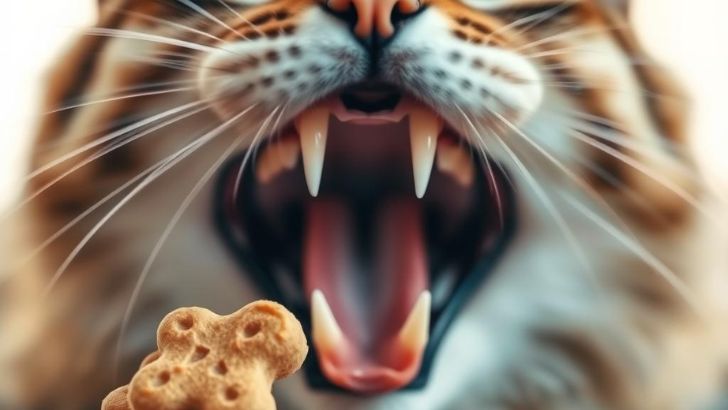
Dental treats can greatly improve your cat´s oral health. They are designed to reduce tartar and plaque. This keeps their teeth and gums healthy. The right treats can benefit dental care.
Popular Dental Treats for Cats
There are many dental treats for cats, each with its own benefits. Some popular choices include:
- Dental chews that help remove plaque and tartar
- Treats designed to freshen breath
- Raw bones or dental sticks that promote healthy gums
These treats are a tasty and effective way to keep your cat´s teeth clean.
How to Choose the Right Treats
When picking dental treats, consider a few things. Look for treats that are:
- Vet-approved
- Made with safe, non-toxic ingredients
- Designed for your cat´s life stage and diet
Choosing the right treats can give your cat a healthy smile and good oral health.
Professional Dental Cleanings

Professional cleanings are important for keeping your cat´s teeth healthy. They remove harmful tartar and plaque. This can lead to serious dental problems.
What Happens During a Professional Cleaning
Your vet will examine your cat´s mouth during a cleaning. They look for dental problems and check the teeth and gums.
The cleaning removes tartar and plaque from your cat´s teeth. This includes areas above and below the gum line. Then, the teeth are polished to remove any plaque and smooth surfaces. This makes it harder for plaque to build up again.
Importance of Anesthesia in Dental Procedures
Anesthesia is used to keep your cat calm and pain-free during cleanings. It´s important for your cat´s safety and comfort. It lets the vet clean your cat´s teeth without stress.
| Procedure Stage | With Anesthesia | Without Anesthesia |
|---|---|---|
| Tartar Removal | Thorough removal possible | Limited by cat’s discomfort |
| Teeth Polishing | Effective polishing for smooth surfaces | Difficult to achieve thorough polishing |
| Cat’s Comfort | Pain-free experience | Potential for pain and stress |
Natural Remedies for Cat Dental Care
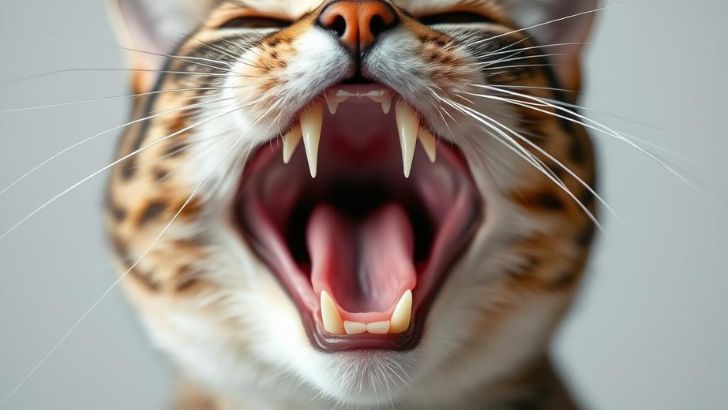
Natural remedies can help keep your cat´s teeth clean. These range from homemade solutions to store-bought products. These are good for cat owners who prefer a natural approach to their pet´s health.
Home-Made Dental Solutions
Making your own dental care at home can save money and be fun. For example, you can mix water with apple cider vinegar as a dental rinse. Always talk to your vet before trying anything new to keep your cat safe.
Some people add special foods or supplements to their cat´s diet to help. Raw bones or dental chews can reduce tartar and plaque. But it´s best to get advice from a vet to make sure it´s safe and works well.
Off-the-Shelf Products That Work
If you prefer ready-made products, there are many options. You can find toothpastes, dental chews, and water additives that help keep your cat´s mouth clean.
When choosing products, look for those recommended by vets or with the VOHC seal. This means they´ve been tested and work well for cat oral hygiene.
Use these options as part of a complete dental care plan with vet visits. Professional care with natural remedies can keep your cat´s teeth healthy.
Recognizing and Preventing Bad Breath

Bad breath in cats, or halitosis, can signal dental problems. Knowing the causes and prevention methods is key. This keeps your cat healthy and happy.
Causes of Foul Odor in Cats
Several factors can cause bad breath in cats. Dental disease from plaque and tartar is a common cause. This can lead to gum disease and infection. Other causes include gastrointestinal issues, kidney disease, and diabetes. Regular vet visits can catch these problems early.
| Cause | Description | Prevention/Treatment |
|---|---|---|
| Dental Disease | Buildup of plaque and tartar leading to gum disease and infection. | Regular brushing, dental chews, and professional cleanings. |
| Gastrointestinal Issues | Problems such as gastritis or inflammatory bowel disease. | Dietary changes, medication, and managing stress. |
| Kidney Disease | A condition where the kidneys lose their ability to filter waste. | Early detection through blood tests, dietary adjustments. |
Tips to Combat Bad Breath
To fight bad breath in cats, combine good oral hygiene, vet care, and health management. Brushing your cat´s teeth regularly is key to preventing dental disease. Dental chews and treats can also help.
Ensure your cat eats a balanced diet. Also, keep up with regular vet visits. These steps are important for your cat´s mouth and overall health.
Long-Term Dental Care for Cats
A long-term plan is key for your cat´s oral health. A regular dental routine and a good diet can prevent problems. This ensures your cat stays healthy.
Establishing a Routine
Start with regular brushing, dental treats, and vet visits. These habits should be part of your cat´s daily life. They help keep their mouth healthy and catch problems early.
Diet´s Impact on Oral Health
A good diet is key for your cat´s dental health. Choose high-quality, nutrient-rich food to support their teeth and gums. Some cat foods are designed to fight tartar and plaque, keeping teeth healthy.
With a regular dental routine and the right diet, your cat´s teeth will stay healthy. This supports their dental care and overall health for years.
FAQ
How often should I schedule a dental check-up for my cat?
We recommend a dental check-up once a year. But, it depends on your cat´s age, breed, and health.
What are the signs that my cat has dental problems?
Bad breath and yellow or brown teeth are signs of dental problems. Changes in eating habits and pawing at the mouth are also signs. If you notice these signs, contact your vet.
Can I brush my cat´s teeth, and if so, how?
Yes, brushing your cat´s teeth is key for their oral health. Use a cat-specific toothbrush and toothpaste. Start slowly to make it a good experience.
What is the importance of anesthesia in professional dental cleanings?
Anesthesia makes cleanings safe and comfortable. It lets vets do a thorough job without stress or pain.
Are dental treats effective in maintaining my cat´s oral health?
Dental treats can help keep your cat´s teeth and gums healthy. They reduce tartar and plaque. But, they shouldn´t replace brushing and vet visits.
How can I prevent bad breath in my cat?
To stop bad breath, keep your cat´s teeth clean with brushing and vet check-ups. A balanced diet and dental treats also help.
What role does diet play in my cat´s dental health?
A good diet is crucial for your cat´s dental health. A diet with nutrients helps prevent problems.
Can I use human toothpaste to brush my cat´s teeth?
No, human toothpaste is not safe for cats. It has harmful ingredients. Always use cat-specific toothpaste.
How can I make brushing my cat´s teeth a positive experience?
Introduce the toothbrush and toothpaste slowly. Reward your cat with treats and praise. Be patient and gentle, and don´t force it.