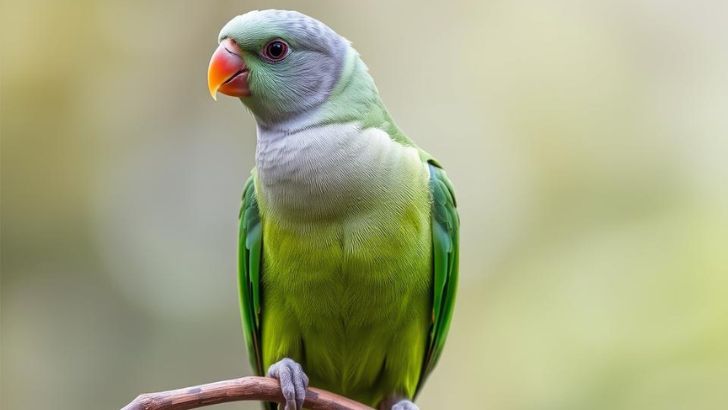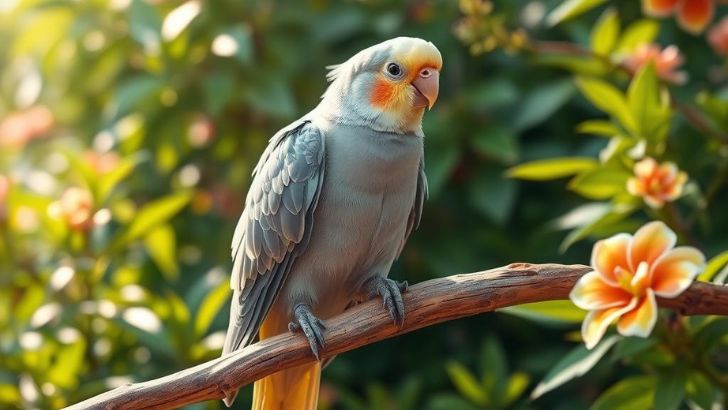

Those of us who own budgerigars know the immense delight they bring into our lives. Originating from Australia, these birds are recognized for their intelligence and gregarious nature, making them a highly favored choice for a pet bird.
To ensure your parakeet remains both content and in good health, several essential care practices must be followed. These include providing an appropriate diet, maintaining a clean and sufficiently large living space, and dedicating quality time for interaction.
By adhering to a comprehensive guide for budgerigar care, you can effectively contribute to your pet’s overall happiness and well-being.
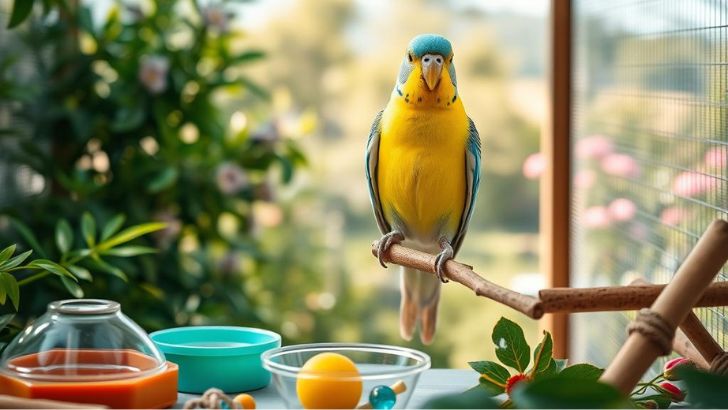
Understanding the Budgerigar’s Needs
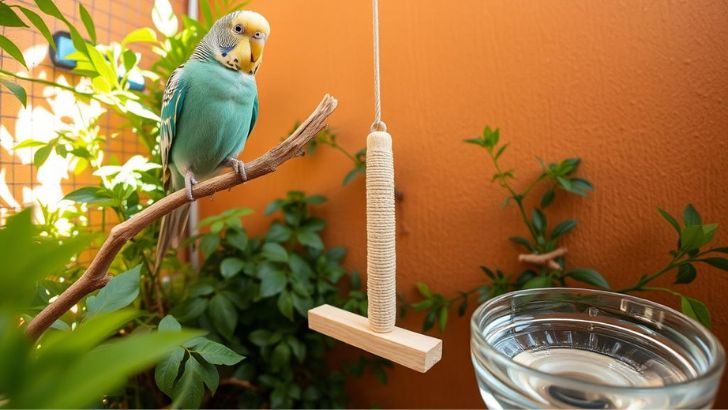
Budgerigars, which are small parrots characterized by their colorful plumage, require specialized care to thrive. As intelligent creatures, they necessitate an environment that actively promotes their engagement and contentment.
Social Behavior and Interaction
Budgerigars have a pronounced inclination towards human company and are capable of forming deep attachments, exhibiting considerable affection. To foster your budgerigar´s happiness, it is crucial to provide ample attention and opportunities for play. Here are some recommended strategies:
- Dedicate a minimum of one hour daily to interacting with your budgerigar, involving activities such as conversing, playing games, or allowing it supervised flight within a secure, enclosed area.
- Furnish your budgerigar with toys that present a challenge and stimulate its mind, such as intricate puzzle toys or amusement swings.
- Consider acquiring an additional budgerigar as a companion if your schedule is demanding and limits your ability to provide sufficient daily interaction with your existing pet.
Dietary Requirements
It is imperative to ensure that your budgerigar receives a diet composed of the correct nutritional elements. Their dietary needs encompass a combination of seeds, specialized pellets, and a variety of fresh fruits and vegetables. The following guidelines are recommended:
- Offer a high-quality seed mix containing a diverse assortment of seeds.
- Supplement this primary diet with pellets specifically formulated for budgerigar consumption.
- Provide fresh fruits and vegetables daily, including options such as carrots, apples, and various leafy greens.
By thoroughly understanding and diligently meeting these specific requirements, you can effectively guarantee that your budgerigar leads a life characterized by both happiness and robust health.
Choosing the Right Cage for Your Budgerigar
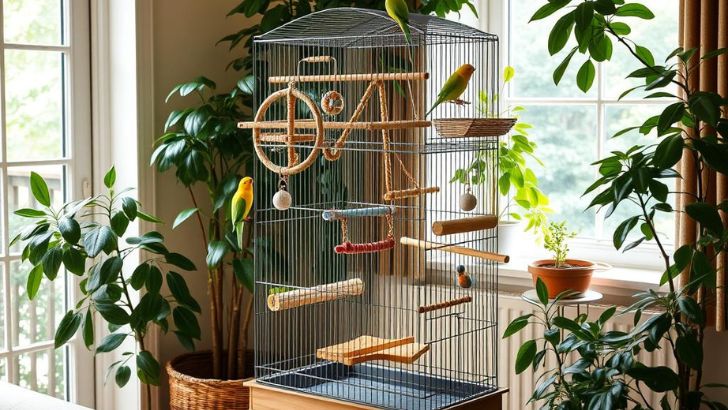
The selection of an appropriate cage is fundamental to ensuring your budgerigar´s overall happiness, as it provides the necessary space and security it requires.
Size and Space Considerations
When selecting a cage, the dimensions and available space are paramount considerations. Your budgerigar requires sufficient room to engage in flight, stretch its wings, and participate in play. A larger cage contributes significantly to maintaining the bird´s health and contentment.
It is advisable to choose a cage measuring at least 18 inches in width, 18 inches in height, and 24 inches in length. This size ensures that your bird has ample freedom for comfortable movement.
Suggested Cage Accessories
The inclusion of various accessories can transform the cage into a truly welcoming and comfortable habitat for your pet bird.
- Perches of differing sizes and textures are essential for maintaining the health of your budgerigar´s feet.
- An assortment of toys, including bells, ladders, and chewable items, serves to both entertain and mentally stimulate your bird.
- A designated food dish, a water dispenser, and a cuttlebone or mineral block are indispensable components for supporting your bird´s dietary intake and ensuring the health of its beak.
By carefully choosing both the cage and its accompanying accessories, you are effectively creating an environment that promotes happiness and good health for your budgerigar.
Nutrition: Feeding Your Budgerigar Right
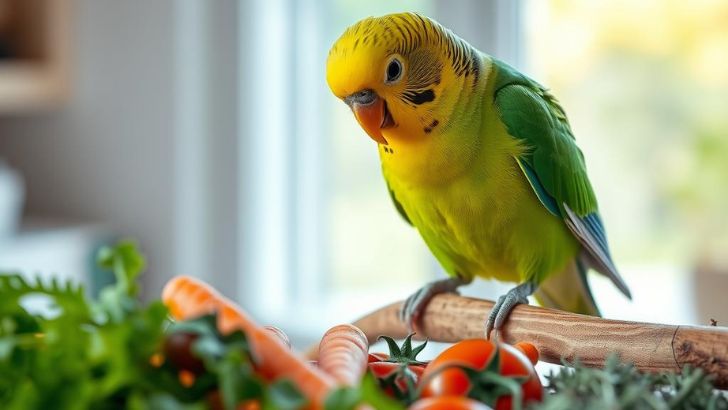
Your budgerigar, with its origins in Australia, requires a diet that closely mirrors its natural feeding habits. A well-balanced dietary regimen is fundamentally important for maintaining your bird´s health and overall happiness.
Learn more about small, friendly birds: small pet birds, cockatiel, monk parakeet
Best Seeds and Pellets
Seeds and specially formulated pellets should constitute the primary components of your budgerigar´s diet. Seeds provide essential fatty acids, while pellets deliver vital vitamins and minerals. A suitable seed mix should incorporate varieties such as millet, canary seed, and safflower seeds.
- Millet: This seed is abundant in carbohydrates and is a favored food among budgerigars.
- Canary Seed: High in dietary fiber, canary seed plays a role in supporting healthy digestive function.
- Safflower Seeds: These seeds are a valuable source of protein and are generally considered less susceptible to contamination by aflatoxins.
It is recommended to select pellets that are specifically produced for budgerigar consumption and are free from artificial additives.
Fresh Fruits and Vegetables
Incorporating fresh fruits and vegetables into your budgerigar´s diet is of critical importance. These food items supply essential nutrients and contribute to the overall balance of the diet. Some safe and beneficial options include:
- Apples: These are rich in dietary fiber and antioxidants.
- Carrots: Being high in vitamin A, carrots support healthy vision and bolster the immune system.
- Leafy Greens: Varieties such as kale and spinach are packed with an array of vitamins and minerals.
It is advisable to introduce new foods gradually to prevent any potential digestive upset. Ensure that all fruits and vegetables offered are fresh and have been grown without the use of pesticides.
By combining high-quality seeds and pellets with a selection of fresh fruits and vegetables, you can provide your budgerigar with a nutritionally sound diet. This practice will undoubtedly contribute to your pet bird enjoying a long and healthy life.
Routine Care for a Healthy Budgerigar
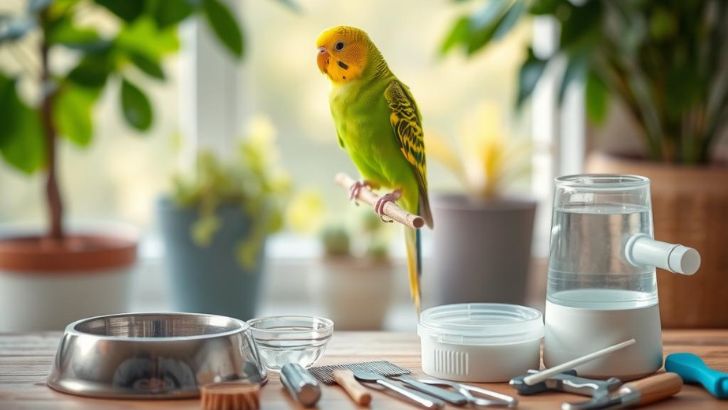
Maintaining a clean living environment for your budgerigar is absolutely essential for its health. Routine care involves several critical steps, all of which contribute to keeping your pet bird happy and healthy.
Regular Cleaning Tips
Frequent cleaning of your budgerigar´s cage is of utmost importance, as it serves to inhibit the proliferation of bacteria and the development of diseases. Daily cleaning tasks should encompass the removal of soiled bedding, the thorough cleaning of food and water dishes, and the disinfection of cage surfaces using appropriate and safe cleaning agents.
- The bedding material should be replaced on a weekly basis.
- Perches and toys should be cleaned regularly to prevent the accumulation of bacteria.
- It is important to ensure that the cage environment is maintained at a stable temperature, neither too cold nor too hot.
Grooming and Feather Care
Grooming plays a vital role in maintaining the pristine condition of your budgerigar´s vibrant plumage and its overall health. It is instrumental in keeping their feathers clean and lustrous. Regular grooming effectively removes accumulated dirt and natural oils from their feathers.
| Grooming Task | Frequency | Benefits |
|---|---|---|
| Nail Trimming | Every 4-6 weeks | Prevents overgrowth, reducing injury risk |
| Beak Trimming | As needed | Keeps the beak in healthy condition |
| Bathing | 2-3 times a week | Maintains feather health and cleanliness |
By diligently following these daily and weekly care recommendations, you will significantly contribute to your budgerigar living a happy and health-filled life.
Creating a Stimulating Environment
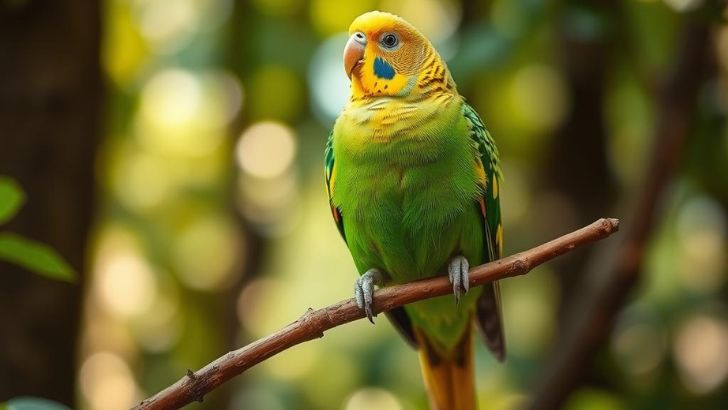
Establishing a stimulating environment is fundamental to enabling your budgerigar to reach its full potential as an amiable companion. By offering a diverse array of engaging activities and suitable toys, you can ensure your intelligent bird remains both entertained and mentally stimulated.
Toys and Playtime Activities
Budgerigars are inherently curious beings that require a variety of toys to maintain their engagement. Some exemplary toys include swings, ladders, and puzzle-based toys that challenge their cognitive and problem-solving abilities.
Engaging in playtime activities outside the confines of the cage is also highly beneficial. You can designate a secure area, specifically bird-proofed, where your bird can freely fly, explore its surroundings, and interact with you.
The Importance of Socialization
Socialization holds significant importance for budgerigars, as they are inherently social birds that flourish through interaction. Dedicating quality time to engage with your budgerigar, conversing with it, and handling it with gentleness will serve to fortify your bond and foster the development of your bird into a friendly and sociable companion.
| Toy/Activity | Description | Benefits |
|---|---|---|
| Swings | Attached to the cage, providing a fun way to play | Exercise, entertainment |
| Puzzle Toys | Challenging toys that require problem-solving | Mental stimulation, reduced boredom |
| Playtime Outside Cage | Supervised flying and exploration time | Exercise, bonding, mental health |
By integrating a combination of appropriate toys, engaging playtime activities, and consistent socialization into your budgerigar´s daily regimen, you can cultivate a stimulating environment. This approach supports its overall welfare and nurtures a strong, amiable connection between you and your intelligent avian friend.
Health Checks: Spotting Potential Issues
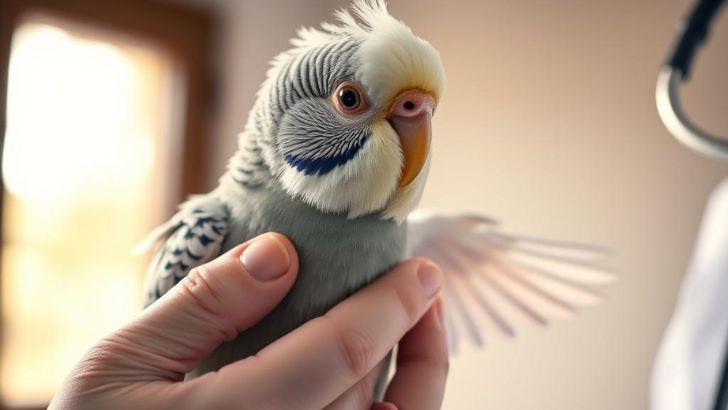
Ensuring your pet budgerigar remains healthy necessitates conducting regular health assessments. These evaluations are instrumental in identifying potential health issues at an early stage, thereby preventing minor concerns from escalating into more significant problems.
Common Ailments in Budgerigars
Budgerigars are susceptible to various health challenges, including respiratory infections, parasitic mite infestations, and nutritional deficiencies. Respiratory infections can stem from bacterial, viral, or fungal pathogens. Indicative symptoms include audible wheezing, sneezing episodes, and difficulty in breathing.
Mites are microscopic parasites that can inhabit your bird´s feathers and skin, causing considerable discomfort. It is advisable to regularly inspect your bird´s feathers and observe its behavior for any signs of mite presence.
| Common Ailments | Symptoms | Prevention |
|---|---|---|
| Respiratory Infections | Wheezing, sneezing, labored breathing | Keep the cage clean, avoid drafts |
| Mites | Excessive preening, feather loss | Regularly inspect feathers, use anti-mite treatments |
| Nutritional Deficiencies | Weakness, poor feather condition | Provide a balanced diet, include fresh fruits and vegetables |
Signs of a Happy and Healthy Bird
A budgerigar that is in good health typically displays active behavior, possesses bright, clear eyes, and exhibits vibrantly colored, well-maintained feathers. Such birds demonstrate a keen interest in playing and interacting with their environment. Their droppings should also appear normal.
Consistent observation of your budgerigar on a daily basis is crucial for the early detection of potential health problems. Understanding the visual indicators of a healthy bird empowers you to respond promptly should any changes in its condition be observed.
Training Your Budgerigar
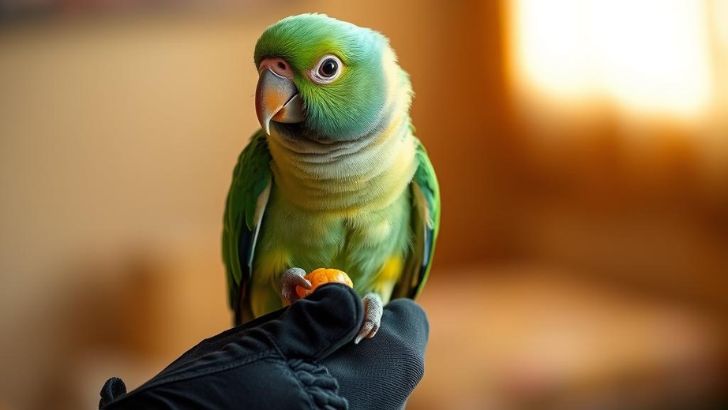
Engaging in training activities with your budgerigar transcends merely teaching tricks; it is fundamentally about cultivating a bond of trust with your pet. The investment of time in training activities will strengthen your mutual connection and enhance the enjoyment for both you and your bird.
Basic Commands and Tricks
Teaching your budgerigar fundamental commands and performing tricks serves to keep its mind agile and encourages physical movement. Begin with straightforward commands such as “step up” and “step down.” Employ treats as positive reinforcement for compliance with instructions.
Once your budgerigar has mastered these basic cues, you can progress to teaching more intricate tricks, which might include flying to a designated perch or performing a “wave” with its foot.
To initiate this, present a treat close to its foot and verbalize the command “wave” while gently touching its foot with the treat. Repeat this process until the bird lifts its foot upon hearing the command. Consistency and patience are paramount for successful training. It is important that all individuals interacting with the bird use the same commands and reward systems to prevent confusion.
Handling and Taming Techniques
Approaching the handling and taming of your budgerigar requires a gentle and gradual methodology. Initially, allow your bird to acclimate to your physical presence. Subsequently, introduce your hand into its cage slowly and deliberately. Proceed with measured and calm movements to avoid causing alarm.
Once your bird appears comfortable with your hand within its cage, commence offering treats. Encourage it to step onto your finger or hand.
As you become more proficient in handling your budgerigar, ensure that you provide proper support for its body and wings. Encircle it gently with your fingers, avoiding excessive pressure. This approach will instill a sense of security and foster trust in you.
By adhering to these recommendations and dedicating consistent effort to training, you can cultivate a robust bond with your budgerigar. It is important to remember that each bird possesses a unique personality, and you should remain flexible in adapting your training techniques to suit your pet´s individual disposition and requirements.
Safeguarding Your Budgerigar
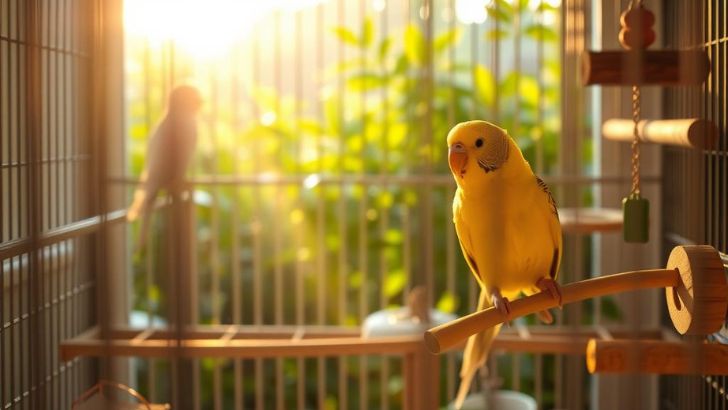
Ensuring the safety of your aviary bird is of paramount importance. Budgerigars, native to Australia, exhibit a natural inclination for movement and exploration, thus requiring a secure and stimulating living environment within your home.
Safe Spaces in Your Home
Identify and meticulously prepare safe zones within your home for your budgerigar. Establish a generously sized cage or aviary that facilitates flight and playful activities. It is crucial to position this habitat away from sources of drafts and direct sunlight to mitigate the risk of overheating.
Tips for Creating Safe Spaces:
- Position the cage in a tranquil area that encourages social interaction for your bird.
- Confirm that the cage provides adequate dimensions for your budgerigar to fly and move freely.
- Ensure that hazardous items and sharp objects are kept completely out of your bird´s reach.
Common Household Hazards
Budgerigars possess an innate and persistent curiosity, which can unfortunately lead them into precarious situations. They may come into contact with toxic substances, electrical cords, or sharp objects.
The adage “A budgie´s curiosity can be its greatest enemy” highlights the inherent risks. It is your responsibility to create a home environment that is safe for your bird. Proactively remove or securely store any potential dangers.
Potential hazards include:
- Toxic fumes emanating from cooking or cleaning processes.
- Uncovered reflective surfaces such as mirrors or windows, which can lead to accidental collisions.
- Loose electrical wiring or devices that could be subject to chewing.
By possessing knowledge of these potential dangers and taking appropriate measures to mitigate them, you can significantly enhance the safety of your home for your budgerigar. This proactive approach ensures that your bird has access to a truly superior living environment.
“The greatness of a nation and its moral progress can be judged by the way its animals are treated.” – Mahatma Gandhi
Prioritizing the protection of your budgerigar not only benefits the bird but also enriches your own life. It introduces joy and results in the presence of a happy and healthy bird within your household.
The Importance of Veterinary Care

Veterinary care extends beyond the mere treatment of existing illnesses; it plays a vital role in disease prevention and the ongoing maintenance of your bird´s healthy state and cheerful disposition. An intellectually curious bird like a budgerigar benefits immensely from regular veterinary check-ups, which are key to identifying health issues in their nascent stages.
Finding an Avian Vet
The initial step in providing superior care is locating a veterinarian with specialized knowledge in avian health. It is important to recognize that not all veterinarians possess the requisite expertise in bird care. Therefore, diligent research is highly recommended.
- Seek recommendations from fellow bird enthusiasts or reputable pet stores.
- Verify that the veterinarian has specific experience with budgerigars or similar avian species.
- Ensure that the veterinary clinic is adequately equipped to address the unique health concerns of birds.
Routine Check-ups and Vaccinations
Following the successful identification of a qualified avian veterinarian, regular visits to the clinic are of paramount importance. These appointments are instrumental in the early detection of health-related issues, enabling prompt and appropriate treatment for your bird.
Vaccinations also play a critical role in preventing various diseases. It is advisable to consult with your veterinarian regarding the recommended vaccination schedule for your budgerigar and to adhere to their professional guidance without deviation.
By prioritizing veterinary care, you are not simply focused on maintaining your pet bird´s physical health; you are also actively enhancing the quality of its life. Regular veterinary visits provide valuable peace of mind and contribute to the enjoyment of a longer, more fulfilling companionship with your budgerigar.
Enriching Your Budgerigar’s Life
As previously discussed, the provision of a nurturing environment is fundamental to your budgerigar´s overall welfare. One highly effective method for enhancing their quality of life involves considering their innate need for companionship. Budgerigars are inherently social creatures that exhibit a strong preference for interaction.
Social Benefits of Pairing
Introducing a companion budgerigar can significantly ameliorate your existing budgerigar´s social experiences. This companionship serves to alleviate feelings of loneliness and reduce stress levels. The presence of a conspecific enhances their vibrant plumage, as they experience greater comfort and mental stimulation.
Activities to Strengthen Your Bond
Engaging in specific activities designed to foster interaction with your budgerigar can effectively strengthen the bond between you. Simple actions such as regularly rotating their toys, offering occasional treats, and dedicating time for supervised out-of-cage activities can yield substantial positive outcomes. These endeavors not only contribute to their enrichment but also deepen the connection you share with your amiable companion.
FAQ
What is the ideal cage size for a budgerigar?
The cage should measure a minimum of 18 inches in length, 12 inches in width, and 12 inches in height. This provides your budgerigar with ample space for flight and exercise.
What should I feed my budgerigar?
You should feed your budgerigar a daily diet consisting of a mix of high-quality seeds, pellets, and fresh fruits and vegetables. This dietary approach adequately meets the nutritional requirements of this Australian native bird.
How often should I clean my budgerigar´s cage?
The cage should undergo cleaning at least once weekly. This involves removing soiled bedding, cleaning the food and water containers, and disinfecting all surfaces. This practice is essential for maintaining your budgerigar´s health.
Can budgerigars be kept in pairs?
Certainly, budgerigars are social creatures and typically thrive when kept in pairs. This arrangement provides companionship and enhances their social interactions. It is crucial to ensure the cage is sufficiently spacious to accommodate both birds comfortably.
How can I tell if my budgerigar is healthy?
A healthy budgerigar characteristically exhibits bright, alert eyes, smooth and vibrant feathers, and active behavior. It is important to monitor for signs of lethargy, labored breathing, or any alterations in droppings or appetite. If such symptoms are observed, it is advisable to consult an avian veterinarian promptly.
What are some common health issues in budgerigars?
Common health concerns include respiratory infections, mite infestations, and nutritional deficiencies. Regular veterinary check-ups are instrumental in preventing or detecting these issues in their early stages.
How can I train my budgerigar?
Training a budgerigar requires a consistent application of patience and positive reinforcement techniques. Begin with simple commands and tricks, utilizing treats and verbal praise as rewards to gradually progress to more complex behaviors.
Why is socialization important for my budgerigar?
Socialization is critically important for your budgerigar´s mental well-being. It serves to establish a strong and meaningful bond between you and your bird. Consistent interaction and dedicated playtime are key to ensuring your budgerigar remains happy and engaged.
What household hazards should I be aware of?
Potential household hazards include various toxic substances, electrical cords, and unsecured open windows. Implementing bird-proofing measures in your home is essential to prevent accidents and ensure your budgerigar´s safety.
How often should my budgerigar see a vet?
Annual veterinary check-ups with a qualified avian veterinarian are recommended. These visits are crucial for monitoring your budgerigar´s health status and for the early identification of any potential health concerns. In the event of observing any indications of illness, immediate veterinary attention should be sought.