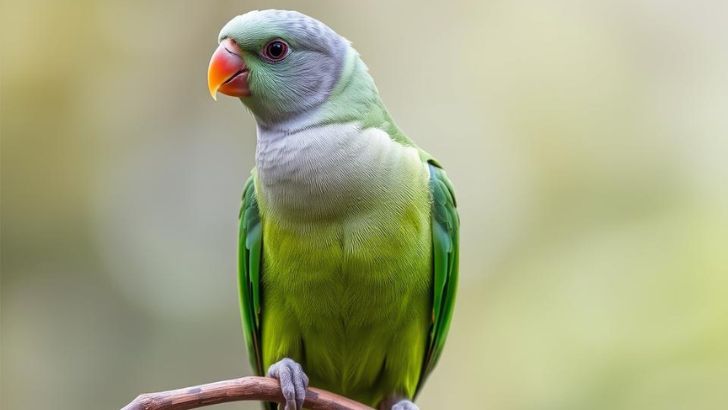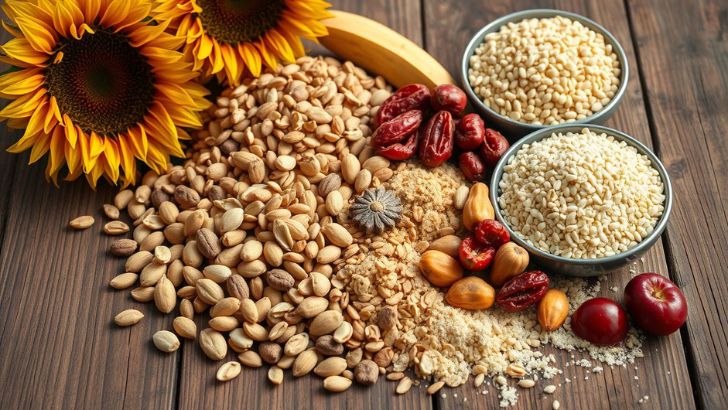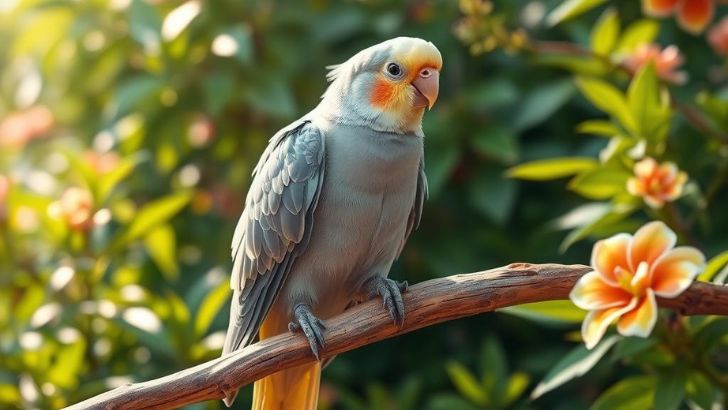

Choosing the right seeds for your backyard birds isn´t just about filling a feeder; it´s about creating a welcoming environment that supports a wide variety of wildlife. The best seeds for birds provide critical nutrition while attracting various colorful species to your yard. With numerous seed choices available, knowing which offer the best nutritional value and appeal can make all the difference.
Quality bird seed selection supports not only the health of your feathered visitors but also contributes to the larger ecosystem. Birds that frequent feeders frequently help with natural pest control, pollination, and seed dispersal in your garden. Let´s examine the top seeds that will transform your backyard into a thriving bird sanctuary.
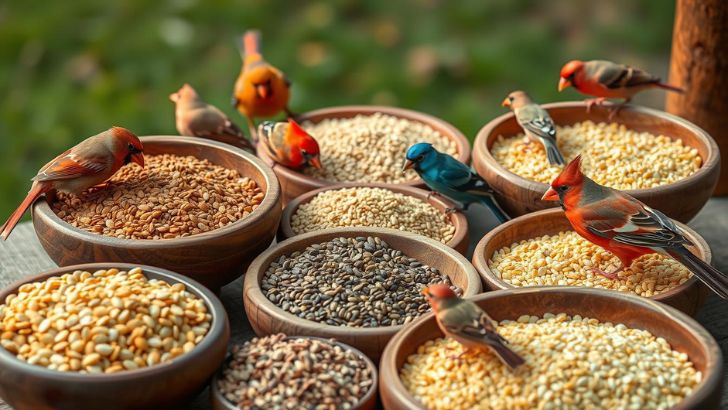
Black Oil Sunflower Seeds: The Ultimate Bird-Friendly Seeds

Black oil sunflower seeds are the undisputed top choice among the best seeds for birds. Their thin shells make them accessible for birds of all sizes, while their high oil content (approximately 40%) provides essential energy, particularly during colder months.
- Northern Cardinals
- Blue Jays
- Chickadees
- Tufted Titmice
- Nuthatches
- Finches
- Woodpeckers
These seeds offer exceptional nutritional value with a high fat content and protein. The thin shells make them easier for smaller birds to crack open compared to striped sunflower varieties.
Feeding Tip: Use tube feeders, hopper feeders, or platform feeders. Clean up fallen shells regularly as they contain chemicals that can inhibit plant growth.
Pro Tip: For less mess, try hulled sunflower seeds (hearts). Although more expensive, they eliminate shell waste and are perfect for deck or patio feeding stations.
Striped Sunflower Seeds: For Larger Birds

Striped sunflower seeds have thicker shells than their black oil counterparts, making them perfect for larger birds with stronger beaks. These seeds naturally exclude smaller birds and some unwanted visitors.
- Cardinals
- Grosbeaks
- Blue Jays
- Woodpeckers
- Jays
While slightly lower in oil content than black oil varieties, striped sunflower seeds still offer excellent nutrition. Their thicker shells help the seeds stay fresher longer in outdoor feeders.
Feeding Tip: Use hopper or platform feeders that accommodate larger birds. The thicker shells create less immediate mess but will eventually need cleaning.
Pro Tip: Combine striped and black oil sunflower seeds to attract a wider variety of birds while providing options for different beak strengths.
Nyjer (Thistle) Seeds: Finch Favorites

Nyjer seeds (sometimes called thistle) are small black seeds that have become the standard for attracting finches. These tiny, oil-rich seeds are a premium choice specifically targeting certain beloved songbirds.
- American Goldfinches
- Pine Siskins
- Common Redpolls
- House Finches
- Purple Finches
Despite their small size, nyjer seeds are packed with impressive nutritional value, offering a high oil content (up to 40%) and protein. They are especially valuable during breeding seasons and cold winter months.
Feeding Tip: Use specialized nyjer feeders with tiny ports or mesh “sock” feeders that prevent seeds from falling out. Replace seeds regularly as they can go rancid quickly.
Pro Tip: Heat-treated nyjer seeds prevent germination under feeders. Look for these treated varieties to avoid unwanted thistle plants sprouting in your garden.
Safflower Seeds: Squirrel-Resistant Option

Safflower seeds have gained popularity as one of the best seeds for birds that prefer a slightly bitter taste, which squirrels and some nuisance birds usually avoid. These white, sunflower-shaped seeds provide a strategic feeding option.
- Cardinals
- Chickadees
- Doves
- Grosbeaks
- House Finches
With good protein content and moderate fat levels, safflower seeds provide solid nutrition. Their thick shells help them stay fresh longer in feeders, even during rainy weather.
Feeding Tip: Use hopper or platform feeders. Birds may take time to accept safflower seeds if they´re used to sunflower, so introduce them gradually by mixing with familiar seeds.
Pro Tip: Switch completely to safflower seeds if squirrels, grackles, or starlings become problematic at your feeders. Most cardinals still visit while these unwanted guests frequently move on.
White Millet: Ground-Feeding Specialists

White millet consists of small, round seeds that mainly appeal to ground-feeding birds. These inexpensive seeds are a staple in many quality seed mixes and attract species that rarely visit hanging feeders.
- Sparrows
- Juncos
- Towhees
- Doves
- Quail
- Native Sparrows
White millet provides good carbohydrate content but less fat than oil seeds. It is particularly valuable for birds that naturally forage on the ground for similar-sized grass seeds.
Feeding Tip: Scatter on the ground or use platform feeders. Avoid using too much in hanging feeders where it may be wasted as birds knock it to the ground searching for preferred seeds.
Pro Tip: Create a dedicated ground feeding area with white millet away from bushes where cats might hide. This attracts ground-feeding species while keeping them safer from predators.
Cracked Corn: Budget-Friendly Bird Attraction

Cracked corn provides an economical option for feeding larger birds and ground feeders. These yellow corn fragments provide a familiar food source that attracts a variety of species, particularly in rural areas.
- Doves
- Quail
- Pheasants
- Jays
- Crows
- Wild Turkeys
While lower in fat than oil seeds, cracked corn provides good carbohydrates for energy. It is particularly valuable during cold weather when birds need additional calories.
Feeding Tip: Use platform feeders or scatter on the ground. Keep corn dry as it can quickly develop harmful mold when wet. Replace it frequently during humid or rainy weather.
Pro Tip: Buy medium-cracked corn rather than finely cracked varieties. The medium size reduces waste and is easier for most birds to handle while still being small enough for consumption.
Peanuts: High-Energy Treats
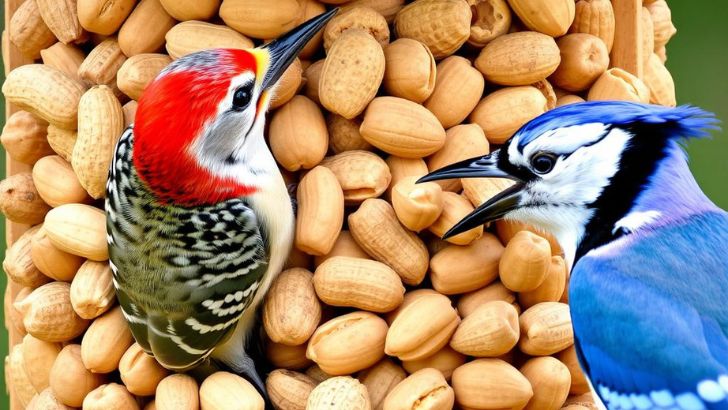
Peanuts, both shelled and unshelled, provide high-energy food that birds particularly value during nesting season and winter months. These protein-packed treats attract some of the most colorful and entertaining bird visitors.
- Woodpeckers
- Blue Jays
- Nuthatches
- Chickadees
- Titmice
- Jays
With high fat and protein content, peanuts provide excellent nutritional value. They are especially beneficial during breeding season when birds need extra protein for nestlings.
Feeding Tip: Use mesh feeders designed specifically for peanuts. Always offer unsalted, unflavored peanuts. Whole peanuts in shells are best for larger birds, while shelled peanuts work for smaller species.
Pro Tip: During nesting season (spring), increase your peanut offerings. Parent birds collect these protein-rich foods to feed growing nestlings.
Hulled Sunflower Hearts: No-Mess Option

Hulled sunflower hearts provide all the benefits of sunflower seeds without the mess of shells. These premium seed products provide instant access to the nutritious kernel inside, attracting the widest variety of birds.
- Almost All Seed-Eating Birds
- Cardinals
- Finches
- Chickadees
- Nuthatches
- Titmice
- Woodpeckers
Nutritionally identical to whole sunflower seeds but without the shell, these hearts provide immediate high-fat, high-protein nutrition without the work of shell cracking.
Feeding Tip: Use tube feeders with larger ports, hopper feeders, or tray feeders. Keep dry, as hulled seeds spoil faster than those protected by shells.
Pro Tip: Use hulled sunflower hearts in areas where shell cleanup is difficult, such as decks, patios, or balconies. The higher cost is balanced by zero waste and increased bird variety.
Dried Mealworms: Protein-Rich Bird Magnets

While not technically seeds, dried mealworms have become a standard offering at feeding stations. These high-protein treats attract insect-eating birds that might otherwise ignore seed feeders entirely.
- Bluebirds
- Robins
- Wrens
- Warblers
- Thrushes
- Woodpeckers
Dried mealworms offer exceptional protein content and moderate fat. They closely mimic the natural insect diet of many birds, making them nutritionally complete.
Feeding Tip: Offer in small dishes, platform feeders, or specialized mealworm feeders. Rehydrate dried mealworms by soaking them in warm water for 30 minutes to make them more appealing to some birds.
Pro Tip: Mix dried mealworms with sunflower hearts to create a “super food” mix that attracts the greatest variety of birds, including those that don´t typically visit seed feeders.
Learn more about optimal bird nutrition: homemade bird food, homemade bird treats, bird beak overgrowth
Fruit and Nut Mix: Specialty Blend for Variety

Premium fruit and nut mixes expand your feeding station´s appeal to fruit-eating species that might otherwise bypass seed offerings. These specialty blends often include raisins, cranberries, cherries, and various nuts.
- Orioles
- Tanagers
- Mockingbirds
- Thrashers
- Waxwings (occasionally)
- Robins
These mixes provide diverse nutrition with varied fat, protein, and carbohydrate sources. The fruit components offer natural sugars and additional vitamins not found in seeds alone.
Feeding Tip: Use platform feeders or large hopper feeders. These mixes can be more expensive, so offer in smaller quantities in dedicated feeders rather than mixing with basic seeds.
Pro Tip: Create your own premium mix by combining hulled sunflower seeds, chopped unsalted peanuts, and sulfite-free dried fruits like raisins and cranberries. This DIY approach saves money while maintaining quality.
Bird Seed Comparison Guide
| Seed Type | Best For Birds | Shelf Life | Cost Range | Pros | Cons |
| Black Oil Sunflower | Most seed-eaters | 4-6 months | $$ | Attracts most birds, high nutrition | Shell mess |
| Striped Sunflower | Larger birds | 4-6 months | $$ | Deters small nuisance birds | Too hard for small birds |
| Nyjer (Thistle) | Finches | 2-3 months | $$$ | Attracts finches, less squirrel interest | Expensive, goes stale quickly |
| Safflower | Cardinals, chickadees | 4-6 months | $$ | Squirrels and starlings avoid it | Limited bird appeal |
| White Millet | Ground feeders | 3-4 months | $ | Inexpensive, attracts unique species | Attracts house sparrows |
| Cracked Corn | Doves, jays, quail | 1-2 months | $ | Very economical | Molds easily, attracts starlings |
| Peanuts | Woodpeckers, jays | 2-3 months | $$$ | High protein, entertaining feeding | Expensive, attracts squirrels |
| Hulled Sunflower | All seed-eaters | 1-2 months | $$$ | No mess, attracts most birds | Expensive, spoils quickly |
| Dried Mealworms | Bluebirds, robins | 6-12 months | $$$ | Attracts insect-eaters | Expensive |
| Fruit & Nut Mix | Orioles, tanagers | 1-2 months | $$$$ | Attracts unique species | Very expensive, spoils quickly |
Seeds to Avoid or Limit
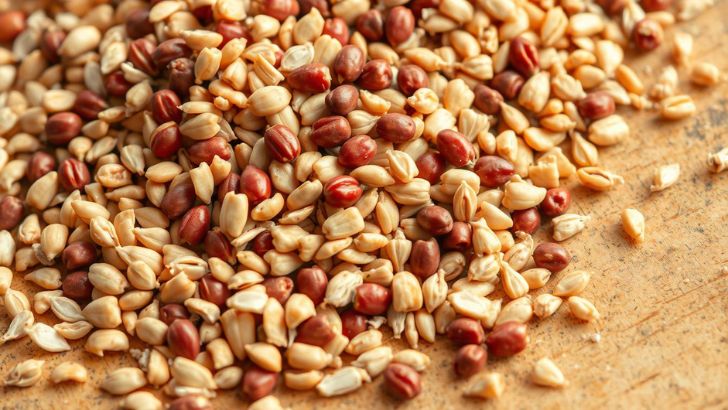
Seeds to Avoid
- Red Milo/Sorghum – Rejected by most birds except in southwestern US
- Wheat – Low nutritional value for birds
- Oats – Rarely eaten by feeder birds
- Flax – Typically ignored by birds
- Rapeseed – Avoided by most North American birds
- Dyed Seeds – Artificial colors offer no benefit and may contain harmful chemicals
Many commercial “bargain” seed mixes contain high percentages of these filler seeds. While they reduce the price, they also create waste as birds kick them out of feeders searching for more desirable seeds. Quality over quantity is the rule for effective bird feeding.
Conclusion: Creating Your Bird Feeding Strategy
The best seeds for birds depend on which feathered friends you hope to attract. For maximum variety, black oil sunflower seeds and white millet form an excellent foundation that will satisfy most visitors. Add specialty seeds like nyjer for finches or peanuts for woodpeckers to target specific species.
Remember that quality matters more than quantity. Birds waste less food when offered preferred seeds, making premium options more economical in the long run. Avoid mixes with high percentages of filler seeds like milo, wheat, and oats that most birds reject.
Frequently Asked Questions About Bird Seeds
Question 1: What is the single best seed for attracting the most birds?
Black oil sunflower seed is widely considered the best all-around seed for attracting the greatest variety of birds. Its thin shell makes it accessible to small and large birds alike, while its high oil content provides excellent nutrition.
Question 2: How can I prevent squirrels from eating bird seed?
Try safflower seeds, which most squirrels avoid. You can also use squirrel-proof feeders with weight-activated mechanisms, baffle systems, or offer foods like nyjer seed that squirrels find less appealing.
Question 3: How often should I change the seeds in my feeders?
Seeds should be replaced whenever they get wet or show signs of mold. Generally, check feeders every 2-3 days and completely empty and clean feeders every 2 weeks. Nyjer seed and hulled sunflower hearts should be replaced more frequently as they spoil faster.